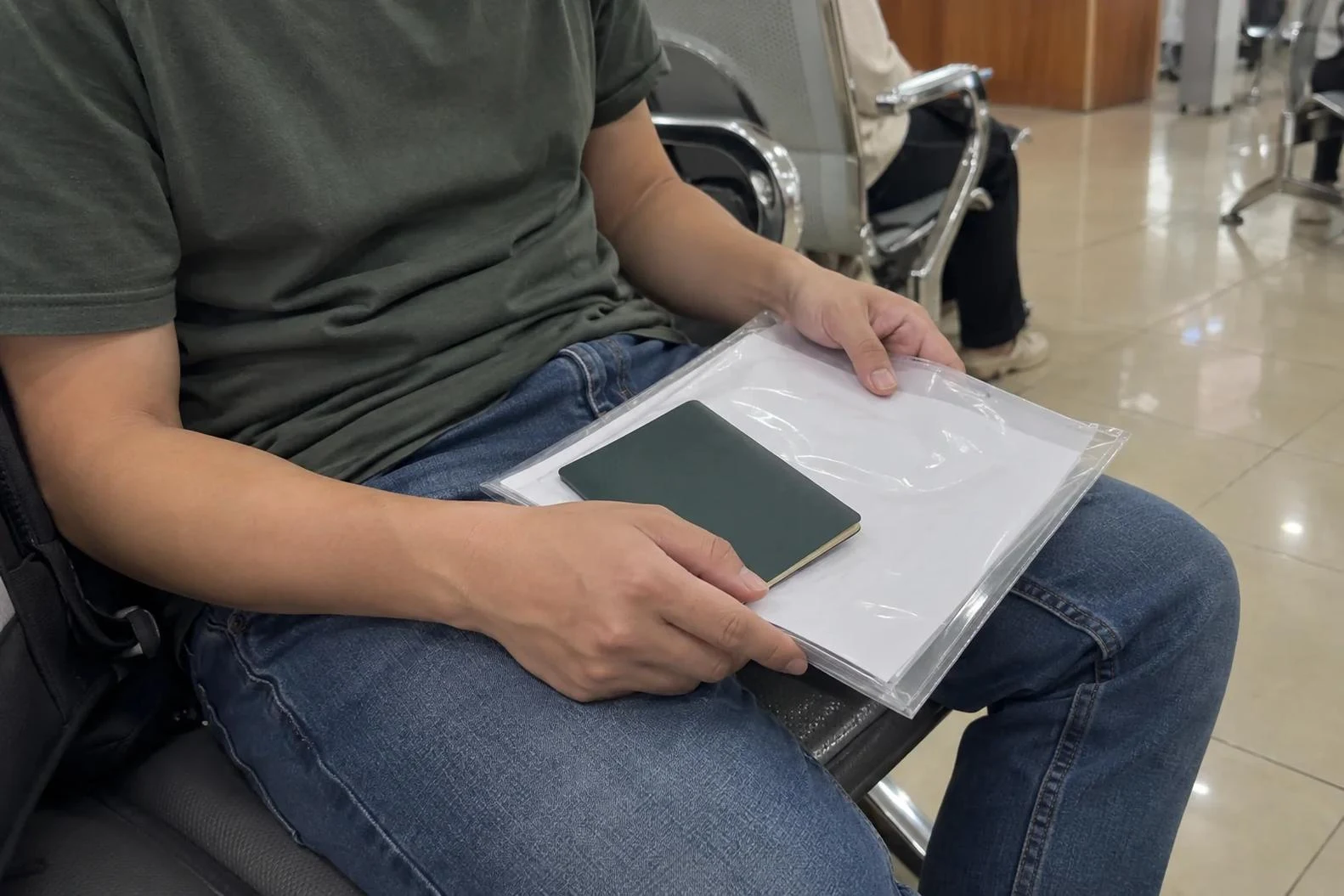
The Vietnam judicial record certificate (Phiếu lý lịch tư pháp) shows whether you have an unexpunged criminal conviction, and foreigners mostly need it for a work permit file. In 2026 it costs VND 200,000 (about $8) and takes 5 working days, up to 15 if the police must verify something.
Which Vietnam judicial record certificate do foreigners need?
Almost everyone needs Certificate No. 1. It lists convictions that have not been expunged and leaves out the ones that have. Certificate No. 2 also shows expunged convictions, and the government says organisations and individuals may not demand it outside the legal exceptions. If an employer or a foreign embassy asks you for “the police check”, ask them to write down which number they mean.
Do this before you queue. Applying for the wrong type means paying twice and losing a week. Keep their reply with your application records, together with the format they accept (paper or electronic), the issue date they accept and the language.
Who can apply and where do foreigners submit the application?
Foreigners who currently live in Vietnam normally apply to the provincial police, while former residents applying from abroad go through the central Ministry of Public Security authority. Anyone aged 16 or over who lives in Vietnam now, or lived here before, can request their own certificate.

Older guides, and some agencies, still send you to the provincial Department of Justice. The revised law points to the police, so call or visit the counter in your province before you hand over originals. Online filing runs through the National Public Service Portal or VNeID for people who have electronic identification. Foreigners without it use the in-person or postal route.
What documents and forms do you need for the application?
You fill in Form 02/2026/LLTP when you apply for your own certificate, and Form 03/2026/LLTP when someone applies for you. In person, you complete and sign the form at the counter. By post, your signature on the form has to be certified first, so ask where that is done before you book the courier. If you live in Vietnam, the counter beats the post, because a form signed in front of the clerk cannot come back for a missing certification.

Have this information written out before you start: your full name, date of birth, nationality, passport number, issue date and issuing authority, your permanent, temporary and current addresses, your parents’ and spouse’s names, your contact details, the certificate type and how you want it delivered. Addresses are where applications stall. If your passport or address changed since you arrived, bring both old and new details.
How much does the certificate cost and how long does it take?
The standard government charge is VND 200,000 per person per application, around $8, and the standard processing time is 5 working days. Eligible groups such as certain students pay VND 100,000, and each additional certificate in the same request from the third one onward costs VND 5,000. Check whether you qualify for the reduced rate before you pick it.
The authority may extend the 5 days to no more than 15 when verification is needed, and a long residence history across several provinces is the usual reason. I would plan for the full 15 whenever a work permit deadline sits behind the certificate. Save the application reference, the payment confirmation and any receipt, because a correction request is answered against that reference.
Can someone apply for you, or can you apply after leaving Vietnam?
Yes to both. A parent, spouse, child or guardian applies with Form 03/2026/LLTP and states the relationship, with no separate authorisation. Anyone else needs a notarised or certified written authorisation, and the signing date of that authorisation goes on the form. Postal applications add the signature certification on top.
For a foreigner who has already left, the application goes to the central police authority, and a representative in Vietnam usually does the legwork. Overseas acceptance, translation and legalisation are a separate question for the receiving office. Ask them first whether they want the document authenticated and by which authority, because that step costs more time than the certificate itself.
How does the certificate fit into a Vietnam work permit file?
For a certificate supplied separately, the current work permit rules require it to be issued no more than 6 months before you file. A record from a foreign authority can also count, subject to the dossier requirements. Time the certificate to land close to your filing date, so it does not expire while you wait for signatures. The rest of the file is in our work permit documents checklist, and the rule changes of the year are in the Decree 219/2025 guide.
There is also a combined route. You authorise your employer to request the certificate, the employer files both dossiers on the National Public Service Portal, the police send the electronic result straight to the work permit authority, and you never hold the certificate yourself. With a willing employer this is the route to prefer over the separate certificate, since you never carry a paper that can age. The work permit stage then takes 10 working days after a complete file, added to the police time. Meanwhile your stamp keeps running, which is where people get caught: nothing in this process extends it. If your entry stamp ends before the work permit clears, a 90-day e‑visa from the BestBus Vietnam visa services covers the gap, and the arithmetic of the wait is in budgeting the wait before your work permit clears. The certificate you can fetch alone. Message me on WhatsApp with your stamp’s end date and your filing date, and I will tell you whether you need an extension in between.
What mistakes cost foreigners a second application?
The usual ones are requesting the wrong certificate type, signing a postal form without certification, leaving an old address off the form, and filing the certificate so early that it passes 6 months before the work permit goes in. Check your name, passport details, certificate type and issue date the moment the result arrives, and fix errors with the issuing office before you pay for translations.
If a translation or notarisation is next, do it from the final file, and keep the original electronic result. Rules like these were rewritten recently, so a counter clerk’s current instruction beats any guide, including this one.
The certificate is a form-and-receipt job that you can finish alone in an afternoon, and the portal even lets you track it. The part that wears people down is the sequence around it, with a stamp running out, a work permit queue and a document that expires in the middle. If you would like someone to line those dates up, write to me with your dates and I will map the order of steps.
Frequently asked questions
Can I apply without a VNeID account?
Yes. Foreigners without suitable electronic identification can apply in person or by post. Confirm the competent police office, the declaration form and the signature certification rule before you send anything.
Can someone apply on my behalf?
Yes. A parent, spouse, child or guardian uses Form 03/2026/LLTP and states the relationship. Anyone else needs a notarised or certified written authorisation, and postal applications also need a certified signature.
Can I get the certificate after leaving Vietnam?
Former foreign residents have the right to request their own certificate. Applications from abroad go to the central police authority, and an authorised representative in Vietnam can usually handle the paperwork for you.
Is the certificate always valid for six months?
No single validity period applies to every use. For a separately supplied work permit document the certificate must be issued no more than 6 months before filing. Overseas recipients set their own recency rules.