
Vietnam is cheaper than Thailand by $400-600/month on a comparable lifestyle - $800-1,300/month all-in versus $1,200-1,900 in Thailand. For short-stay visas, Vietnam’s 90-day e-visa is simpler. For long-term residence without quarterly border runs, Thailand has the clearer paths.
Which Country Costs Less Per Month in 2026?
Vietnam total monthly budget: $800-1,600, depending on lifestyle and city. Thailand runs $1,200-2,400 for a similar setup. The $400-600/month gap compounds to roughly $5,000-7,000/year - real money that either stays in your pocket or covers flights home.

| Category | Vietnam | Thailand |
|---|---|---|
| Budget (all-in) | $800-1,000 | $1,000-1,200 |
| Comfortable (all-in) | $1,200-1,600 | $1,400-1,900 |
| Mid-range housing | $500-700/mo | $600-850/mo |
| Street food meal | $1.50-3 | $2-4 |
| Internet | $8-15/mo | $15-25/mo |
In Da Nang, an ocean-view apartment runs $650/month - a furnished one-bedroom two blocks from the beach. In Chiang Mai, a clean studio with a pool costs $500, but add utilities with air conditioning ($80-120), groceries ($250), and transport and the monthly total climbs to $1,400+.
What Does Rent and Daily Life Look Like?
Da Nang is the Vietnam sweet spot for most expats: beach access, growing coworking scene, and a real local economy. A comfortable life there - including rent, food, transport, and insurance - runs $1,100-1,300/month. Ho Chi Minh City is slightly more expensive at $1,300-1,600.
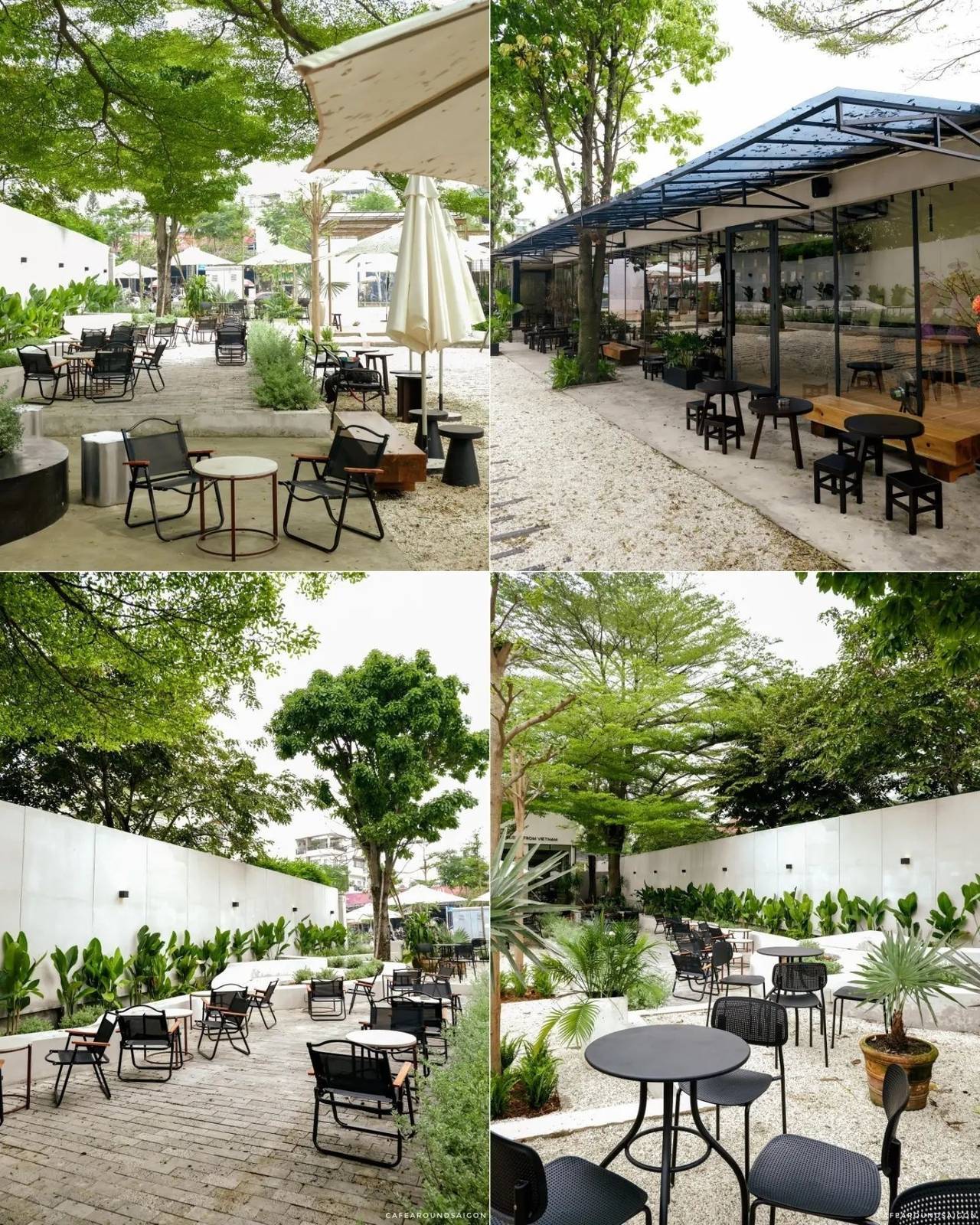
Chiang Mai is the classic Thailand pick: slow-paced, established expat community, strong Wi-Fi infrastructure. Monthly total for comfortable living: $1,400-1,700. Bangkok adds $300-500 more but gives you world-class public transit (BTS/MRT at $1-2/ride) and international hospitals on every corner.
The lifestyle gap matters beyond the numbers. Vietnam feels more authentic - less “expat bubble,” more actual local life. Thailand is a gentler first move abroad: higher English proficiency, larger international communities, and a more predictable day-to-day.
Which Visa Path Works for Long-Term Living?
This is where the two countries diverge most sharply, and where most comparison articles gloss over the details.
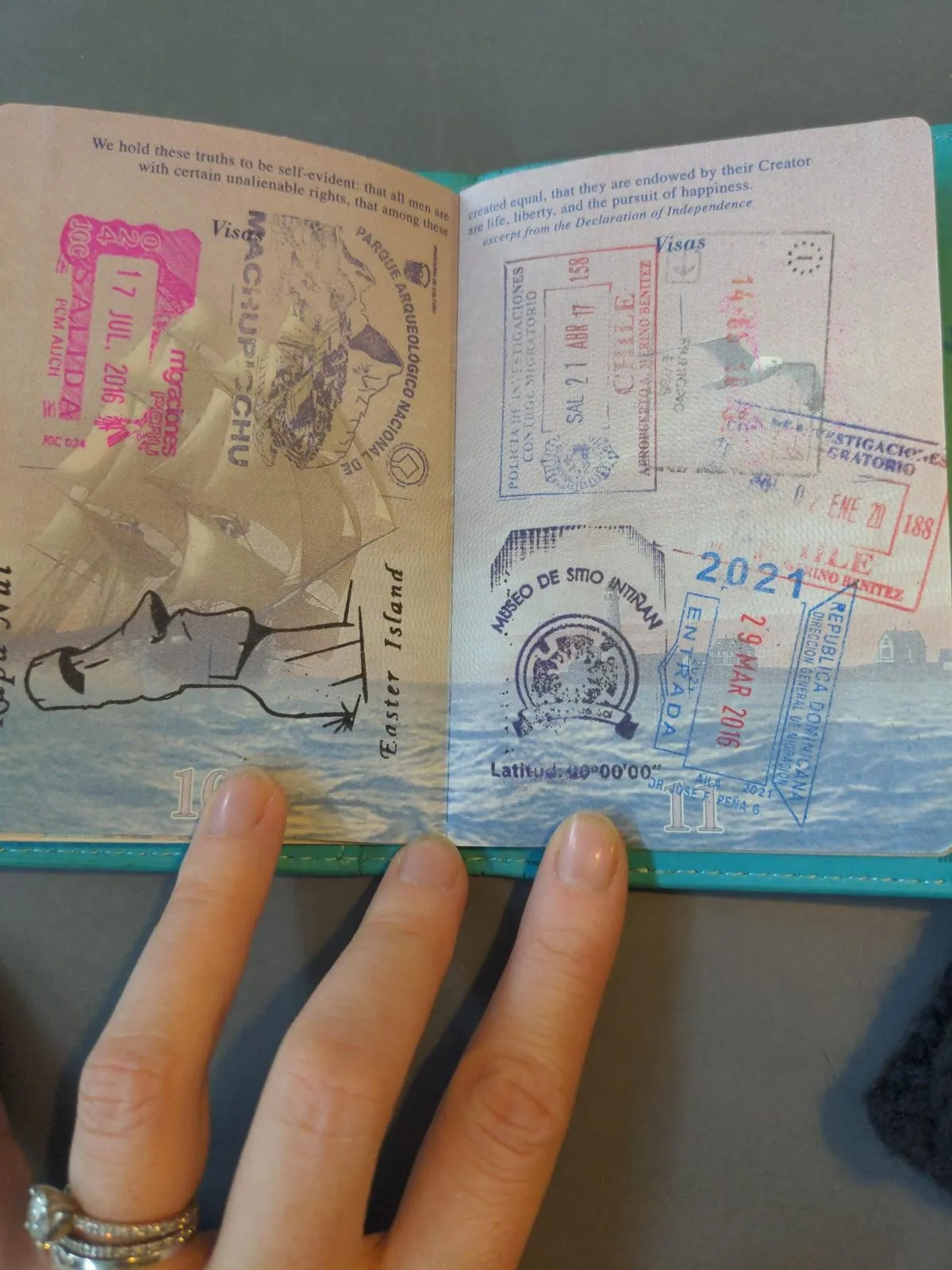
Vietnam offers a 90-day e-visa for $25 (single entry) or $50 (multiple entry), issued through the official evisa.xuatnhapcanh.gov.vn portal. The critical catch: no extensions inside the country. Every 90 days, you exit and re-enter - either a border crossing to Cambodia via Moc Bai or through one of the Laos crossings from Da Nang. This becomes a routine quarterly procedure for most long-termers in Da Nang.
If the paperwork and logistics feel like a distraction from your actual work, that’s a reasonable thing to outsource. I handle e-visa applications and Da Nang-based visa run logistics directly through our Vietnam visa and long-stay services — what it needs from your side is your passport details and the dates you’re planning to travel.
Thailand’s short-stay entry is currently visa-free for 60 days for most Western passports and for Russians alike, under the Thai scheme in force since 15 July 2024, extendable by +30 days for ~$60 at any immigration office. Treat the 60 as temporary: the Thai cabinet has approved a rollback to a 30-day exemption, effective 15 days after publication in the Royal Gazette (not published as of early August 2026), and land crossings are capped at two visa-free entries per calendar year. The long-term options are clearer: Non-O retirement visa at 50+ (requires $2,800/month income or $25,000 in a Thai bank account), Elite Visa for 5-20 years ($15,000-60,000), or a work permit through a Thai-registered company. For staying in Vietnam long-term without repeated exits, the temporary residence card route exists too - but takes 6-12 months to process.
Long-term resident winner: Thailand, if you’re planning 1+ years without quarterly exits.
Is the Healthcare and Safety Gap Real?
Yes - and it matters more than most cost comparisons admit.

Thailand has international-standard hospitals in Bangkok and Chiang Mai: JCI-accredited, English-speaking staff, comparable to Western Europe in quality. Private clinic visits cost $25-50, specialists $60-120. Health insurance runs $60-120/month. This is a genuine advantage if you have chronic conditions or want predictable medical care.
Vietnam has improved significantly. Da Nang has good private clinics ($20-40/visit), but serious or complex cases often get referred to Ho Chi Minh City. Insurance is $50-100/month. For routine care, it works fine.
On safety: both countries are low-crime by global standards. Vietnam has lower violent crime rates but higher petty theft targeting tourists and foreigners. Da Nang consistently ranks as one of the safest major cities in Vietnam. Chiang Mai in Thailand is similarly safe and laid-back.
Vietnam or Thailand: Who Should Pick Which?
Under 50, working remotely, optimizing for savings: Vietnam. You’ll keep $400-600/month more, and the quarterly visa run becomes routine. Da Nang gives you beach, coworking, and low costs in one place.
Over 50, prioritizing healthcare access, or planning a stay of 2+ years without quarterly trips: Thailand wins. The retirement visa, better hospitals, and established expat infrastructure make the extra monthly cost feel reasonable.
The honest bottom line: both countries dramatically improve your finances compared to most European or North American cities. Vietnam maximizes what you keep per month. Thailand minimizes the friction of staying long-term.
For visa runs and e-visa applications from Vietnam, I handle the full logistics from Da Nang - current routes and pricing at danangvisarun.com.