Private hospitals in Da Nang settle the money question before you are admitted. Vinmec asks for a deposit equal to 100% of the doctor’s cost estimate for inpatient care, and insurance replaces that deposit only when your insurer has a signed direct-billing agreement with the hospital. Bring your passport and insurance card, because Vinmec wants the card shown within 24 hours of admission.
I help foreigners in Da Nang with visas, and the hospital question comes right after the visa question. Everything below comes from the hospitals’ own pages and insurer guidelines, checked on 3 October 2026. Where a number has only one source, I say so.
How does the deposit work at a Vietnamese private hospital?
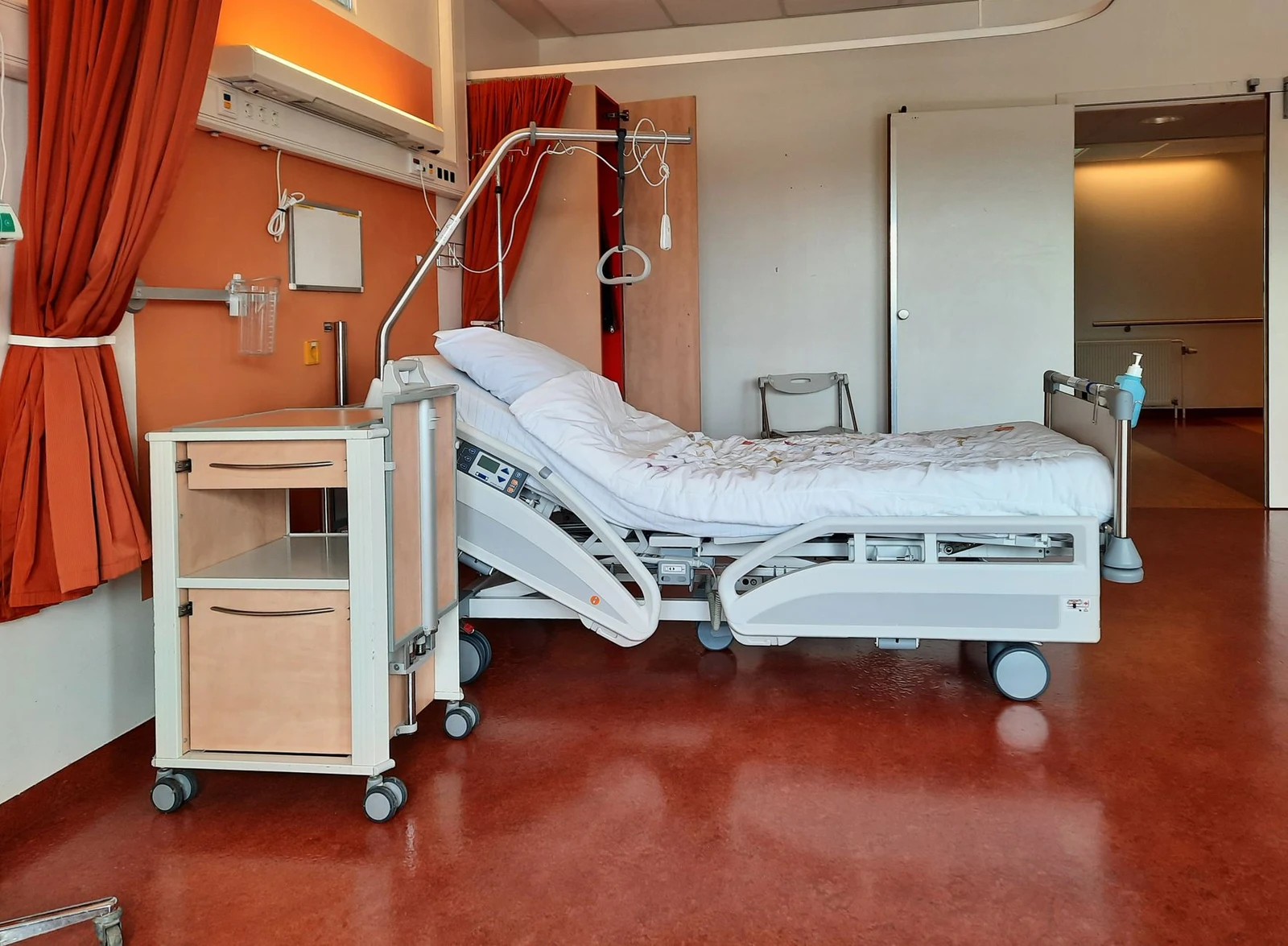
When the doctor decides to admit you, you pay a deposit at the cashier before you get a bed. At Vinmec that deposit covers the doctor’s whole estimate for inpatient treatment, and surgery is prepaid in full as well, so the money question is settled before treatment begins.
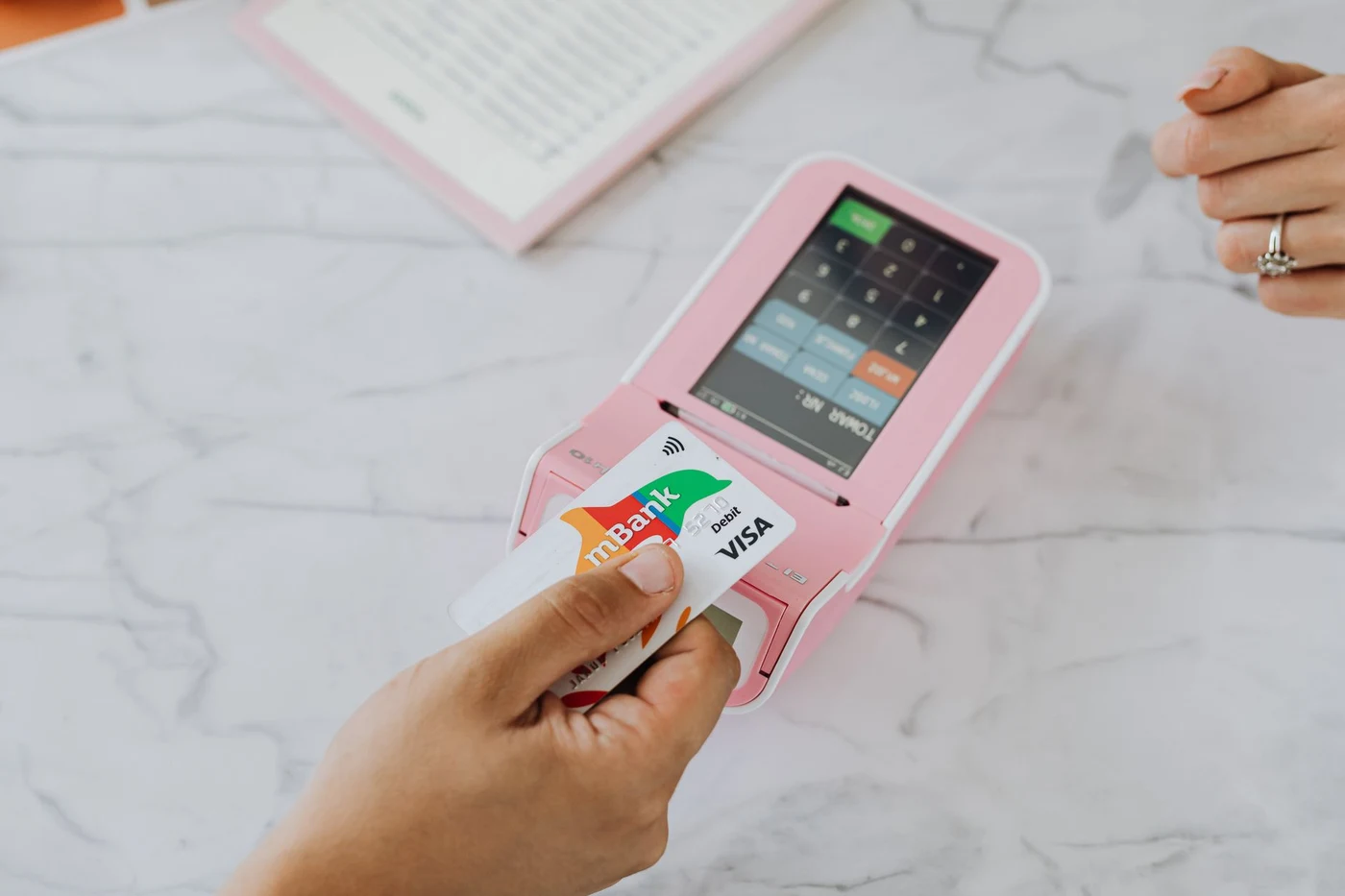
If you reach the ward after an emergency or outpatient exam, Vinmec requires all costs to date to be settled before admission is completed. It adds that the final cost can differ and that extra charges are notified once a day, with a top-up requested if spending passes the deposit.
FV Hospital in Ho Chi Minh City shows how another private hospital sets the amount: for a medical admission the deposit equals the average cost of three days. Treat that as an example of the method, since it is a Ho Chi Minh City rule. No hospital I checked in Da Nang publishes a fixed deposit for foreigners, so I would want the written estimate in my hands before signing anything, because every daily top-up request is measured against that figure.
What documents do Vietnamese hospitals ask for?
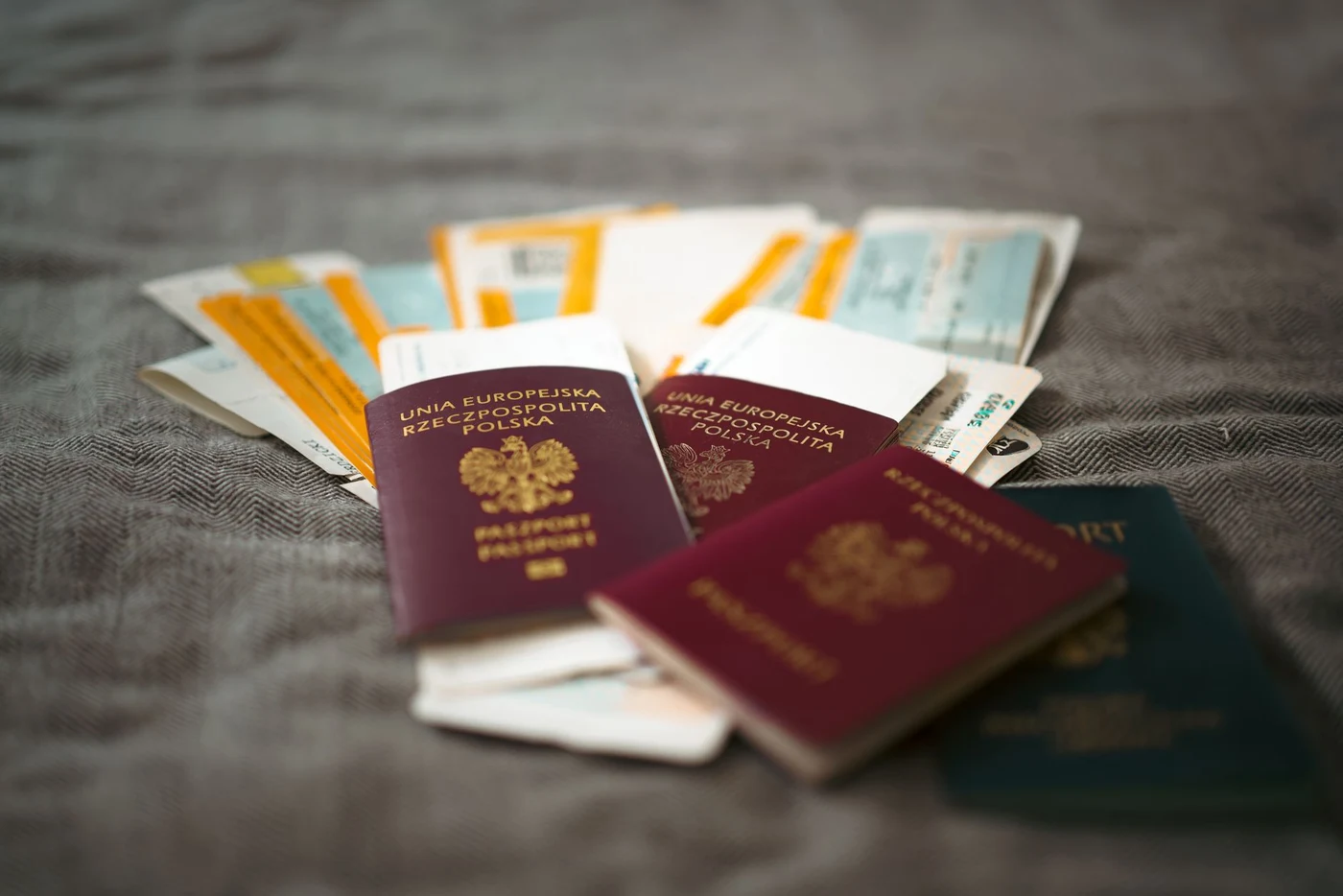
The basic set is a passport and, if you have one, an insurance card. Vinmec’s full list also allows a national ID in place of the passport and adds any local health insurance card and any discount card. It makes the private insurance card mandatory within 24 hours of admission. Keep phone photos of your passport page, visa or residence card and insurance card.
Direct billing or pay-and-claim: which one applies to you?
It depends on whether your insurer has an agreement with that exact hospital, and Vinmec states that cashless billing covers only insurers that signed one. Direct billing means the hospital sends the invoice to your insurer and you pay only the deductible and any non-covered extras. Pay-and-claim means you pay the whole bill yourself and your insurer refunds you later.
Family Medical Practice in Da Nang, at 96-98 Nguyen Van Linh, offers direct billing with a 24/7 emergency line on +84 913 917 303, and its group network lists Cigna, Allianz, Bupa, AXA and Pacific Cross, among about 50 others. Insurers work the same way from their side: Cigna asks you to call Customer Care before treatment so it can arrange payment with the hospital. A guarantee of payment is the insurer’s letter to the hospital confirming that it will cover the bill, and it is usually requested by the hospital or by you through the insurer’s hotline. If that letter has not arrived when you are admitted, expect the hospital to ask for the deposit anyway. Where the hospital is on my insurer’s list I take direct billing, and where it is not I plan for pay-and-claim from the start and collect the papers with that in mind.
Step-by-step: from the cashier desk to your insurer’s refund
The order below keeps both the hospital and the insurer satisfied. It rests on the documents that insurers such as Pacific Cross list on their claim pages: a medical report, an itemised invoice and proof of payment. Each step protects one of them.
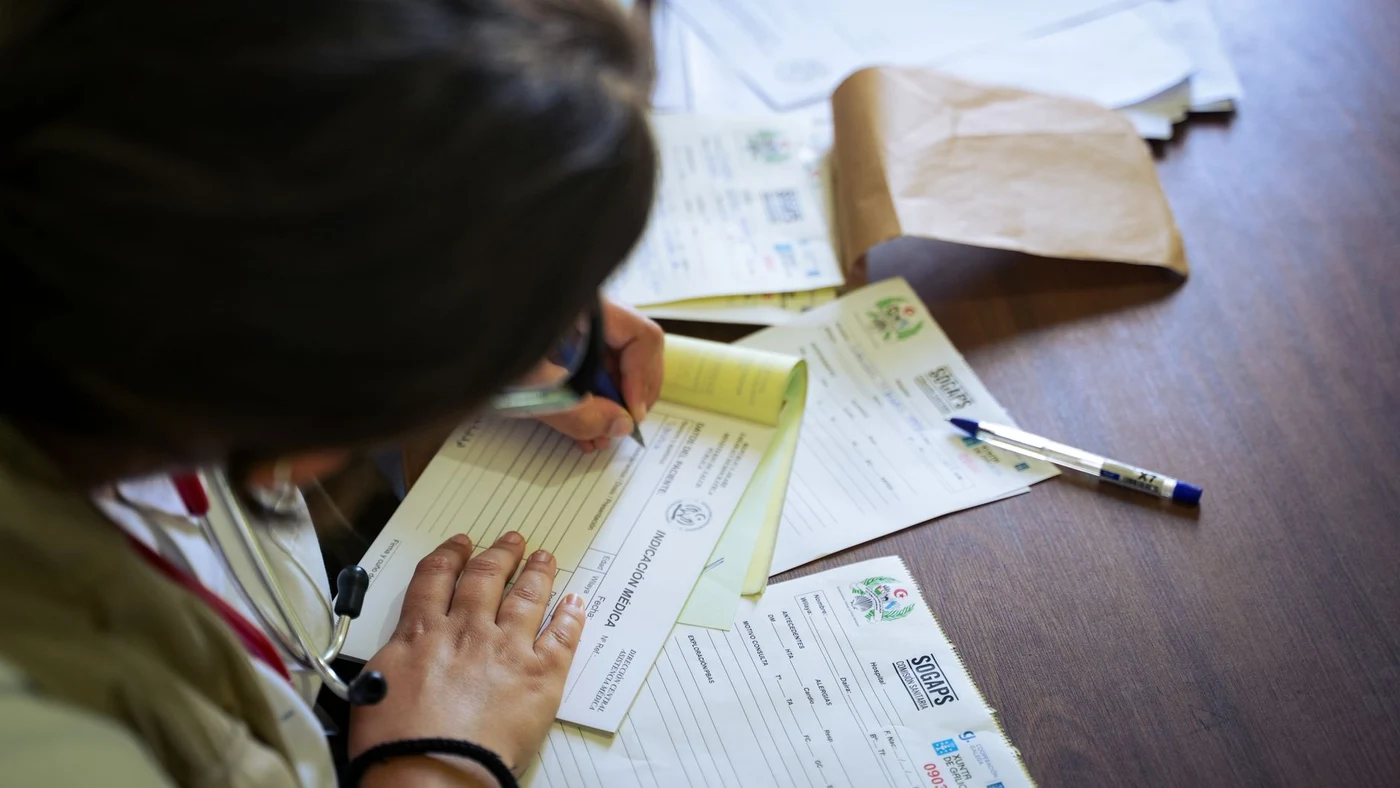
- Call your insurer before a planned admission and ask whether the hospital is on its direct-billing list.
- Pay the deposit at the cashier and keep the receipt.
- Show your passport and insurance card at the nursing desk.
- Ask the doctor which drugs and tests are medically necessary before you agree to them.
- At discharge, collect the medical report, itemised bill, test results and prescriptions.
- Ask for an electronic VAT invoice (hóa đơn điện tử) issued in your full passport name, because insurers typically do not accept a thermal receipt for reimbursement.
- Send the report, itemised invoice and proof of payment to your insurer through its claims portal.
What happens to your visa while you are in hospital?
A hospital stay does not move the date printed on your visa. A week of admission can eat most of the days you had left, and overstay is fined by the number of days, which my overstay fine breakdown lists. A patient on a drip cannot queue at an immigration office.
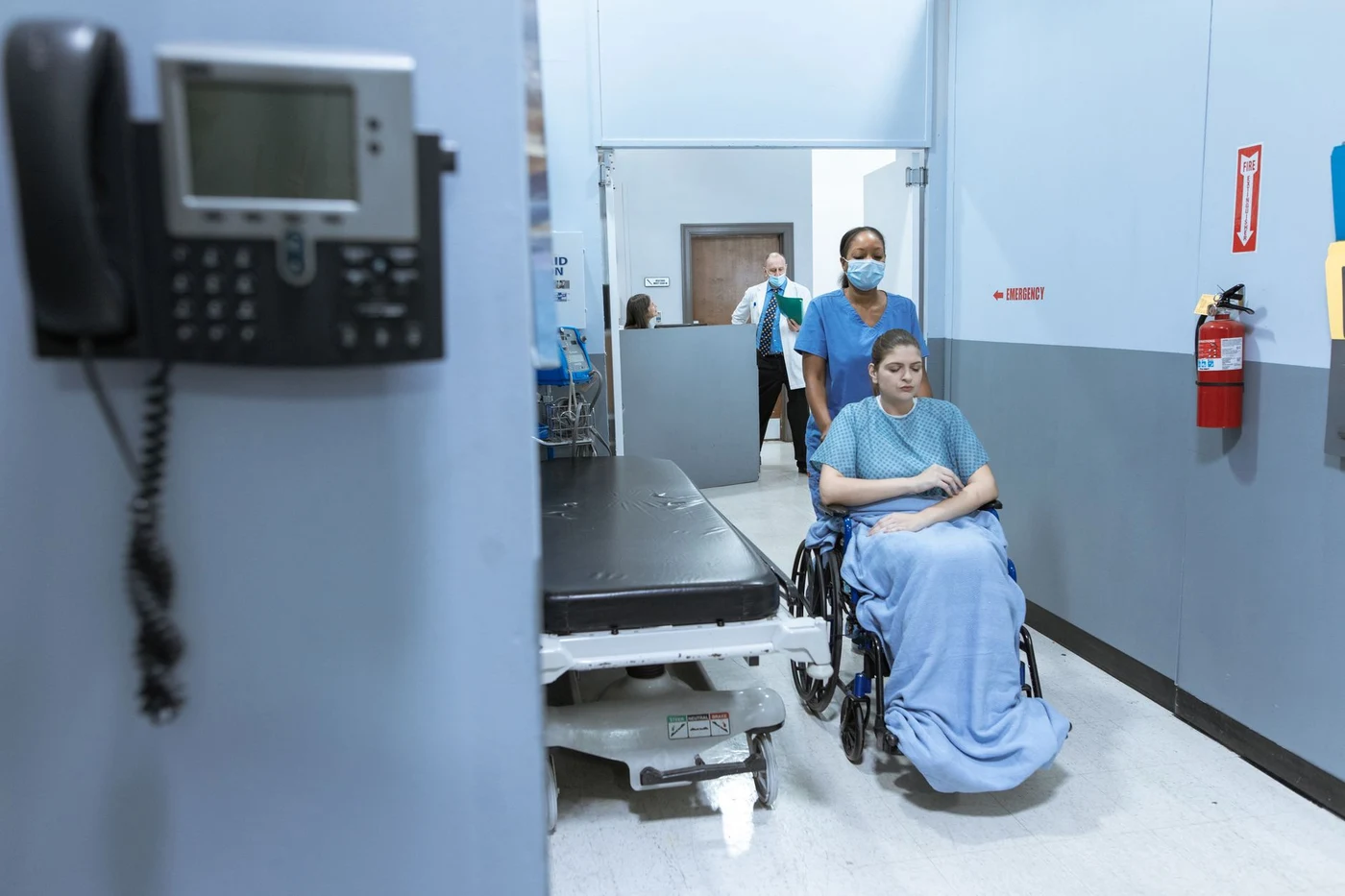
You can do the extension yourself once you are discharged, and my guide to visa extension services explains the routes. This is the point where people usually message me. At BestBus Vietnam I arrange visa extensions on the spot, so the immigration side does not wait for you to get out of bed. Send me your visa end date on WhatsApp and I will tell you how many days you have to fix it.
Which hospital in Da Nang takes what?
Vinmec Da Nang and FMP both offer direct billing with insurers they have agreements with, Hospital 199 runs a dedicated unit for foreign patients, and Da Nang General Hospital is the large public option. Hospital 199 sees 50-60 foreign patients a day, according to Báo Đà Nẵng.
| Hospital | Type | Up-front payment | Direct billing |
|---|---|---|---|
| Vinmec Da Nang | private, Vingroup | full-estimate deposit before inpatient admission | signed insurers only |
| Family Medical Practice | private clinic network | ask at registration | insurers in its group network, such as Cigna, Allianz and Bupa |
| Hospital 199 | public, with a foreigner unit | not confirmed | not confirmed, ask the foreigner desk |
| Da Nang General Hospital | public, the large local hospital | not confirmed | not confirmed |
For guidance on choosing between them, read my comparison of international hospitals in Vietnam and the list of walk-in clinics in Da Nang.
Quick summary: what to carry and what to ask
Check whether your insurer lists the hospital. If it does, ask for direct billing and show your insurance card within 24 hours; if it does not, plan for pay-and-claim: pay the deposit, keep the discharge report, itemised bill and VAT invoice, and send them to the insurer. The one task a patient cannot do from a ward is fix a visa date.
You can run this whole process yourself with a translator app and your insurer’s hotline. If you would rather not think about visa dates while you are ill, message me on WhatsApp with your visa end date and the city you are in, and I will take the immigration side off your list.