Digital nomads working in Vietnam owe tax the moment they cross 183 days in the country during a calendar year - under that line, most freelancers paying foreign clients on a foreign bank account owe Vietnam nothing.
Vietnam doesn’t care where your business is registered - it counts physical days in the country, and the 183-day line decides everything else: your rate, your paperwork, and whether the tax office ever asks your name.
Do Digital Nomads Owe Tax in Vietnam?
Vietnam taxes you as a resident if you spend 183 days or more in the country in a calendar year (or 12 consecutive months from your first entry), or if you hold a long-term rental lease of 183 days or more. Either condition alone is enough - a one-year apartment lease in Da Nang makes you a resident on paper even if you only physically stayed 100 days.

A resident pays Personal Income Tax (PIT) on worldwide income, on a progressive scale from 5% to 35%. A non-resident pays a flat 20% on Vietnam-sourced income only - money earned for work physically performed inside the country. If you’re paid by a foreign client to a foreign account and stay under 183 days, most freelancers never register with the local tax office at all.
How Does Vietnam Count the 183-Day Rule?
Both your entry day and exit day count as full days - this is the trap that catches people running visa runs on tight schedules. Fly in January 5, leave December 30 with two short visa runs to Cambodia and Thailand mixed in, and you can still land around 270-300 counted days, well past the residency line.

The safe way to stay a non-resident is to track every entry and exit in a spreadsheet or an app rather than estimate by memory. Two back-to-back e‑visa periods with real gaps abroad in between, or constant regional travel, are the only patterns that reliably keep you under 183.
What Are Vietnam’s 2026 Income Tax Rates?
Vietnam’s 2026 reform cut the progressive scale from seven brackets to five and raised the top 35% threshold from 80 to 100 million VND per month. A resident earning $2,000/month (about 52 million VND) pays roughly 3.8 million VND in PIT after the 15.5 million VND personal deduction - an effective rate near 7%. A non-resident with the same income pays a flat 20%, about 10.4 million VND, with no deductions at all.

For most freelancers earning under $3,000/month, staying a non-resident and paying tax at home usually comes out cheaper than registering as a Vietnamese resident - but the math flips at higher incomes, where the resident scale’s low brackets start to pay off.
Step-by-Step: Staying a Non-Resident Legally
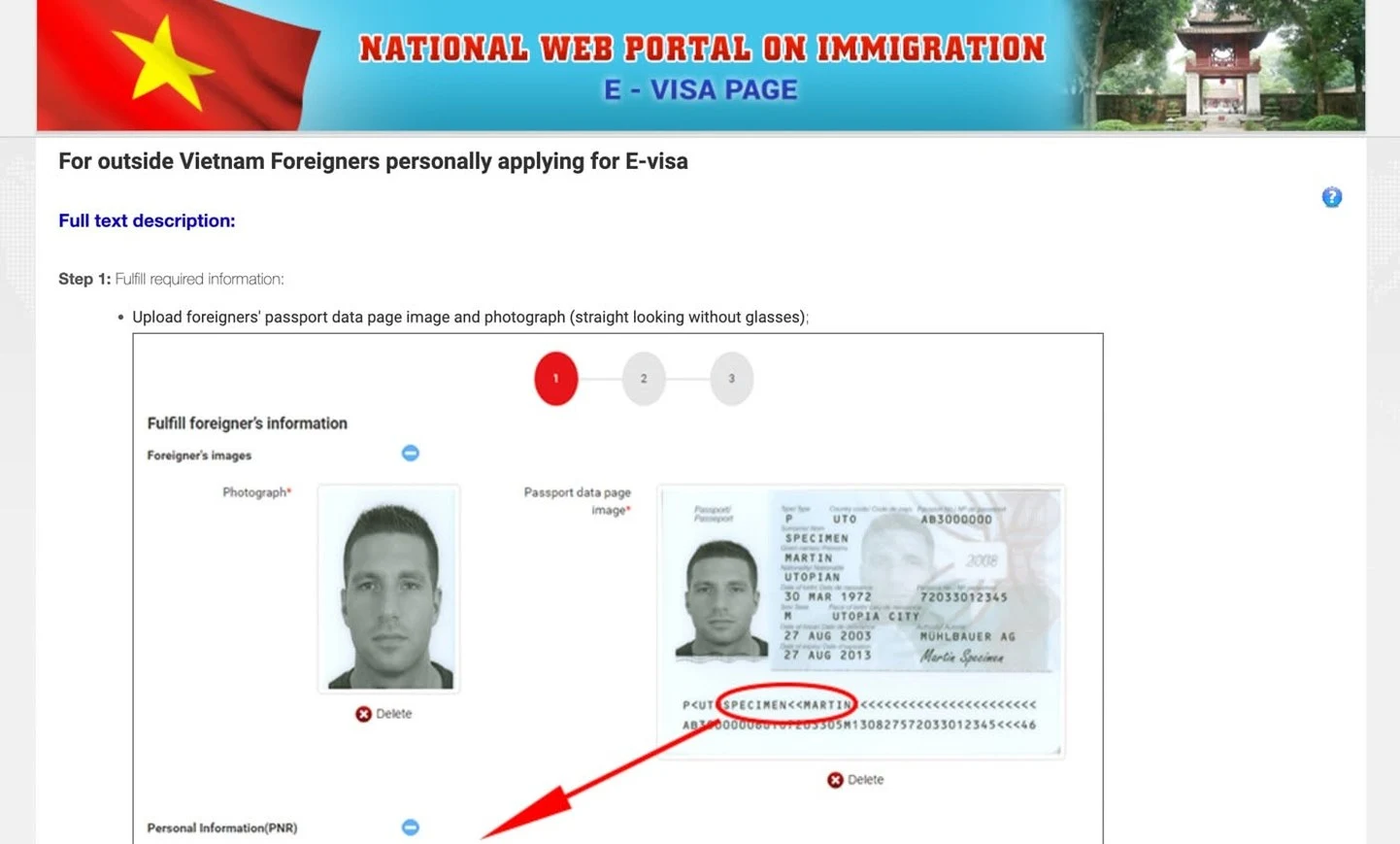
- Enter on a 90-day e‑visa through the official e‑visa portal - never a third-party site.
- Track every entry and exit date in a spreadsheet from day one, including short visa runs.
- Book a border crossing or flight out before your 90 days expire, giving yourself a buffer of at least a week.
- Apply for your next e‑visa before the current one lapses - approval typically takes a few business days.
- Avoid signing a lease of 183 days or longer unless you’ve decided to become a resident on purpose.
- Keep boarding passes and passport stamps as proof of your day count if your home tax office ever asks.

This is where a lot of people trip up - the e‑visa government fee on evisa.gov.vn regularly rejects foreign-issued cards, and missing your renewal window by even a few days can push you past 183 without you noticing. When clients ask me to handle this, I pay the government fee with a card the portal actually accepts and line up the border run to land before the deadline, so the whole thing stays inside one day.
What Happens If You Don’t Register?
Freelancers who never register anything - no local tax number, no local contract - mostly stay off the radar as long as payments never touch a Vietnamese bank account or a local client. The risk shows up later: buying property, opening a local business, or applying for a residence card all trigger a paper trail the tax office can trace back to unreported days. One expat in Da Nang I know went eleven months before getting hit with a 3-million-VND fine for late tax registration, discovered only after he opened a local bank account.

Registering a tax code “just in case” backfires too - once you have one, the tax office expects filings, and missing a deadline brings its own penalty of 1 to 5 million VND plus interest. Register only when you actually have Vietnam-sourced income: a local company, a work contract, or rental income from a Vietnamese tenant.
Resident or Not: How to Decide
If you earn under roughly $3,000/month and your clients are outside Vietnam, staying a non-resident on repeated e-visas and paying tax through your home country is usually the simpler, cheaper path - the cost is the hassle of border runs every 90 days, not the tax rate itself. If you’re settling in for years, buying property, or your income is high enough that the resident scale’s low brackets matter, registering as a resident with a local tax code is worth the paperwork.
Either way, the border-run clock doesn’t pause for tax planning - I run visa renewals and border crossings out of Da Nang most weeks, and book a Da Nang visa run is usually the fastest way to reset the 90-day window without losing a travel day. Getting the money side sorted matters just as much: see my guide to opening a Vietnamese bank account as a foreigner for the paperwork that trips most freelancers up, or our relocation guide for the rest of what settling in long-term involves.
Not sure which side of the 183-day line you’re on, or want the border run handled without juggling dates yourself? Message me on Telegram and I’ll walk through your specific dates.