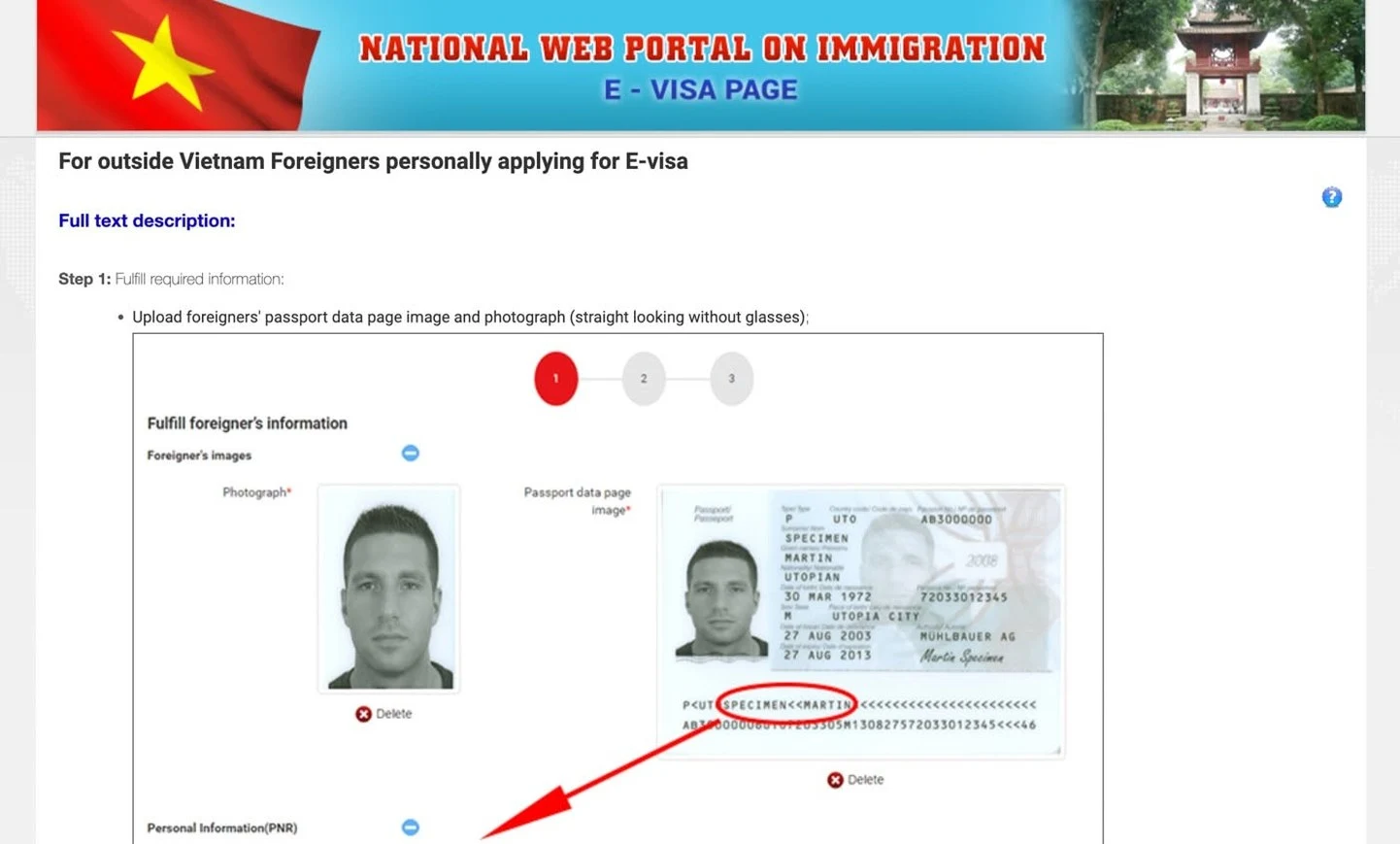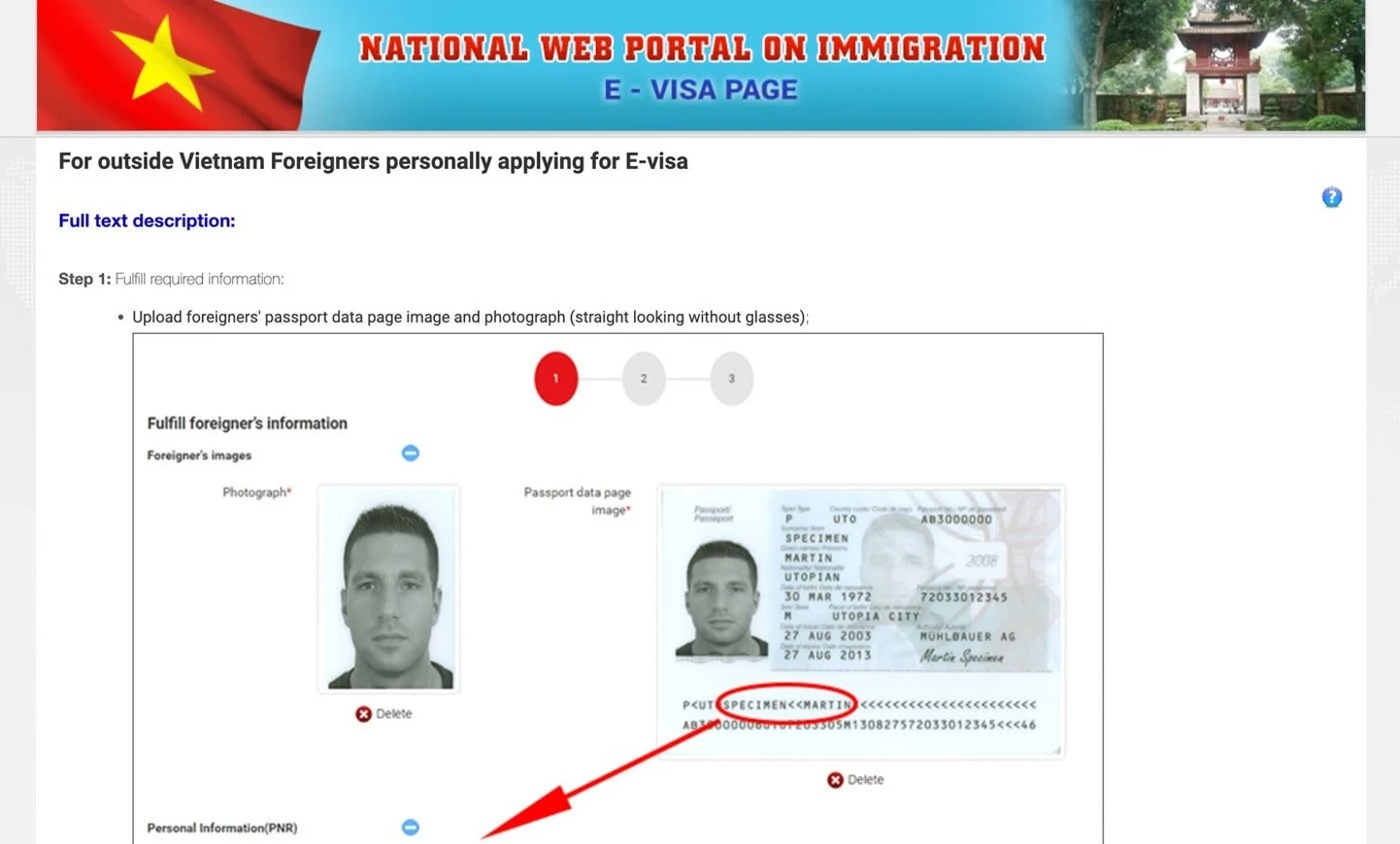
A single-entry Vietnam e‑visa closes the moment you leave the country, even with weeks left on the 90-day clock. A multiple-entry e‑visa costs $50 in government fee against $25 for single entry — a $25 gap that decides whether you can pop over to Laos or Cambodia and walk back in on the same visa.
I found this out the expensive way on my second month in Da Nang. Booked a quick side trip to Laos, crossed out on a single-entry e‑visa, and got stopped trying to re-enter Vietnam on the way back — the visa had already closed itself at the exit stamp, with over a month still left on paper.
Are DN1 and DN2 business visas a better fit for working travellers?
For anyone with a formal contract with a Vietnamese company, a tourist e‑visa isn’t the only route in. DN1 covers contracted work and takes up to 5 working days to issue through an embassy or consulate; DN2 goes further and demands proof of income plus a heavier document set. Neither is a single/multiple-entry question — both give a legal basis to work, which a tourist e‑visa never does, no matter which entry type you pick.

What’s the actual difference between single and multiple entry?
Both versions of the Vietnam e‑visa cover the same stay and process online through the official portal in a few business days. The gap is what happens at the border, not the paperwork. Single entry ends the instant you exit Vietnam — the remaining days on the visa become void. Multiple entry lets you exit and re-enter as many times as you want inside the same window, which is exactly what the extra government fee buys.
One thing multiple entry does not fix: e-visas of either type cannot be extended from inside Vietnam. Once the stay runs out, you’re either crossing a border for a fresh e‑visa or switching to a different visa category entirely.
What if my visa is already single-entry and I need to leave?
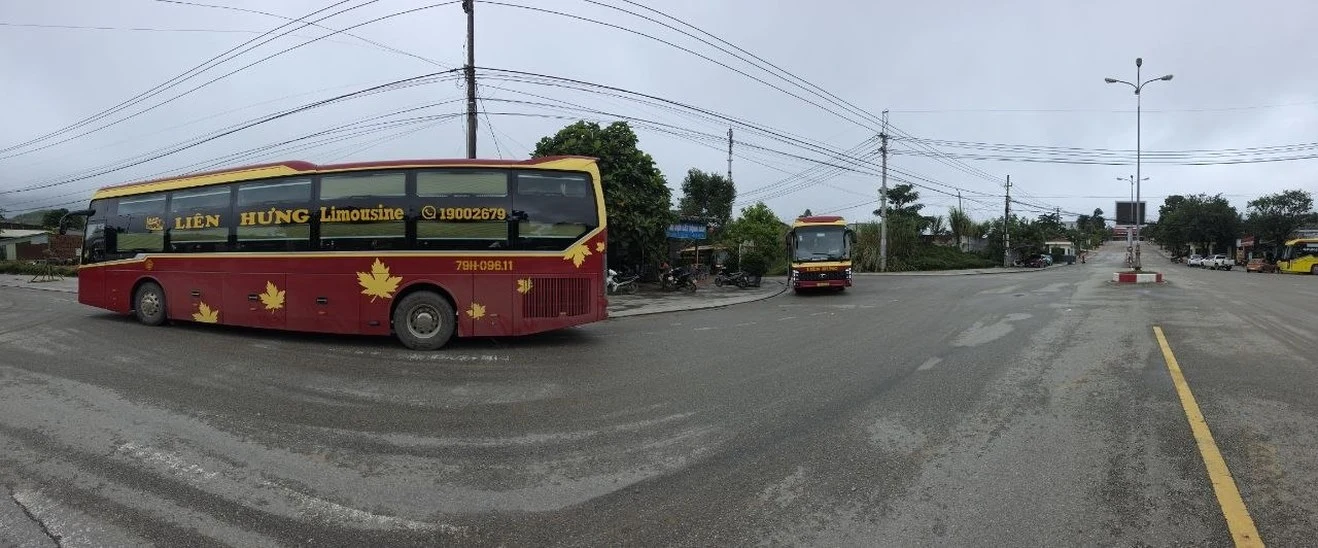
If the e‑visa on hand is single-entry and re-entry isn’t possible, the only legal fix is a fresh e‑visa applied for before crossing back. From Da Nang the closest option is Laos, by bus through Savannakhet or Vientiane, with the border crossing done in a single day. The payment step trips up more travellers than the paperwork — the portal rejects a lot of foreign cards, mine included on the first two tries. Timings and what’s actually included are laid out on our Vietnam e-visa 90 days page.
If you’d rather not gamble the application on your own card and entry-point choice, there’s a way to get it handled in a day instead of a week of back-and-forth with the portal — or in a few hours on the urgent 24-hour tiers if the flight is already tomorrow.
Who actually needs multiple entry?
If you’re staying put with no border runs planned, single entry is enough — paying extra for flexibility you won’t use is pointless. Multiple entry pays for itself the moment you know you’ll cross a border and come back even once: a Laos or Cambodia visa run, a work trip, a family visit next door. I now default to multiple entry for any stay over a month, because a blocked re-entry costs far more in rebooked flights and lost days than the fee gap ever does.

Single entry vs multiple entry: which should I book?
Book multiple entry if you already know you’ll cross a border and come back inside the stay window — the fee gap is cheaper than a second visa application after a blocked re-entry. Book single entry if the trip is one-way in and out with no border runs planned. If the e‑visa on hand turns out to be single and time is running out, the fallback is a fresh application before your next crossing, not an extension request that Vietnam simply doesn’t offer.
Da Nang is my base and where I usually help travellers sort this out — details are on the site, or message me directly on Telegram and I’ll walk through which entry type fits your dates.