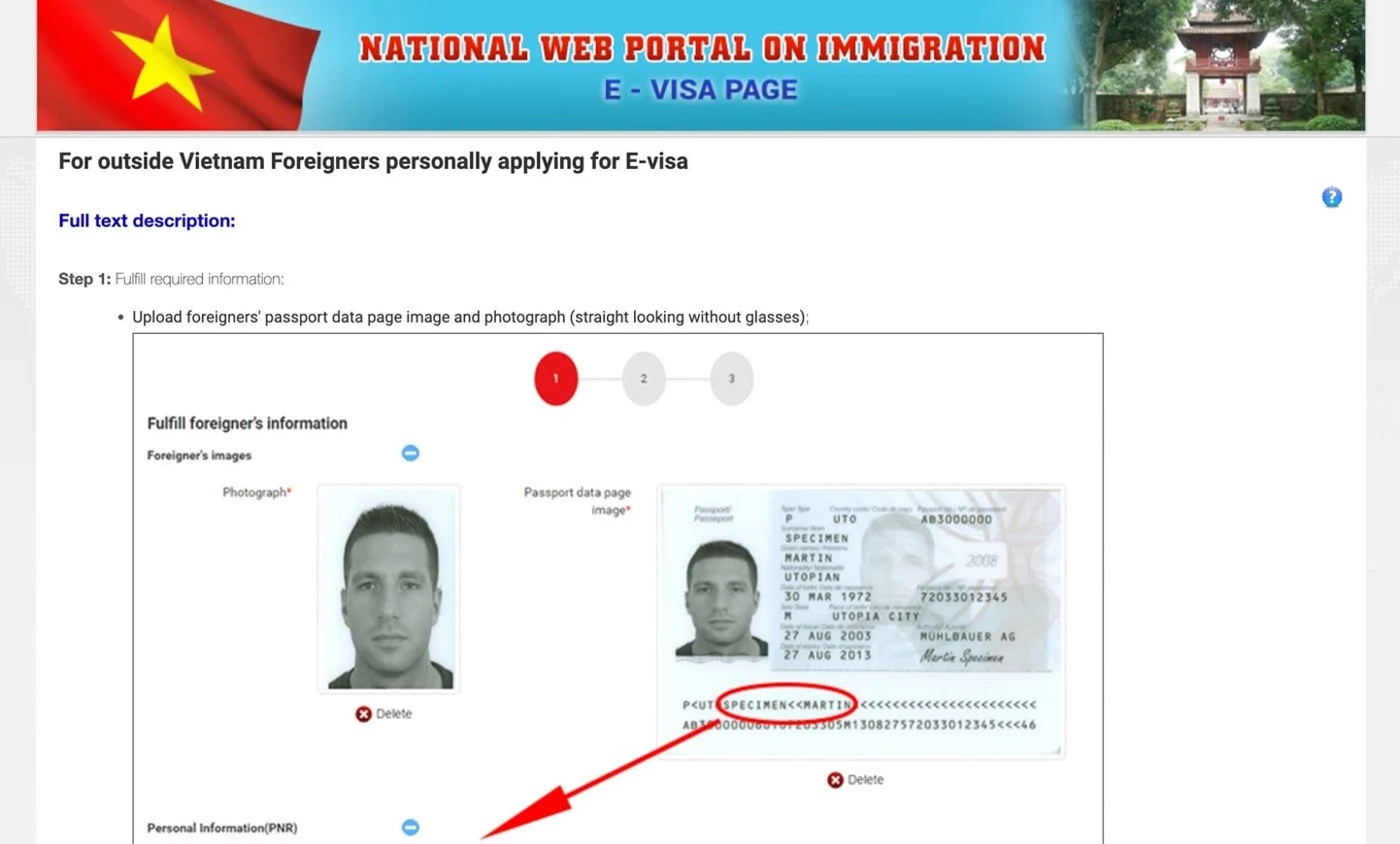
A Vietnam e-visa gives you 90 days counted from the entry date you typed into the form, not from the day you actually cross the border. The government fee is $25 for single entry and $50 for multiple entry on the official e-visa portal. That one detail decides whether your next 90 days start cleanly or cost you triple. If you would rather not deal with any of it, the whole thing can be handled in a day.
Most people I meet in Da Nang discover this in their last week, with a flight already booked. By then the cheap options are gone.
When does a 90-day e-visa actually expire?
Your e-visa expires 90 days after the entry date printed on it, and arriving late does not push that date back. Book an entry date of 1 October, land on 10 October, and you have 80 usable days instead of 90. You also cannot enter before that date - border officers will turn you around.
This cuts both ways, and it is what makes early planning possible. If you know roughly when you want to reset your stay, you can set the entry date of your next visa on that exact day and lose nothing.
Can you extend an e-visa without leaving Vietnam?
No. A Vietnam e-visa cannot be extended from inside the country, and there is no in-country renewal counter for it. The only way to get another 90 days is to exit and re-enter on a new visa.
That exit can be a land border to Laos or Cambodia, or a flight to Bangkok or Kuala Lumpur if you were travelling anyway. Russians get a free 15-day stamp on the Laos side, which is why the land route is the cheapest reset available.
Why does waiting make the same visa more expensive?
The document is identical whether you apply three weeks out or two days out - you are paying purely for processing speed. Turnkey express handling in Vietnam sits around $100-120 on the open market, against a fraction of that when there is no rush. Waiting is the single most expensive habit in the whole process.
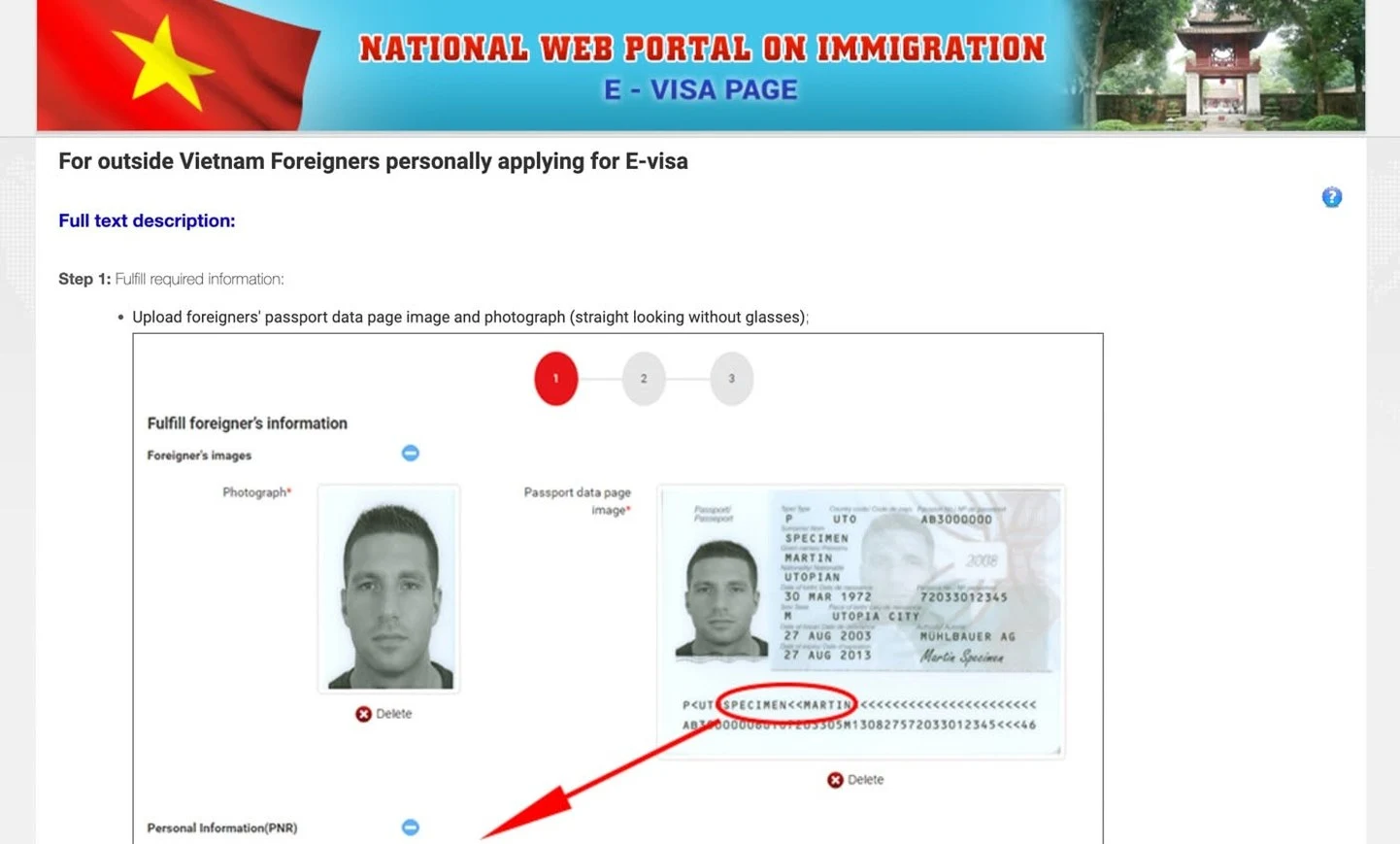
There is a second cost, and it shows up at the border itself. With an approved visa already in hand, the crossing is as quick as a standard stamp run: walk out, walk back in. Without one, the visa gets issued at the checkpoint while you wait, which adds around three hours to an already long day.
The official processing time is three working days. In practice five to seven calendar days is normal, and after Vietnamese public holidays the queue stretches further; I broke the real numbers down in Vietnam e-visa processing time in 2026. The word “working” matters too: file on Friday evening and the clock starts Monday morning.
This is the step where I usually get involved. I pay the government fee with a card the portal actually accepts, fill in the form myself, and set the entry checkpoint you will really use, which is where most rejections come from. Getting a 90-day e-visa handled end to end is what our e-visa service does; from your side all it takes is a passport scan and the date you need it by.
Step-by-step: filing your next e-visa on time
The whole sequence takes about twenty minutes of actual work, and the only hard requirement is starting it 14 days before your current visa expires. Everything below assumes a single-entry 90-day e-visa filed on evisa.gov.vn.
- Count backwards 14 days from the expiry date on your current visa. That is your filing day, not a suggestion.
- Decide how you will exit - land border, or a flight you were taking anyway. The route sets your entry date.
- Open evisa.gov.vn, fill the application, and set the entry date to the day you will physically cross back.
- Pay the $25 single-entry fee with a card the portal accepts, and keep the payment receipt.
- Check the application status after three working days; if it is still processing at day seven, escalate to an express option while you still can.
- Save the approved visa to your phone and print a colour copy before you travel.
Laos or Cambodia - which crossing makes sense?
For anyone based in Da Nang, Lao Bao is the practical choice: roughly 280 km each way, no Laos visa fee for Russians, and the whole thing fits inside one long day. Cambodia works better from Ho Chi Minh City through Moc Bai, but the Cambodian visa on arrival costs $35.
Flying changes the maths rather than the rules. A Bangkok round trip from central Vietnam often lands near the price of an organised border run, and you get a city instead of a bus seat.
What to decide 30, 14 and 7 days out
Thirty days out you pick the format: fly out yourself, or take a same-day border run. Fourteen days out you file the application with the entry date set to your crossing day - this is the last calm moment before express pricing starts. Seven days out you confirm the visa is approved and saved, and if it is still pending you escalate rather than hope.
If the border logistics are the part you would rather skip, that is my day job: pickup in Da Nang, the paperwork at the crossing, and a fresh visa the same day. Ukrainian passport holders: we cover this same expiry timeline in Ukrainian, here.
Message me on WhatsApp with your current expiry date and I will tell you the last safe day to file.