
Vietnam’s e-visa officially takes 3–7 working days to process. In practice I plan for two full weeks. I’ve had one approved in four days and another that crawled to nearly a week after it bounced back for a blurry photo. If your flight is booked, count backwards from departure — not from the day you finally feel like applying. Here’s how the timing actually works. If you also want the form itself walked through field by field, I wrote a full step-by-step Vietnam e-visa application guide.
The official window vs what really happens
The portal at evisa.gov.vn says 3–7 working days. The word that matters is “working.” Weekends and Vietnamese public holidays don’t count, so a Friday-night application doesn’t start ticking until Monday morning. Around Tet — the lunar new year, late January into February — the immigration office nearly stops, and a week stretches to ten days. Whenever the visa does land, it’s valid for 90 days, so applying early costs you nothing. Approval speed also shifts with your passport — I broke down the typical Vietnam e-visa processing time by country separately.
What slows your application down
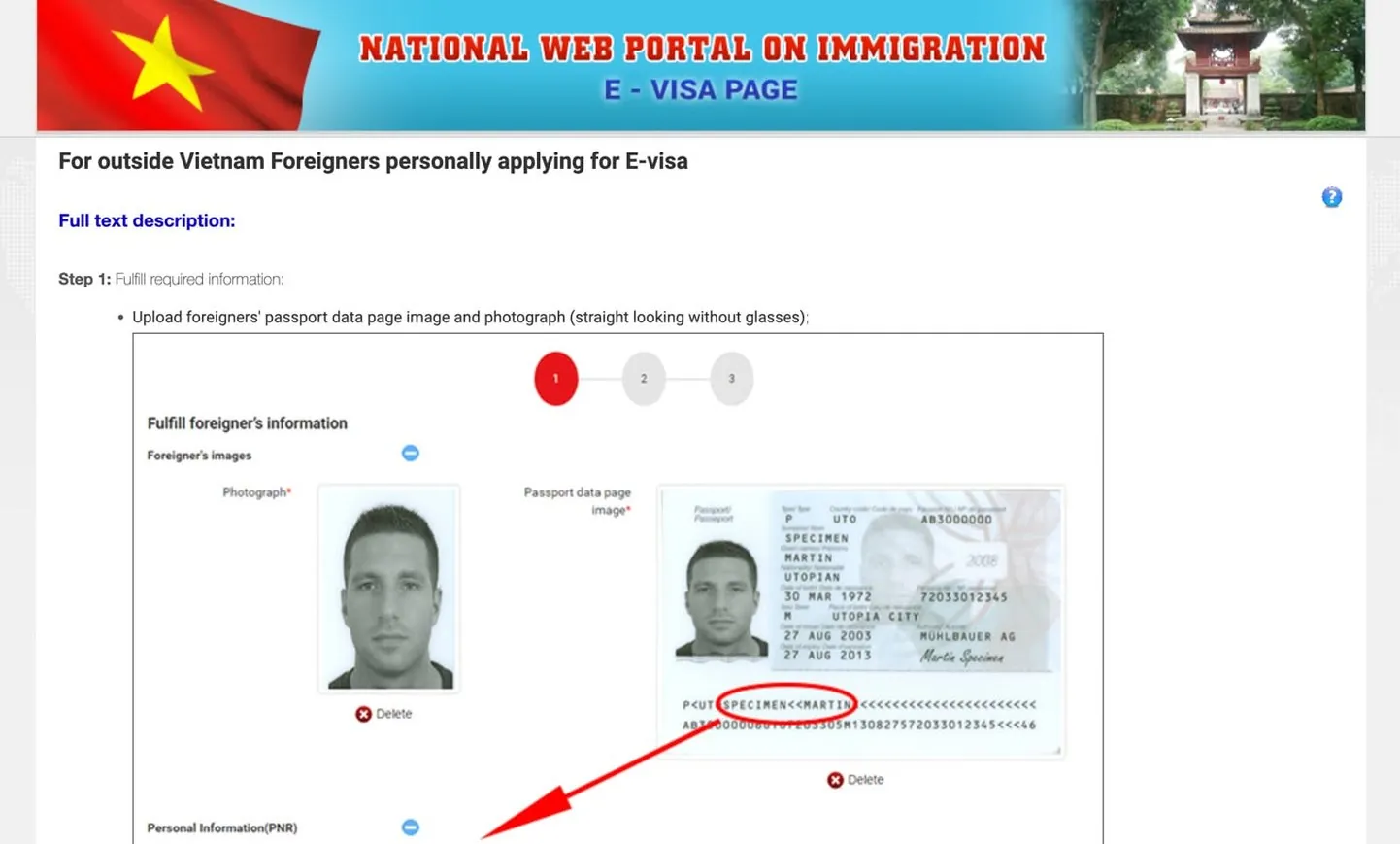
The single biggest delay is the “additional processing” status, and it almost always comes down to the photo: a glare, a shadow on the white background, the top of your head cropped off. The clock resets the moment that happens. The second trigger is a mismatch between your typed passport number and the scan of your passport’s first page. Get those two things right and you stay in the 3–5 day lane instead of the 7-plus one. Skipping that check entirely is what our Vietnam e-visa 90 days page is for — we file it clean the first time.
Those two triggers — the photo and the passport-number mismatch — are exactly what I check before anything gets submitted, so the clock doesn’t quietly reset on day three. I file it clean and stay on the application if immigration flags something — message me on Telegram with your travel dates and I’ll tell you how tight your timing really is.
Apply on time: a step-by-step
- Open evisa.gov.vn at least two weeks before departure — earlier is fine, you can apply months ahead.
- Shoot your face and passport photos in daylight, no flash, no shadows on the background.
- Pick single-entry ($25) or multiple-entry ($50) and enter dates with a buffer — you don’t have to arrive on the exact day, just inside the window.
- Set passport type to “Ordinary passport,” or the application gets rejected on sight.
- Pay by card and save the registration code from the confirmation email.
- Check status daily at evisa.gov.vn/e-visa/search — the visa is never emailed; you download the PDF and print it yourself.

Is an express e-visa worth paying for
You’ll see ads promising approval “in 1 hour” or “in 4 hours.” The government portal has no express lane for a normal self-application. Fast turnaround only exists through services that file under an expedited state tariff and charge $40–100 on top. If you’re genuinely out of runway, it’s a fair option. But paying triple for a vague “one hour” promise usually just buys you the same standard filing, slightly faster.
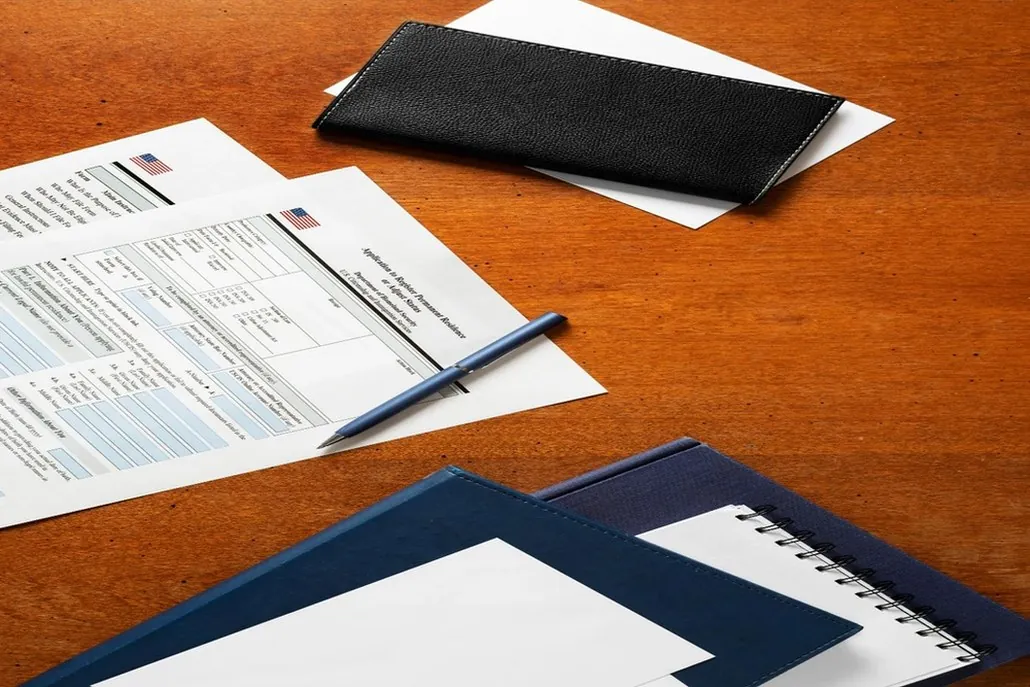
And use only evisa.gov.vn. Search results are full of lookalike sites that copy the government layout but charge $60–90 instead of $25 for the same visa, with no speed gain. There’s exactly one official portal — type the address directly instead of clicking an ad, and if a payment page asks for more than $50 for a single-entry visa, you’re not on the real site.
If your e-visa is running late
Check the status first. “Under consideration” the day before a flight isn’t a crisis — approvals sometimes land late on the seventh working day. “Additional processing” means re-upload whatever they flagged, and yes, the timer restarts. A flat rejection or total silence the day before departure leaves two real choices: refile through an expedited service or move your flight. You cannot board without an approved e-visa and a printed PDF — the airline check-in desk won’t let you on the plane.
Still stuck on the visa side of your trip? You can sort it through us at danangvisarun.com, or reach me here:
- Telegram: message me for e-visas, extensions and visa runs.
Frequently asked questions
How long does a Vietnam e-visa take to process in 2026?
Officially 3–7 working days through evisa.gov.vn. Weekends and Vietnamese public holidays don’t count, so a Friday-night application doesn’t start until Monday. Around Tet (late January to February) it can stretch to ten days. Plan for two full weeks before your flight to be safe.
Can I get a Vietnam e-visa in 24 hours or less?
Not through the government portal — it has no express lane for a normal self-application. Same-day or few-hour turnaround only exists through services that file under an expedited state tariff and charge $40–100 on top. For a standard trip, the regular 3–7 day filing is enough if you apply early.