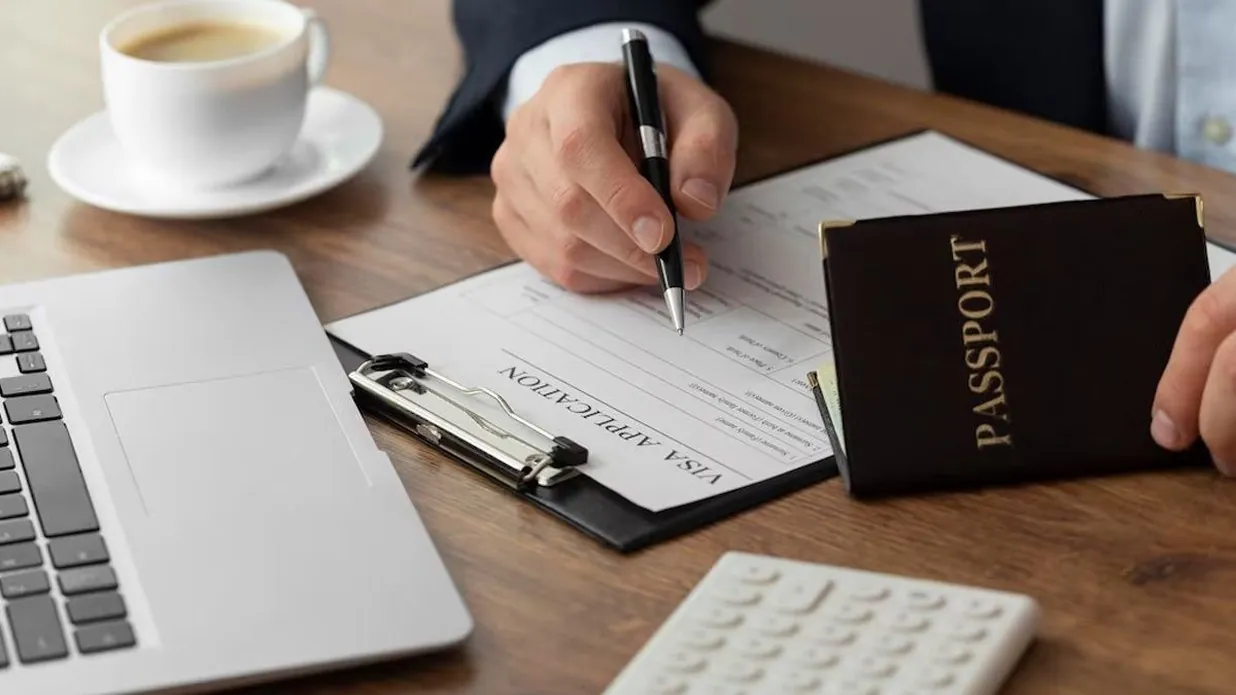
The Vietnam e-visa is filed only through the official portal at evisa.gov.vn, costs roughly $25 for single-entry or $50 for multiple-entry, and takes about 3 working days to process. If you’d rather skip the form entirely, there’s a way to have someone else handle it - but let’s go through where the form itself actually trips people up first.
I’ve filed this exact form well over 150 times by now, both for myself and for people I help with visa runs. The form has ten-odd sections, but almost every rejection or confusion I’ve seen traces back to the same three or four fields.
What’s the single biggest mistake on the form?
It’s the “Grant e-Visa valid from” field. People assume it’s their arrival date or the date they’re filing, but it’s actually the day your validity window starts - you can’t enter Vietnam before it, though entering later is fine. Whatever days sit between that start date and your real arrival just get burned off your 90-day allowance.
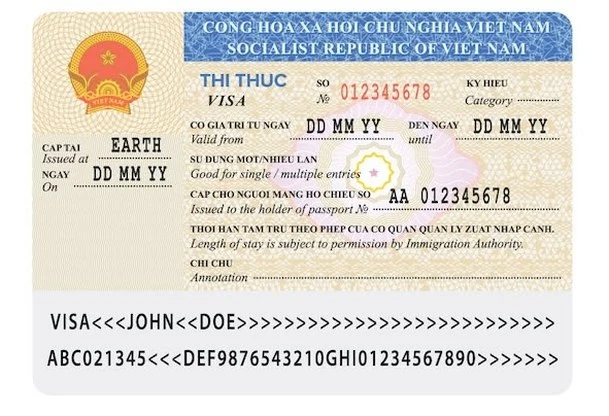
If your flight lands close to midnight, pick a start date one day earlier, in case the plane arrives ahead of schedule. Once you set it, the full 90-day maximum counts from that date, not from your actual entry.
Why does my card keep getting declined on evisa.gov.vn?
This is where I usually get involved. The portal accepts foreign Visa and Mastercard, but plenty of cards - including most Russian-issued ones - get declined at checkout for no obvious reason, and retrying several times just burns time without fixing anything. I pay the government fee with a card the portal actually accepts and file the whole application the same day. All it takes from your side is your passport details and travel dates — the full scope of that, timings included, is on our Vietnam e-visa 90 days page.
What photo actually gets accepted?
A straight-on, front-facing shot on a white background, no glasses or headwear, saved as a JPEG under 2MB. A phone photo works fine as long as it’s well-lit and sharp. If the file is too large, resizing it in Paint on Windows or Preview on Mac down to roughly 4x6cm usually gets it under the limit.
Passports need at least 6 months of validity counted from your entry date into Vietnam, not from the day you submit the form. I’ve seen applications rejected because someone checked their passport expiry against today’s date instead of their arrival date.
Single-entry or multiple-entry - which do you need?
Single-entry covers exactly one trip in and one trip out. If you’re planning a visa run through Laos or Cambodia and coming back into Vietnam afterward, single-entry won’t let you back in - you need multiple-entry chosen from the start, since there’s no upgrading it once the visa is issued.
Most short holidays never touch a land border, so single-entry is the default choice. The moment your itinerary includes crossing out and back - say, a visa run from Da Nang - this field decides whether your return actually works.
Step-by-step: filing the form without the guesswork
- Prepare a compliant photo and confirm your passport covers 6+ months past your entry date.
- Open evisa.gov.vn and enter your details exactly as printed in your passport.
- Set your “valid from” date with care - a day earlier if you’re landing close to midnight.
- Decide single-entry or multiple-entry based on whether a land border is part of your trip.
- Add your hotel address, pay the fee, and submit - approval usually lands within 3 working days.
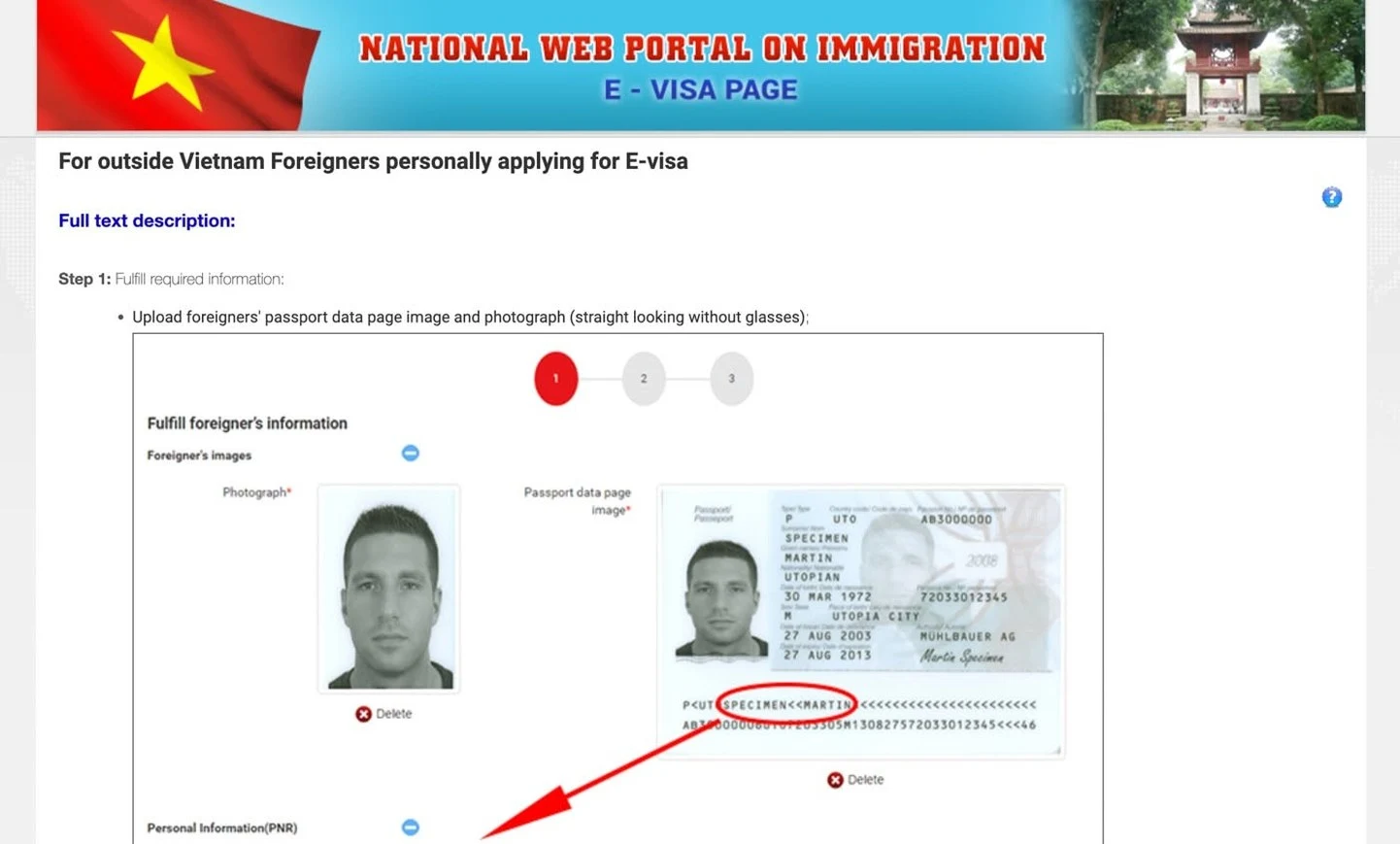
The rest of the form - home address, occupation, insurance, intended expenses - rarely trips anyone up as long as you’re not rushing through it. Cross-check dates against your actual tickets and you’re fine. The one field people skip past too quickly is whether you’ve visited Vietnam recently or have relatives already living there - answer honestly, since the portal cross-checks this against border records rather than just taking your word for it. If your application already came back denied, that’s a different problem - I’ve broken down the most common rejection reasons separately.
If the payment fails or the whole thing just feels like more hassle than it’s worth, that’s genuinely the part I spend most of my week on. Message me on Telegram - send me your passport details and travel dates, and I’ll get the application filed correctly the first time.