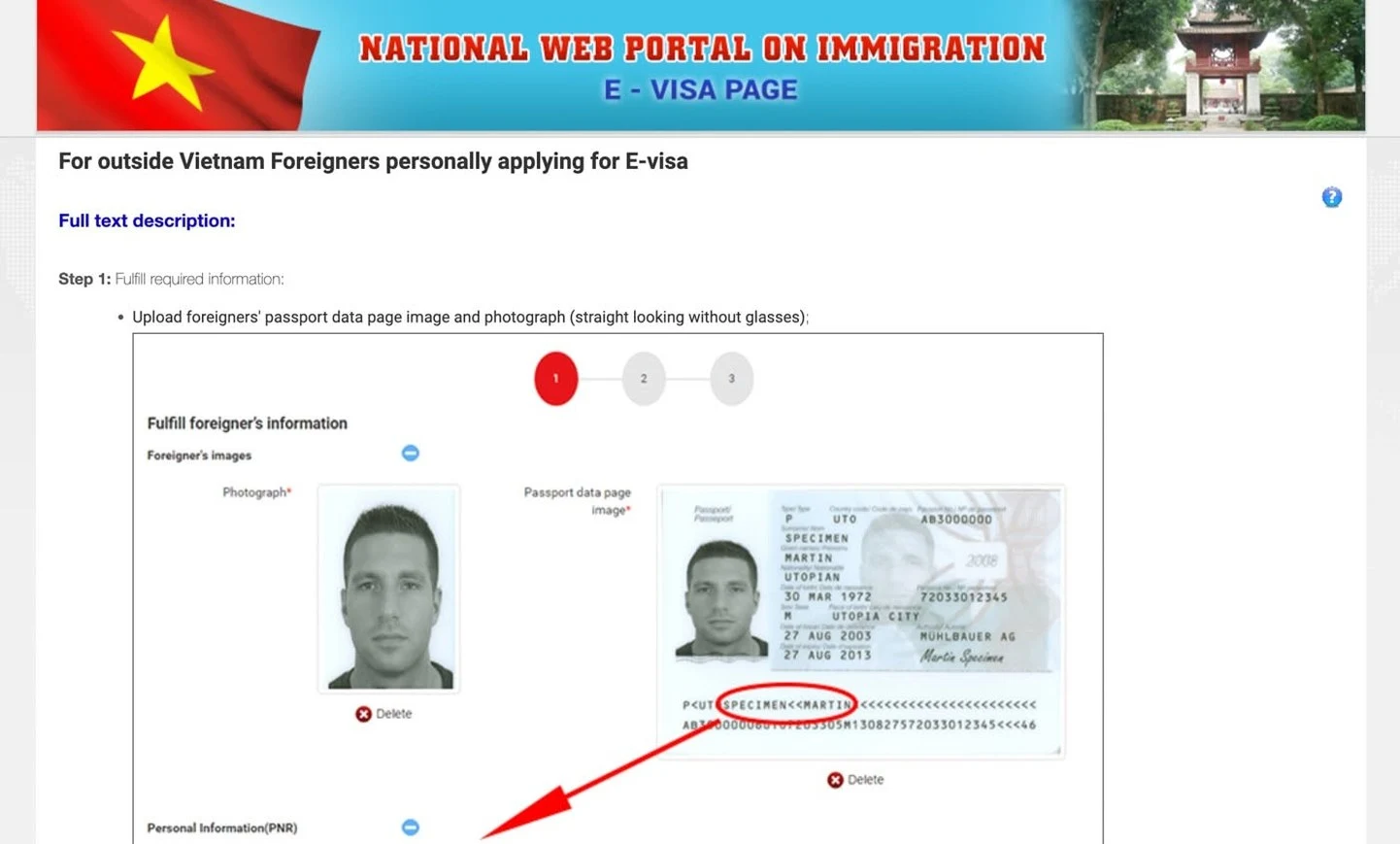
Every guide to Vietnam quotes the same number: $25 for a single-entry e‑visa, $50 for multiple entry. Technically true, and technically useless if your flight leaves in two days and the government portal just rejected your photo for the third time with no explanation. The $25 is the floor, not the price most travelers end up paying.
The $25 Fee Is the Government’s Cut, Not the Full Bill
The official government portal works most of the time, but “most” isn’t “always.” Photo rejections without a clear reason, payment pages that time out, status emails that never arrive - these aren’t rare edge cases, they’re common enough that entire Facebook groups exist just to compare notes on which browser worked that week. If you have two weeks of buffer, that’s an inconvenience. If you’re flying in five days, it’s a real risk. For a done-for-you version, see our Vietnam e-visa 90 days page.
Rules around which entry points accept the e‑visa have also shifted more than once recently - worth a quick check of the latest e‑visa policy changes before you apply, so you’re not filling out a form for a border crossing that no longer qualifies. Once you add a processing service on top of the fee, the price splits into tiers based on how fast you need the result, not how much paperwork is involved - the paperwork is identical either way. Need it in three hours the same day? Expect around $120. A next-business-day turnaround runs closer to $110, two business days lands near $100, and if you can wait out a full week, agencies typically quote something like $55. The government’s own $25-50 fee sits inside every one of those figures already - it isn’t stacked on top separately.
What the Speed Tiers Are Actually Buying You
Nobody is paying for a faster government stamp - the government’s own processing time doesn’t change. What you’re paying for is a human being tracking your application, catching a document error before it becomes a rejection, and being reachable if the portal glitches. That’s a real service when your visa status shows nothing for four days and your flight is Thursday.

If your trip is more than ten days out, there’s no reason to pay for speed you don’t need - the $55 tier does the same job as the $120 tier, just slower. The math flips the moment your buffer shrinks: a $65-70 gap between tiers is nothing compared to rebooking a flight or losing a night’s accommodation because your visa still shows “processing.”
Single vs Multiple Entry: Where the Real Price Gap Comes From
The jump from single-entry to multiple-entry e‑visa is a $25 government fee difference ($25 vs $50), and that gap should carry through to whatever processing tier you pick - a legitimate agency doesn’t stack extra margin on top of the multiple-entry surcharge, because the paperwork side of the request is the same. If a service quotes you a multi-entry price that’s $40-50 above their single-entry price at the same speed, that’s worth asking about directly. It usually means either extra padding or a genuine add-on you should know about before paying.

Fitting This Into Your First-Month Budget
For anyone building out a monthly budget in Vietnam - and most first-timers land somewhere between $700 and $1,200 a month for a comfortable setup in Da Nang or Hoi An - the visa line item is small but easy to get wrong twice: once by overpaying for speed you didn’t need, and again by underpaying for speed you did. Treat it the same way you’d treat travel insurance: budget for the version that matches your actual timeline, not the cheapest headline number.
A rough way to decide: if your departure is 10+ days out, take the slow tier and save the $50-65. If it’s under 3 days, pay for same-day and stop comparing prices - a $120 visa is still cheaper than a missed connection or an extra night stranded waiting on a status update.
Ask One Question Before You Pay Anyone
Whichever service you use, ask for a written confirmation with an application reference number right after payment - not “we’ll handle it,” an actual number you can quote if something stalls. Legitimate services provide this within minutes. If you get silence or a template response instead, that’s the signal to look elsewhere before, not after, you’ve paid.
If you’d rather skip the comparison shopping entirely, message me directly on Telegram with your travel dates - I’ll tell you which tier actually makes sense for your timeline before you pay for speed you don’t need. For visa runs and everything else about staying legal in Central Vietnam, the full breakdown lives on danangvisarun.com.