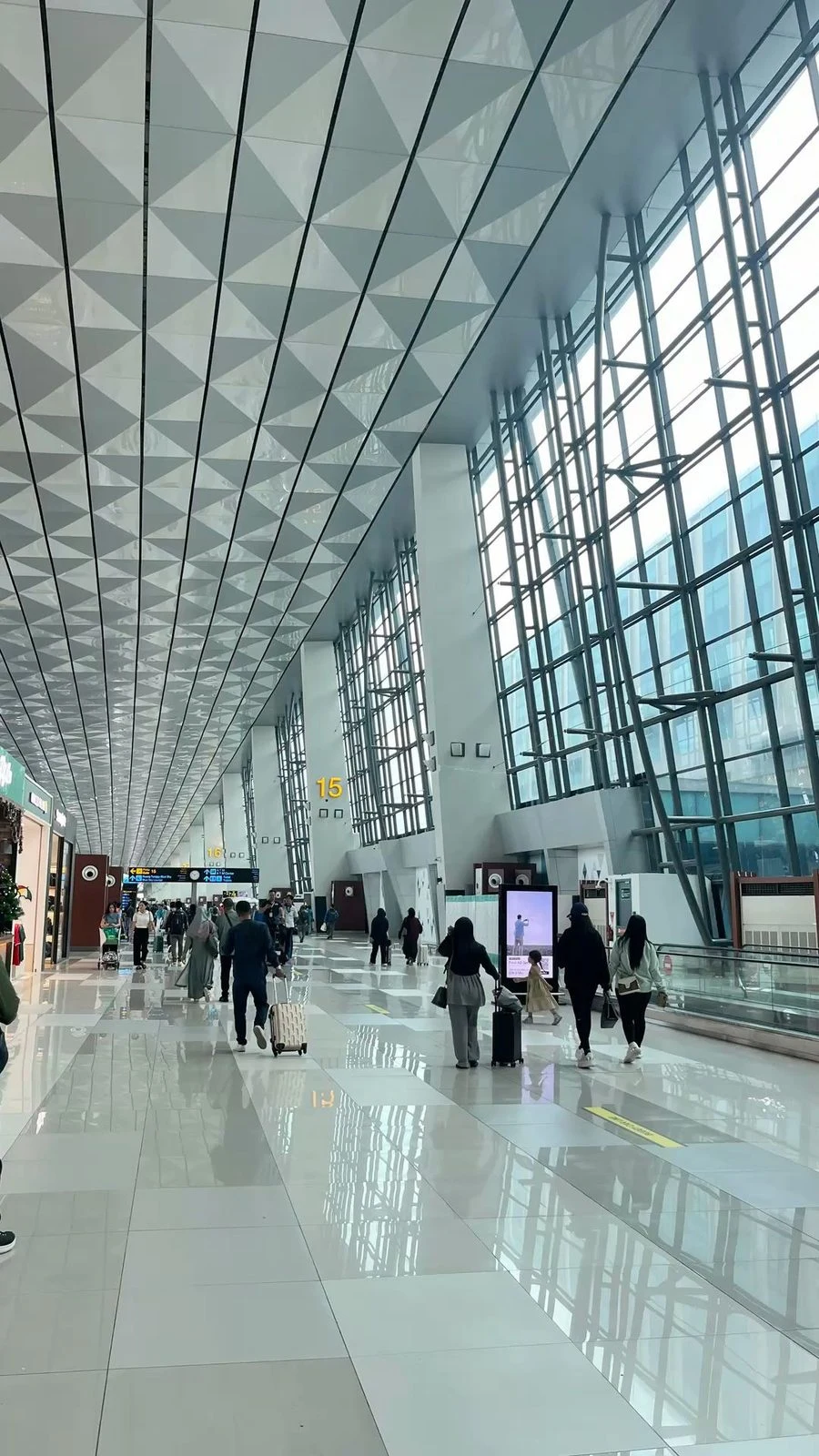
Since December 2025, Vietnam e-visa is accepted at 83 international checkpoints — up from 42. That’s 17 airports, 27 land border gates, and 39 seaports. Resolution 389/NQ-CP added 41 new entry points, most of them land borders and smaller sea ports. If you’re planning an overland Southeast Asia trip or a visa run from Da Nang, here’s what actually changed and which crossing to use.
How many Vietnam e-visa entry points are there in 2026?

Eighty-three international entry points accept Vietnam e-visa as of December 2025. The previous list had 42. The expansion added new regional airports, several land borders with Laos and Cambodia, and dozens of smaller seaports along the coastline.
Which airports accept Vietnam e-visa?
All 17 international airports are on the e-visa list. You can fly into any of them and present your e-visa approval letter.
Major hubs:
- Noi Bai International (Hanoi, HAN)
- Tan Son Nhat International (Ho Chi Minh City, SGN)
- Da Nang International (DAD)
- Cat Bi International (Haiphong, HPH)
- Van Don International (Ha Long Bay, VDO)
Resort and regional airports:
- Cam Ranh (Nha Trang area, CXR)
- Phu Quoc (PQC)
- Phu Bai (Hue, HUI)
- Can Tho (VCA)
- Lien Khuong (Dalat, DLI)
- Phu Cat (Quy Nhon, UIH)
- Dong Hoi (Quang Binh, VDH)
- Tho Xuan (Thanh Hoa, THD)
New since December 2025:
- Vinh International (Nghe An)
- Chu Lai (Quang Nam)
Two airports — Long Thanh (Dong Nai) and Gia Binh (Bac Ninh) — are listed but still under construction in 2026.
Land borders that accept e-visa: Laos, Cambodia and China
This is what most people actually need — particularly if you’re doing a visa run from Da Nang or crossing overland.

Laos border gates (8 points):
| Gate | Province | Notes |
|---|---|---|
| Lao Bao | Quang Tri | Most popular for Da Nang/Hue visa runs, ~3h from Da Nang |
| Cau Treo | Ha Tinh | Central Vietnam alternative |
| Nam Can | Nghe An | North-central route |
| Na Meo | Thanh Hoa | Rarely used but e-visa valid |
| Tay Trang | Dien Bien | Far northwest |
| Bo Y | Kon Tum | Central Highlands |
| La Lay | Quang Tri | Near Lao Bao, quieter |
| Nam Giang | Quang Nam | New Dec 2025, close to Da Nang, but the access road QL14D is unpaved and truck-heavy |
Cambodia border gates (15 points):
| Gate | Province | Notes |
|---|---|---|
| Moc Bai | Tay Ninh | Main Ho Chi Minh City visa run gate |
| Ha Tien (Xa Xia) | Kien Giang | Convenient from Phu Quoc |
| Tinh Bien | An Giang | Mekong Delta route |
| Vinh Xuong | An Giang | Ferry crossing option |
| Xa Mat | Tay Ninh | Secondary HCMC option |
| Binh Hiep | Tay Ninh | New Dec 2025 |
| Tan Nam | Tay Ninh | New Dec 2025 |
| Le Thanh | Gia Lai | New Dec 2025, Central Highlands |
| Thuong Phuoc | Dong Thap | Mekong river crossing |
| Dinh Ba | Dong Thap | Mekong Delta |
| Plus 5 smaller Mekong Delta gates |
China border gates (6 points): Huu Nghi (Lang Son) · Dong Dang (Lang Son) · Mong Cai (Quang Ninh) · Lao Cai · Tra Linh (Cao Bang) · Thanh Thuy (Ha Giang)
If you’re doing the visa run to Lao Bao and wondering about typical costs, the full breakdown is in our Lao Bao vs Cau Treo vs Nam Can guide.
I run this route regularly with clients from Da Nang. The common worry is picking the wrong entry port on the e-visa form — what if your bus crosses at Lao Bao but you accidentally typed something else? In practice, I verify the crossing and fill the form correctly as part of the service. All I need from your side is the passport photo page and your intended travel dates.
Does the entry point you select on the e-visa form matter?
When you apply on evisa.gov.vn, you enter an intended entry point. Here’s what this actually means:
The field is not a hard lock. Once your e-visa is approved, you can enter through any of the 83 authorized checkpoints — not just the one you listed. If your flight gets rerouted from Da Nang to Hanoi, your e-visa still works.
That said, enter accurately what you actually plan to do. Immigration officers may check, and while there are no reported refusals for a different-but-valid port, matching your paperwork to your route avoids any unnecessary questions. If you’d rather not handle this yourself, our Vietnam e-visa 90 days page shows the timings and what’s included.
Sea ports: 39 options for cruise and boat arrivals
If you arrive by cruise ship or private yacht, Vietnam’s coastline now has 39 authorized sea entry points. The main ones travelers use:
- Da Nang Port — central Vietnam cruise hub
- Ho Chi Minh City (Hiep Phuoc) — southern entry
- Haiphong (Hon Gai, Cam Pha ports) — northern routes
- Nha Trang Port — popular cruise stop
- Vung Tau Port — HCMC area alternative
- Quy Nhon Port — central coast
- Chan May Port (Hue) — for ships visiting the Imperial City
- An Thoi Port (Phu Quoc) — island entry for small craft
New additions in December 2025 include ports in Ha Tinh, Quang Binh, Quang Tri, Ninh Thuan, Binh Thuan provinces, and several Mekong Delta river ports.
Which entry point is actually best for your trip?
Flying in? Pick the airport closest to your destination. All 17 accept e-visa.
Visa run from Da Nang or Hue? Lao Bao is the standard choice, and for an e-visa it is the only one we recommend. Nam Giang is closer on the map, but the road to it is broken and full of freight, and the post itself handles almost no foreign tourists — see what the Nam Giang route is really like before you plan a day around it.
Visa run from Ho Chi Minh City? Moc Bai or Xa Mat — both are roughly 2 hours by bus.
From Phu Quoc? Ha Tien is a short trip, and you get a day in Cambodia on the side.
Cruise ship? Check your ship’s port of call — it’s almost certainly on the list.
If you’re not sure which port to pick, or want someone to handle the e-visa form and $25 government fee with a card the portal actually accepts — message me on Telegram. I’ll confirm your crossing and get the e-visa sorted the same day.