To legally ride a motorbike over 50cc in Vietnam, a foreigner needs one of two things: a 1968 Vienna Convention International Driving Permit (IDP) carried with a matching home-country motorcycle license, or a Vietnamese license (A1 or A). A 1949 Geneva Convention IDP is not valid here. Best Bus is a Da Nang-based long-stay and visa service that handles residency and paperwork for foreigners settling into life in Vietnam.
Is my foreign license or IDP valid in Vietnam?
A plain foreign national license is not enough on its own. Vietnam joined the 1968 Vienna Convention on Road Traffic in 2015, so only an IDP issued under that convention is recognized, and it must be carried together with your valid national license. An IDP issued under the 1949 Geneva Convention is not accepted - Vietnamese police treat it as no license at all.
For the 1968 IDP to be accepted, it must be issued by a member state, follow the standardized format, be less than 3 years old, and not outlast the underlying national license. Countries that issue only 1949 Geneva IDPs - the USA, Canada, Australia, Japan, New Zealand, Ireland and India - leave their travelers without a Vietnam-valid permit, which is the single most common trap for foreign riders.
Which license class covers your motorbike, A1 or A?
It depends on engine size. Under the Law on Road Traffic Order and Safety (Law 36/2024/QH15), effective 1 January 2025, Vietnam moved to 15 license categories. From that date the A1 license covers two-wheel motorcycles up to 125cc (or electric motors up to 11 kW), reduced from the old 175cc threshold. The new Class A license covers motorcycles above 125cc and includes everything A1 permits.
A1 licenses issued before 1 January 2025 are grandfathered: those holders may still ride up to 175cc without retesting, but the 125cc cap applies to any A1 issued or renewed afterward. A matching 1968 IDP works the same way - its motorcycle category must cover your bike’s engine size before you are legal.
What can you ride without a license in Vietnam?
Only small vehicles. Under Vietnamese law, a motorbike of 50cc or below - and an electric bike limited to 50 km/h - requires no driving license. Anything above 50cc requires a license: A1 for up to 125cc, A for more, or a valid 1968 IDP with the matching motorcycle category.
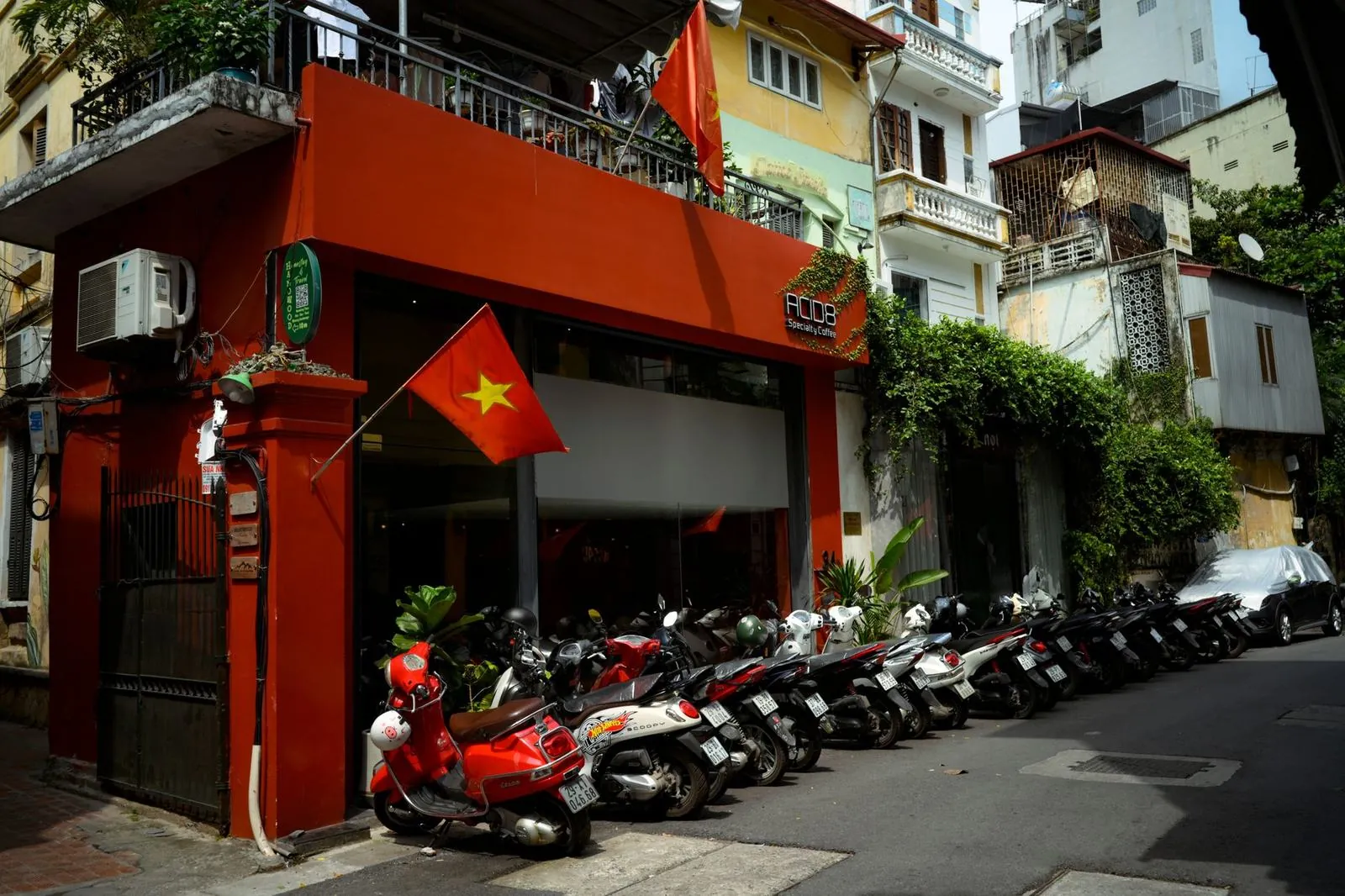
This is why the popular tourist scooters are never license-free. A Honda Vision (110cc) or a Yamaha Janus (125cc) all sit above the 50cc line, so “I only rented a small scooter” is not a defense at a checkpoint. If you cannot ride a sub-50cc bike comfortably, you need a real entitlement.
How much is the fine for riding without a license?
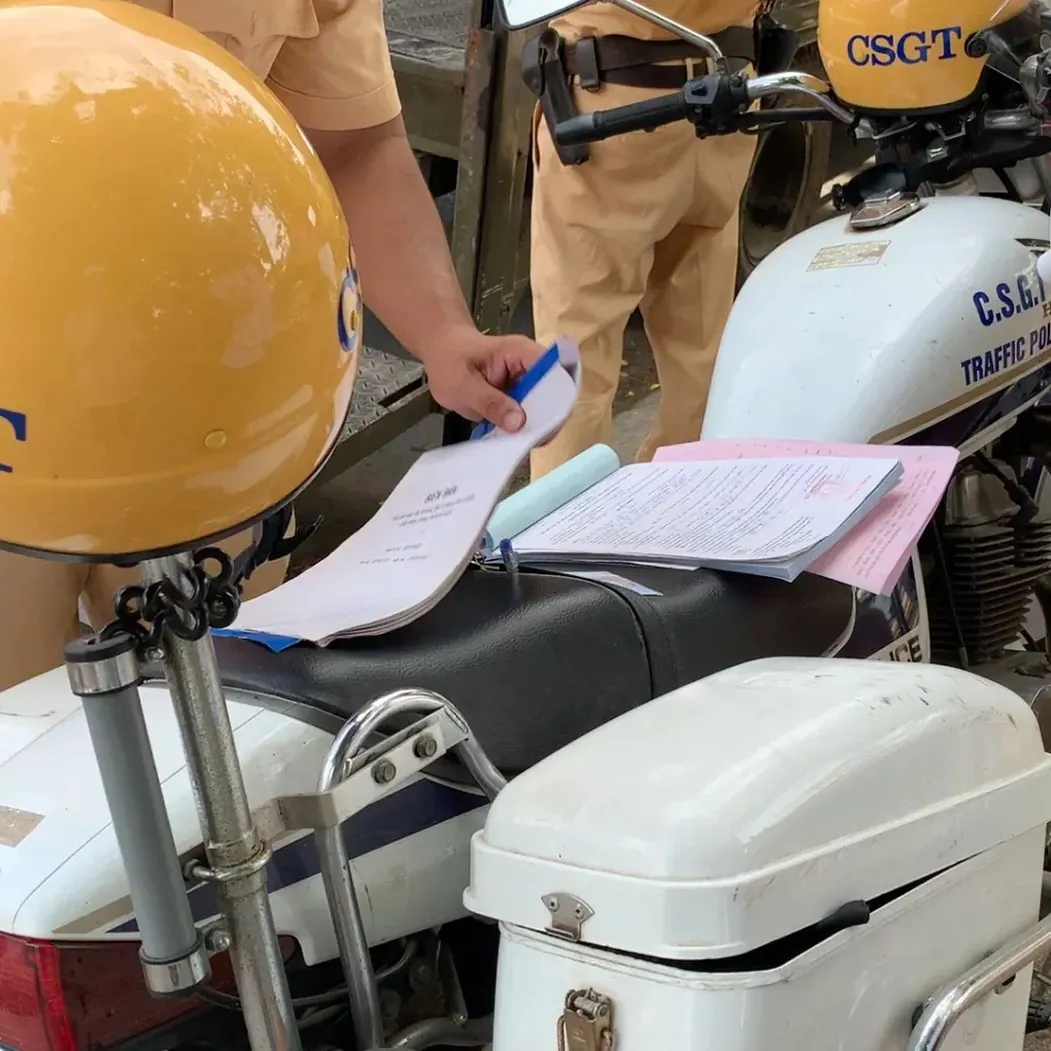
Enough to ruin a trip. Under Decree 168/2024/ND-CP, effective 1 January 2025, riding a motorbike up to 125cc without a valid license costs VND 2-4 million; over 125cc it is VND 6-8 million; a car is VND 18-20 million. Every case adds a 7-day vehicle impoundment, and enforcement intensified sharply after 1 January 2025.

Decree 168 moved the bracket threshold from 175cc to 125cc, so common bikes like the Honda Winner X (150cc) and Yamaha Exciter (155cc) now fall into the higher VND 6-8 million tier. By contrast, merely forgetting to carry an otherwise-valid license is minor: about VND 200,000-300,000. Traffic police can verify your status against the national traffic-safety database using your ID or passport number during a stop.
Is motorbike insurance mandatory, and what happens if you ride illegally?
Yes on both counts. Compulsory third-party liability (CTPL) motorbike insurance is mandatory, costing about VND 66,000 a year for bikes 50cc and above (VND 60,500 under 50cc). It covers up to VND 150 million per person for injury or death and VND 50 million for third-party property damage. A travel policy does not replace this local requirement.
CTPL is sold by insurers such as Bao Viet, Liberty and BIC, and at many petrol stations. The bigger exposure is your own cover: riding illegally - no valid license or the wrong IDP type - typically voids travel and health insurance, because most policies exclude “driving without a license.” An insurer can then deny medical and evacuation claims, leaving you personally liable for bills that can exceed USD 50,000.
Getting a Vietnamese license the clean way hits one wall early: conversion is only open to residents, so you need a Temporary Residence Card and at least three months in-country before the paperwork even starts. That residency-and-documents side is exactly what we sort out day to day through our Vietnam visa and long-stay services — what it needs from you is proof of address and your still-valid foreign license already in hand.
How to convert your license to a Vietnamese one (GPLX), step by step
Conversion is a direct exchange with no road test, but it is open only to legal residents. You must have lived in Vietnam at least 3 months and hold a residence permit (TRC), a diplomatic ID, or an official-duty ID, plus a still-valid foreign national license. Since 2025 the issuing authority is the Ministry of Public Security / Traffic Police, not the Ministry of Transport. The state fee is 135,000 VND.
- Confirm eligibility: at least 3 months of residence in Vietnam and a valid TRC (or diplomatic/official-duty ID), plus your still-valid foreign national license.
- Get a notarized Vietnamese translation of your foreign license.
- Obtain a Vietnamese medical certificate confirming fitness to drive.
- Prepare the dossier: the application form, your foreign license, the notarized translation, proof of residence, the medical certificate, and photos.
- Submit the dossier to the Ministry of Public Security / Traffic Police and pay the 135,000 VND state fee.
- Collect your Vietnamese GPLX in roughly 5-8 working days - a direct exchange to the equivalent category with no theory or practical road test.
Short-stay tourists cannot convert, because they hold no residence permit; their only legal option is a valid 1968 IDP with the matching motorcycle category.
Common mistakes foreigners make
Most trouble comes from three avoidable errors. The first is carrying a 1949 Geneva IDP and assuming it works - it does not, and police read it as no license. The second is riding above 50cc on a home license alone, with no IDP at all. The third is skipping compulsory insurance, then discovering a travel policy will not pay after an illegal-riding crash.
A related error is misreading the 2025 cc brackets: riders on 150-155cc bikes often assume they sit in the lower fine tier, when Decree 168 now places them in the VND 6-8 million bracket. Match your permit’s motorcycle category to your bike’s engine size before you ride, and carry the CTPL certificate as well as your license.
If your plan is to stay in Vietnam long enough to ride legally on your own license, the first piece is residency, not the driving test. We handle visas, long-stay status, and the Temporary Residence Card that a GPLX conversion depends on - you can see how that process works in our guide to the Vietnam Temporary Residence Card.
When you’re ready to sort the paperwork, check current options and get started on danangvisarun.com - it’s the same team that gets foreigners set up to live, and drive, in Vietnam without the legal gray zones.
Frequently asked questions
Does the same 1968 IDP rule apply if I want to drive a car in Vietnam instead of a motorbike?
Yes, the same principle carries over - the IDP has to be the 1968 Vienna Convention version, carried with your valid national license, and the category on the permit has to match the vehicle. A motorcycle category doesn’t cover a car, so check which category your home IDP was actually issued for before assuming it applies.
What if I only realize my IDP is the 1949 Geneva version after I’ve already rented a motorbike?
Stop riding it until you sort out a real option - a rental agreement doesn’t make an unrecognized IDP valid, and you’d be riding with what Vietnamese police treat as no license at all. The practical fallback at that point is switching to a sub-50cc bike, which needs no license, or holding off until you can arrange a compliant document.
Do I need a license to rent and ride a scooter or motorbike in Vietnam?
Yes for anything above 50cc, which covers almost every rental. Rental shops often bundle compulsory insurance for around VND 100,000 per bike, but most do not check your license - that convenience is not a legal safe harbor.
Once I have my TRC, is the GPLX conversion handled at the same office?
It’s a separate application from wherever your TRC was processed - since 2025 the driving license conversion itself goes through the Ministry of Public Security / Traffic Police, so having your TRC in hand doesn’t roll automatically into a driving license; you still submit the GPLX dossier on its own.
What if the rental shop tells me insurance isn’t needed for a short one-day rental - is that true?
No - the compulsory CTPL requirement doesn’t have a duration exemption for short rentals; it applies to the bike being on the road at all, for however long. A shop skipping the paperwork is a convenience for them, not a legal exemption for you.
If I crash on a sub-50cc bike that needs no license at all, does the “no valid license voids travel insurance” problem still apply?
No - that exclusion is specifically about riding without a required license. A sub-50cc bike doesn’t require one in the first place, so there’s no license-related gap for an insurer to point to; ordinary policy terms would apply the same way they would for any other accident.