
Vietnam has six real routes to a long-term stay in 2026: the 90-day e-visa with border runs, a work permit paired with a Temporary Residence Card (TRC), a DT investor visa, a TT marriage visa, the 5-Year Visa Exemption for overseas Vietnamese, and - the honest gap in the list - no dedicated digital nomad visa at all. Most remote workers end up cycling e-visas simply because it’s the one path that doesn’t require a Vietnamese employer, spouse, or registered company.
I’ve lived in central Vietnam for years running visa runs and e-visa paperwork for other expats, so this is what I actually see people go through at the border and the immigration office, not theory. I’ll flag where I help directly and where you need a different specialist - a lawyer for work permits, an immigration consultant for investor visas. If you’re still weighing tourist vs. work vs. marriage-based options for your specific situation, this decision guide breaks it down case by case.
Comparing Vietnam’s Legal Long-Term Stay Options
| Path | Who it’s for | Price | Duration | Difficulty |
|---|---|---|---|---|
| E-visa + visa run | Remote workers, freelancers, no local job | $25 single-entry / $50 multiple-entry per e-visa | 90 days per entry, repeatable | Low - but scrutiny rises after ~12 months of back-to-back runs |
| Work permit + TRC | Foreigners with a signed labor contract in Vietnam | TRC fee $145 (up to 2 yrs) / $155 (2-5 yrs) / $165 (5-10 yrs) | TRC up to 2 years on work category | Medium-high - degree, experience, legalized documents |
| DT investor visa | Shareholders/investors in a Vietnamese company | DT4 from ~$120,000 capital; DT1-DT3 tiers run into billions of VND | TRC 12 months (DT4) up to 5 years (DT2) | High - requires an actual registered company and capital proof |
| TT marriage visa | Foreign spouse of a Vietnamese citizen | Stamping fee commonly cited around $135 | TT visa file ~5 working days; TRC up to 3 years | Medium - legalized marriage certificate required |
| 5-Year Visa Exemption | Viet Kieu (overseas Vietnamese) and their foreign spouses/children | Government fee at the issuing mission | 5 years multi-entry, 180 days per stay, +6-month in-country extension | Low for eligible applicants, but you must prove Vietnamese origin |
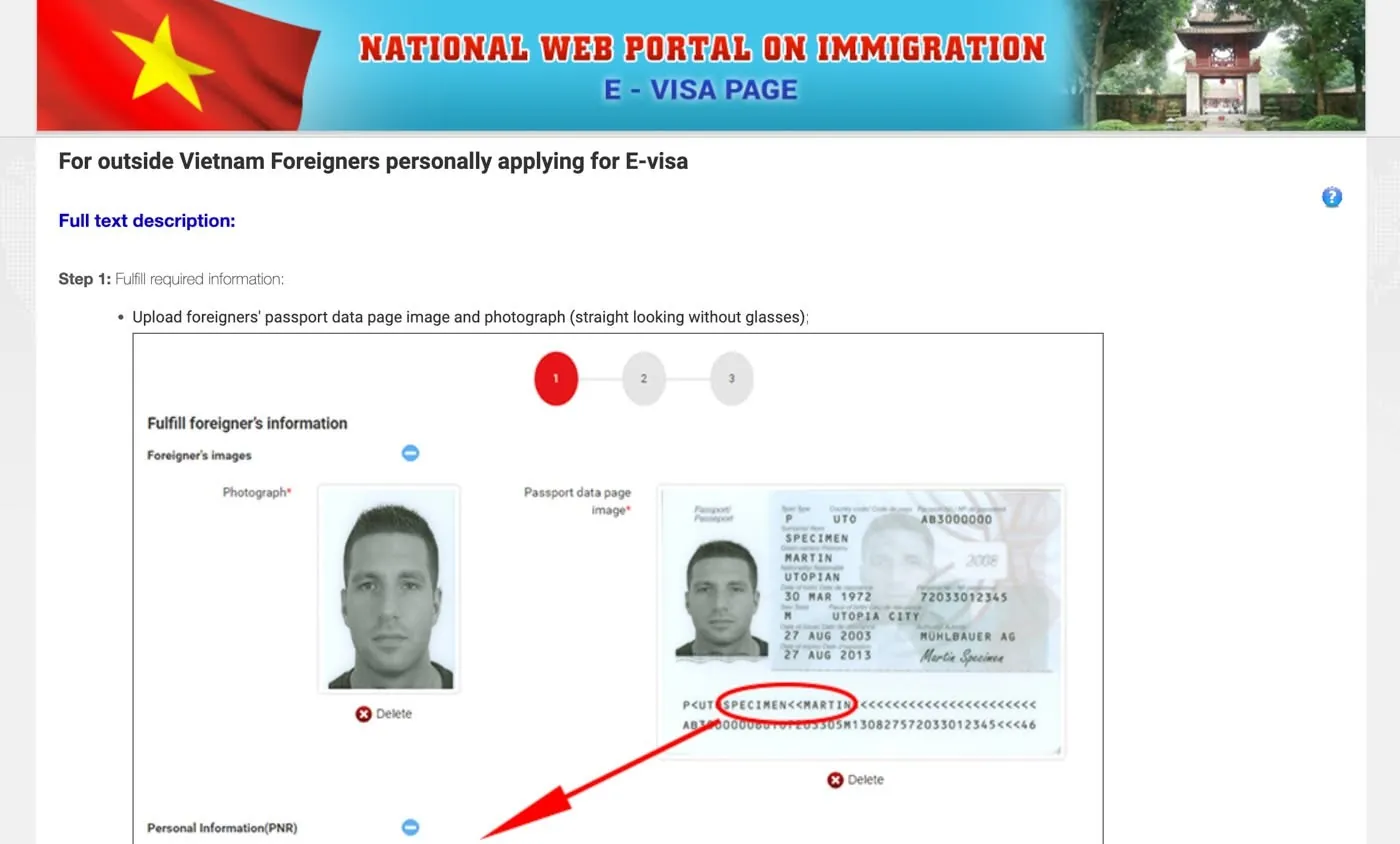
Work Permit + TRC: How Do You Get Vietnamese Residency Through a Job?
A work permit tied to a signed Vietnamese labor contract is the standard path to a TRC, Vietnam’s closest equivalent to a residence card. You generally need a relevant university degree plus at least 3 years of matching work experience - or, under Decree 219 from August 2025, an “expert” track needing only 2 years if the role qualifies.

Once your work permit is valid for at least 12 months, you can apply for a TRC on the LD (labor) category, valid up to 2 years. The government fee runs $145 up to 2 years, $155 for 2-5 years, and $165 for 5-10 years, plus $10 per renewal, with processing around 5 working days once the file is complete. You’ll also need a legalized criminal record certificate less than 6 months old and a passport with at least 13 months of remaining validity - offices reject applications that miss either cutoff. A TRC lets you enter and exit Vietnam visa-free for its whole validity and makes opening a local bank account far simpler - chasing down those documents is the part our Vietnam visa and long-stay services take off a client’s plate.
DT Investor Visa: What’s the Minimum Investment to Get Residency in Vietnam?
The DT visa is tiered strictly by how much capital you put into a Vietnamese company, not by income or savings. DT4, the entry tier, starts around 3 billion VND (roughly $120,000) and carries a TRC valid for 12 months. DT3 covers 3-50 billion VND with a TRC up to 3 years, DT2 covers 50-100 billion VND with a TRC up to 5 years, and DT1 is reserved for contributions of 100 billion VND or more.

This route only works with an actual registered company and real capital behind it - agencies selling a “shortcut” DT visa without a functioning business are usually running the same scheme that gets people deported. A Vietnamese corporate lawyer handles the company registration and DT filing; it’s outside what a visa-run service like mine covers.
TT Marriage Visa: Can You Get Residency by Marrying a Vietnamese Citizen?
Yes - a foreign spouse of a Vietnamese citizen can apply for a TT visa with a legalized marriage certificate, and the sponsorship file typically clears in about 5 working days. The visa stamping fee is commonly cited around $135, and once issued, the TT-category TRC can run up to 3 years before renewal.
Beyond the marriage certificate, you’ll need a completed CT07 residence confirmation form, your spouse’s ID, and passport photos. This path goes through your local immigration department directly with your spouse as sponsor, not through anything I handle.
5-Year Visa Exemption: The Fastest Path for Overseas Vietnamese
If you’re Viet Kieu - a foreign passport holder who can prove Vietnamese origin, typically with a birth certificate - or the foreign spouse or child of a Vietnamese citizen or Viet Kieu, you can apply for the 5-Year Visa Exemption. It grants visa-free entry and exit for 5 years, with a continuous stay of up to 180 days per entry, and you can extend that by up to 6 months in-country without ever leaving.

You apply at a Vietnamese diplomatic mission abroad before you travel, or at the Immigration Department once you’re already in-country. It’s the least bureaucratic option on this list for anyone who qualifies - no employer, no company, no marriage required, just proof of origin.
The 90-Day E-Visa and Visa Run: The Default Path for Most Nomads
The e-visa is Vietnam’s standard tourist and short-stay entry visa: $25 single-entry, $50 multiple-entry, valid up to 90 days, purchased only through evisa.gov.vn or evisa.xuatnhapcanh.gov.vn. Processing takes 3-5 working days with no official expedite option, and the fee isn’t refunded if you’re rejected. It’s an entry visa, not an employment permit - it doesn’t authorize paid work.
Most digital nomads exit at the 90-day mark, cross a land border, and re-enter on a fresh e-visa the same day. Each e-visa is legal on its own, and there’s no published official cap on repeating this. But officers do apply discretionary scrutiny to continuous back-to-back cycles past roughly 12 months, since it can look like an attempt to simulate residency without declaring it. This is where I usually get involved: I pay the e-visa government fee with a card that evisa.gov.vn actually accepts - it rejects most Russian and many other foreign cards outright - confirm the correct border checkpoint, and get the whole run done in a single day instead of the week it takes figuring out the portal and the crossing yourself. If you’d rather hand off the fee and paperwork, message me on Telegram.
Watch out for scam sites mimicking the official portal - they charge $50-100 for what should be a $25 e-visa. If a site isn’t evisa.gov.vn, don’t enter your card details. If you’d rather extend in-country instead of doing a border run, see how e-visa extension without leaving actually works.
Why Doesn’t Vietnam Have a Digital Nomad Visa Like Thailand or Malaysia?
Vietnam has no official digital nomad or remote-work visa as of 2026, unlike Thailand’s DTV, Malaysia’s De Rantau, or Indonesia’s remote-worker visa. A “Golden Visa” concept has been floated but remains at the proposal stage, with no launch date and no application portal, and unlike Thailand’s DTV there’s no signal of a fee structure or income-proof requirement being drafted yet either.
That leaves remote workers relying on the e-visa cycle or one of the residency paths above through a job, investment, or marriage. Working remotely for a foreign employer while physically in Vietnam on a tourist e-visa is a legal gray zone: tolerated in practice, not written into law as permitted. Working for a Vietnamese company or taking local paid work on the wrong visa type is unambiguously illegal, with real penalties covered below.
How to Choose the Right Path for Your Situation
- Freelancing remotely, no local ties: the e-visa cycle is your only realistic option until Vietnam creates an actual nomad visa.
- Signed job offer from a Vietnamese company: the work permit + TRC route is the most stable status short of marriage or origin-based exemption.
- Genuinely investing capital and registering a company: DT visa tiers scale with investment size, starting near $120,000 at DT4.
- Marrying or married to a Vietnamese citizen: the TT visa and TRC are faster and cheaper than the work or investor routes.
- Vietnamese origin, or married to someone who is: check the 5-Year Visa Exemption first - the least paperwork-heavy option here.
Whichever path fits, keep your passport validity well ahead of any TRC requirement - most categories need 12-13 months remaining, and a mid-process renewal can stall a TRC application by weeks.
Best Bus is where I handle the e-visa and visa-run side - the government fee, the correct checkpoint, same-day turnaround if your card doesn’t work on the portal. For a work permit, DT visa, or TT visa, you’ll want a local lawyer or immigration consultant instead, and I’ll point you toward one if you ask. For the visa-run side, book directly on danangvisarun.com, send your dates on Telegram. I’ll tell you honestly whether a visa run is even the right move before you pay for anything.
Frequently asked questions
Does Vietnam have a digital nomad visa in 2026? No - and unlike Thailand or Malaysia, Vietnam doesn’t need to build one from scratch to catch up: the TRC system already covers work, investment, and marriage routes to residency, so any future nomad visa would likely slot into that same card rather than create a separate track.
How many visa runs can I do before it becomes a problem? There’s no published numeric cap. What actually happens on a flagged run is denial of entry, a request for proof of your purpose in Vietnam, or referral to an immigration review - not an automatic ban, but a real delay at the checkpoint you didn’t plan for.
What happens if I overstay my visa in Vietnam? Under Decree 59/2026/ND-CP, effective April 1, 2026, overstay violations can carry fines up to 40 million VND plus a blacklist entry ban of 1-10 years, depending on severity and history.
Is it legal to work remotely for a foreign company while living in Vietnam? It’s a gray zone rather than clearly legal or illegal - tolerated in practice on a tourist e-visa, but not codified as permitted. Working for a Vietnamese employer or taking local paid work without a work permit is unambiguously illegal and can trigger a 15-25 million VND fine plus deportation.
Do I owe Vietnamese tax if I stay long-term? Staying more than 183 days in a calendar year can trigger Vietnamese tax residency, which can make your worldwide income subject to Vietnamese personal income tax under existing PIT rules. This applies regardless of which visa or visa-run pattern got you past that threshold.
Can a broker get me a work permit faster than going through official channels? Be careful - unauthorized brokers advertising fast-track work permits have charged $500 or more for permits and documents that turn out forged or never materialize, leaving the client facing a deportation risk rather than a shortcut.