
What Is Decree 286/2026 and Why Should You Care
I’ve been living in Da Nang for a while now. Most of the time, immigration updates feel like background noise — something changes on paper and daily life goes on exactly as before. Decree 286/2026 is a bit different. It’s not a panic situation. But if you’re on an e-visa or visa exemption, this one is worth reading.
Decree 286/2026/ND-CP took effect on September 15, 2026. It replaces Decree No. 64/2015/ND-CP and covers how Vietnam manages, coordinates, and tracks foreigners across government agencies. The short version: the system is getting a proper upgrade. Real-time databases, inter-agency data sharing, tighter monitoring of where foreigners live and work. Vietnam is not loosening things here.
The good news — and I’ll say it plainly — is that nothing in this decree punishes people following the rules. The 90-day e-visa validity stays. Visa exemptions for roughly 39 countries aren’t touched. ASEAN 30-day visa-free entry continues. If you’re on the right side of the immigration system, September 15 was mostly a back-end change.
But the details matter.
How Your Entry and Residence Are Tracked Since September 15
Article 7 of the decree requires the Ministry of Foreign Affairs to update the National Immigration Database immediately when a visa or Temporary Residence Card (TRC) is issued. If the systems aren’t technically ready to do it instantly, they have up to five working days. Either way, your status goes into a central database the moment paperwork is processed — not days later, not after a manual batch upload.
Article 8, Clause 5 adds another layer: real-time information exchange between the Ministry of Public Security and the Ministry of National Defense. I checked what that means practically. For the average tourist or expat it means border records, entry stamps, and immigration data are shared between security agencies without delay.
Why does this matter? Because previously, information could sit in siloed systems. A discrepancy between what you declared at entry and what’s in a regional database was less likely to surface quickly. That margin shrinks under Decree 286. Not a problem if your paperwork is clean. Worth knowing if it isn’t.
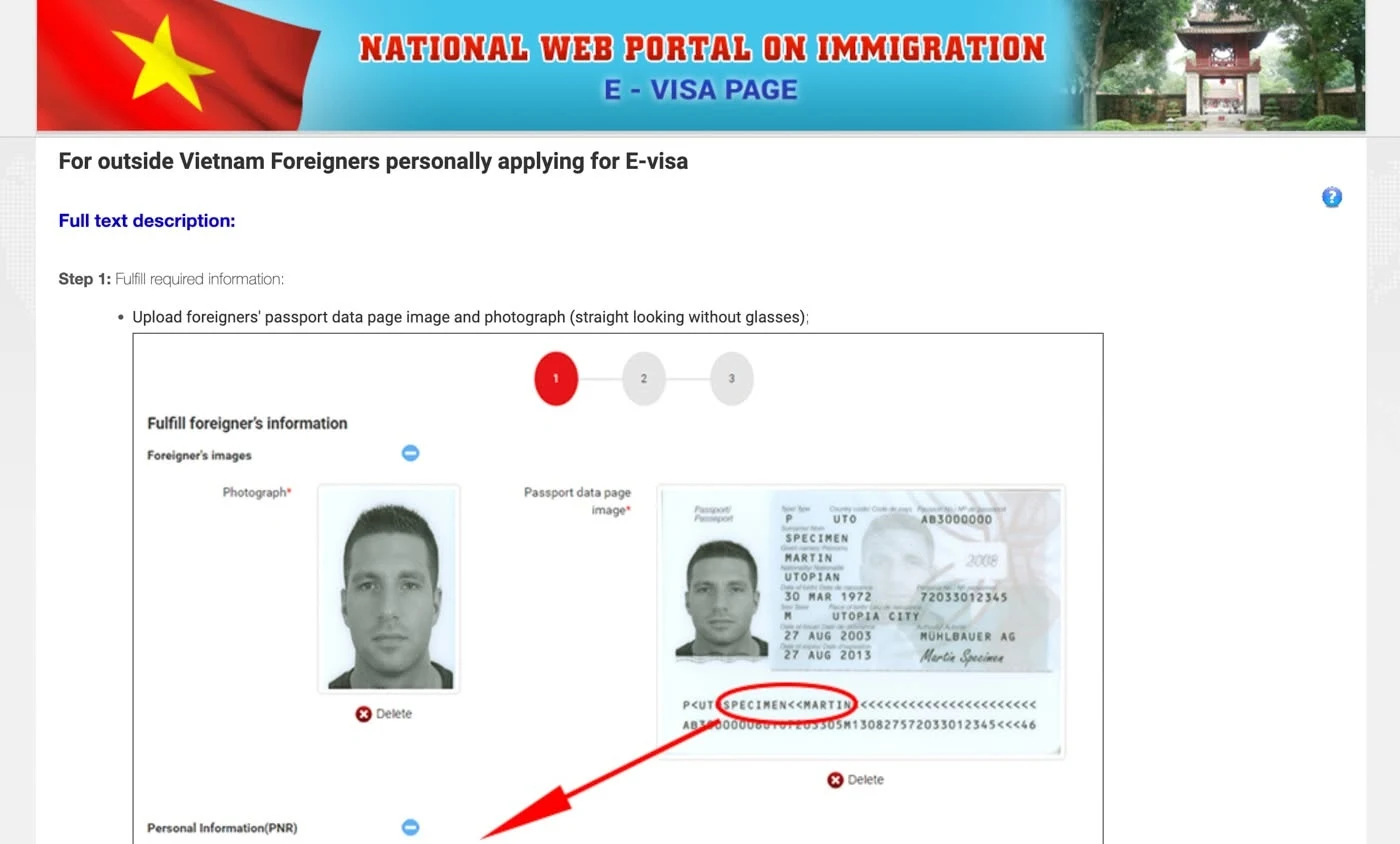
The official portal for checking your e-visa application status remains evisa.xuatnhapcanh.gov.vn — same site, just more data flowing behind it now.
What Your Landlord or Host Must Now Do — And When to Ask
This is the part most expats don’t think about until there’s a knock on the door.
Decree 286 strengthens temp residence rules. Organizations and agencies sponsoring foreigners must now actively coordinate with accommodations to ensure temporary residence declarations are filed. Immigration authorities are expected to monitor compliance more closely.
Separately — this isn’t from Decree 286 itself but is running in parallel — landlords are already required to register foreign tenants with local police within 24 to 48 hours of arrival under existing rules. That requirement hasn’t changed. What has changed is the expectation that authorities actually follow up on it.
I asked my landlord about this when it came up. Her reaction was a shrug. She’s done it before. But I know plenty of expats renting from small private owners who have never registered anyone. That gap is exactly what the monitoring push is designed to close.
Practical advice: ask your landlord or host directly whether they’ve registered you. It takes them about 15 minutes online. The alternative — overstay fines under Decree 59/2026 — runs up to 40 million VND, roughly $1,500. That came into force on April 1, 2026. Not new, but Decree 286 makes enforcement more likely by giving authorities better data.
If you’re dealing with visa status questions, registration confusion, or just not sure where you stand — expats I know have used local visa services to get a straight answer without wading through Vietnamese-language policy documents. What that covers on the e-visa side is laid out on our Vietnam e-visa 90 days page.
Conference and Workshop Visitors on E-Visa: New Rules Apply
This is a smaller category, but specific enough to call out.
Article 9, Clause 1 expands what counts as “inter-agency coordination” in tracking foreigners. The expanded list now explicitly includes people attending conferences and seminars on an e-visa or under visa exemption, alongside the usual categories of visa holders, work permit holders, and students in cooperation programs.
If you’re coming to Vietnam for a business conference, academic seminar, or similar event — and you’re entering on an e-visa — you’re now in a named category that immigration authorities will coordinate around. That doesn’t mean extra forms for you at the border. It means the agency running the event and immigration are expected to share information.
For most attendees, this is invisible. It matters most to event organizers, who now carry a clearer coordination obligation. Worth knowing if you run events or manage a coworking space that hosts international visitors.
What Stays the Same (And Why Most Expats Don’t Need to Panic)
The core e-visa rules haven’t moved.
The 90-day e-visa is still 90 days. Single-entry and multiple-entry options remain. The list of eligible nationalities is unchanged. Visa exemptions for approximately 39 countries continue as before. The 30-day visa-free window for ASEAN nationals is untouched.
If your e-visa extension is coming up, the process looks the same. If you’re thinking through what to do when your visa expires, the options haven’t narrowed — leave and re-enter on a fresh e-visa, extend in-country if eligible, or do a visa run.
What has changed is the infrastructure behind those options. Databases are faster. Data sharing is broader. Monitoring is tighter. None of that is a problem for someone with valid status and a landlord who files the right forms.
The risk isn’t in the rules. It’s in assuming nothing is being watched because nobody knocked last year.
If navigating this feels like a lot — e-visa paperwork, registration questions, figuring out whether to extend or do a visa run — that’s the part where having someone who handles it daily makes a real difference. Processing takes a day through a proper channel, not a week of waiting. The government fee payment issue that catches out so many foreigners with non-Vietnamese cards? Handled. The correct entry point on the form? Double-checked.
We’ve helped hundreds of expats and visitors sort out exactly this kind of thing. If you want a clear answer on your specific situation — or just want someone to handle the whole process — visit danangvisarun.com and we’ll take it from there.