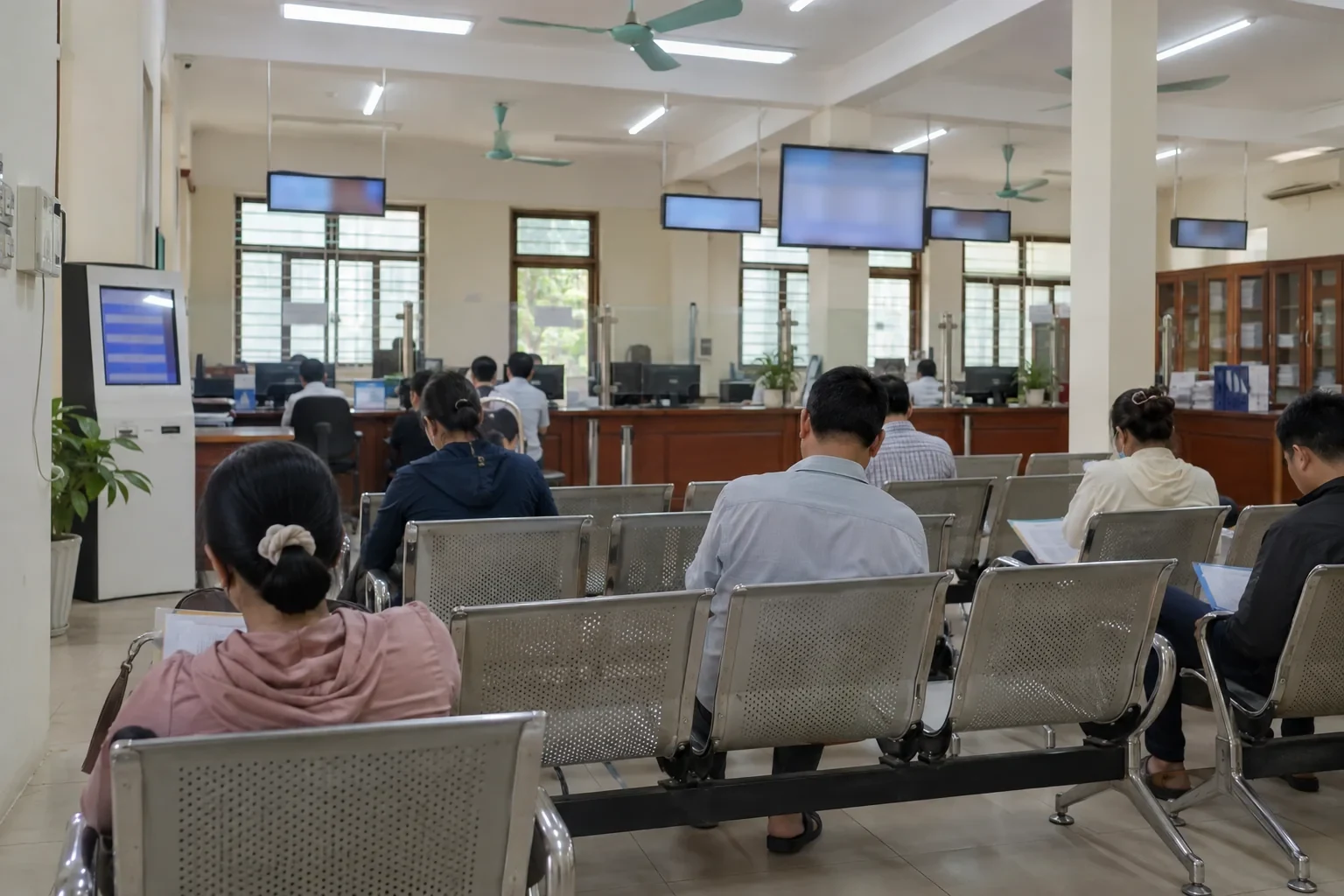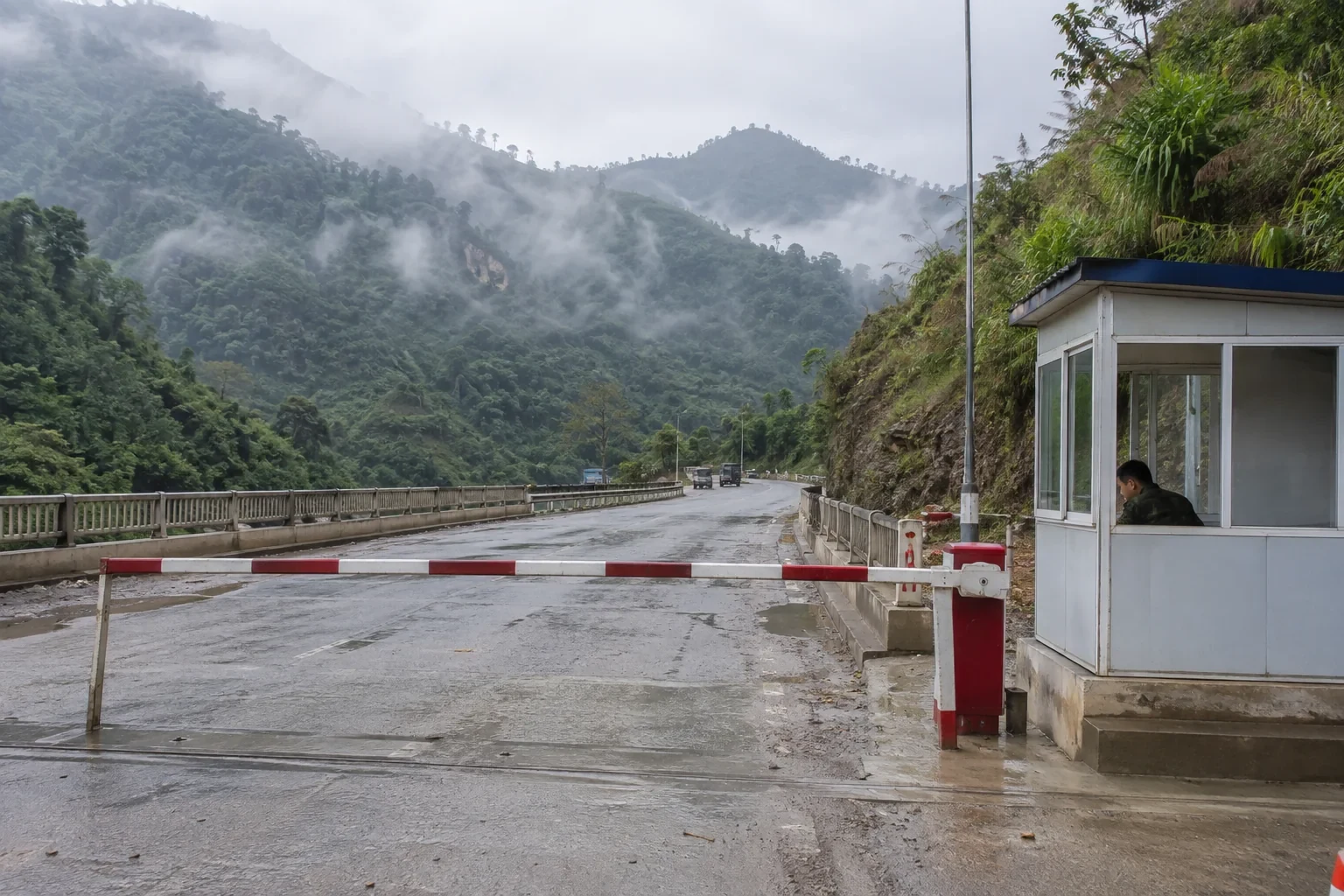
Three land gates between Vietnam and China work for foreign travelers in practice: Huu Nghi to Pingxiang, Mong Cai to Dongxing and Lao Cai to Hekou. The only passenger train, the daily MR1 from Gia Lam station in Hanoi to Nanning, takes about 12 hours in a four-berth soft sleeper. Russian passport holders enter China visa-free under a regime extended to 31 December 2027, while other nationalities should check their own rules before planning anything.
I run visa runs from Da Nang and Nha Trang on a fixed schedule and from Hanoi on request, so I read border information as the person who has to get a traveler back into Vietnam the same day. Everything below is checked against official and press sources as of 11 October 2026. I found no fresh traveler reports about China loops this year, and I mark every place where the data is thin.
Can you take a train from Hanoi into China?
Yes, every day. The service restarted on 25 May 2025 after a five-year break and runs as MR1 toward China and MR2 toward Vietnam. I could not find an official timetable confirmation for October 2026, and the prices I found date from summer 2025, so check the carrier’s site vr.com.vn before you buy.
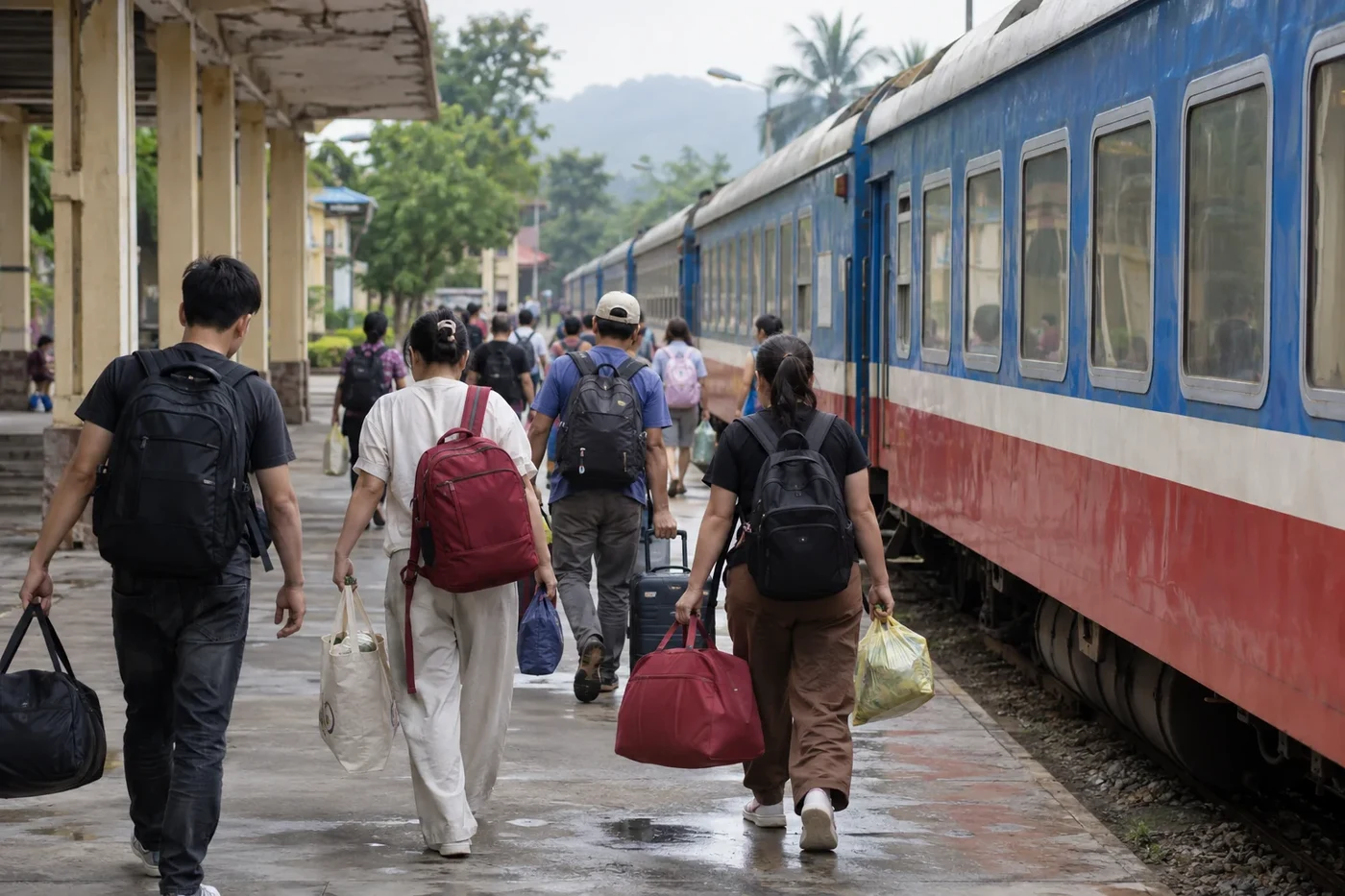
- Departure from Gia Lam is around 21:20 Hanoi time, and the journey covers 396 km in about 12 hours. Gia Lam station sits about 5 km from the centre and is not the main Hanoi station, so plan the transfer.
- Cars are four-berth soft sleepers only, and there is no dining car.
- A ticket costs about $30-31 according to two travel agencies, and Vietnamese press quotes a figure closer to $38.
- Overnight, everyone steps off with luggage at Dong Dang station on the Vietnamese side and Pingxiang station on the Chinese side for exit and entry checks, so unbroken sleep is not on the menu.
- Tickets sell at every railway station in Vietnam since 16 July 2025, and at window 1 of Nanning station in China, where you show a passport and a Vietnamese visa or visa-free entry stamp. Sales open 18-20 days ahead.
- From Nanning, high-speed trains continue to Guilin, Guangzhou, Shenzhen and Hong Kong, so the train works as the first leg of a longer China trip.
Where can foreigners cross on foot or by road?
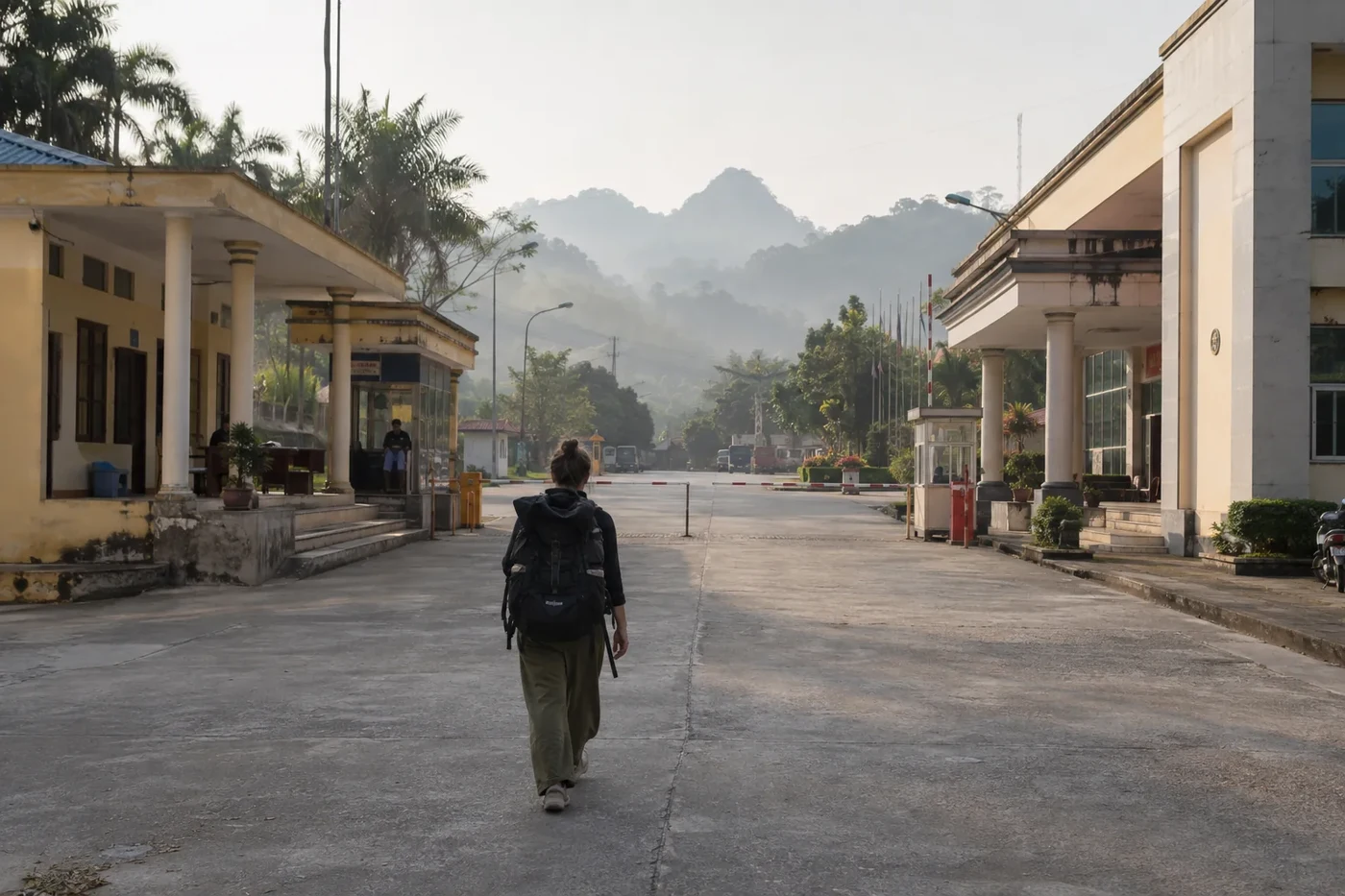
Three gates work in practice: Huu Nghi in Lang Son province, Mong Cai in Quang Ninh and Lao Cai in Lao Cai province. All three sit on the base e‑visa gate list, and each opens onto a Chinese border town. Other gates exist on the Vietnamese side, but I could not confirm a Chinese counterpart that admits third-country travelers.
| Gate pair | Vietnamese province | Chinese side | Nearest big city in Vietnam | Gate type |
|---|---|---|---|---|
| Huu Nghi - Pingxiang (Youyi Guan) | Lang Son | Pingxiang, Guangxi | Hanoi | Road, plus rail via Dong Dang |
| Mong Cai - Dongxing | Quang Ninh | Dongxing, Guangxi | Ha Long | Road and pedestrian |
| Lao Cai - Hekou | Lao Cai | Hekou, Yunnan | Sapa | Road, pedestrian and rail bridge |
| Dong Dang - Pingxiang (rail) | Lang Son | Pingxiang, Guangxi | Hanoi, Gia Lam station | Passenger train MR1 and MR2 |
Resolution 389/NQ-CP of 2 December 2025 added 41 gates to the e‑visa list and lifted the total to 83. The new land gates on the Chinese border are Dong Dang rail, Lao Cai rail, Tra Linh in Cao Bang and Thanh Thuy in Tuyen Quang. My guide to all 83 e‑visa entry points lists the full set.
How long does a China loop take, and when do the gates close?
A China loop means leaving Vietnam into China and coming back to get a fresh Vietnam entry. A land loop from Hanoi through Huu Nghi takes about 15 hours door to door: pickup at 6:00 and a return near 21:00, with most of the hours spent on the road.My step-by-step Huu Nghi visa run guide covers the day in order.
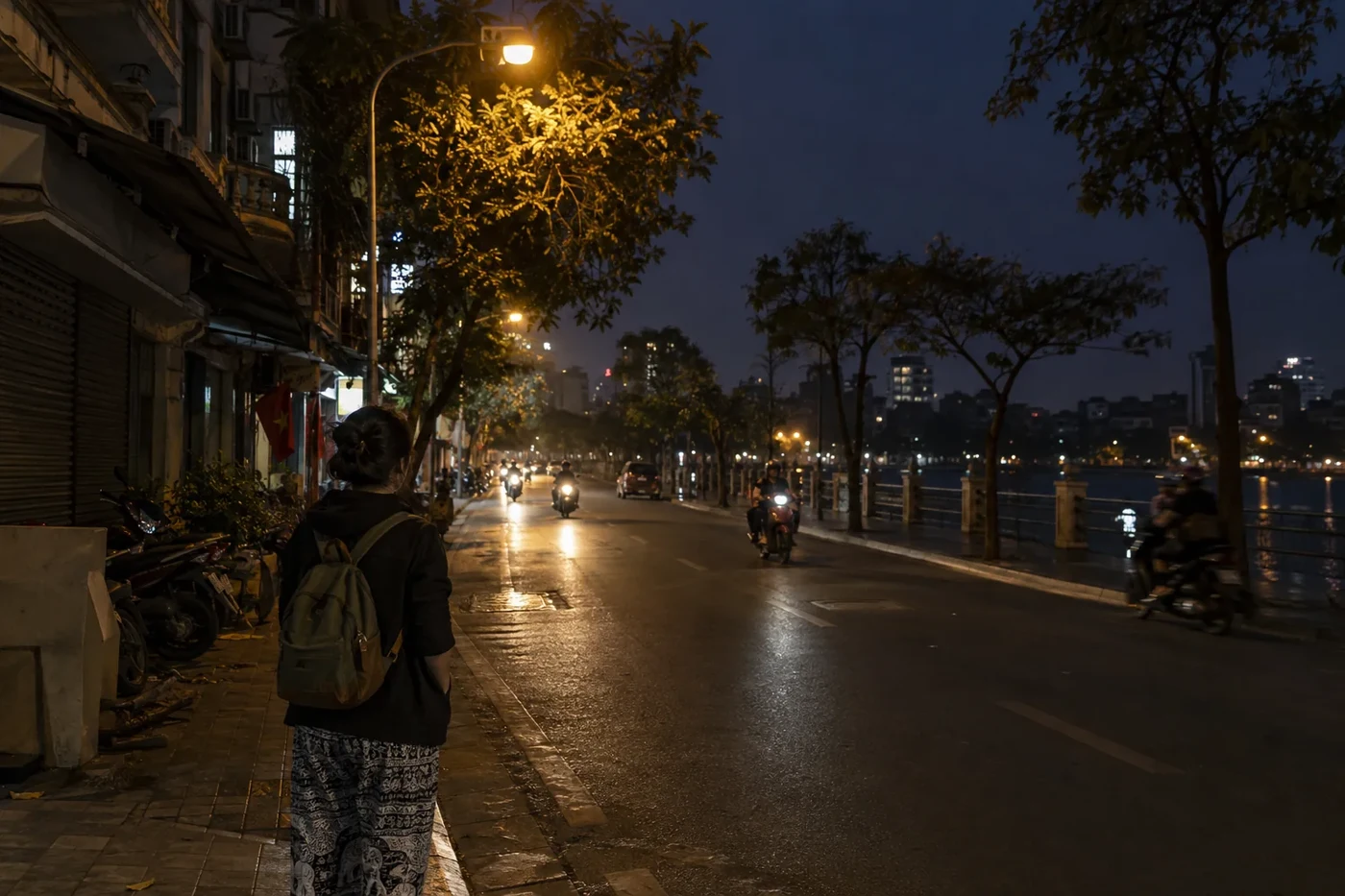
Passenger processing usually opens around 07:00. Closing times in the sources I found range from 19:00 to 22:00 Hanoi time depending on the gate, and China runs one hour ahead of Vietnam, so some agencies publish Beijing time. Vietnam’s news agency VNA quoted 07:00-20:00 Hanoi time for Mong Cai-Dongxing in 2023 and I saw no confirmation since. For Huu Nghi I found no verifiable passenger hours at all, so aim to reach any gate before noon.
Which visa rules apply on each side?
Russian passport holders enter China without a visa for 30 days under a regime extended to 31 December 2027, announced on 20 May 2026 (RBC, Meduza). Other passports follow different rules, so check your own status first. On the Vietnam side, Russians get 45 days visa-free per entry under Resolution 44/NQ-CP, valid until 14 March 2028.
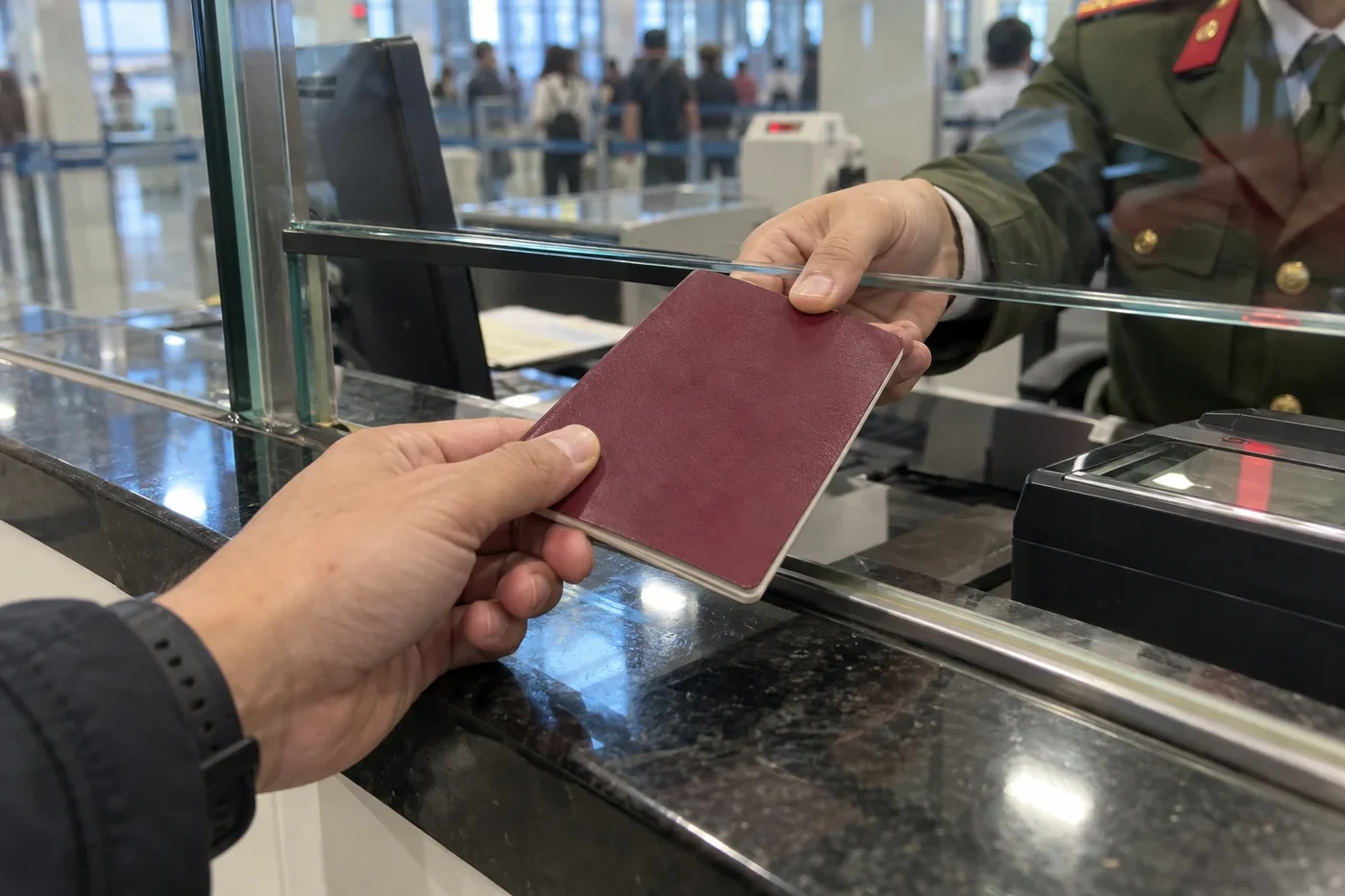
If you prefer an e‑visa for the return, evisa.gov.vn charges $25 for a single entry and $50 for multiple entries, valid up to 90 days. You pick a specific entry gate in the application, and the fee is not refunded after a refusal. Chinese border officers can ask about the purpose of your trip, an onward ticket and an accommodation booking, and the visa-free regime does not cover work or long study.
This is where loops go wrong most often: evisa.gov.vn rejects many foreign cards, and a wrong entry gate on the application costs you the day. You can handle this part yourself with a working card and the gate list. With BestBus Vietnam I take the e‑visa end to end, pay the fee on a card the portal accepts and pick the gate that matches your route. Message me on WhatsApp with your entry date and passport country, and I will tell you which gate to put in the application.
What could not be confirmed?
Four things stayed unconfirmed after my check on 11 October 2026. No official source I found confirms that the MR1 and MR2 timetable still applies this autumn. Border hours differ between sources by up to three hours. I found no 2026 traveler reports about a Russian-passport loop through Lao Cai or Mong Cai. And no source states that an earlier waiting period before re-entering Vietnam was abolished.
Which route should you pick?
Pick the train if you want to go deep into China: one ticket, two overnight passport stops at Dong Dang and Pingxiang, and Nanning by morning. Pick Huu Nghi from Hanoi, Mong Cai from Ha Long or Lao Cai from Sapa if the trip is only a loop for a new Vietnam entry. Treat the 45-day exemption as the plan, keep an e‑visa on your phone as the backup, and read the carrier’s page in the week you travel.
You can plan all of this alone with the carrier’s site, the e‑visa portal and a translation app. But if you would rather not track the entry gate, the fee payment and the return timing yourself, send me your dates and departure city on WhatsApp and I will check what works this week.
Methodology: Where These Numbers Come From
The Chinese visa-free regime for Russians comes from RBC and Meduza reports of 20 May 2026 citing China’s foreign ministry. The 240-hour transit figure comes from the gov.cn portal of 20 August 2026. Vietnam’s 45-day exemption rests on Resolution 44/NQ-CP, e‑visa fees on Vietnamese government materials, and the gate list on Resolution 389/NQ-CP as reported by the Vietnam National Authority of Tourism and the Bao Lao Cai newspaper. Train facts were cross-checked across VTV and two travel agencies, Trainspread and TravelChinaGuide. Most facts rest on at least two sources, while border hours rely on single publications and the ticket price is a range from different sources. The weak spots are the October 2026 train status, border hours and the list of Chinese gates open to foreigners.
Frequently asked questions
Can I get a visa at the land border?
Neither side issues visas at the land crossing, according to the Vietnam tourism authority, although the evidence is thin, so arrange your paperwork before you reach the gate. Airport visas on arrival exist in Vietnam only with an invitation letter.
Is the 240-hour transit useful for a China loop?
No. Transit needs a through ticket to a third country, while Vietnam to China and back returns you to the same country. Russia is on the transit list, which grew to 57 countries on 20 August 2026, but a Russian passport holder is covered by the 30-day regime anyway. For a done-for-you version, see our Da Nang visa run page.
What is a border pass, and can a foreigner use one?
It allows entry only to the border towns of Dongxing, Pingxiang and Hekou for roughly three days and is built for border residents. A foreigner needs a passport, according to the Wander in China guide.
Does the Kunming to Lao Cai train run?
In 2025 it stayed suspended, and I found no fresh confirmation that it resumed. At Lao Cai-Hekou travelers cross on foot or by road.
Can I travel from Hanoi to Beijing without changing trains?
A through carriage runs on Tuesdays and Fridays: train Z6 from Gia Lam to Beijing West via Guilin, Changsha and Zhengzhou. In the other direction Z5 leaves Beijing on Thursdays and Sundays, with a change at Nanning.