Every visa-run traveler asks the same question before they book a bus ticket: how much cash do I actually need? Not the headline number from a travel forum - the real total, official fee plus whatever gets asked for at the checkpoint. I run visa runs out of Da Nang for a living, so here’s the breakdown I give clients, region by region, checkpoint by checkpoint.
How Vietnam compares to the neighbors
Start with the region, because it puts the whole conversation in perspective. Laos charges a visa-on-arrival fee of $30-42. Cambodia runs about $35 total, split between a $30 e‑visa and a $6 processing charge. Vietnam sits right inside that same range - nobody in this part of Southeast Asia is handing out cheap entry stamps, and Vietnam isn’t the outlier people assume it is.

The e‑visa fee schedule, unchanged
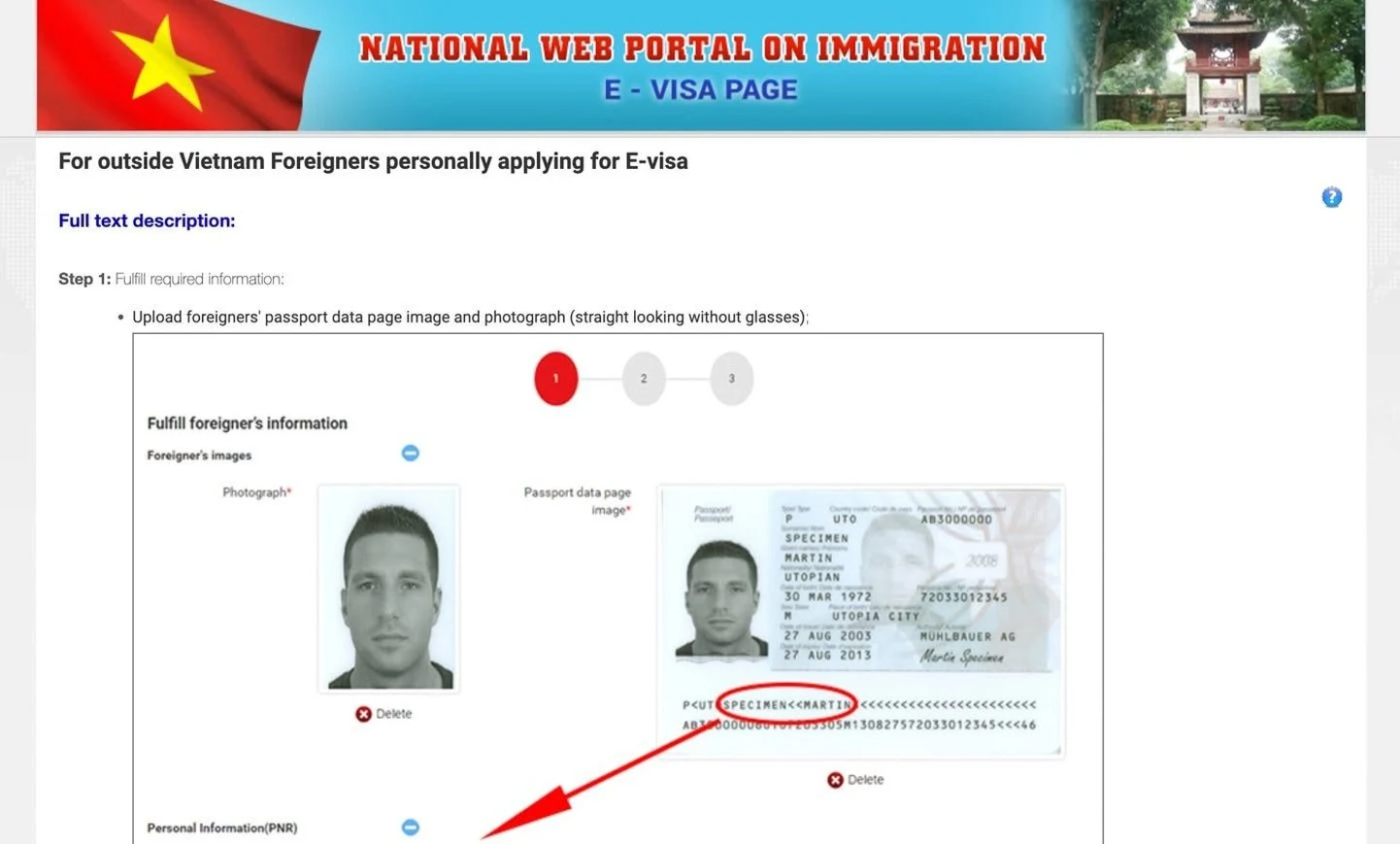
Vietnam’s e‑visa is $25 for single-entry, $50 for multiple-entry. That fee is set by Thông tư 28/2026/TT-BTC, signed March 27, 2026, in effect since April 1, 2026, replacing two older regulations (25/2021/TT-BTC and 62/2023/TT-BTC). The detail travelers keep missing: the new circular repeats the old numbers exactly. A document changed on a specific date, and people reading “new rules from April 1” assumed new, higher prices - checked against the text, nothing moved.

The same mix-up happened with overstay fines around the same date. Decree 59/2026 covers deportation procedure, not fine amounts - the actual fine schedule sits in a separate document, 282/2025/ND-CP, in force since December 15, 2025. Two unrelated rumors, one shared mistake: a new document got mistaken for a new price tag. This part can be handed over end to end — what that covers is on our Da Nang visa run page.
Beyond the tourist e‑visa, the same circular covers longer stays: a multi-entry visa runs $95 for 3-6 months, $135 for 6-12 months, a temporary residence card (thẻ tạm trú) is $145 for 1-2 years and $165 for up to 5-10 years, and a stay extension (gia hạn tạm trú) costs $10 per request. Kids under 14 pay a flat $25 regardless of visa length. None of it went up either - worth knowing if a border run turns into a longer stay.
One thing worth flagging separately: there’s no “visa on arrival” at a land crossing like Lao Bao. You need a ready e‑visa or an embassy visa before you get there; the counter-side stamping fee some travelers mention only applies at airports, and only to people who already hold a letter of approval.
The cash that isn’t in any fee schedule
Here’s where money leaves your pocket outside the official number. On the Lao Bao crossing in 2026, the going rate for informal payments runs around 200,000 VND in small bills, split across four checkpoints at 50,000 each: exiting Vietnam, entering Laos, exiting Laos, and re-entering Vietnam. It was 140,000 until August 2026, when the Lao side raised its two checkpoints from 20,000 to 50,000. This isn’t written in any circular - it’s an unofficial practice, and you’re not legally required to pay it. I’m not going to coach you on arguing at the booth; the point is that this cash is a separate line item, unrelated to e‑visa pricing or Thông tư 28/2026.

What a Da Nang visa run actually costs door to door
When I quote a full run, the government fee is the smallest line. The real cost is transport and time. Our “ride plus visa in 4 hours” package out of Da Nang runs 4,100,000 VND, roughly $157 - that already folds in the crossing and the informal cash, so nobody has to count small bills at the checkpoint. If your visa is already approved and you just need the crossing itself, that’s 850,000 VND, about $33. Getting to the border on your own bike or car is a third option: the visa part without our transport is $120, and I’ve gone through what that $120 actually covers and what’s included line by line separately.

If you’re planning a run, message me on WhatsApp - tell me your dates and I’ll walk you through what it’ll actually cost for your case.