Renting an apartment in Vietnam in 2026 costs $210 a month in Nha Trang at the low end and $2,500+ in Ho Chi Minh City’s expat districts at the high end. Da Nang sits in the middle at $340-960 a month for anything from a studio to a three-bedroom, and Hanoi splits the difference depending on which side of the Red River you land on.
I’ve lived in Da Nang for over four years and helped a steady stream of clients through visa runs and long-stay paperwork who all asked me the same question first: “how much is rent actually going to cost me?” The numbers below come from real listing data and market reports, not a single agent’s asking price, and I’ve flagged the couple of spots where the data is thinner than I’d like.
Vietnam Rent Prices in 2026 at a Glance
Here’s the full comparison across the four cities foreigners ask about most. Studio/1BR and 2-3BR figures are corroborated across at least two independent sources each; standalone-house pricing is thinner and marked separately below.
| City | Studio / 1BR | 2-3BR Apartment | Cheapest Tier | Widest Range |
|---|---|---|---|---|
| Nha Trang | $210-420/mo | $560-760/mo | Yes - cheapest of the four | Moderate |
| Da Nang | $340-550/mo | $600-960/mo | No | Moderate |
| Hanoi | $300-440/mo citywide, up to $2,000 in Tay Ho | $560-890/mo citywide, up to $3,500 luxury | No | High |
| Ho Chi Minh City | $280-600/mo citywide, up to $1,500 in Thao Dien/D2/D7 | $700-1,300/mo citywide, up to $2,500+ premium | No | Highest of the four |
How Much Does an Apartment Cost in Da Nang in 2026?
A studio or one-bedroom in Da Nang runs $340-550 a month in 2026, and a two- or three-bedroom apartment runs $600-960. The gap between those numbers isn’t random - a unit in Hai Chau or Ngu Hanh Son near the beach costs noticeably more than the same layout ten minutes inland.
Rents in the popular expat pockets - My An, An Thuong, Son Tra - actually moved during Q4 2025, climbing 4-6% quarter-on-quarter as more remote workers and long-stay tourists settled in. If you’re planning a 2026 move, price out My An and An Thuong separately from the rest of the city; they’re consistently 15-20% above the Da Nang average because that’s where the English-speaking cafes, gyms, and co-working spaces cluster. A one-bedroom two blocks off the beach in An Thuong can run $500+ when the same layout in a quieter district goes for $350.
How Much Does an Apartment Cost in Ho Chi Minh City in 2026?
Ho Chi Minh City has the widest rent spread of any Vietnamese city: a studio or one-bedroom runs $280-600 a month citywide, but that same unit in Thao Dien (District 2) or District 7 jumps to $800-1,500. A two- or three-bedroom follows the same pattern - $700-1,300 citywide, $1,200-2,500+ in the premium expat zones.

District 1 sets the ceiling: a two-bedroom there starts around $1,500 a month, while a comparable outer-district apartment can come in under $300. That’s a five-times difference for the same bedroom count in the same city, which is why “how much does rent cost in Saigon” doesn’t have one honest answer - it depends entirely on which district you’re asking about. Thao Dien and District 7 carry the premium because that’s where international schools, serviced malls, and the river-view towers foreigners look for are concentrated.
What Changes the Price: Deposits, Lease Terms, and Visas
Beyond location, three things move your monthly number more than anything else: the deposit, the lease length, and whether you can actually prove you’re allowed to stay that long. Most landlords ask for a security deposit equal to 1-2 months’ rent, refundable within about 15 days after move-out minus any damages, and a minimum lease term of 6-12 months - though some will do 3 months at a premium if you’re not ready to commit.

Furnished units, which is most of what’s listed to foreigners, typically run 15-25% higher than bare-walls unfurnished ones - roughly $80-120 extra a month - and utilities are almost never included: budget $65-130 a month for electricity and water depending on how much you run the AC, plus $9-17 for internet and $40-80 for a building management fee if the complex has one. Sign a full year instead of going month-to-month and you’ll typically save 10-15% off the serviced-apartment rate, with the price locked for the term.
This is where visa timing quietly collides with renting. Landlords in Da Nang and most other cities want to see a visa or Temporary Residence Card valid for the full lease before they’ll sign, because both of you are legally required to register the rental with local police within 24 hours - an expired or short-dated visa is the single most common reason a lease gets delayed at the last minute. I sort out the visa costs and TRC side of that for clients constantly, so the paperwork is already sorted by the time they’re signing a rental contract, not scrambling the week they’re supposed to move in - the same visa and long-stay paperwork we handle through our Vietnam visa and long-stay services.
How Much Is Rent in Hanoi in 2026?
A one-bedroom in Hanoi runs $300-440 a month citywide in 2026, but that number stops meaning much once you cross into Tay Ho - West Lake rents there run $700-2,000 for the same layout, and Ba Dinh, the embassy district, sits in between at $400-1,500. A three-bedroom follows the same split: $560-890 citywide, climbing to $1,800-3,500 in the luxury expat towers.
Tay Ho carries Hanoi’s biggest premium because it’s the most international part of the city - lakeside cafes, international schools, and the highest concentration of long-term foreign residents. If you don’t need to be lakeside, Ba Dinh or one of the newer developments further out gets you a comparable unit for roughly half the Tay Ho asking price.
How Cheap Is Nha Trang, Really?
Nha Trang is the cheapest of the four cities across every apartment tier: a studio or one-bedroom runs $210-420 a month, and a two- or three-bedroom runs $560-760. Even the newer beachfront complexes - HUD, Scenia Bay, The Costa - start around $520-600 for a studio or one-bedroom, which is still below what the same layout costs in a mid-range Da Nang neighborhood.
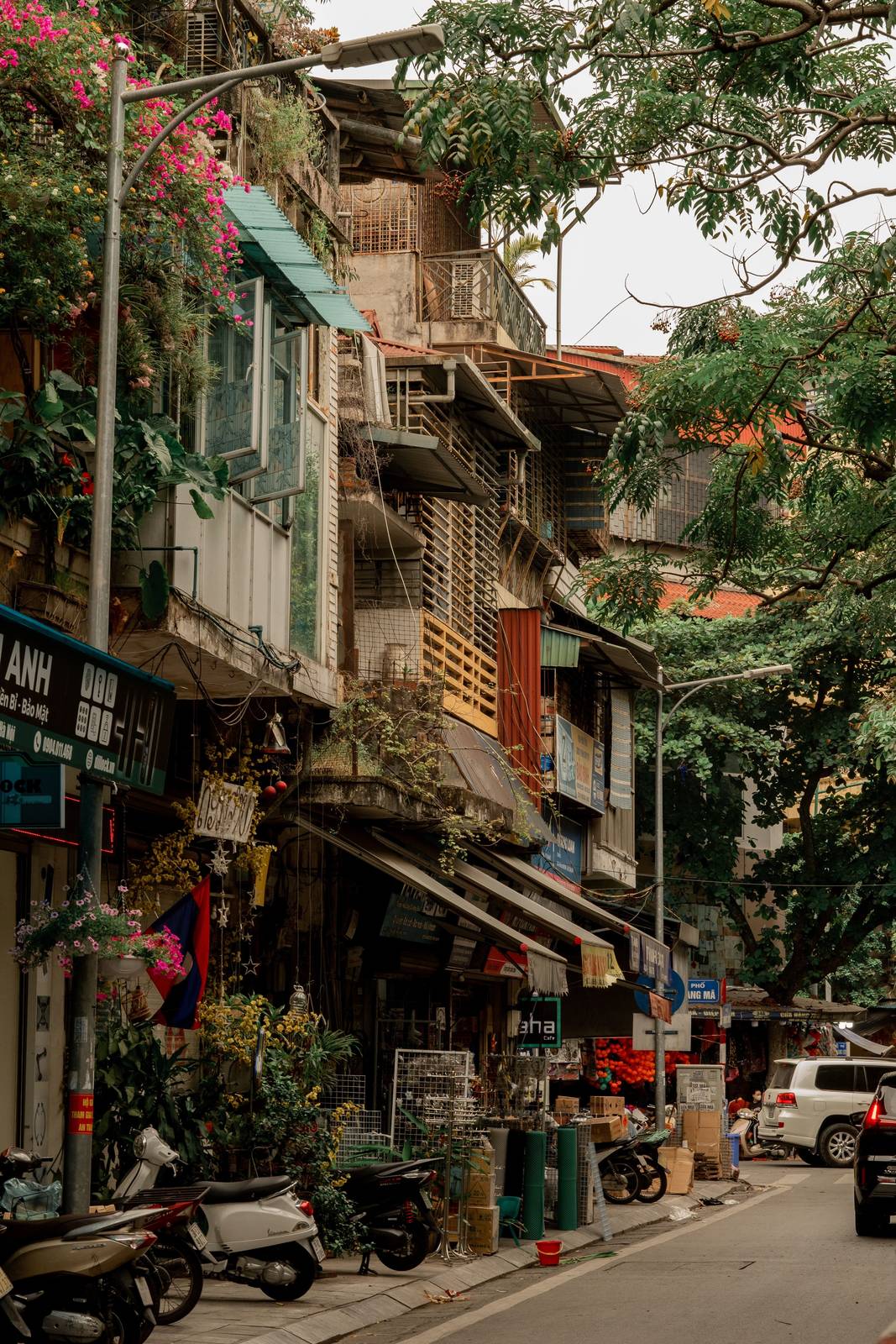
The trade-off is obvious once you’ve lived there: fewer co-working spaces, a thinner English-speaking expat scene, and less choice if you want something very specific. For anyone whose budget matters more than proximity to a co-working cafe, Nha Trang is the easiest city on this list to stretch a long-stay budget in 2026.
Methodology: Where These Numbers Come From
Every studio/1BR and 2-3BR range above is cross-checked against at least two independent sources: Numbeo’s crowd-sourced cost-of-living data for each city, plus at least one expat real-estate guide or agency report (Da Nang Villa Realty’s Q4 2025 market update, Bamboo Routes’ Ho Chi Minh City rent tracker, and similar local guides for Hanoi and Nha Trang). Where the two sources disagreed, I used the wider range rather than picking the flattering number.
For broader market direction, CBRE Vietnam reported Grade A apartment asking rents averaging $27.5 per square meter a month in Q4 2025, up 2.6% year-on-year, while Grade B rents averaged $18.7 per square meter, down slightly as new supply competed on price. Standalone-house and villa pricing is genuinely thinner in the available data for Hanoi, Ho Chi Minh City, and Nha Trang - I’ve left those out of the table rather than publish a single-source guess, and flagged the one Da Nang house figure I did find as directional only. All USD figures are converted from VND listings at an implied rate of roughly 25,000 VND per dollar, which is what the source sites used at the time of writing.
If you’re weighing a long-stay move and the visa side of the equation is still unsettled, that’s usually the actual bottleneck, not the apartment search. Book or read the details on danangvisarun.com, message me on Telegram with your timeline and I’ll tell you straight whether an e-visa extension, a TRC, or a visa run makes more sense before you start signing a year-long lease. If you’re still deciding where to land, my breakdown of the best places to live long-term in Vietnam and what sending money into the country actually costs are the two pieces that usually come up right after this one.
Frequently asked questions
Do foreigners need a Vietnamese co-signer or guarantor to rent an apartment? No. It isn’t a legal requirement. Landlords typically ask for a passport and a valid visa or TRC, and sometimes proof of income for higher-end units, but a local guarantor isn’t standard practice anywhere in Vietnam.
Can foreigners rent long-term in Vietnam without a specific visa? A tourist visa covers short stays under roughly three months, but most landlords prefer a business visa or Temporary Residence Card for leases of six months or longer, since both parties must register the rental with local police within 24 hours of signing.
Is it cheaper to rent monthly or sign a yearly lease in Vietnam? A full-year lease is typically 10-15% cheaper than month-to-month or serviced-apartment rates, and it locks your price for the whole term instead of leaving you exposed to a mid-year increase.
Are utilities included in the rent price in Vietnam? Almost never. Electricity and water usually run $65-130 a month extra depending on air-conditioning use, internet adds roughly $9-17, and a building with shared facilities may add a $40-80 management fee.
Is furnished a lot more expensive than unfurnished in Vietnam? Yes, typically 15-25% more, or about $80-120 extra a month. Most units marketed to foreigners come furnished by default, so unfurnished listings can be worth specifically asking for if you’re trying to cut costs.
Which Vietnamese city is cheapest to rent an apartment in? Nha Trang, consistently, across every apartment size. Da Nang is next, and Ho Chi Minh City and Hanoi are the most expensive, particularly in their expat-heavy districts.