If your Vietnam trip includes a border crossing to Cambodia, Laos, or Thailand, or you’re staying past 45 days, the 90-day multiple-entry e‑visa is the one to buy. It costs $50 in government fees against $25 for single-entry, and it lets you exit and re-enter as many times as you need inside that 90-day window. Pick single-entry by mistake and it’s voided the moment you cross a border once.
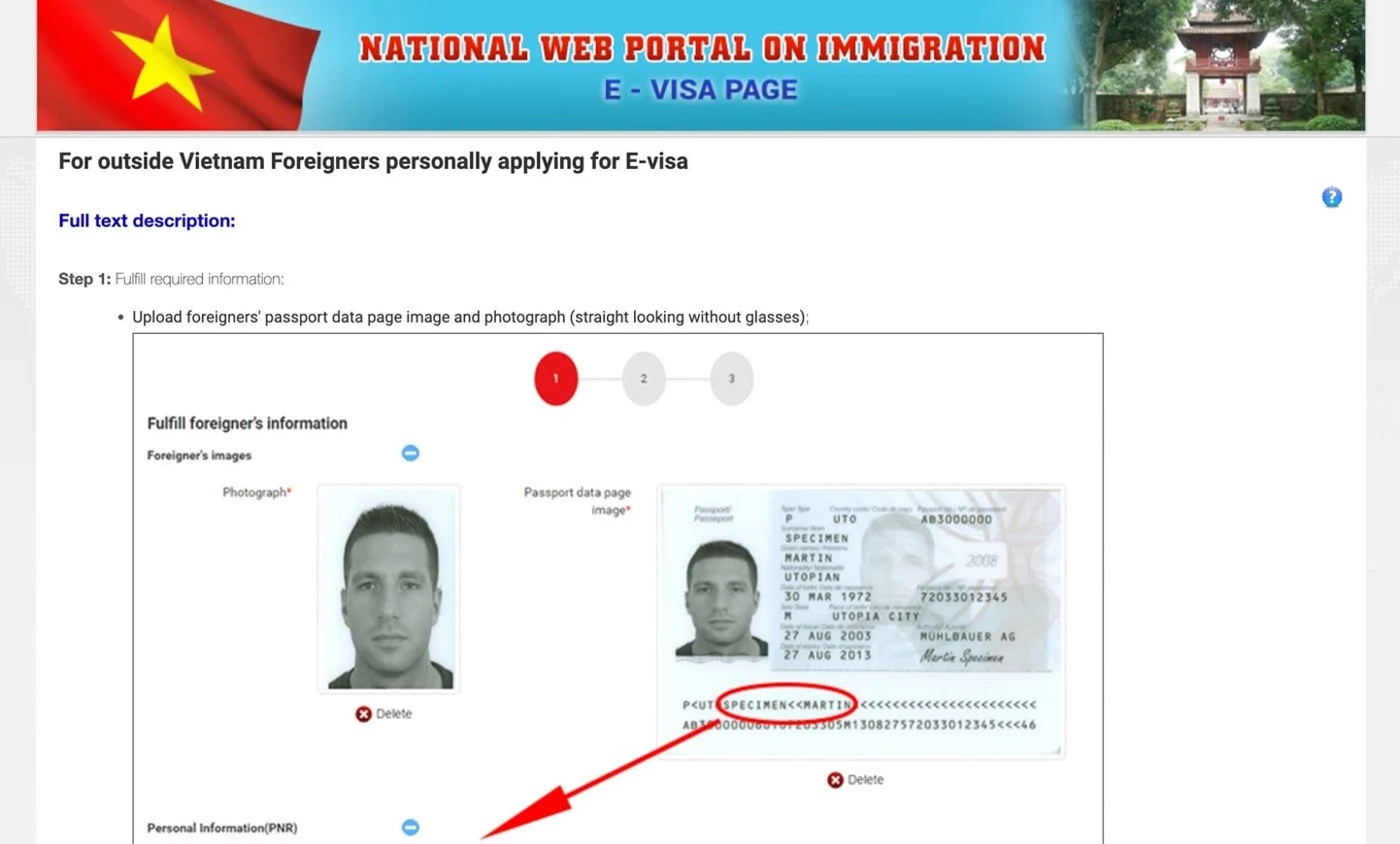
I’ve lived in Da Nang for years and I run visa runs for a living, so this is the question I get asked almost daily by people staring at the evisa.gov.vn application form with two entry-type radio buttons and no idea which one matters for their trip.
Vietnam Visa Options at a Glance
Four paths cover almost every traveler’s situation, and the fee and re-entry rules differ enough that picking the wrong one costs real money or a lost travel day.

| Option | Government fee | Re-entries | Best for |
|---|---|---|---|
| 90-Day Multiple-Entry E‑Visa | $50 | Unlimited within the 90-day window | Repeated border crossings, digital nomads, long-stay expats |
| Single-Entry E‑Visa (30 or 90 days) | $25 | None - void on first exit | One continuous stay, no border crossing planned |
| Visa Run on Single-Entry (repeat applications) | $25 per trip | New application every crossing | Travelers who already bought single-entry by mistake |
| Temporary Residence Card (TRC) | Not fee-comparable | Multiple, built in, up to 5 years | Long-term relocation with a work permit or investment basis |
Single-Entry vs Multiple-Entry vs Repeat Visa Runs vs TRC
90-Day Multiple-Entry E‑Visa costs $50 in government fees, allows unlimited re-entries inside the fixed 90-day window, and suits digital nomads or long-stay expats who plan repeated border crossings. The hard limit: no in-country extension, you must physically exit by the expiry date.

Single-Entry E‑Visa (30 or 90 days) costs $25 and covers one continuous stay with no border crossing planned. It’s cheaper on paper, but it’s permanently voided the instant you exit Vietnam - even with unused days left on it.
Visa Run on Single-Entry means reapplying for a fresh $25 e‑visa every time you cross a border because you didn’t buy multiple-entry up front. It works, but you pay $25 per trip plus the processing wait each time, and it’s the workaround people fall into after picking the wrong box once.
Temporary Residence Card (TRC) gives lawful stay of up to five years with multiple entry/exit rights built in, no repeated applications. It’s not something you can upgrade into from an e‑visa though - you need a work permit, investment, or family sponsorship as the legal basis first.
What the 90-Day Multiple-Entry E‑Visa Actually Covers
The multiple-entry e‑visa is a single $50 government-fee product that stays valid for exactly 90 days from the date you choose, and inside that window you can leave and come back through any approved gate as many times as you want. Re-entering does not reset or extend the 90-day clock - it’s a fixed window, not a rolling one.

This is the visa I recommend to anyone doing a border run from Da Nang to reset a shorter visa, since it’s the only e‑visa type where crossing at Lao Bao or Moc Bai doesn’t kill the visa on the way out. By law an e‑visa can never exceed 90 days, and your passport needs at least 30 more days of validity than the visa itself - evisa.gov.vn states this directly in its FAQ.
Why Single-Entry Fails for Border Runners
A single-entry e‑visa is void the second you physically leave Vietnam, whether you meant to come back the same day or not. It doesn’t matter how many of the original 30 or 90 days were unused - one exit stamp ends it.
This is the mistake I see most: someone books a Cambodia side trip or a quick Laos border hop on a $25 single-entry e‑visa, assuming they’ll just walk back in on the same visa. They can’t. Immigration voids it on exit, and the only way back in is a brand-new paid application, which means sitting at the border or losing a travel day waiting on approval.
The Repeat Application Workaround, and Its Real Cost
Some travelers who already hold single-entry visas just keep reapplying - $25 and a few days’ wait, every single crossing. Over three or four border runs in a season that adds up to more than the $50 multiple-entry fee would have cost once, plus the dead time waiting for each new approval.
There’s no confirmed rule against doing this repeatedly, and I haven’t found official guidance saying frequent short-interval reapplications draw extra scrutiny - that’s simply not confirmed either way. What I have seen firsthand is people losing a full day at the border waiting on a fresh e‑visa that a $50 multiple-entry purchase would have made unnecessary. If you want the full breakdown of what a season of repeat crossings actually costs, I’ve laid it out in what a Vietnam border run really costs in 2026.
How to Choose Between Multiple-Entry and Single-Entry
- Any planned border crossing - Cambodia, Laos, or Thailand, even a single day trip - means multiple-entry, full stop.
- One continuous stay with no border plans - single-entry saves you $25 and does the job.
- Staying longer than 45 days - Russian citizens get 45-day visa-free entry as an alternative, but past that window or with any border crossing planned, the paid multiple-entry e‑visa is required.
- Long-term relocation with a work permit or investment basis - look at a TRC instead; it replaces the whole e‑visa cycle for up to five years.
- Uncertain travel plans - the extra $25 for multiple-entry is cheaper insurance than a forced reapplication mid-trip.
Wrong entry-type selection is the single costliest mistake I see on this form, and it’s an easy one to avoid once you know your own itinerary before you open the application.
Getting the Border Crossing Itself Right
Choosing multiple-entry solves half the problem - the other half is executing the crossing itself. You still need to declare the correct entry port on the application, and immigration checks that declaration against the actual checkpoint you use on first entry. There are 27 approved land border gates in Vietnam, including Lao Bao, Moc Bai, Ha Tien, and Nam Giang near Da Nang - see the full Lao Bao vs Moc Bai vs Ha Tien comparison if you’re still picking a crossing - and while you’re free to exit through a different approved gate than you entered, your declared first-entry port has to match.
This is where I usually get involved. I run the Da Nang to Laos and back visa run myself: I pay the government fee on a card evisa.gov.vn actually accepts, get the entry port declared correctly the first time, and keep the whole round trip to a single day instead of the week some people spend waiting on standard processing. With BestBus Vietnam, you send me your passport details, I handle the application and the crossing, and you don’t have to touch the portal yourself.
If you’re already sorting out the visa side, worth knowing the paperwork doesn’t stop there - bring a passport with at least 90 plus 30 days of validity left, since anything less gets your application rejected outright.
Choosing Between Multiple-Entry and a Single Application
If you have any border crossing on your itinerary, or you’re staying past 45 days without one, the multiple-entry e‑visa is the only version that won’t strand you at a checkpoint. Single-entry is fine for one uninterrupted stay, but it’s a $25 trap the moment you plan to leave and come back - you’ll end up paying that $25 again anyway, just with a wait attached. If you’d rather not handle this yourself, our Vietnam e-visa 90 days page shows the timings and what’s included.
I’ve watched enough people get turned back at Lao Bao on a voided single-entry visa to know which mistake actually costs a travel day.
If you’d rather send me your passport and dates and skip the portal entirely, message me on WhatsApp - I’ll tell you which entry type your trip actually needs and get the application filed correctly the first time.