
I’ve lived in Vietnam long enough to field this question weekly: the 5-Year Visa Exemption vs TRC vs 90-day e-visa question comes down to one thing - your family and work status, not preference. If you’re a Viet Kieu or married to a Vietnamese citizen, the 5-Year Exemption is almost always the right call at USD 10 and zero ongoing hassle. If you have a valid work permit or an investment registration certificate, a TRC is worth the USD 145-165 because it’s the only route that gives you multi-year residency tied to your job or your capital. Everyone else - remote workers, tourists, people between jobs - is stuck cycling 90-day e-visas at USD 25-50 a pop until one of the other two categories opens up. If you’d rather not fight with the e-visa portal yourself, Best Bus can also just process the application and payment for you - what’s covered step by step is on our Vietnam e-visa 90 days page.
Comparison at a glance
| 5-Year Visa Exemption | TRC (Temporary Residence Card) | 90-Day E-Visa | |
|---|---|---|---|
| Eligibility | Overseas Vietnamese (Viet Kieu) and foreign spouses/children of Vietnamese citizens or Viet Kieu | Valid work permit (LD2, 12+ months remaining), investment registration certificate (DT), or marriage to a Vietnamese citizen (TT, covers dependents) | Any nationality, no underlying basis required |
| Fee | USD 10 | USD 145-165 new; ~USD 10 to renew/extend | USD 25 single entry, USD 50 multiple entry |
| Validity | 5 years | 1-10 years depending on category (DT1 up to 10 years; LD/TT commonly 2-5 years) | Up to 90 days |
| Entries | Unlimited over 5 years | Unlimited while valid | Single or multiple, chosen at application |
| Per-stay cap | 180 consecutive days | No cap while TRC is valid | Up to 90 days per stay |
| Work rights | None (this is a residency document, not a work permit) | None on its own for LD2 holders - a separate work permit must run alongside it | None |
| Processing time | About 5-7 working days | Standard work-permit dossier now 10 working days under Decree 219/2025 (was ~5 weeks); TRC itself typically issued within days once the work permit or DT/TT basis is confirmed | Same day to a few business days via the official portal |
| Passport buffer required | Certificate must expire 6+ months before passport expiry | TRC must expire 30+ days before passport expiry | None specified beyond passport validity for the visa period |
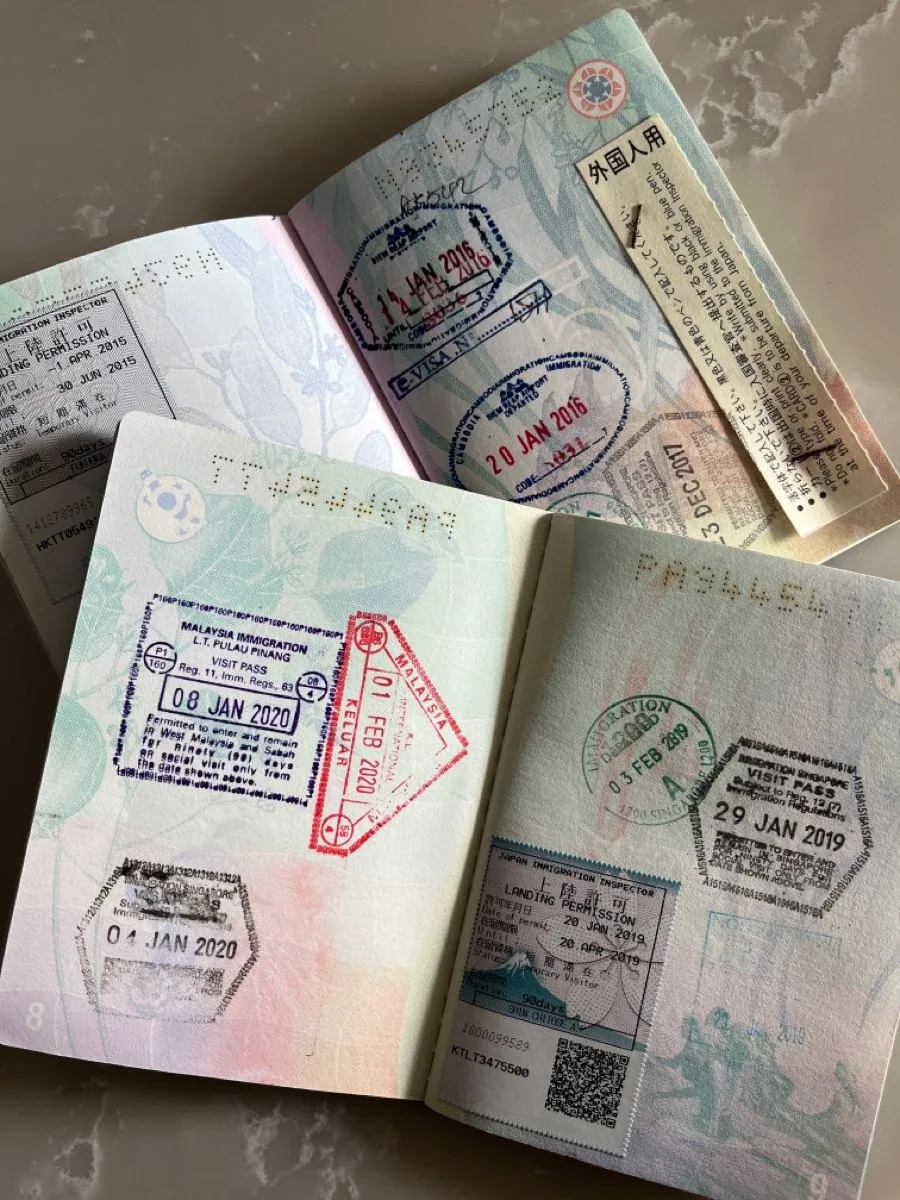
What is the 5-Year Visa Exemption, and who actually qualifies?
The 5-Year Visa Exemption is a re-entry certificate, not a visa in the traditional sense - it lets overseas Vietnamese and the foreign spouses or children of Vietnamese citizens or Viet Kieu enter Vietnam as many times as they want over five years. Each individual stay is capped at 180 consecutive days, so you do need to leave and re-enter (or extend locally) if you’re settling in long-term, but there’s no limit on how many times you can do that within the five-year window.
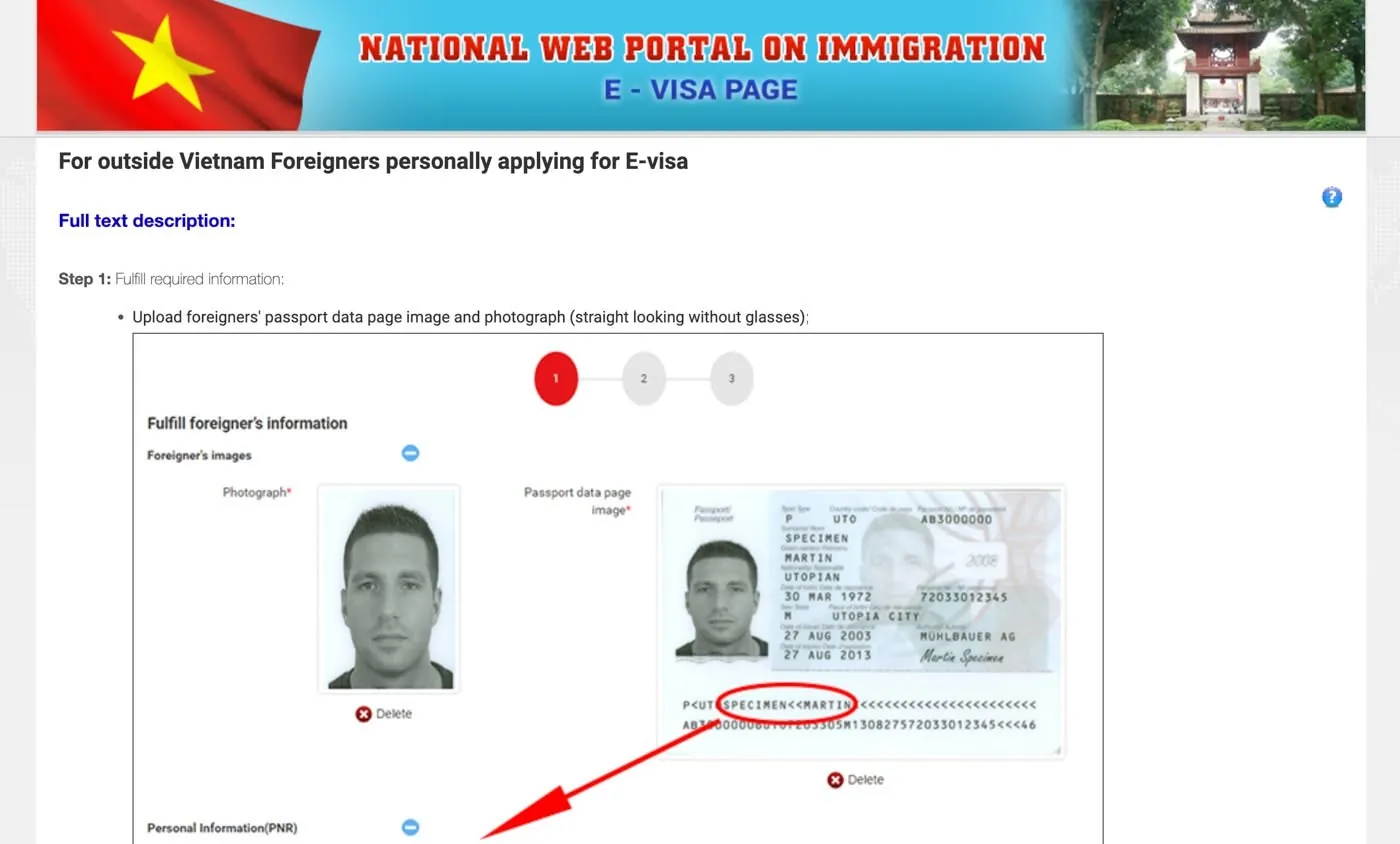
The fee is USD 10 per certificate, and processing runs about 5-7 working days whether you apply at a Vietnamese embassy or consulate abroad or at the Immigration Department after you’ve already arrived in-country. The one hard rule to watch is passport buffer: your certificate has to expire at least six months before your passport itself expires, so if your passport is getting close to the end of its life, renew that first. This exemption carries no work rights on its own - it’s purely a residency and entry document, which is exactly why it’s the cheapest and simplest of the three routes for anyone who qualifies by family ties rather than employment.
Which route works if I have a job or I’m investing in Vietnam?
A TRC is the route that makes sense once you have an underlying legal basis tied to work, investment, or marriage - it’s not something you can apply for cold. The three qualifying categories are LD2 (valid work permit with at least 12 months remaining), DT (investment registration certificate), and TT (marriage to a Vietnamese citizen, which also covers dependents). Validity swings from roughly 1 to 10 years depending on which category you’re in: DT1 investor cards can run the full 10 years, while LD and TT cards are more commonly issued for 2-5 years at a time.

New TRC applications cost about USD 145-165, with renewals running closer to USD 10 - I broke the full document checklist and step-by-step process down in my TRC guide. The bigger change here isn’t the fee - it’s the speed. Decree 219/2025/ND-CP, effective August 7, 2025, replaced the old Decree 152/2020 and merged what used to be a two-step work-permit approval process into a single dossier, cutting the standard processing window from roughly five weeks down to 10 working days. The same decree expanded work-permit exemption categories from a shorter list to 15, adding priority-sector roles in digital, tech, finance, and innovation, and shortened the mandatory job-posting period before application from 15 calendar days to 5 business days. One nuance worth flagging honestly: a TRC does not grant work authorization by itself for LD2-category holders - you still need a separate, currently valid work permit running in parallel, so the TRC and the work permit are two documents, not one. Some agencies also report that TRC issuance in early 2026 is skewing toward LD2 and TT categories with the DT/investor track narrowing, though that’s not confirmed through any official source, so treat it as a trend to watch rather than a fact to plan around.
Is the 90-day e-visa still the right default for everyone else?
The 90-day e-visa is the fallback for anyone who doesn’t qualify for the exemption or a TRC - remote workers, long-term tourists, and people waiting on a work permit or marriage paperwork to clear. It’s open to every nationality, doesn’t require any underlying basis, and you choose single-entry or multiple-entry at the application stage, with the stay itself capped at 90 days either way.

Government fees are fixed at USD 25 for single entry and USD 50 for multiple entry, paid directly through the two official portals, evisa.gov.vn and thithucdientu.gov.vn, which have run in parallel since November 11, 2024. This is the part where I usually step in, because a lot of foreign-issued cards get declined on both portals and there’s no live support to tell you why. What I do by hand is pay the government fee with a card the portal actually accepts, set the correct entry point so it matches where you’re actually landing, and keep the whole thing to a single day instead of the multi-day back-and-forth people get stuck in when a payment silently fails - message me on Telegram and I’ll walk you through it. The one number every e-visa holder needs memorized is the overstay penalty: Decree 282/2025/ND-CP, effective December 15, 2025, doubled the maximum fine to VND 40 million (about USD 1,520) for overstays of a year or more, and now authorizes deportation for anyone who overstays 16 days or longer.
How do I actually choose between these three?
Start with family status, then work status, then tolerance for repeat paperwork - if you want the fuller picture of every long-stay basis (including the DN business visa this comparison doesn’t cover), see my Vietnam long-stay visa breakdown.
- Family ties first: if you’re Viet Kieu or married to a Vietnamese citizen (or their child), the 5-Year Exemption at USD 10 beats every other option on cost and simplicity - there’s no reason to pursue a TRC through marriage unless you specifically want a physical residency card for banking or lease purposes.
- Employment or investment second: if you have (or are about to have) a valid work permit or a DT investment registration certificate, the TRC is worth the USD 145-165 because it converts your 90-day cycling into 1-10 years of stable residency, and the 10-working-day processing under Decree 219/2025 makes it far less painful than it was through 2025.
- Everyone else defaults to the e-visa: if none of the above apply yet, the 90-day e-visa at USD 25-50 is your only legal route, and multiple-entry is worth the extra USD 25 the moment you know you’ll be doing even one visa run during your stay.
- Passport expiry math matters for all three: check your passport’s remaining validity before you apply for anything - six months for the exemption, thirty days for the TRC, and enough runway to cover the full 90 days for the e-visa.
- Overstay risk is asymmetric: a lapsed e-visa or TRC now risks a fine of up to VND 40 million and possible deportation past 16 days under Decree 282/2025, so track your expiry date against your passport, not just the calendar.
If you’re ready to move on any of this, Best Bus - danangvisarun.com handles e-visa applications, visa runs, and border transfers directly through the site, and I’m reachable on Telegram @learnx1000 for questions on visas, e-visas, and visa-run logistics.
Frequently asked questions
Can I hold a TRC and still need to leave Vietnam periodically?
No - a valid TRC allows unlimited entries and exits for as long as the card is valid, with no per-stay cap like the exemption’s 180 days, which is one of the practical advantages of the TRC over the 5-Year Exemption for people who travel for work.
What happens if my work permit lapses while my TRC is still valid?
The TRC itself doesn’t automatically expire, but LD2-category TRCs are tied to having a currently valid work permit running alongside it, so a lapsed work permit puts you out of compliance even if the physical card in your passport still shows a future expiry date.
Does the 5-Year Exemption cover children of Viet Kieu the same way it covers spouses?
Yes - the exemption explicitly extends to foreign spouses and children of Vietnamese citizens or Viet Kieu, not just the spouse alone, which matters for families applying together rather than one member at a time.
Is there a cheaper way to renew a TRC than applying fresh?
Yes - a new TRC runs about USD 145-165, but renewing or extending an existing one costs closer to USD 10, so it’s worth tracking your TRC’s expiry date well ahead of time rather than letting it lapse and having to reapply from scratch.
Which overstay penalty applies if I’m only a few days late on an e-visa?
Under Decree 282/2025/ND-CP, overstays under 16 days carry a fine of VND 500,000 to 2,000,000, rising to VND 5,000,000-10,000,000 for 16-30 days - well below the VND 40 million maximum reserved for overstays of a year or more, but still a real cost worth avoiding.
Can I apply for the 5-Year Exemption while I’m already in Vietnam?
Yes - you can apply either at a Vietnamese embassy or consulate abroad before you travel, or directly at the Immigration Department once you’re already in-country, with the same USD 10 fee and 5-7 working day processing either way.