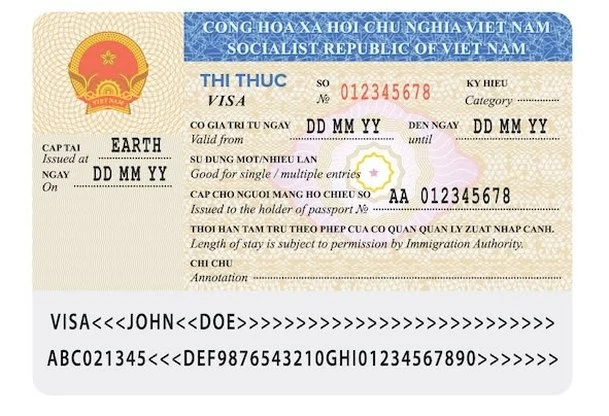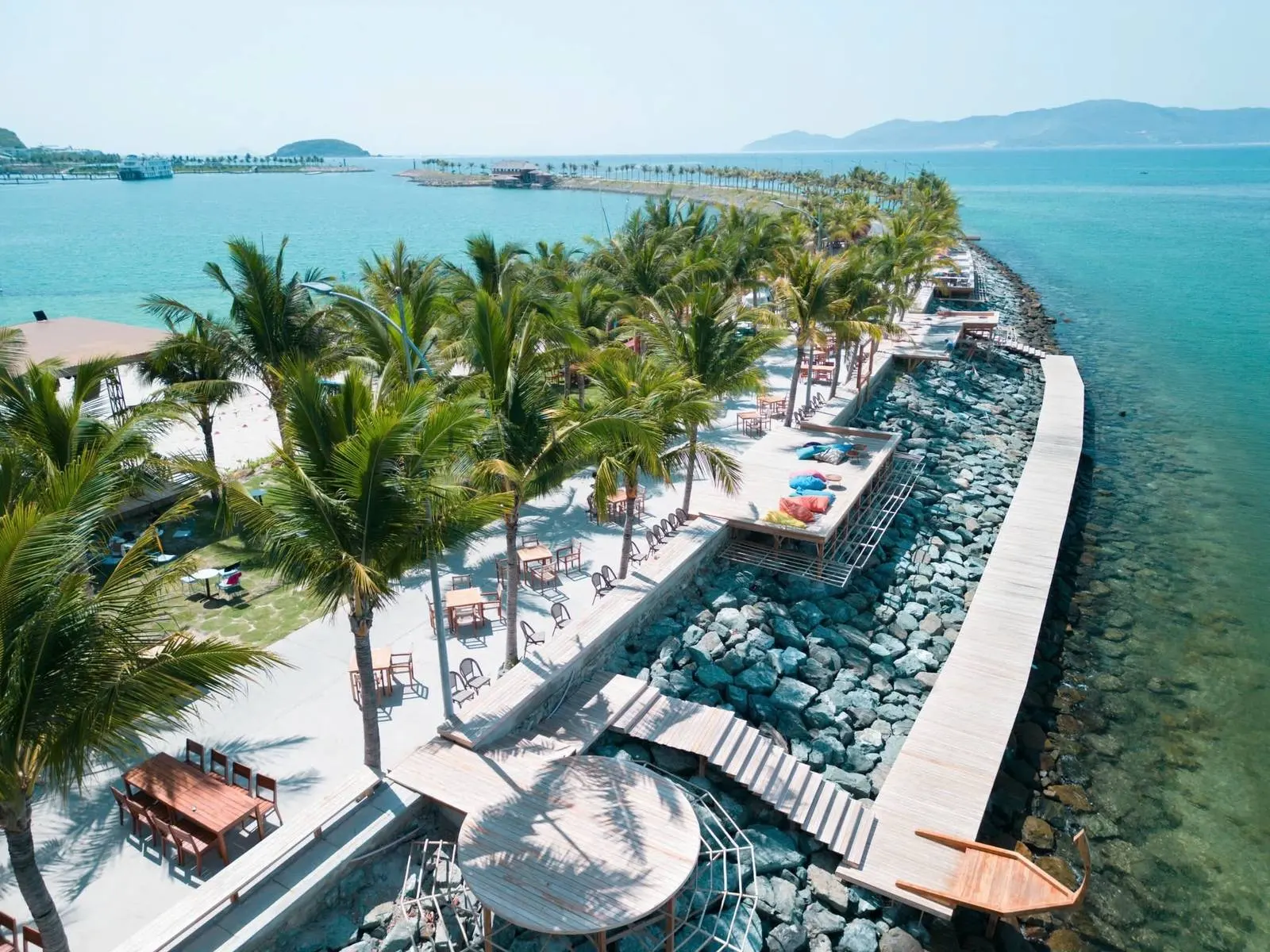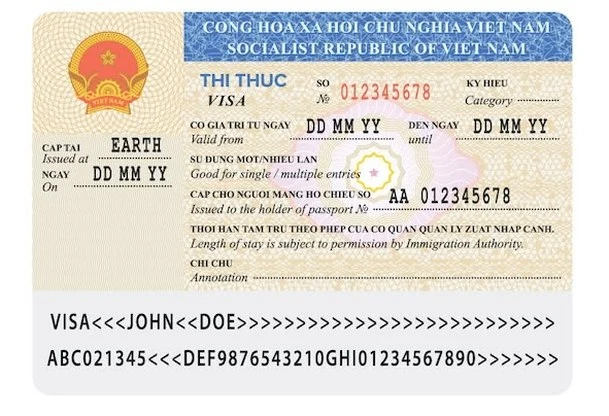
Getting from Ukraine to Vietnam takes one long day of travel and one online visa application. The e‑visa costs $25 for a single entry or $50 for multiple entries and covers up to 90 days, while the journey itself runs about 24 hours with a hub connection in Istanbul, Doha, Dubai or Frankfurt. If you just want the paperwork handled for you, that is a one-day job.
How do you get from Ukraine to Vietnam?
No direct flights connect the two countries, so every itinerary is a land leg plus one or two flights. Most travellers cross into Poland, Moldova or Romania by road, fly to a hub such as Istanbul, Doha, Dubai or Frankfurt, and continue to Ho Chi Minh City or Hanoi. Door to door it takes roughly 24 hours, and fares with one or two connections start around $600 one way.
Check how you are allowed to leave before you pay for anything. Exit rules for men of military age are set by Ukrainian law and change, so confirm them with the State Border Guard Service first. Book the long-haul ticket only after that answer is clear.
Which visa does a Ukrainian passport need?
A Ukrainian passport needs an e‑visa from evisa.gov.vn: $25 single entry or $50 multiple entry, valid up to 90 days. Vietnam has no visa on arrival and gives Ukrainians no visa-free stay on the mainland. Processing takes 3 to 7 working days, so submit at least two weeks before you fly. The full application walkthrough for Ukrainians covers every field on the form.
Two details cause most of the trouble. The portal accepts only Visa and Mastercard, and the entry checkpoint is locked after payment, so a wrong airport means a new application and a second fee. At BestBus Vietnam I pay the government fee with a card the portal takes and set the checkpoint to match your ticket. Message me on WhatsApp with your flight dates, and the details of the 90-day e‑visa service are on the site.
How do you prepare in the 14 days before departure?
- Day 14: confirm the exit rules and pick your route through Poland, Moldova or Romania.
- Day 14: apply for the e‑visa on evisa.gov.vn and list the airport where you will actually land from abroad.
- Day 10: book flights that arrive at that same airport.
- Day 7: buy travel health insurance that covers the first 90 days.
- Day 5: print the approved e‑visa PDF, because some officers ask for paper.
- Day 3: book the first three to five nights only, and look for a longer flat once you are on the ground.
- Day 1: pack some US dollars and a Visa or Mastercard, and keep one copy of the passport page in your bag.
Where should you land first: Ho Chi Minh City, Hanoi or Da Nang?
Most long-haul connections from Europe and the Gulf end in Ho Chi Minh City or Hanoi, and Da Nang is a domestic hop of roughly an hour and a half from either. Land in the hub, sleep one night, and take the morning flight south or north. If your connection reaches Da Nang directly, list Da Nang as the e‑visa checkpoint and skip the extra leg.

The first night is easiest in a walkable district. In Ho Chi Minh City that means the hotel alleys around Pham Ngu Lao, where double rooms are cheap. My own checklist for the border desk is in what to prepare before your flight.
What does the first week in Da Nang look like?
Spend the first week on a hotel, a scooter and flat viewings. A studio runs about $260 to $350 a month, and a monthly budget of $600 to $800 covers one person comfortably. Ukrainian and Russian-speaking Facebook groups such as Da Nang Expats list flats without an agent fee, and viewing three or four in one afternoon is normal.
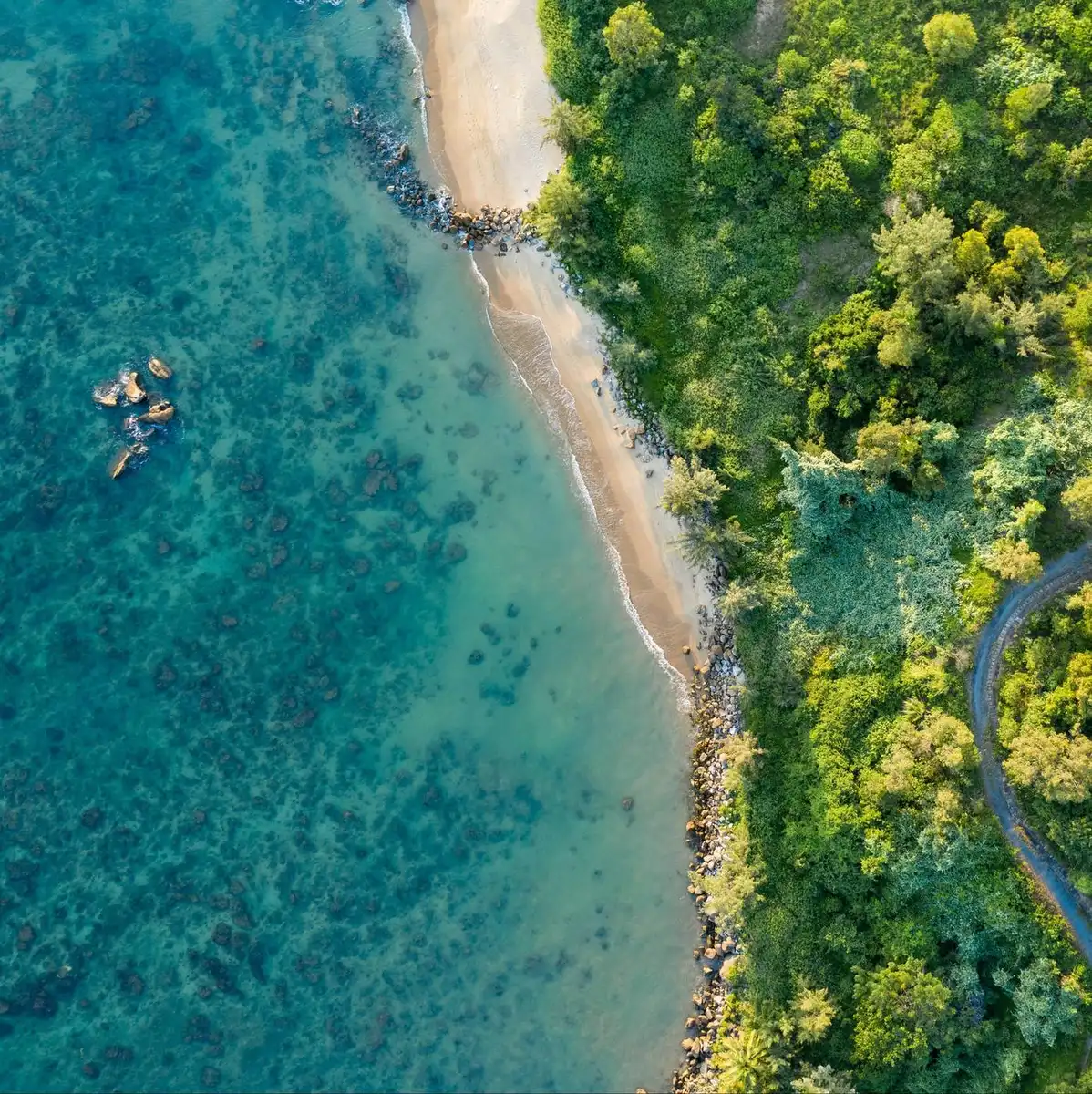
The sea is a short scooter ride from most districts, so the first free evening usually goes to the beach. Do the boring tasks in the first three days: a local SIM, a scooter rental and a walk through the neighbourhood you plan to live in.
What should you see on the first weekend?
Ba Na Hills is the standard first weekend outing from Da Nang, a cable-car ride to a viewpoint that often sits above the clouds. Go early, because the cloud layer burns off by late morning and the queues grow. Take a jacket, since the top is noticeably cooler than the coast.

What happens when the 90 days run out?
A single 90-day e‑visa ends on the printed date, and the usual way to stay longer is a visa run: leave through a land border, then re-enter on a new e‑visa applied for in advance. From Da Nang the Lao Bao crossing into Laos is a one-day round trip, and the Lao Bao visa run guide has the schedule. Apply for the new e‑visa a week before the border day.
You can do all of this yourself: the portal form takes twenty minutes and the flights are a matter of patience. If you would rather not track the dates, the checkpoint and the day-90 run, send me your travel dates on WhatsApp and I will tell you what is realistic for your week.