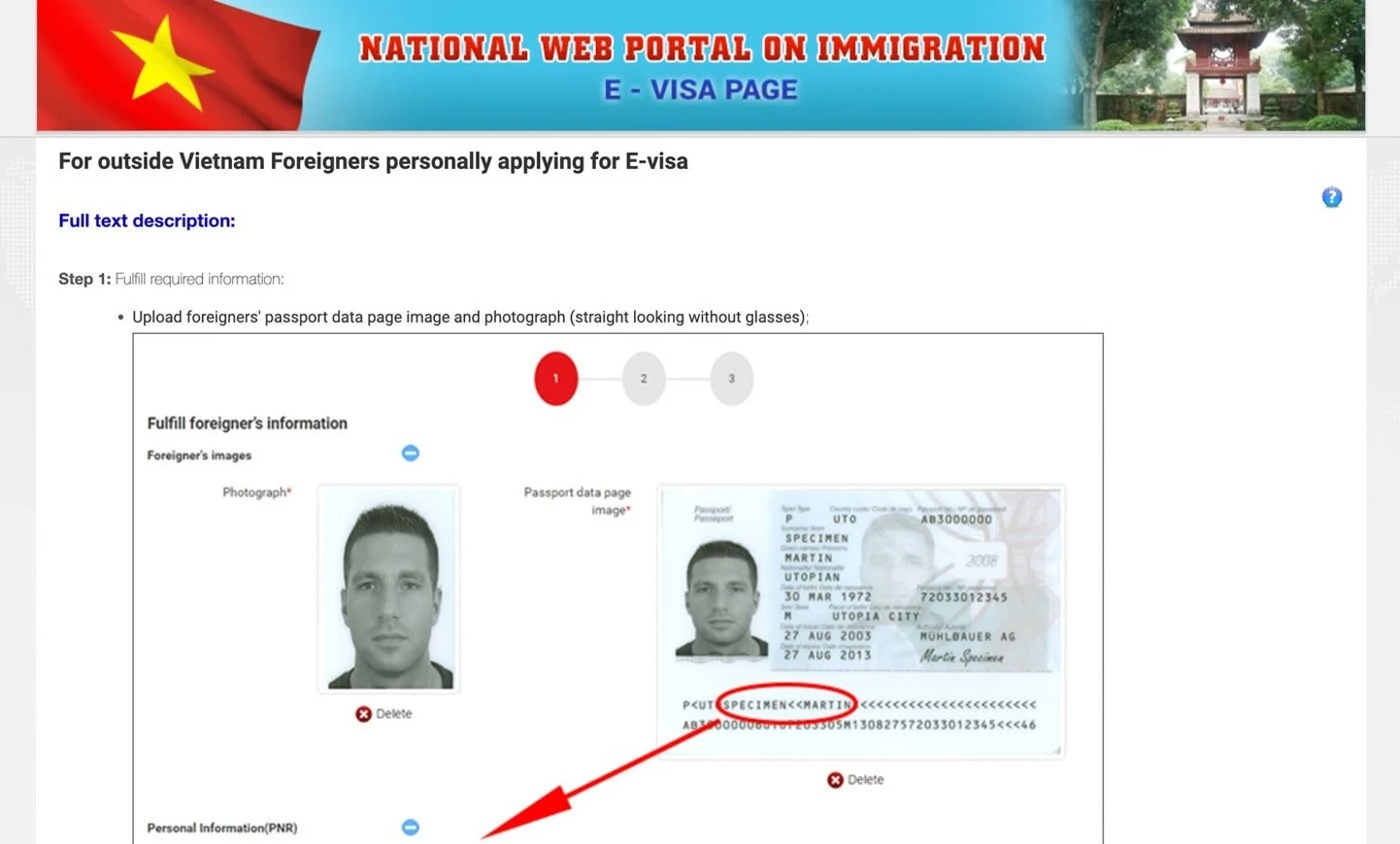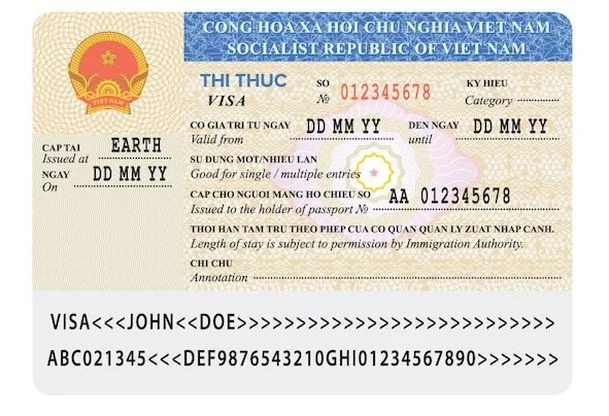
I’ve done this trip planning conversation maybe two hundred times from Da Nang: a traveler wants to stay in Vietnam longer than one 90-day e‑visa allows, so they book two e-visas back to back instead of one. On paper it looks simple. In practice, the two applications almost never line up on their own, and the gap between them is where people lose days they already paid for.
The 90 days start on the date you typed, not the date you land
A Vietnam e‑visa clock starts on the entry date written in the application, not on the day you actually cross the border. Type October 1, land on October 10, and the visa still ends in late December - those first ten days are gone whether you used them or not. The same rule cuts the other way: you cannot enter before the date on the visa, immigration will simply turn you back.

That’s why the second e‑visa in the pair can’t be dated “a few days early just in case.” The entry date on visa two needs to match the exact day you plan to cross, or you either burn days you paid for or leave a gap with no valid visa at all.
Processing time is measured in business days, not calendar days
The portal quotes three business days. Over four years I’ve never once seen it land exactly on three - five to seven calendar days is normal, and during high season or around Vietnamese holidays it can stretch to two or three weeks. Weekends and Vietnamese public holidays don’t count toward the clock at all: submit Friday evening, and the timer only starts Monday morning.
Planning two visas means running this math twice, and the second calculation usually gets rushed because people are focused on the trip in front of them, not the one three months out.
Where the two applications drift apart
If you’re doing the whole two-visa stack yourself without any help, our full breakdown of stacking two e-visas for 180 days total covers the DIY side in detail — this piece is about the specific point where the two applications fall out of sync. I see the same three mistakes on repeat. People plan around their flight date instead of the visa expiry date, and those two dates are almost never the same. The second application gets submitted early “for safety” with an entry date a week after the real plan, and that week simply disappears. And the entry point on the second form doesn’t match the actual crossing - booked for the airport, then the route changes to a land border, and the paperwork no longer matches the trip. This part can be handed over end to end — what that covers is on our Vietnam e-visa 90 days page.
What it actually takes to line up two visas without losing a day
Lining up two e-visas correctly means working backward from the expiry date of the first one, setting the entry date on the second to match the day you’ll actually cross, and double-checking that the entry point on the new application matches your real route. The government fee also has to go through - plenty of foreign cards get declined on evisa.gov.vn, which is the point where a lot of people get stuck two days before a flight. Not interested in tracking two applications and two deadlines yourself - message me on Telegram and I’ll match the paperwork to your actual dates.
A three-day gap turned into a flight to Bangkok
A couple I worked with had their first visa expiring on December 14 and had already filed the second one themselves with an entry date of December 17 - “just to be safe.” That left a three-day gap with no valid visa on either side, and by the time they noticed, the land border crossing no longer fit their remaining schedule. They ended up booking a same-day flight to Bangkok and back just to reset the clock. A three-day typo in the entry date turned into the price of a plane ticket, for a problem that one correctly chosen date would have avoided entirely.

Crossing the border between two visas takes one day if both are ready
If both e-visas are approved ahead of time and the dates connect properly, crossing between them is no different from a normal visa run: out in the morning, back in the evening on the new visa. If either visa isn’t ready, the crossing adds hours of on-the-spot processing, and travelers end up paying twice - for the rush fee and for the trip itself. Russians get a free 15-day stamp on the Laos side; Cambodia’s visa on arrival runs $35, so Laos is the cheaper of the two for a same-day turnaround.

Everything above comes down to one number: the expiry date of your first visa, which everything else is calculated backward from. If your two visas are already close together and you don’t want to run the calendar math yourself, send me both travel dates on Telegram and I’ll map out how the dates should line up.