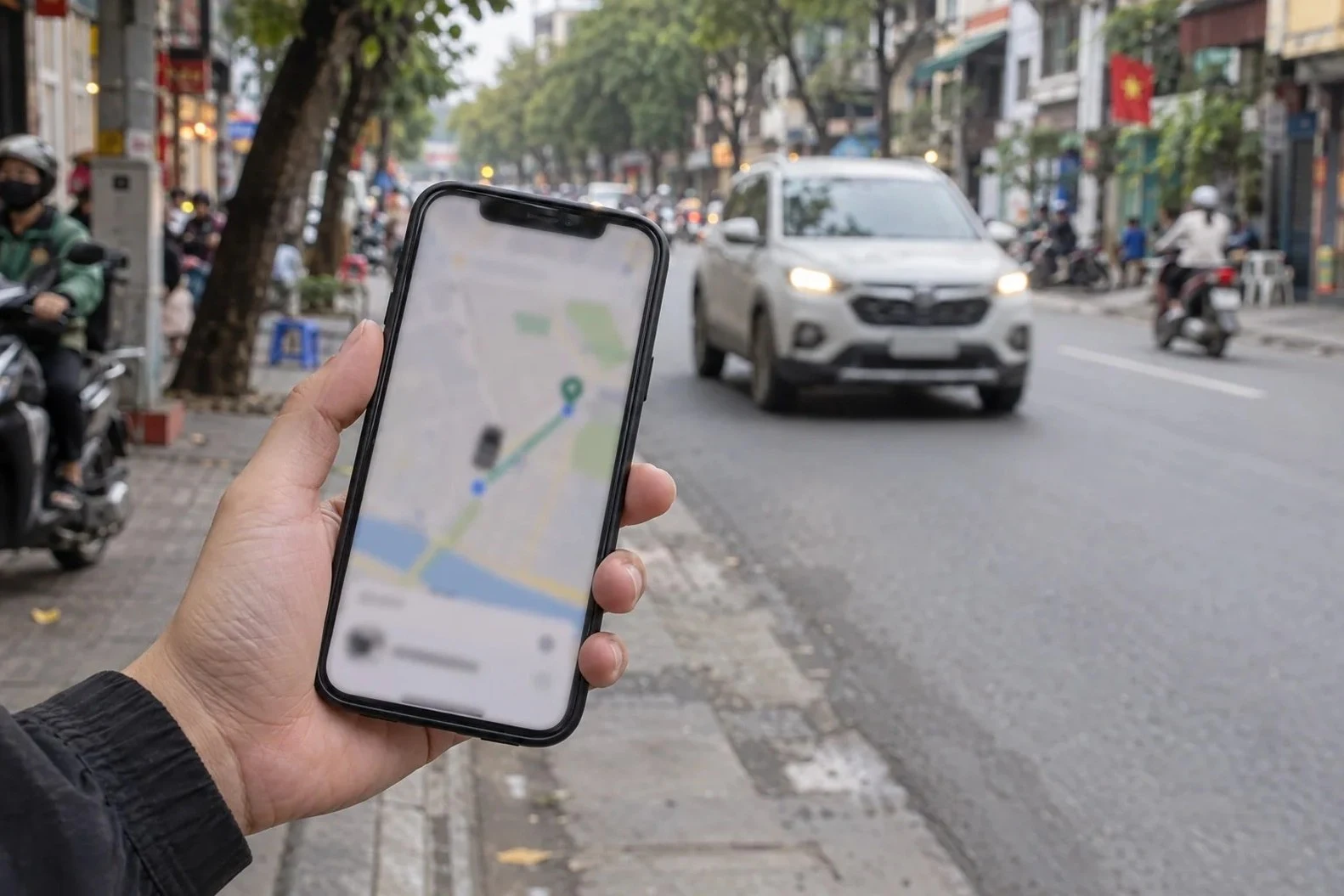
A Vietnam SIM can be topped up from abroad through reseller sites such as Ding and MobileRecharge, and inside Vietnam with a scratch card that starts at 10,000 VND. The operators’ own apps expect a Vietnamese number and a Vietnamese bank card, which is why the resellers exist.
Can you top up a Vietnam SIM from abroad?
Yes, through a third-party reseller. The operator’s own channels are the weak spot: viettel.vn signs you in with a one-time code sent to a Vietnamese number, and Viettel’s pages describe no foreign-card payment. Treat My Viettel as a Vietnamese-card tool, and test the card option in the app yourself once you have a working SIM.
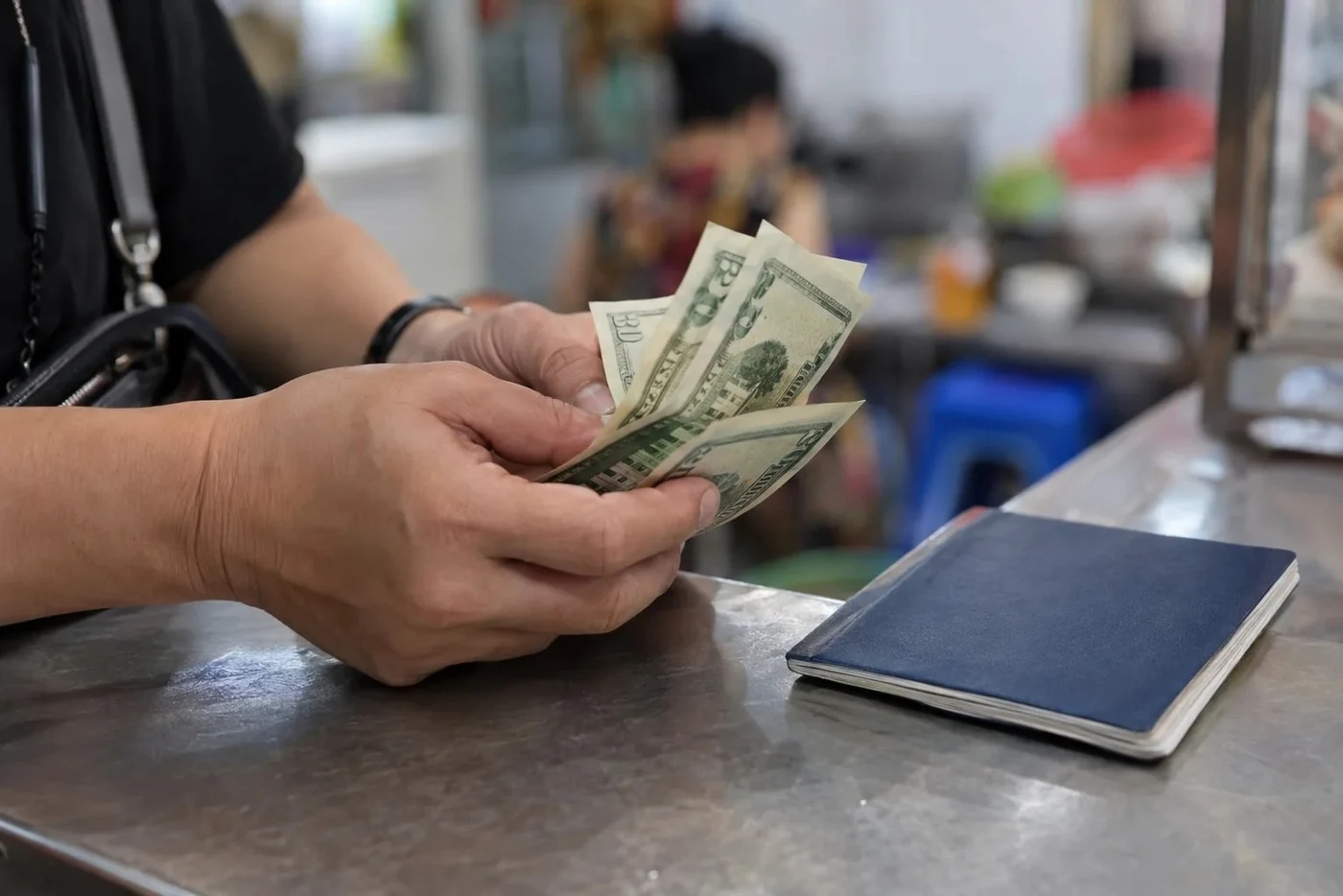
A reseller sends the credit to the Vietnamese number for you. You choose Vietnam, type the number, pick an amount and pay at checkout. Ding says delivery takes about three seconds, and MobileRecharge says it arrives instantly or within a few minutes. MobileRecharge lists Visa, Mastercard, American Express, PayPal, Apple Pay and Google Pay. Both show the final price before payment, so compare the total on two sites before you pay.
How do you top up step by step with a foreign card?
The whole routine takes about five minutes and needs only the number and a card that works online.
- Write the full number with the country code +84 and without the leading zero, so 0900 000 000 becomes +84 900 000 000.
- Open the reseller, choose Vietnam and the operator, which the site usually detects by itself.
- Pick the amount and read the final price on the summary screen.
- Pay with a card, PayPal, Apple Pay or Google Pay.
- Wait for the email receipt. Some operators also send a PIN that has to be typed into the phone, which only works if the phone is in someone’s hands.
- Dial *101# on Viettel to see the balance.
Top-up adds credit only. After the money lands, check in the operator app that the plan you want is still active.
What if you are in Vietnam without a Vietnamese bank card?
Buy a scratch card, called thẻ cào. Values run from 10,000 to 500,000 VND, and the cards are sold in phone shops, supermarkets and neighbourhood grocery stalls. Residents buy them at the corner tạp hóa shop, and a hotel front desk will usually point you to one.

Scratch the strip to reveal the 13 or 15 digit code, then dial 100code# and press call, as Viettel’s retail shop explains. A text message confirms the credit. Postpaid numbers use 199code# instead. A small markup is possible away from official shops, and one traveller report puts it at 105,000 VND for a 100,000 card. I would buy the card in a supermarket or an operator shop rather than from a roadside stall, since a markup is likelier there.
MoMo and ZaloPay can top up any Viettel number from their phone-credit section, but the wallet has to be funded from a Vietnamese bank or with cash. That makes them a resident’s tool more than a tourist’s.
How long does a prepaid number last, and does it need re-registering?
It depends on the plan. On Viettel’s Economy prepaid plan (ask the shop which plan your SIM is on, or look in My Viettel), the outgoing service stops when the term ends, two-way blocking follows 10 days later, and the number is held for another 30 days before it is released. A Tomato-type plan runs about 60 days before the first block, according to a Vietnamese telecom explainer. Topping up extends the term in proportion to the amount, and paying while the number is blocked normally lifts the block. A free text with GC to 195 shows your expiry date.
There is also a registration deadline. Since April 15, 2026, Circular 08/2026 has operators check your face against the entry and exit database or at a counter. A new handset blocks outgoing calls within 2 hours, and you have 30 days to confirm. The full sequence of blocks is in my guide to a Vietnam SIM card for a long stay.
The rules ask for a passport with a valid permitted stay, so your number and your visa status are tied together. The same foreign-card problem hits the government e‑visa portal, where evisa.gov.vn often rejects cards at the payment step. The form is easy to fill in on your own, and the card is what fails. At BestBus Vietnam I handle 90-day e-visas end to end: I fill the form, pay the fee with a card that clears and pick the right entry point. Message me on WhatsApp if your stay is close to ending and you want it filed without a payment error.
Which plan is worth topping up for, and what does it cost?
A month of Viettel tourist data costs about $2.70 for 500 MB a day and up to $5.79 for 5 GB a day, according to a price aggregator checked on October 13, 2026. The tourist plans on that list have fixed data volumes, so choose by daily gigabytes. A tourist plan carries a +84 number that works for Zalo, Grab and bank codes.
A data-only eSIM from a reseller costs from $4.56 for a week to $19.90 for a month, per the same listing, and gives no Vietnamese number, so it cannot receive local text codes. If you only need maps and messengers, it spares you the top-up routine altogether. For a stay longer than a short trip I would still take the registered SIM, since local bank codes only reach a Vietnamese number. Set it up first and use the first-week relocation checklist for the order of the other tasks.
Which top-up route should you use?
Abroad, use a reseller and compare the final price on two sites. In Vietnam, buy a scratch card and dial 100code#. Keep a reminder to top up before the term ends, because a blocked number is a nuisance when bank codes are sent to it. Once the SIM works, the next job is a Vietnamese bank card on an e‑visa.
| Route | Where it works | You pay with | Catch |
|---|---|---|---|
| Reseller site (Ding, MobileRecharge) | Abroad or in Vietnam | Card or wallet | Fee is shown only at checkout |
| Scratch card | In Vietnam | Cash | Dial 100code#, markup possible off official shops |
| MoMo or ZaloPay | In Vietnam | Vietnamese bank or cash in the wallet | Wallet must be funded locally |
| My Viettel app | In Vietnam | Vietnamese bank card | Sign-in needs a Vietnamese number |
Topping up is a five-minute job, and you can fill in the e‑visa form on evisa.gov.vn yourself in an evening. What tends to go wrong is the payment step and the choice of entry point. If your days are running low, write to me with your entry date on WhatsApp and I will tell you which option fits your dates: an extension, a new e‑visa or a border run.
Frequently asked questions
Can a friend top up my Vietnam number from another country?
Yes. Credit goes to the number, not to the payer. Resellers ask only for the recipient’s number, so anyone who knows it can send credit with their own card.
My reseller top-up did not arrive. What should I do?
Check the email receipt first, because some operators send a PIN that has to be typed into the phone. Delivery is advertised as seconds to a few minutes. If nothing has arrived after that, write to the reseller’s support with your order number. Ding states that its support runs around the clock.
Does the same method work for Vinaphone and MobiFone?
Both resellers send credit to Viettel, MobiFone and Vinaphone numbers, so the online route is the same. For scratch cards, read the dialling code printed on the card instead of assuming Viettel’s 100code#.
How much should I top up for the first month?
Start from the price of the plan you want and add a buffer. Tourist plans run from about $2.70 to $5.79 for 30 days, and scratch cards come in values from 10,000 to 500,000 VND. The credit also keeps the number alive, so a small buffer is useful.