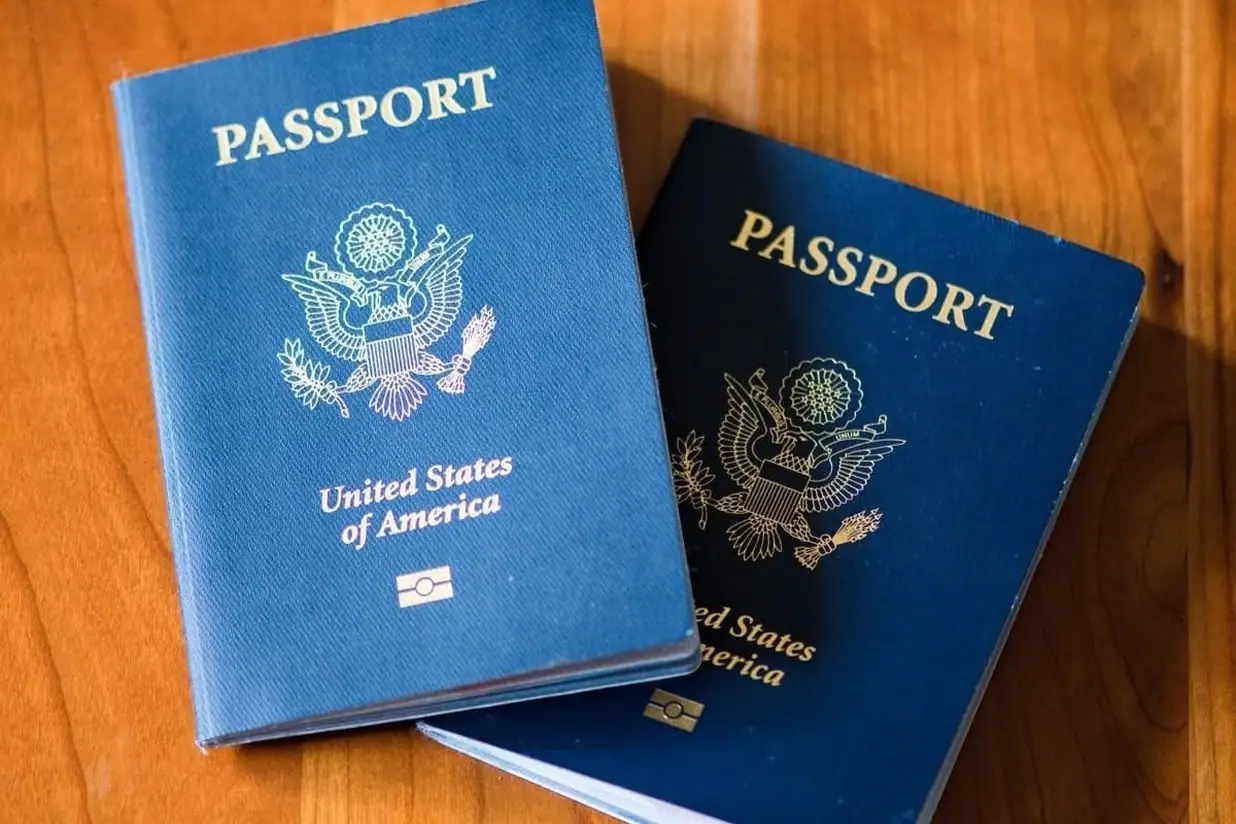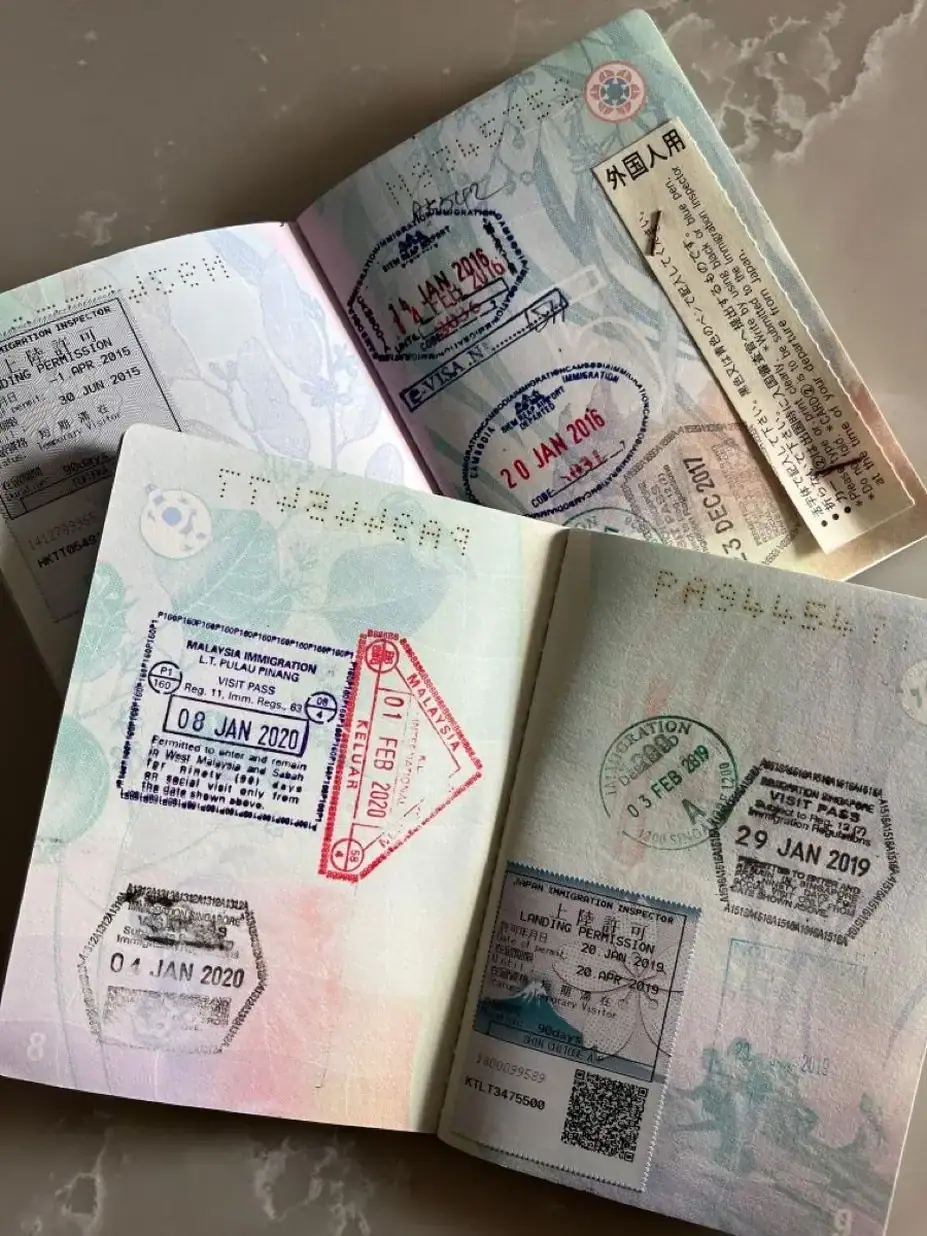
A one-to-three-month trial is the safest way to test Vietnam before you sign a lease, take a job, or buy a one-way ticket. Vietnam’s e‑visa allows single or multiple entry for up to 90 days, with a government fee of $25 for single-entry and $50 for multiple-entry - the fee is non-refundable even if the application is denied.
If you’d rather have someone else handle the visa paperwork while you focus on the trial itself, that’s an option too, but here’s how to plan the test yourself first.
Why Test Vietnam Before You Move?
A stamp in your passport proves you can enter the country. It doesn’t prove you can build a life there. Visa-free access exists for some passports - Russia’s runs to 45 days through March 2028 - but tourist entry never grants residency or the right to work, so the trial period is where the real answer shows up.
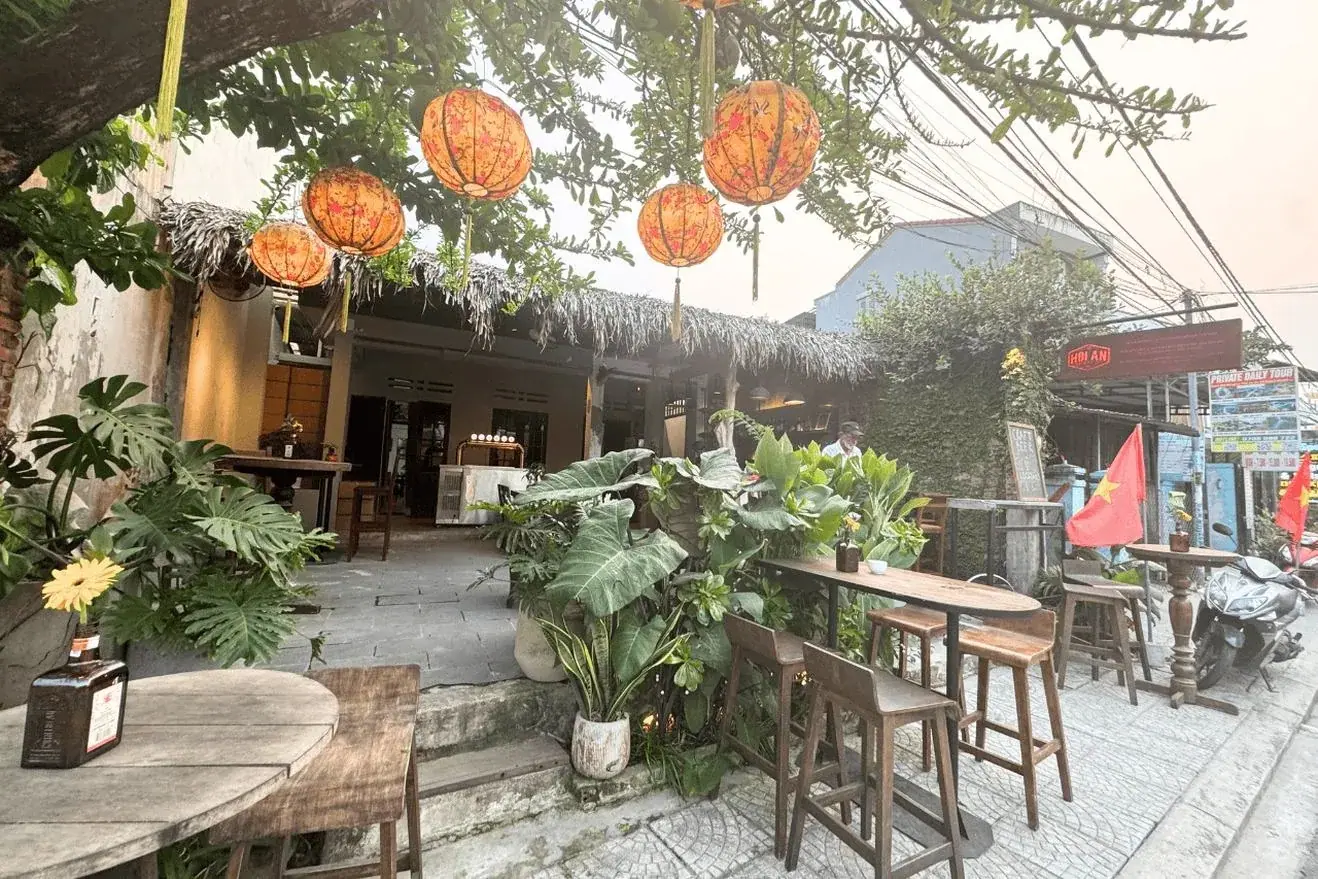
Treat the trial as reconnaissance, not a move. Split it into at least two different neighborhoods or cities instead of racing through five in a week. A resort area that feels perfect on vacation can be the wrong place to hold a 9am call six days later, once the bar noise starts at sunset.
How Much Does a Trial Month Cost?
A one-month trial in central Vietnam runs on a weekly budget once you strip out the deposit you’d pay for a long lease. Short-term studios start around $250 a month in secondary neighborhoods, but a month-to-month rental usually adds a 10-20% premium over a one-year contract.

Budget for a trial month typically includes: short-term accommodation without a deposit; food and daily transport; a local SIM and backup internet; travel insurance covering the full trip; the e‑visa fee; and a buffer for one unplanned expense, like a clinic visit or a changed flight.
This is the step where most people get stuck: the official e‑visa portal rejects a surprising number of foreign cards, and a rejected payment doesn’t get refunded. I handle this part for people who’d rather not risk it - pay the $25 or $50 fee with a card the portal actually accepts and confirm the application the same day. All I need from your side is a passport scan and your travel dates.
Which City Should You Base In?
Da Nang and Ho Chi Minh City test very differently, and picking the wrong one wastes half your trial. Da Nang has lighter traffic and a shorter commute for anyone working remote hours against a home-country timezone, while Ho Chi Minh City has denser infrastructure and more coworking options but a heavier daily commute.

Match the city to your actual routine, not to travel photos. A remote worker needs stable connectivity and quiet mornings more than nightlife; a family needs a school and a clinic within a short ride, not a beach view. Spend at least a week in a neighborhood before judging the noise, the walk to groceries, and how the internet holds up inside the apartment, not just in the lobby.
If you’re weighing more than two cities at once, I compared the visa-run logistics for each in Da Nang vs Ho Chi Minh City vs Nha Trang - worth a look before you settle on a base.
What Visa Rules Apply During a Trial?
The 90-day e‑visa is your legal ceiling for a trial unless you already qualify for a longer-term status. As of August 7, 2025, Decree No. 219/2025/ND-CP governs work permits: an employer usually files the application, and a decision on a complete file comes within 10 working days.

Remote work for a foreign employer doesn’t remove the migration and tax questions either - the answer depends on how long you stay and where the income is taxed, and that’s worth a real consultation rather than advice from an expat group chat. If the border-crossing part of a longer stay sounds like a hassle, our e‑visa service handles the application and payment end to end once you’re ready to move past the trial.
What Should You Decide After the Trial?
The trial answers three questions, not one: can you afford the real monthly cost, does the city fit your actual routine, and does a legal path exist for staying longer than the e‑visa allows. If any answer is no, that’s the trial working - better to find out on a month-to-month rental than after a one-way ticket.

Once those three line up, the visa run and paperwork are usually the part people want off their plate. Message me on Telegram and I’ll tell you what’s realistic for your dates.