Tay Trang is the border gate that connects Dien Bien Phu, in northwest Vietnam, to Sop Hun in Laos’s Phongsaly province. It’s on Vietnam’s official list of e‑visa exit points, so you can leave Vietnam here on a standard e‑visa - but Laos stopped issuing visa on arrival at this crossing back in January 2020, so you need a Lao visa sorted before you show up.
I run visa logistics for travelers moving through Vietnam’s land borders, and Tay Trang is one of the crossings people ask about most because the information online is thin and sometimes wrong. Here’s what’s actually confirmed.
Where Is Tay Trang and How Do You Get There From Dien Bien Phu?
Tay Trang sits about 35 km from Dien Bien Phu on National Route 12 (QL12), roughly a two-hour drive. From the Vietnamese checkpoint, it’s another 6 km of no-man’s-land before you reach the Lao side at Sop Hun.

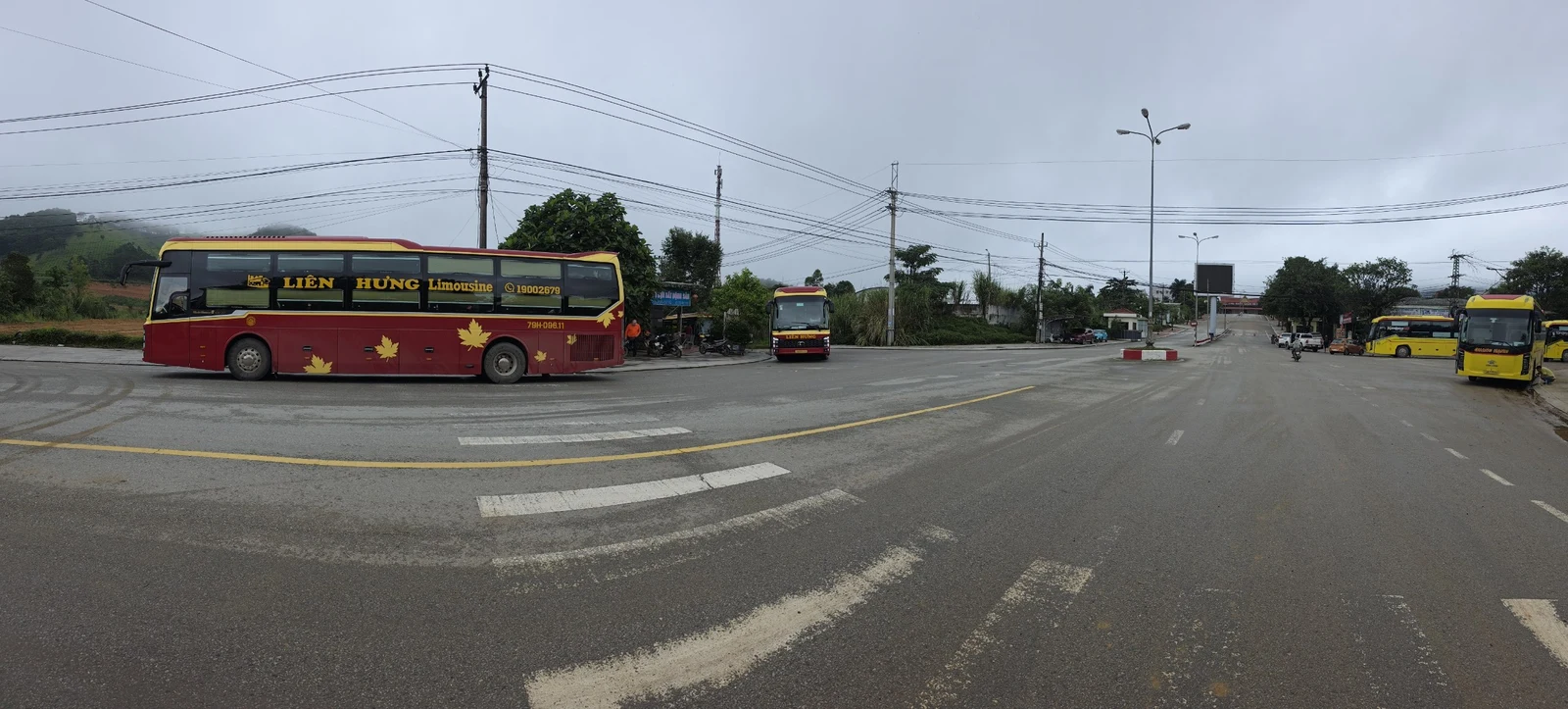
There’s no town at the crossing itself - just the border post, with a small shop that can also change money. On the Lao side, the closest place with guesthouses is Muang Mai, about 30 km past the checkpoint, and most travelers keep going to Muang Khua, roughly 65 km from the border, where there are more rooms and onward transport, including river boats toward Nong Khiaw. Most travelers don’t try to cross independently and wait for transport on the Lao side; a through-bus or minivan booked in advance is the practical option, since taxis rarely wait at Sop Hun. On the Vietnamese side, road conditions between Dien Bien Phu and Tay Trang have historically had rough, unpaved stretches near a quarry, while the Lao side toward Muang Khua has generally been reported in better shape.
Can You Exit Vietnam at Tay Trang on an E‑Visa?
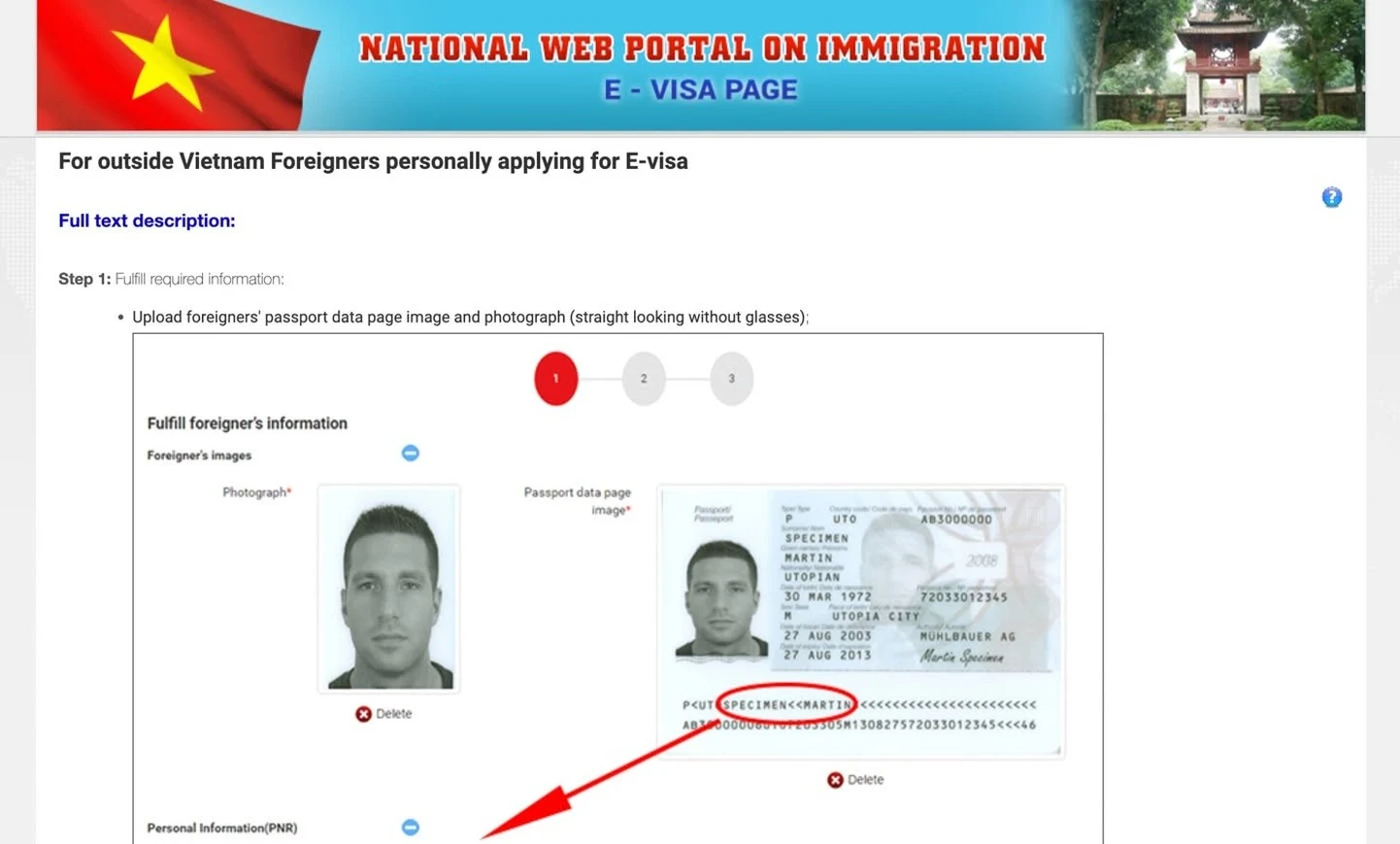
Yes. Tay Trang is listed among Vietnam’s approved land border gates for e‑visa entry and exit, a status that changed after 2019-2020 - before that, e‑visa holders couldn’t use this particular crossing. Check the current gate list on the official e‑visa portal before you travel, since Vietnam updates it periodically.

Vietnam doesn’t issue visa on arrival at any land crossing, including Tay Trang - that option only exists at international airports. If you’re entering Vietnam overland here, you need a pre-arranged e‑visa, an embassy visa, or a valid exemption before you reach the checkpoint.
Is There a Laos Visa on Arrival at Sop Hun?
No. Laos removed visa on arrival from the Sop Hun side of this crossing starting in January 2020, along with several other minor Vietnam-Laos gates. If you’re heading into Laos through Tay Trang, get your Lao visa from an embassy or consulate, or through Laos’s e‑visa system where it’s accepted, before you leave Dien Bien Phu.
This catches people off guard because bigger crossings further south, like Lao Bao, still process Lao visa on arrival - so travelers assume every gate works the same way. It doesn’t, and there’s no visa office at Tay Trang itself to fix the gap on the spot.
How Does the Tay Trang Crossing Work, Step by Step?
The order matters here because there’s no visa desk between the two checkpoints and nowhere to backtrack once you’ve exited Vietnam.

- Get your Lao visa before you leave Dien Bien Phu. Book it through an embassy, consulate, or Laos’s e‑visa channel, since the border post itself doesn’t issue one.
- Book transport to the border. A direct bus or minivan from Dien Bien Phu to Muang Khua is the standard route; travelers without a booked ride report sparse onward transport on the Lao side.
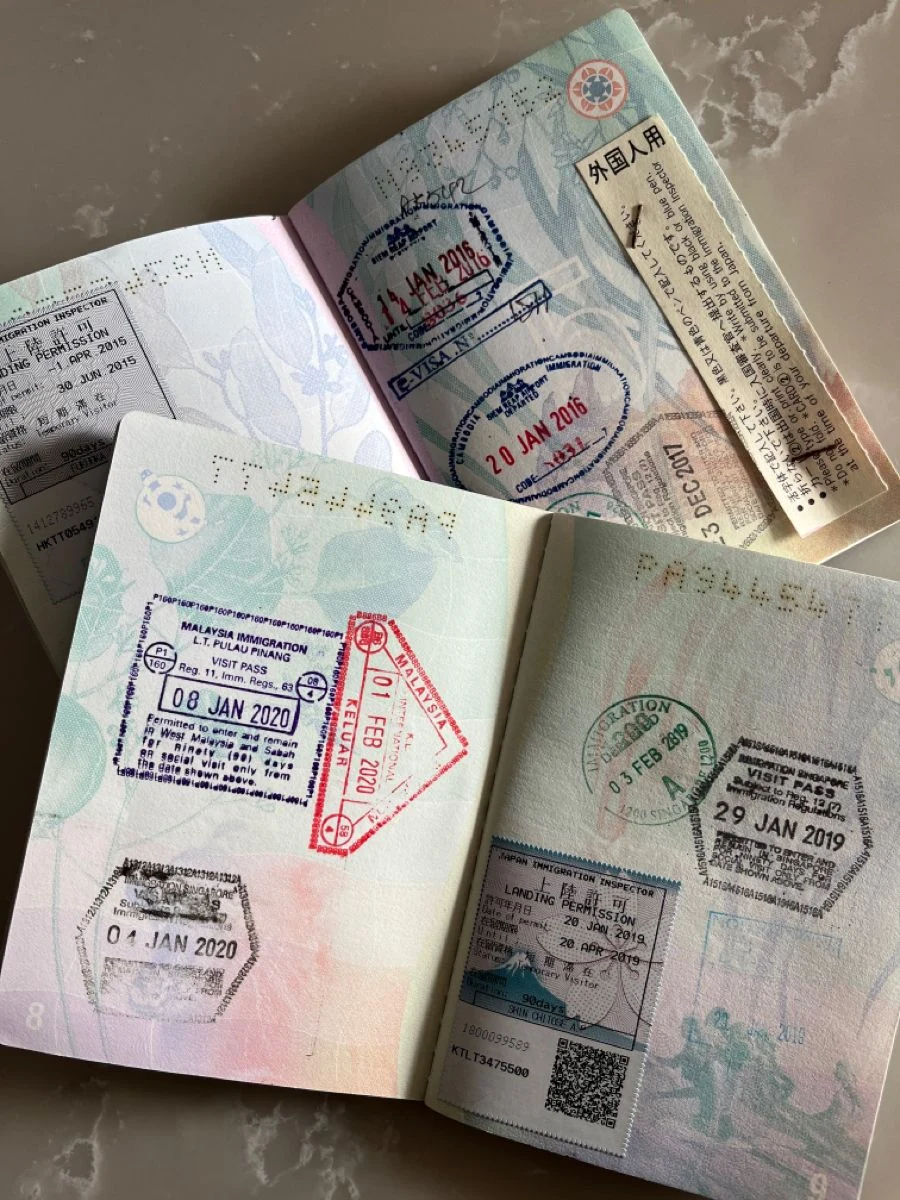
- Clear Vietnamese exit control at Tay Trang. Show your passport and valid Vietnam visa or e‑visa for exit stamping.
- Cross the 6 km stretch to Sop Hun. Your transport covers this no-man’s-land section; walking it is impractical for most travelers.
- Clear Lao entry control at Sop Hun with your pre-arranged Lao visa, then continue toward Muang Khua or onward to Muang Xay and Luang Prabang.
What Goes Wrong at This Crossing?
The most common mistake is assuming Laos visa on arrival works here because it works at other Vietnam-Laos gates - travelers who show up without a visa simply get turned back at the checkpoint. The second is underestimating the road: expect roughly 3.5 hours total from Dien Bien Phu to the Lao side of the border once both checkpoints are factored in; reaching the Vietnamese post alone already takes about two hours. This part can be handed over end to end — what that covers is on our Da Nang visa run page.

Booking your e‑visa exit point wrong is a related headache I see often with clients heading through northern land crossings - the exit gate has to match what’s listed on your e‑visa application, and fixing a mismatch after the fact means filing a fresh application. You can check the gate list yourself on the e‑visa portal before you submit, but if your dates are tight and you’d rather have someone confirm it for you, message me on WhatsApp with your route and I’ll check the form matches before you send it.
Should You Use Tay Trang or a Bigger Border Gate?
Tay Trang makes sense if your route runs through Dien Bien Phu toward Muang Khua, Nong Khiaw, or Luang Prabang in northern Laos - it’s the direct line for that itinerary. If your trip starts further south, Lao Bao or Bo Y are shorter detours and still issue Lao visa on arrival, which removes one planning step. Pick the gate that matches your route first, then sort the visa question for that specific crossing rather than assuming any Vietnam-Laos border works the same way.
You can work out the Lao visa and gate-matching questions yourself with an embassy visit and a careful read of the e‑visa portal - plenty of travelers do. But if you’d rather not chase down a Lao visa office and double-check gate eligibility on your own, I handle e‑visa applications and gate selection at BestBus Vietnam daily. Write to me on WhatsApp with your travel dates and I’ll tell you what to line up before you go.
Related reading: if your route runs through central Vietnam instead, the Bo Y border gate guide and the Lao Bao crossing hours breakdown cover the two more commonly used e‑visa exit points into Laos.
Frequently asked questions
Can I use my Vietnam e‑visa to enter and exit through different gates?
Yes - Vietnam’s e‑visa portal states entry and exit gates don’t have to match. You pick both when you fill in the application, so if you’re flying into Vietnam and planning to leave overland at Tay Trang, just select it as your exit gate on the form.
What happens if I show up at Sop Hun without a Laos visa?
You’ll be turned back at the checkpoint. There’s no visa office at this crossing, so travelers without a pre-arranged Lao visa or accepted e‑visa can’t get one on the spot - plan to sort it in Hanoi, Dien Bien Phu, or online before you travel.
Is Tay Trang open to independent travelers, or only tour groups?
It’s open to individual foreign travelers, not just tour groups - some outdated sources claim otherwise, but bus companies and independent crossers use it regularly. The practical limit is transport, not eligibility: book a through-bus rather than trying to walk across independently.
Can I cross Tay Trang by motorbike or private car?
This isn’t confirmed for Tay Trang specifically. Vehicle crossing with a temporary import permit is allowed at some Vietnam-Laos gates but not universally, so check with Vietnamese customs and your rental agreement before assuming you can ride or drive across here.
Is there a direct bus from Dien Bien Phu all the way to Luang Prabang?
Not typically as one ticket. The common route is Dien Bien Phu to Muang Khua by bus, crossing at Tay Trang and Sop Hun, then a separate onward leg to Nong Khiaw or Luang Prabang by boat or bus once you’re in Laos.