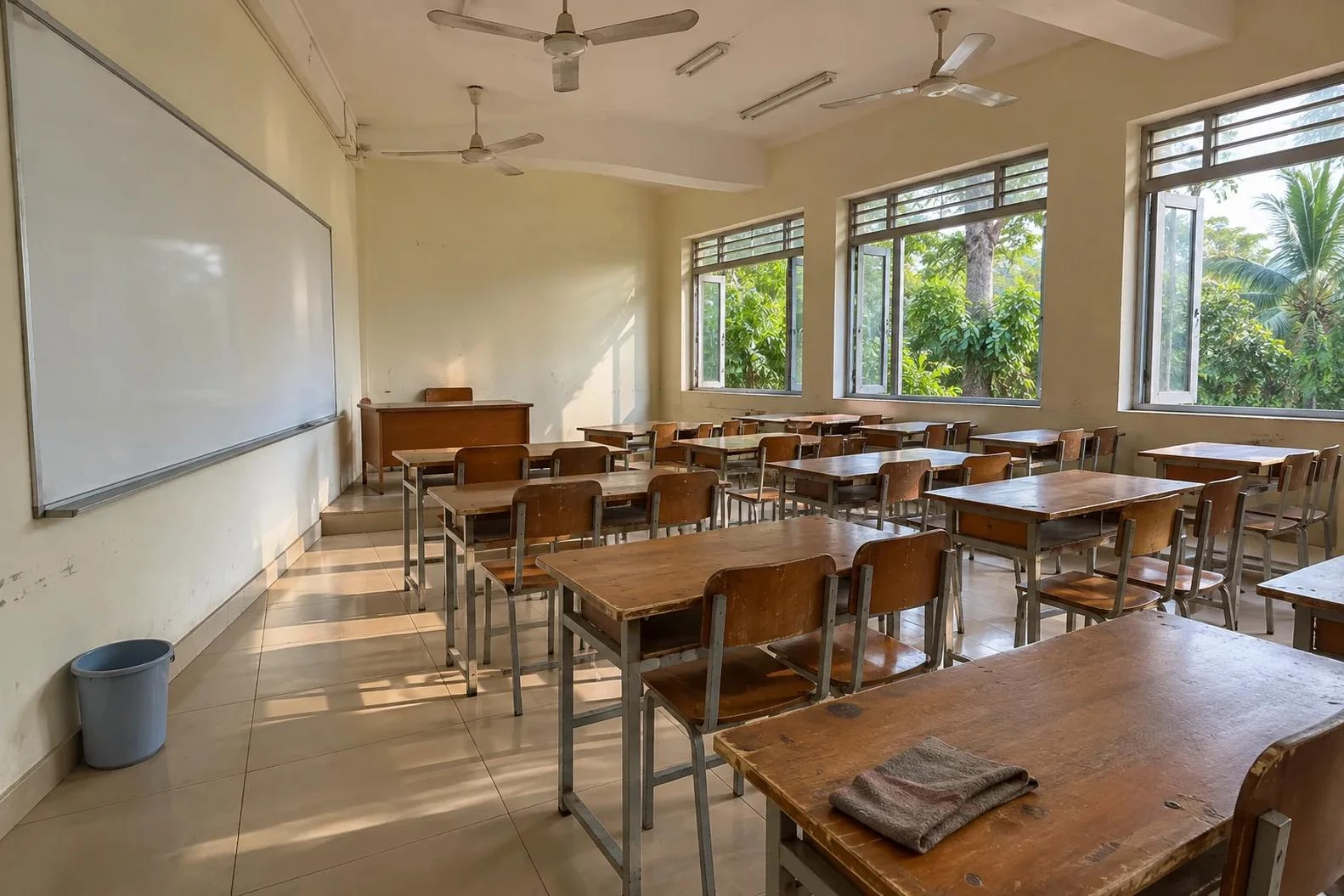
A tourist entry and a student visa are two different things in Vietnam, and mixing them up is the most common planning mistake I see. Tuition at private universities usually lands between $2,500 and $7,500 a year, the academic year has two semesters, and the student visa covers 12 months once a university invites you. Everything else in this guide follows from those three facts.
What will a year of study actually cost?
The $2,500-$7,500 range covers private-university programs in science, IT, finance, accounting, engineering and international studies. Where you land inside it depends on the school and the format. Branches of foreign universities, such as RMIT Vietnam, can charge noticeably more, so take their price from the school’s own site rather than from a catalog. Treat the range as the floor: rent, food and flights come on top. Before you apply, read what a month in Da Nang really costs and build your own budget from there.
Is there an English-taught option?
Some programs are taught in English, but confirm it for the exact degree you want before you pay an application fee. A school may run its business bachelor in English and its engineering track in Vietnamese. English-taught programs usually ask for proof of your English level, so book the test early if you do not have a certificate yet.
Which papers do universities ask for?
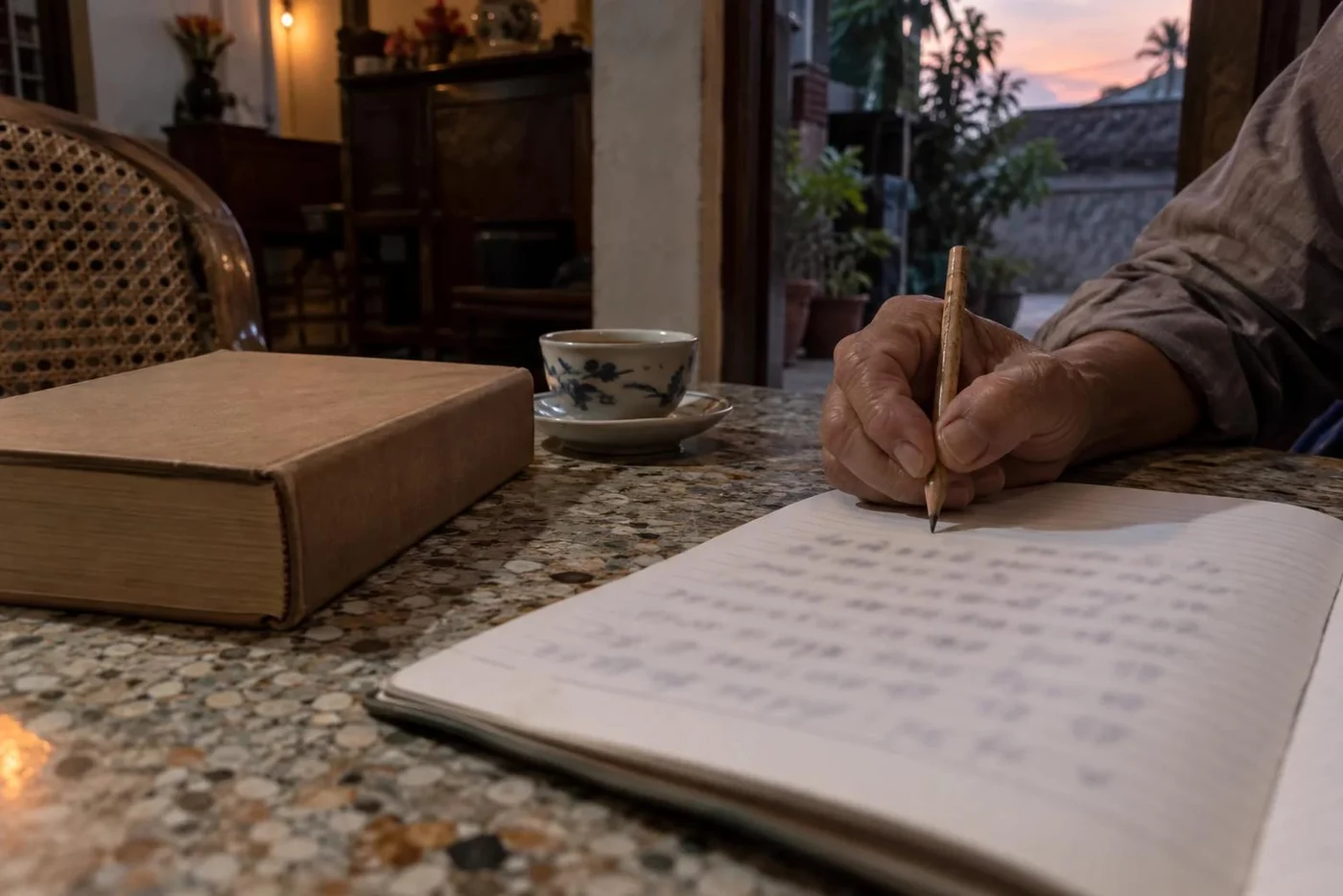
Expect your last year of education credits, a student questionnaire, a health declaration, an English score and sometimes a reference letter from your current school. Scholarship applications add bank statements, proof of household income and receipts for advance payments. Everything has to be translated and notarized to be accepted. Whether a diploma needs an apostille differs between schools, so ask the admissions office in writing and keep the reply.
When do semesters start?
The first semester runs from September to January and the second begins in mid-February and ends in June, with a holiday break inside. Some schools add more intakes: RMIT says it admits students three times a year, so you are not forced into a September start. Whatever your target date, start the paperwork months ahead, because translation, notary and the visa each take longer than a brochure suggests.
How does the student visa work?
The sequence matters. The university first issues an invitation letter, and only then can you apply for the student visa, which gives you 12 months. Your passport must stay valid for at least one more month after those 12 months end, so a passport with six months left will not do. Do not transfer tuition before you know the invitation and visa timeline.
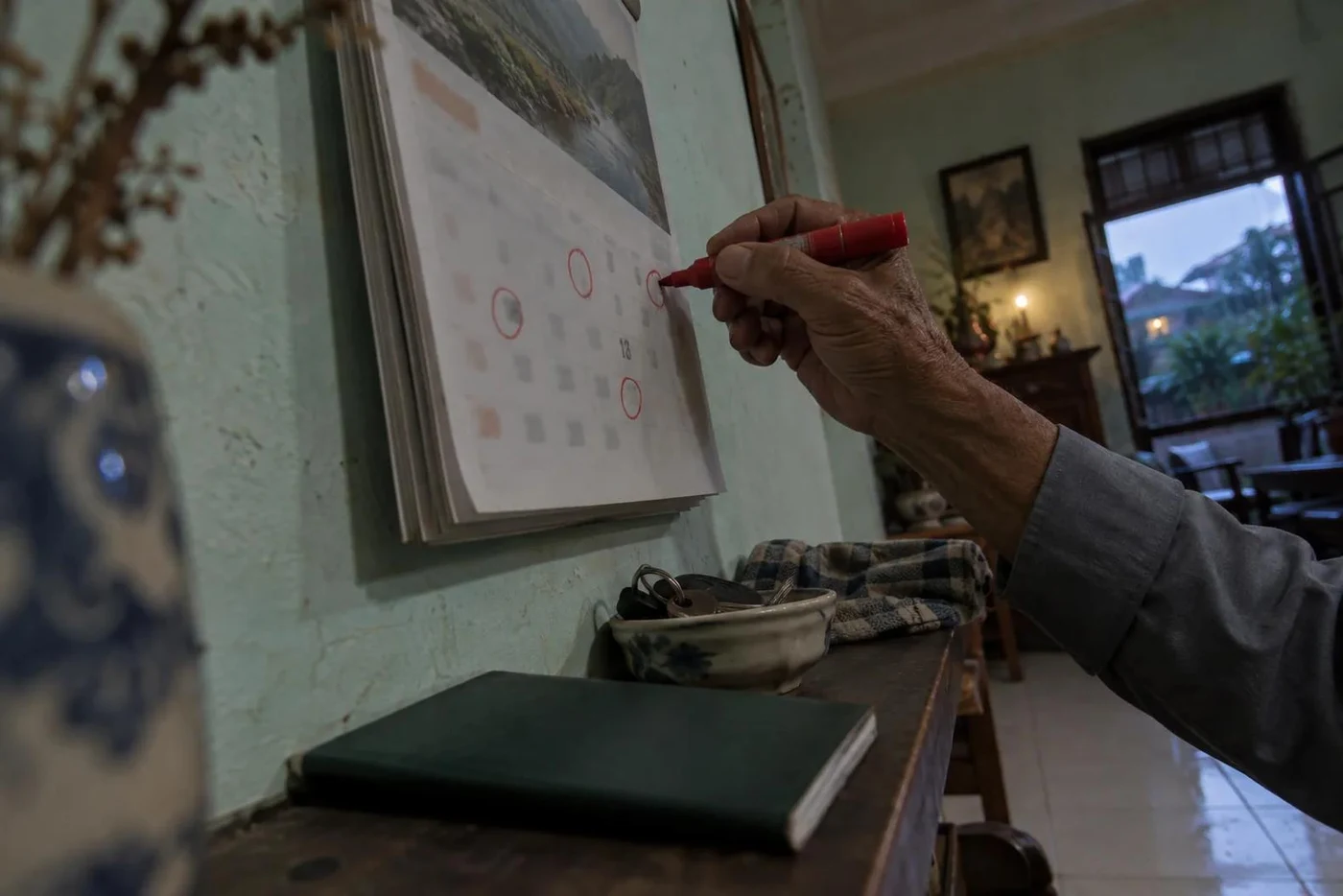
This is the stretch where plans usually come apart: the invitation arrives, but entry dates, the visa and the first payment do not line up, and you end up waiting on a tourist status. When I plan an arrival like this, I work out how long you need to stay on an e‑visa before the student visa starts, and you can ask me about your dates on WhatsApp before you pay for a semester.
What is the temporary residence card for students?
The student visa is what lets you obtain a temporary residence card, category DH. Put simply, the visa lets you enter and start the process, and the card shows you are living in the country legally for the length of your studies. The university usually helps with the filing, but the process differs by school, so ask the international office who submits what and when. If you plan to stay after graduation, the long-stay options guide lays out what comes next.
What I would ask the school before paying
Is the school accredited by Vietnam’s Ministry of Education and Training? Which language does my program run in? What does the fee include? What happens to my money if the visa is refused? Which payment methods do you accept from my country? Write the answers down and keep them.
The short version: what to decide first
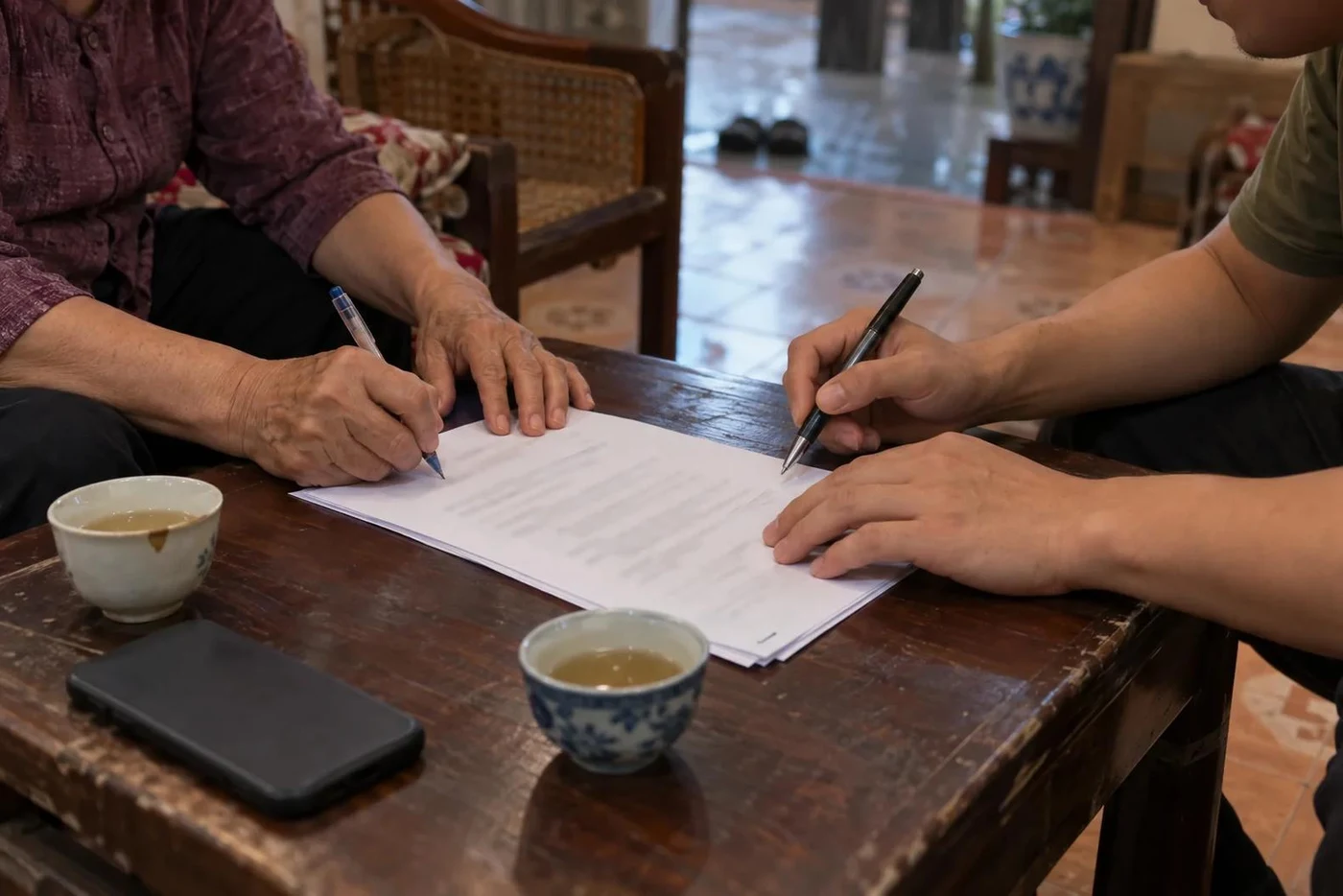
Choose the university and the language of the program first, then get the invitation, and only after that pay and apply for the student visa. You can do all of this yourself through the admissions office and the immigration authorities, and an e‑visa for entry can be filed on the official government portal. The trouble starts when the dates do not match, and that is where people lose weeks. We run this one start to finish — details on our Vietnam e-visa 90 days page.
If you would rather not juggle those dates alone, at BestBus Vietnam we handle e‑visa applications end to end and can help you close the gap between the invitation letter and the student visa. Message me on WhatsApp with your dates and I will tell you what is realistic before the semester starts.
Frequently asked questions
Can I work on a student visa in Vietnam?
I do not have a universal answer: the right to work depends on your status and a separate permit. Do not count on part-time work until the university or the immigration authorities confirm it in writing.
What happens if my visa is refused after I paid tuition?
It depends on your contract with the school, so ask about refunds before you pay and get the terms by email. Transfer money only after you understand the invitation and visa timeline.
Can I switch from a tourist e‑visa to a student visa inside Vietnam?
Some agencies say yes, but I have not seen official confirmation. The safer route is to apply for the student visa on the strength of the invitation and check details with the school’s international office.
How do I renew for a second year?
The visa is issued for 12 months, so a second academic year needs an extension. Ask the university who prepares the papers and when, and leave time for it.
Can family members come with a student?
Student status does not settle the question for relatives, who need their own grounds to stay. The process depends on the school and the immigration authorities, so ask before you submit documents.
How do I pay tuition from Russia or other restricted countries?
Not every university supports every payment method. Ask the admissions office in writing which options they accept and keep the answer.