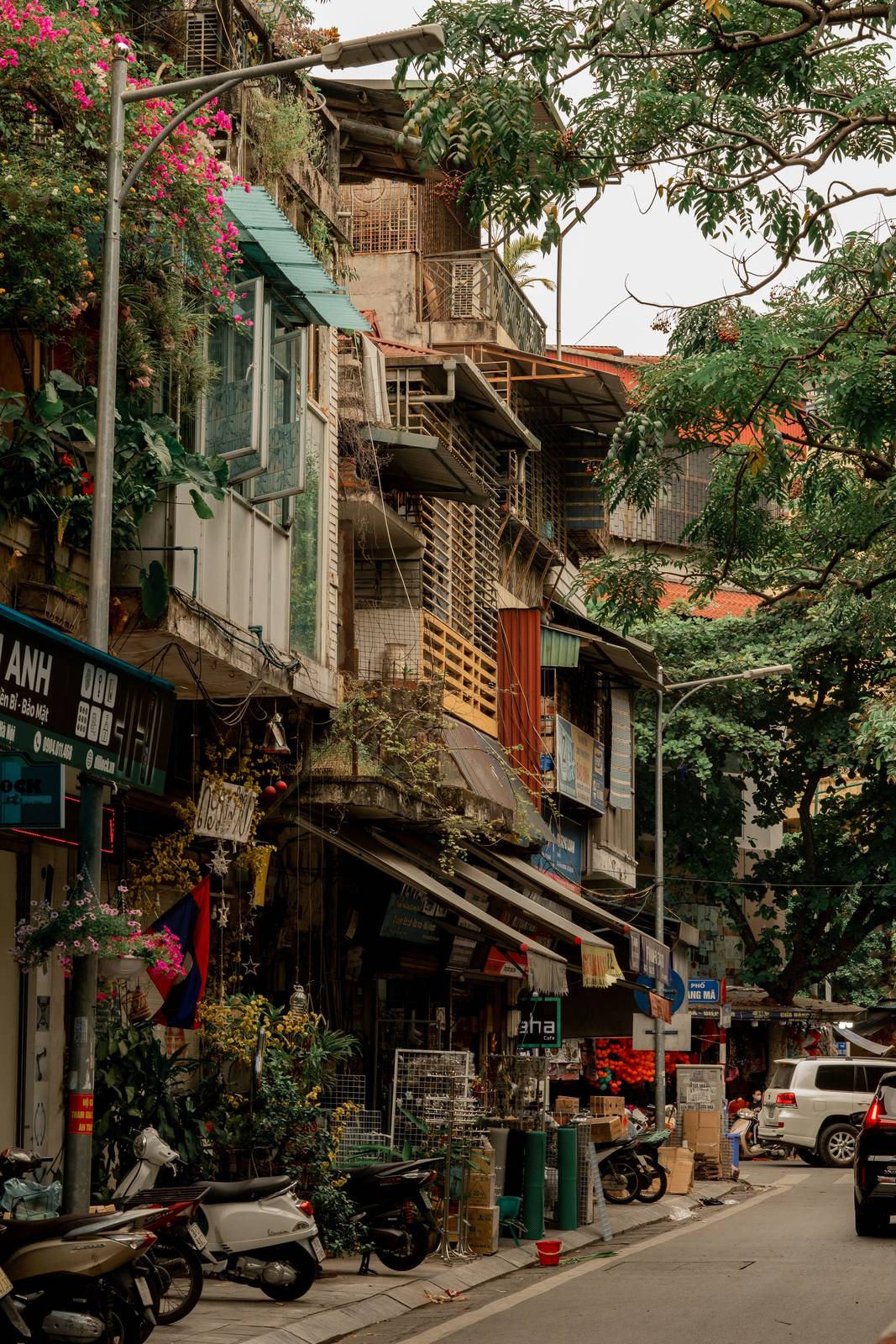
Cost of living in Vietnam in 2026 runs $700–1,500 per month for a single person — and the gap between those numbers isn’t just about which city you pick. It’s about the lifestyle tier you’re aiming for. Da Nang sits at the sweet spot: a beach city with real infrastructure where $900 buys genuine comfort, not survival mode.

Vietnam Cost of Living 2026: The Real Numbers
The baseline for a single person in Da Nang:
Housing: A furnished 45m² apartment in a central tourist district — river view, two AC units, washer, fridge — runs about $206/month. Utilities on top: water ~$6, electricity $19–38 (AC runs hard in summer), fiber internet $9.50, mobile data $4.28. Total housing stack: $240–280/month.
Food: Around $300/month mixing local Vietnamese spots ($1.27/dish) with occasional sit-down restaurants (foreign cuisine $2.22–4.75/dish). Breakfast at a café: $1.58–3.17. Delivery lunch: $3.17. If you cook from the market, cut this to $150–180.
Transport: Grab runs $1–3 per ride. Without a motorbike: $30–60/month on ride-hailing. Renting an e-bike: ~$72/month. Buying one (e-bike + battery): ~$1,172 upfront.
Healthcare: A private hospital — 199 Hospital in Da Nang handles most needs at reasonable rates, a procedure that costs $3,000 at Vinmec runs $600 here. Nomad health insurance with unlimited coverage: $65/month. Dental: cleaning $15.84, ceramic crown $222.
Total for one person in Da Nang: $600–900/month.
What Does Vietnam Look Like at Different Budget Tiers?

$700/month (lean): Small studio, cooking most meals at home, Grab only for longer rides. Possible but you’re eating local every meal and skipping the coffee shop habit.
$900/month (comfortable): The sweet spot. Furnished apartment with river or sea view, mix of eating out and delivery, e-bike rental, insurance covered. This is what most long-stay expats report as “I don’t feel like I’m on a budget.”
$1,200+/month: Larger apartment, regular restaurants including international food, gym membership, weekend trips inside Vietnam (domestic flights $40–50 one-way). A couple on $1,800 total has room to save.
For context: a similar lifestyle costs $1,500/month in Tashkent and $2,000–2,500 in Bangkok. Vietnam — specifically Da Nang — consistently comes out ahead on value per dollar.
How Does Vietnam Compare to Thailand for Cost of Living?
Chiang Mai is the usual comparison for digital nomads. Both cities offer proximity to nature, expat communities, and fast internet. Rent in Chiang Mai starts slightly lower, but food and healthcare in Vietnam are comparable. Vietnam’s e-visa process ($25 single entry, 90 days) is also simpler for many nationalities than navigating Thailand’s 30-day visa-on-arrival limits for longer stays.
See the Da Nang vs Chiang Mai and Bali comparison for a full side-by-side breakdown across 8 categories.
How to Build Your Vietnam Budget Before You Arrive: Step by Step
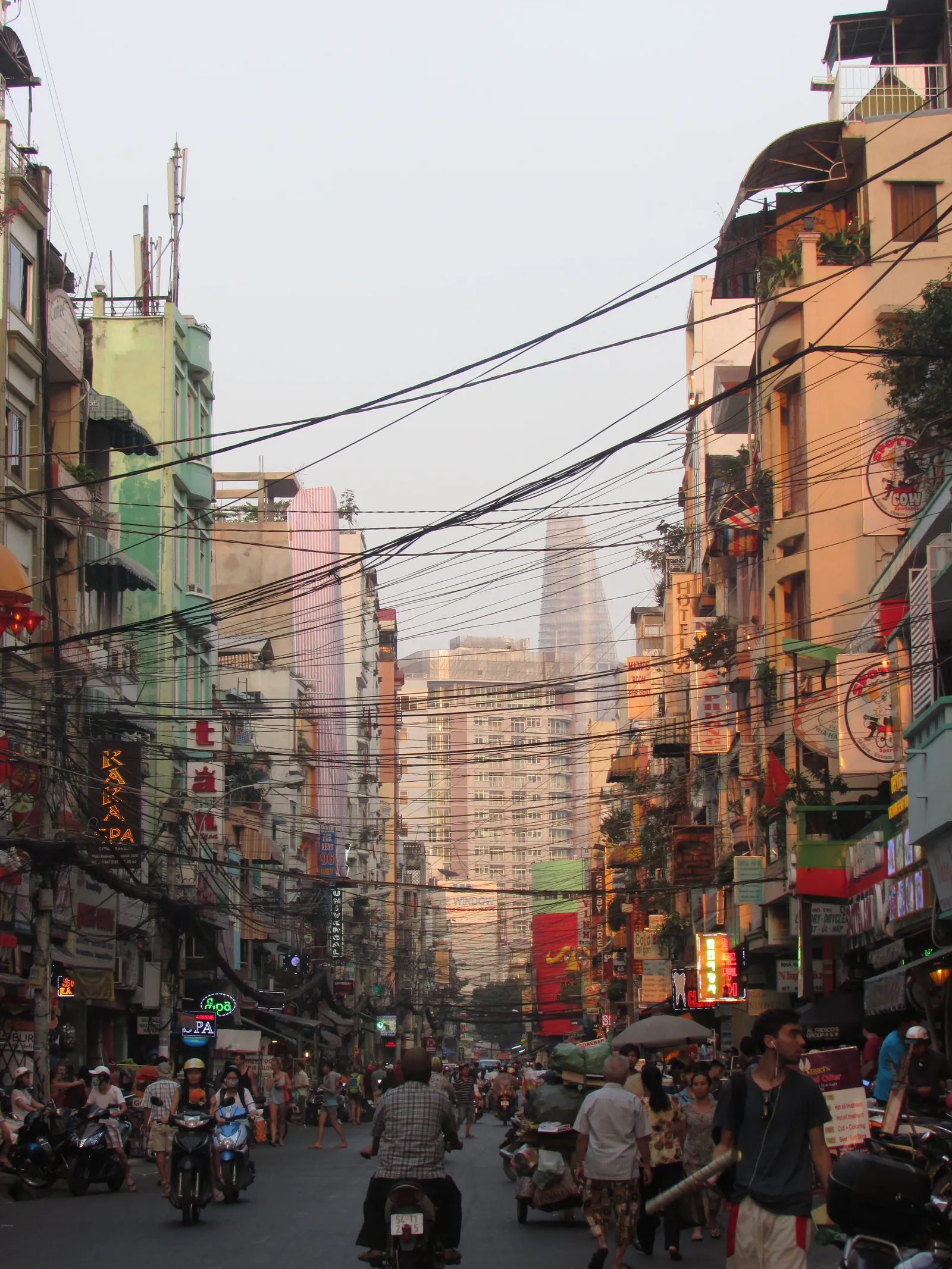
- Lock your city. Da Nang for beach plus infrastructure. Dalat if you want cool weather and lower rent. Ho Chi Minh City if you need a big-city ecosystem — and budget $200–400 more per month.
- Start with housing. Estimate $200–250/month for a decent apartment in Da Nang plus $40–60 utilities. Plan for a one-month deposit upfront.
- Add food and transport. $250–300 food plus $40–70 transport — with or without an e-bike rental.
- Budget for healthcare and insurance. $65/month nomad insurance is non-negotiable. Factor one dental visit per quarter (~$16 cleaning).
- Factor in visa costs. An e-visa for Vietnam runs $25 (single entry, 90 days) or $50 (multiple entry). You apply on evisa.gov.vn. The portal rejects many foreign cards — a service that handles the form and government fee payment can save a lot of headache. For longer stays, read the long-term Vietnam relocation guide.
Total: $600–700 on the lean end, $900–1,000 comfortably, $1,200+ with room to breathe.
The Costs Expats Consistently Underestimate

The arrival spike. First month means deposit plus first month’s rent upfront — that’s $400–500 before you’ve bought a coffee. Plan for this.
E-bike ownership vs rental. Buying feels cheaper long-term ($1,172 all-in vs $72/month), but you carry the resale risk and maintenance. Most expats rent for the first three to six months.
Dental and medical. Vietnam is cheap for routine care, but a bad wisdom tooth or motorbike accident runs $300–600. Non-negotiable: get nomad insurance before you land.
Visa extensions. Staying past 90 days means either a visa run or an online extension. Budget $40–130 for a visa run to Laos or Cambodia, or $25–50 for an online extension when available.
The visa piece is where most people get stuck — the government portal has payment issues, wrong entry-point entries, and a 3–5 day wait if you do it yourself. I work with a team in Da Nang that handles e-visa end-to-end: we pay the government fee with a card that actually works, pick the right entry point, and get it done in one day. Message me on Telegram if you want us to handle it, or check danangvisarun.com for the full service breakdown.