Russia taxes a non-resident only on income earned in Russia, and the status turns on one count: fewer than 183 days in Russia within any 12 months. A non-resident pays a flat 30% in most cases, while the resident scale runs from 13% to 22%. Because Russia issues no non-residency certificate, your own documents have to prove your days abroad.
This guide summarizes Russian tax authority letters and the text of the Tax Code. It is general information, and the rate on a specific payment is worth confirming with a tax adviser.
Do you owe Russian tax on money earned in Vietnam?
No: income from sources outside Russia is not taxed in Russia once you are a non-resident, because a non-resident pays Russian personal income tax only on Russian-source income. A Vietnamese salary, freelance work for a Vietnamese client or rent from a Vietnamese flat all fall outside the Russian tax net during the years you hold non-resident status.
Vietnam runs its own residency test, so the same income can still be taxed there. How that works is covered in the Vietnam 183-day tax rule, and the wider picture is in the Vietnam tax guide for foreigners.
What counts as a day in Russia?
Every calendar day you are physically in Russia counts, and that includes the day you land and the day you leave. Russian tax authority letters from 2015 and Russian Ministry of Finance letters from 2019 confirm it. Land in Moscow on July 10 and fly out on July 20, and 11 days go into the Russian column. Short trips are where the tally slips, because it is natural to count nights, and the two boundary days make the stay one day longer than the nights suggest.
The rule for residency is in Article 207 of the Tax Code: at least 183 days within 12 consecutive months makes you a resident. Employers and banks check that window on the payment date. The tax service settles your final status once a year, using the calendar year from January 1 to December 31, as its residency confirmation page explains.
There is one exception: days spent abroad for medical treatment or study shorter than six months still count as days in Russia, because such a trip does not break your stay. A holiday, work or living in Vietnam does not qualify.
Step-by-step: how do you keep your day count defensible?
Russia’s tax service can ask a non-resident to show where the days were spent, and a tidy record answers that in minutes. Five habits cover it.
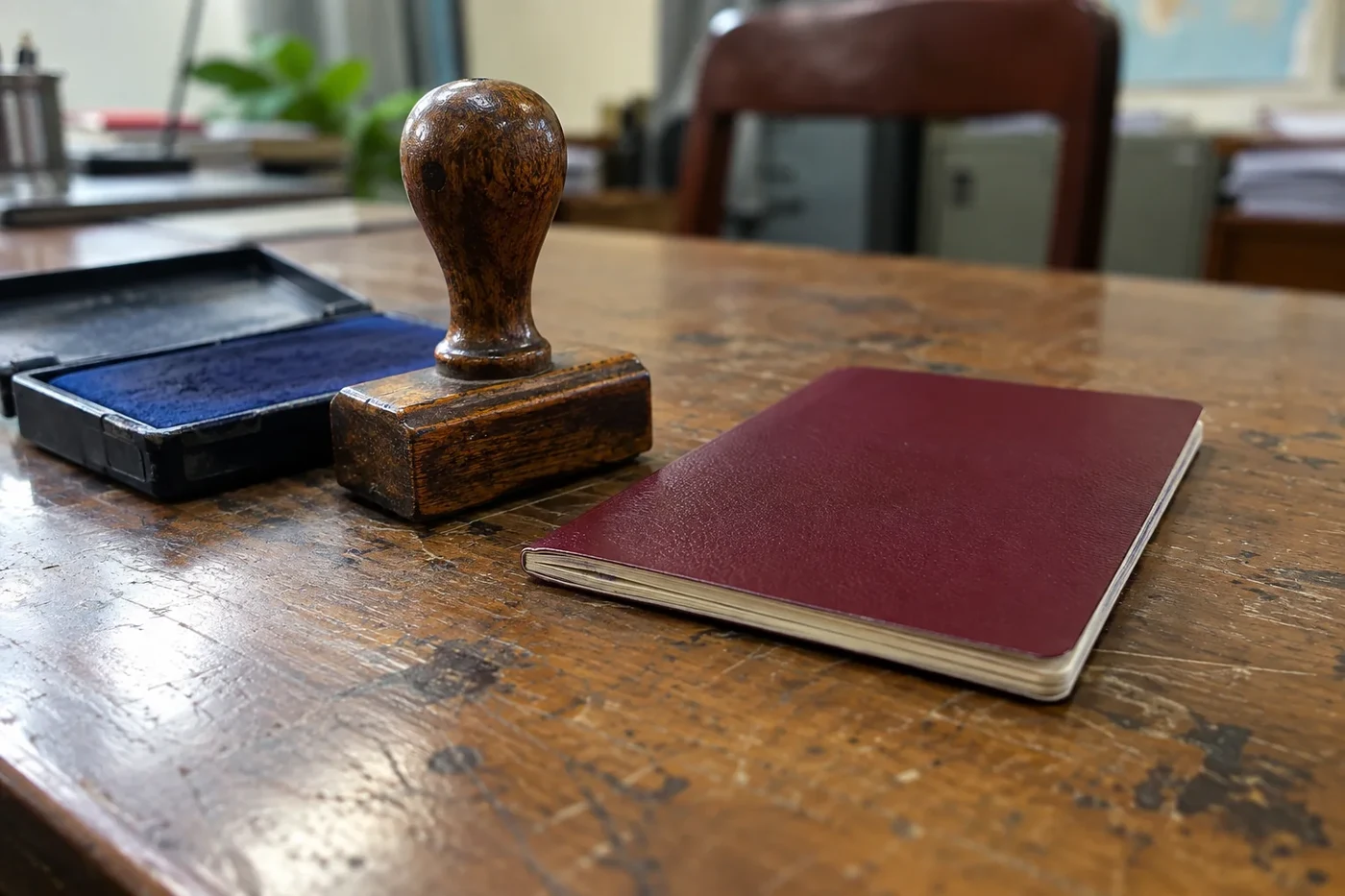
- Keep copies of every passport page with Russian and Vietnamese entry and exit stamps, plus e-boarding passes.
- Store your Vietnamese lease and monthly accommodation receipts.
- Keep a spreadsheet with entry date, exit date and the number of days in the current 12-month window, and update it after each trip home.
- Before every trip to Russia, recalculate how many days remain before the threshold over the next 12 months.
- If you have Russian income, compare the rate your payer withholds with your sheet before the year ends.
What does a lapsed Vietnam visa do to your day count?
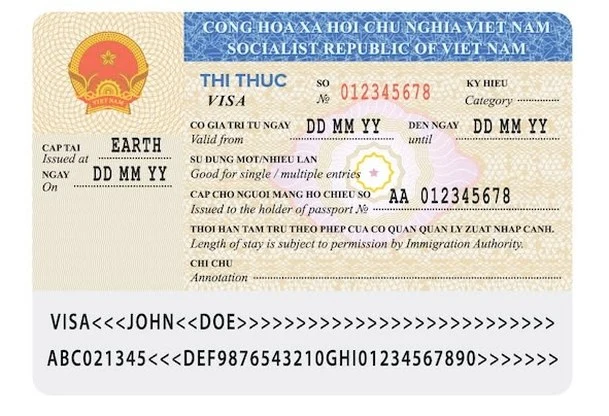
A lapsed visa means a fine at exit and rebooked travel dates, and every moved date means recalculating your day count. Your non-residency rests on documents, and for a Russian living in Vietnam the main one is a passport with a clean chain of entries and exits.
The form on evisa.gov.vn is yours to fill in if your card clears at the payment step. At BestBus Vietnam I handle the 90-day e‑visa as a done-for-you service: I complete the form, pay the state fee with my own card and choose the right entry point, and if it is refused I resubmit for free and refund you. Message me on WhatsApp the date your current visa ends and I will tell you whether it needs renewing before your next trip.
Is there an official paper that proves you are a non-resident?
No. The Russian tax service does not issue a non-residency certificate because the law has no such document. It issues a certificate of residency on request through its online service, in 10 calendar days online or 20 days if you apply in person or by post. A refusal to issue that certificate does not prove you are a non-resident, and the certificate itself covers a single calendar year.
Non-residency is shown indirectly: copies of passport pages with border control stamps, accommodation receipts, a migration card or a timesheet.
How much more does a non-resident pay on Russian income?
The default rate for a non-resident is 30% with no deductions, set by paragraph 3 of Article 224. Residents pay 13% on the first 2.4 million rubles a year, then 15%, 18%, 20% and 22% on higher bands. On that first band the gap is 17 percentage points.
| Russian-source income | Rate for a non-resident | The catch |
|---|---|---|
| Rent from a Russian flat | 30% | no deductions |
| Dividends from Russian companies | 15% | the Vietnam treaty rate is the same 15% |
| Interest on Russian bank deposits | 15% | the tax-free allowance is for residents only |
| Sale of a flat before the minimum ownership period | 30% | on the whole price, no deduction |
| Income from Vietnam or any other foreign source | not taxed in Russia | taxed under the source country’s rules |
A worked example with round numbers: a flat rented out for 720,000 rubles a year. A non-resident pays 216,000 rubles, a resident pays 93,600 rubles, and the difference is 122,400 rubles.
Selling or renting a flat in Russia: what changes?
Renting a Russian flat as a non-resident costs 30% with no deductions, while selling one is tax-free once the minimum ownership period under Article 217.1 has passed, which is three or five years depending on how you acquired the flat. Russia’s tax service confirms on its property sale page that the ownership exemption also applies to non-residents, so your status on the day of the sale does not decide it.
The costly case is a sale before the minimum period: the proceeds are taxed at 30% on the full price with no deduction. Before you sign, I would pull out the purchase contract and confirm the date and how the flat came to you, since a miscounted period turns an exempt sale into a 30% bill on the whole price.
What happens if you finish the year as a resident anyway?
If a payer withheld 30% and you turn out to be a resident for the year, the tax is recalculated at the resident rate of 13% to 15%, and the difference comes back through a 3-NDFL return with proof of your days in Russia (Article 231 of the Tax Code). A mandatory return for the previous year is due by April 30, and the tax on it by July 15.
Keep the withholding statements from every Russian payer, because the year-end recalculation starts from them. Failing to file costs 5% of the unpaid tax for every month of delay under Article 119, capped at 30% with a minimum of 1,000 rubles, even when the tax due is zero.
Do a Vietnam TRC or the Russia-Vietnam tax treaty change your status?
A Vietnam temporary residence card does not change Russian tax status: Russian residency follows the day count, and a foreign residence permit alone does not remove it. When you have to show your days, the stamps in your passport carry the case, and the card adds little to it. The Russia-Vietnam double taxation agreement was signed on May 27, 1993 and appears as in force in the tax service’s list dated December 25, 2025.
For an individual the treaty changes little. The treaty text sets dividends at 15%, the same as the domestic non-resident rate, and for people who qualify as resident in both countries it looks at the permanent home and the centre of vital interests.
What to do before the year ends
Spend no more than 182 days in Russia in any 12-month window, keep the stamps and receipts, and check the rate on any Russian rent, deposit or flat sale before the money moves. The 17-point rate gap on the first 2.4 million rubles makes a late check expensive.
A day-count spreadsheet takes an evening to build and the e‑visa form takes about as long. The visa end date is the easy thing to miss, and a missed date wrecks the plan around it, so I take that part off your plate: send me your planned trips to Russia for the year on WhatsApp and I will line them up with your visa dates and show where a visa run fits.
Frequently asked questions
How many days in Russia can I spend and still be a non-resident?
At most 182 days in a 12-month window, because the 183rd day already makes you a resident. Arrival and departure days count toward that total.
Am I still a currency resident if I live in Vietnam?
Yes, a Russian citizen stays a currency resident even with a Vietnamese residence permit. More than 183 days abroad in a calendar year only excuses you from reporting movements on foreign accounts, and you still have to notify the tax office when you open one.
Can a non-resident run a sole proprietorship on the simplified tax system?
Yes, non-resident status does not stop a Russian sole proprietor from using the simplified system. The list of people barred from it is closed and does not include non-residents, according to Finance Ministry letters from 2018.
What is the penalty for not paying the tax?
Non-payment costs 20% of the unpaid amount under Article 122 of the Tax Code, plus a daily penalty of 1/300 of the key interest rate on the overdue sum.