A Russian citizen in Vietnam cannot sign a notarised power of attorney online: Russia’s remote notary service leaves powers of attorney off its list, so the real choice is between a Russian consul and a Vietnamese notary with an apostille. The consul is simpler, charges a flat state fee, and the document is valid in Russia without translation. The Vietnamese route adds a certified Russian translation and an apostille.
I run visas and border runs for Russians living in Vietnam, so I look at this paperwork from the practical side: where to go, what it costs and which dates it collides with. The consular steps come from Russian Foreign Ministry sources and the Civil Code. The Vietnamese steps come from the apostille rules that took effect in September 2026.
Can you sign a Russian power of attorney remotely from Vietnam?
No. The Fundamentals of Notarial Legislation, article 44.3, lists the few acts a Russian notary may perform remotely through Gosuslugi and the notary information system, and issuing a power of attorney is not one of them. A video call with a notary in Moscow therefore does not produce a valid document, and the choice narrows to two in-person routes from Vietnam.

An online service that promises a remote power of attorney deserves a second look before you pay. A paper that never passed through a consul, or through a Vietnamese notary with an apostille, risks refusal at Russian banks, traffic police offices and land registries.
What does a Russian consul in Vietnam do for a power of attorney?
A Russian consul performs notarial acts on behalf of the state, including certifying powers of attorney, and the result counts in Russia as a notarised document. The consul does not certify the sale contracts themselves for Russian real estate or company shares, but a power of attorney to sign such a contract is fine. The document is written in Russian, so it needs no translation and no legalisation.
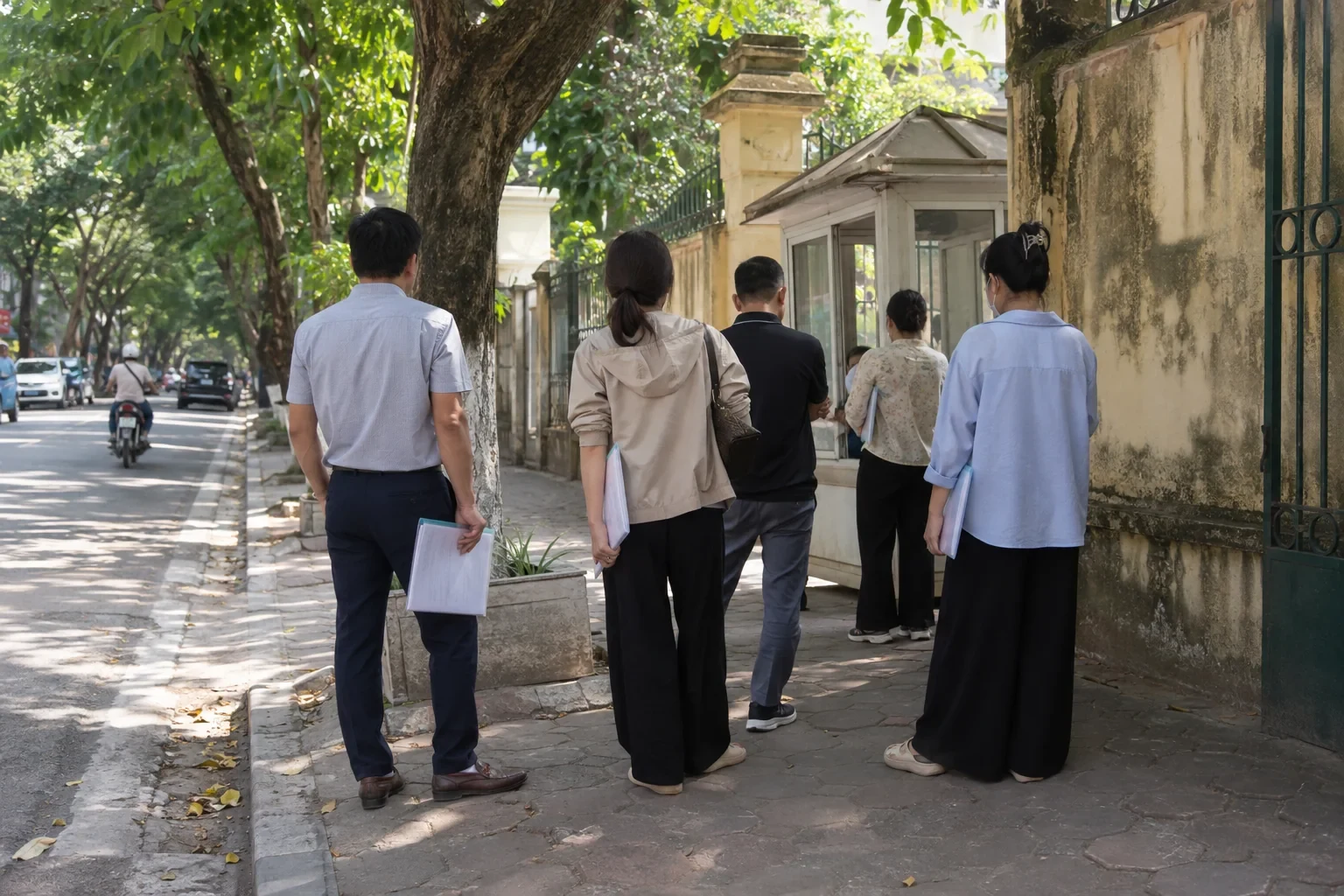
Three offices accept applicants: the consular section of the embassy in Hanoi, the consulate general in Ho Chi Minh City and the consulate general in Da Nang. Da Nang serves Da Nang, Hue, Quang Tri, Quang Nam, Quang Ngai, Binh Dinh and Phu Yen. If you live in Hue or Quang Nam, I would go to Da Nang rather than make the longer trip to Hanoi, since your district is assigned there anyway. Appointments go through the consulate websites, for example the Hanoi booking page. If your city is not in the Da Nang list, ask which office will take you when you book.
What do you bring to the consulate?
Bring a valid Russian foreign passport, and if it is close to expiry, renew it at the consulate first. Bring the internal passport as well if its details appear in the text of the power of attorney. You also need the full personal details of your representative: name, date of birth, passport series and number, and address. Check the passport number against the scan digit by digit, because one wrong digit makes the document name a different person. The consul acts only when you appear in person.
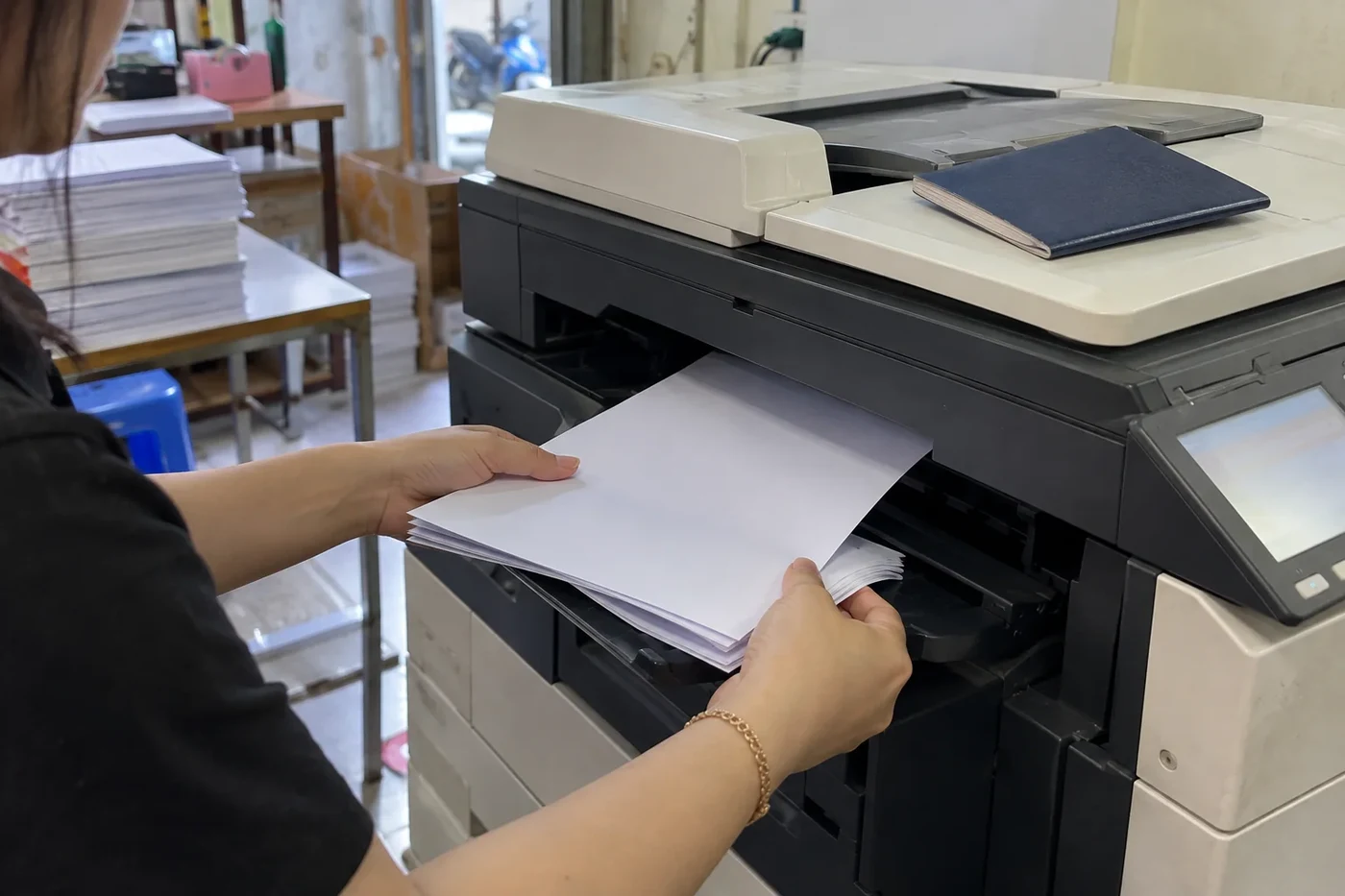
Prepare the text beforehand: who authorises whom, what exactly is allowed and for how long. The consulate refuses pages with corrections, handwritten insertions or pencil, and a multi-page document must be numbered and bound. The notary section of the Foreign Ministry’s consular portal publishes the current rules. A lost passport is a separate case, covered in the action plan for a lost passport in Vietnam.
How do you get the document step by step?
You need five steps and one personal visit, at the embassy in Hanoi or a consulate general in Ho Chi Minh City or Da Nang, and most of the work happens before it: drafting the text, booking a slot and collecting your representative’s details. You take the finished original home with you and send it on to your representative in Russia.
- Draft the text: principal, representative, list of powers, term and date.
- Book an appointment on the embassy or consulate website.
- Come at the booked time with your passport and your representative’s details.
- Pay the consular fee in US dollars at the Foreign Ministry rate.
- Collect the power of attorney and send the original to your representative.
The bottleneck is the booking and the trip: only three offices exist, and a journey to Hanoi or Da Nang from another city eats a couple of days. Choose the office you can reach without a detour, even when its slot comes later, since a missed appointment costs more than the wait. A 45-day visa-free stay counts from the day you entered, and an overstay ends in a fine at exit. The e‑visa form on evisa.gov.vn can be filed yourself if you hold a card the portal accepts, and it rejects many foreign cards. At BestBus Vietnam I handle the 90-day e‑visa end to end: I pay the fee with my own card, choose the correct entry point, and if the visa is refused I refile for free and refund your money. Message me the date your visa ends and I will tell you what fits before your appointment.
How long does a power of attorney last, and when must it be notarised?
When no term is stated, a power of attorney is valid for one year from the day it was made, and one without a date is void. Article 186 of the Civil Code says so. Article 185.1 requires a notarised form for powers of attorney for transactions that need notarisation, for filing registration of rights and for disposing of registered rights. A consular power of attorney meets that requirement.
Write the date and the end of the term explicitly, so nobody has to interpret them later.
What if you use a Vietnamese notary instead?
A Vietnamese notary certifies the document under local law, but Russian authorities accept it after two preparation steps: a Russian translation certified by a notary, and an apostille. Vietnam joined the 1961 Hague Apostille Convention, and it entered into force for Vietnam on 11 September 2026. The Vietnamese Ministry of Foreign Affairs issues the apostille, and Russia did not object to Vietnam’s accession.
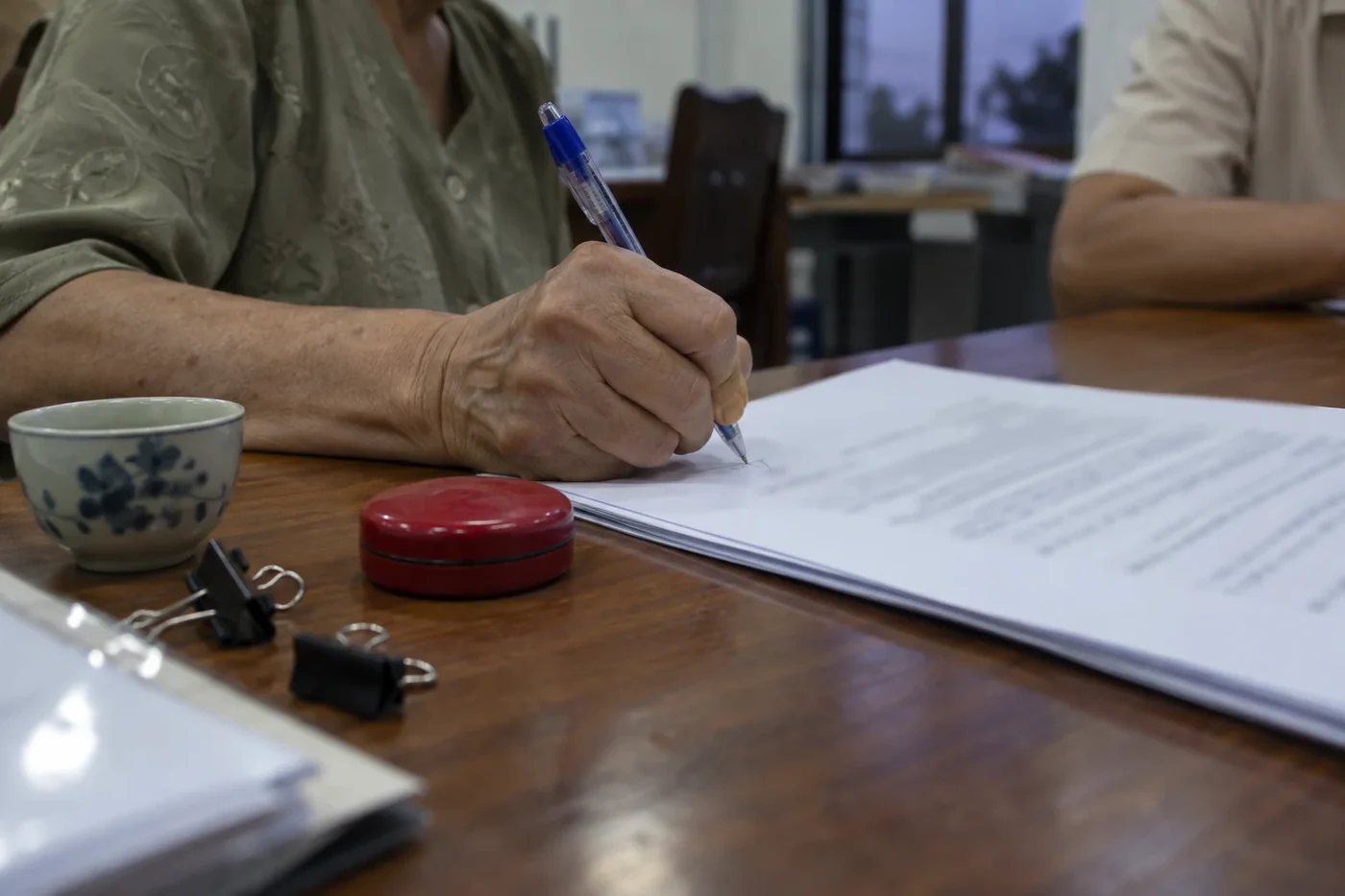
Translate the stamps, the signatures and the apostille itself. A common error is to treat the seal of a Russian notary on the translation as proof that the power of attorney is genuine, when it only confirms that the translation is accurate. A 1998 legal assistance treaty between Russia and Vietnam admits justice-authority documents without legalisation, yet the treaty text does not say whether private Vietnamese notaries qualify, so the apostille is the safer path.
How much does a consular power of attorney cost in 2026?
An ordinary power of attorney, for example for a car, collecting money or filing papers, costs a consular fee of $40, and a substitution of authority costs the same. For real estate, a child, spouse, parent or full sibling pays $40 and everyone else pays $70. Government Decree No. 889, as of 2 October 2026, sets the rates, listed on the Foreign Ministry fee page.
Which route should you pick?
Pick the consul for anything Russian: the fee follows the ministry tariff, the document needs no translation or apostille, and it carries the force of a notarised power of attorney. Pick a Vietnamese notary only when you cannot reach a consulate, and have the translation and apostille ready first.
The forms and the booking are public and take an evening to complete. The harder part is arithmetic: a slot in Hanoi or Da Nang can fall on a day when your visa or visa-free stay is already running out. I take that part on, so send me your visa end date on WhatsApp and I will check how to fit the trip in.
Frequently asked questions
Will Russian banks and registries accept a Vietnamese power of attorney?
No single published rule covers it, and practice differs between institutions. Ask the receiving bank, traffic police office or registry for its requirements before you sign. A consular document is treated in Russia as notarised.
Is the consular fee refunded if the consul refuses?
Yes, the fee is refunded in full, and a refund application can be filed within three years. A refusal is possible when the act contradicts Russian law, and you may demand the reasons in writing.
What do two spouses pay for one joint power of attorney?
The fee is charged for each principal, as for a separate document. If one power of attorney names several representatives, the fee is paid once.
How can my representative check that the document is genuine?
The power of attorney register of the Federal Notary Chamber shows consular documents. A bank or registry in Russia can look the document up there without contacting the consulate.