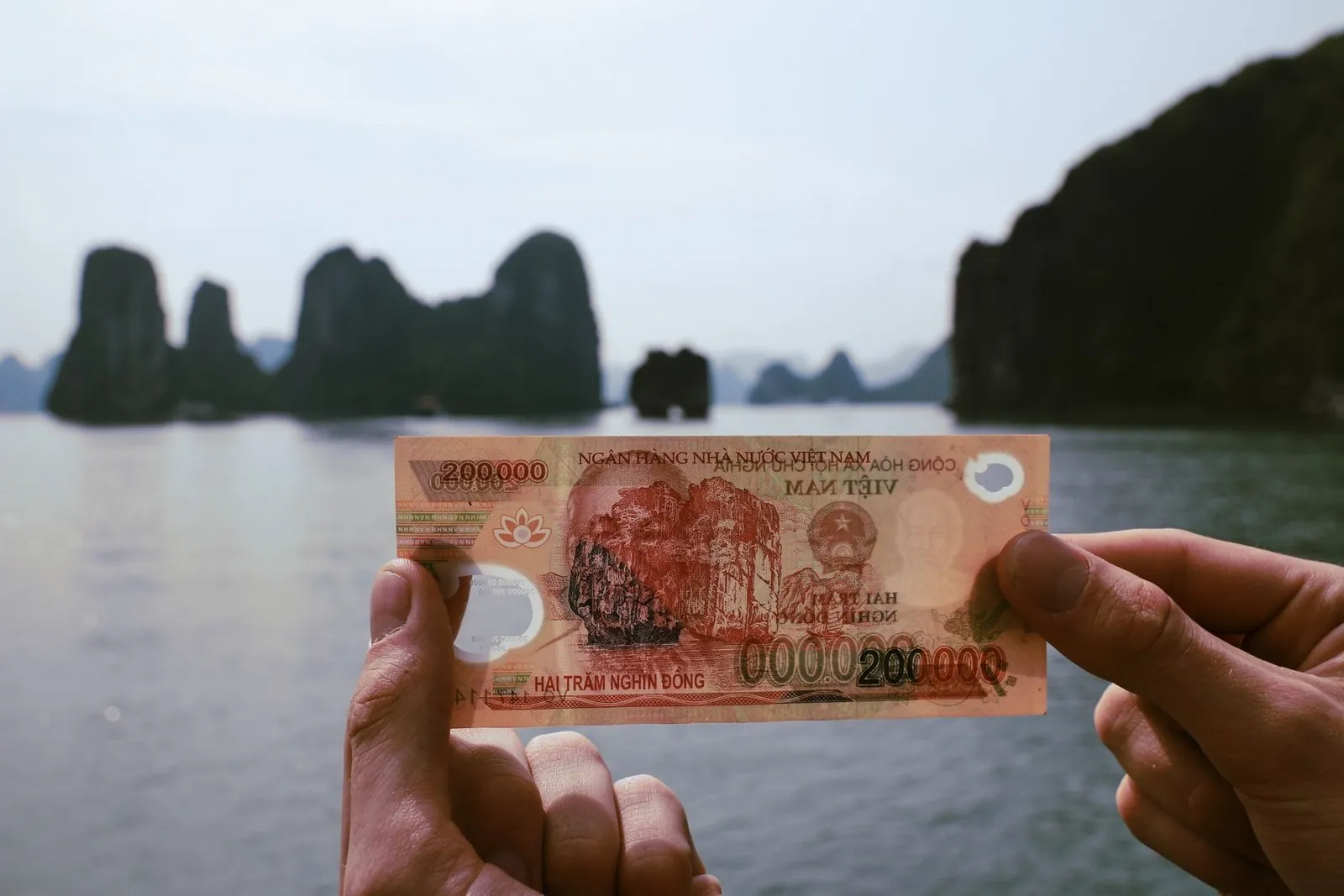
No single Western money channel works for Russians moving cash to or from Vietnam in 2026. The three routes that actually work today are KoronaPay for one-way Russia-to-Vietnam cash transfers, a Mir card at one of roughly 18-21 VRB ATMs nationwide, and a two-leg crypto route through Binance inside Vietnam plus Bybit or a similar exchange on the Russian side.
I’ve lived in Da Nang for years and watch this problem hit clients every month: a card stops working mid-trip, or a family member back home needs cash sent fast, often right after an emergency move to Vietnam from Russia. Here’s what’s actually live in 2026, not what used to work before the sanctions rounds of the last few years.
What Actually Works for Sending Money Between Russia and Vietnam in 2026
| Channel | Direction | Typical cost | Speed | Works in 2026? |
|---|---|---|---|---|
| KoronaPay (Zolotaya Korona) | Russia to Vietnam only | Fee varies by amount, check the app | Minutes for cash pickup, ~24h to account | Yes |
| Mir card at a VRB ATM | Cash withdrawal in Vietnam only | 0% commission, ~3-5% FX markup | Instant | Yes, at ~18-21 ATMs nationwide |
| Wise | Vietnam to Russia balance only | Standard mid-market fee | 1-2 days | Partial, no card spending for Russian users |
| Western Union / MoneyGram | Either direction | N/A | N/A | No, suspended since 2022 |
| Crypto two-leg (Binance VND-USDT + Bybit/HTX RUB-USDT) | Either direction | ~2-4% round trip + ~$1 network fee | 10-60 minutes | Yes, most flexible route in 2026 |
| Bybit Pay via VietQR | Spend USDT directly at Vietnamese merchants | Conversion spread only | Instant | Yes, up to $900 per transaction, $15,000 per day |
Why Did Profee and Wise Stop Working for Russians?
Profee restricted service for Russian citizens without EEA residency around October 24, 2025, citing the EU’s 19th sanctions package. Wise followed by blocking card spending (ATM and point-of-sale) for Russian and Belarusian users who can’t prove EEA residency, with the compliance deadline landing around late January 2026.
Neither shutdown is total. Wise accounts still receive and hold funds; you just can’t spend from a card tied to a Russian passport without residency proof. Wise and Revolut have blocked Russian-issued cards outright since March 2022, and that hasn’t changed. Profee’s restriction is the newer story: it was one of the last mass EU-Russia bridges still standing, and losing it in October 2025 pushed a lot of traffic toward crypto and KoronaPay.
Does KoronaPay Work Between Russia and Vietnam?
Yes, but only one direction. KoronaPay (Zolotaya Korona) moves money from Russia to Vietnam through partner bank BAC A BANK, with about 194 cash-pickup points across the country. Cash pickup lands in minutes; account transfers take roughly 24 hours to clear, and the exact fee depends on the amount sent, so check the app’s calculator before committing to a transfer.
It does not run the other way. If you’re in Vietnam and need to send money back to Russia, KoronaPay isn’t an option, you need the crypto route or a Mir-card ATM withdrawal followed by a separate local transfer. This one-way limitation catches a lot of expats off guard when they assume a service that works outbound also works inbound.
Can You Still Use a Mir Card in Vietnam in 2026?
Yes, but only at VRB, the Vietnam-Russia Joint Venture Bank, and only at its own ATMs. There are roughly 18-21 VRB machines in the whole country, concentrated in Hanoi and Ho Chi Minh City, with a few in Da Nang, Nha Trang and Phu Quoc.
VRB charges 0% commission at its own machines, but the currency conversion itself carries a roughly 3-5% markup over the market rate, and reported per-withdrawal limits vary by source (3-7 million VND is the range I see most often, so budget for several trips if you need a larger sum). Mir isn’t connected to Vietnam’s NAPAS payment network, so it’s cash-only: you cannot tap a Mir card at a shop or restaurant counter. Gazprombank’s UnionPay cards used to fill that ATM gap too, but those stopped working across Vietnam as of November 22, 2024. The same card restrictions follow you to visa payments, and what we cover on that side is on our services page.
This is the same card problem I run into with clients trying to pay their e-visa fee: evisa.gov.vn rejects most Russian-issued cards outright, the same way most Vietnamese POS terminals reject Mir. I pay the government fee with a card the portal actually accepts, so a client isn’t stuck planning an ATM run just to renew paperwork. If your visa or e-visa payment is stuck for the same reason, message me on Telegram and I’ll walk you through your specific case.
How Do Russians Actually Move Money via Crypto in 2026?
Not through a single platform. Binance exited Russia in September 2023 and killed its ruble P2P pairs on January 31, 2024, so it can’t touch the ruble side of a transfer anymore. But Binance P2P still runs Vietnamese dong pairs, so it works fine for the Vietnam-side leg.
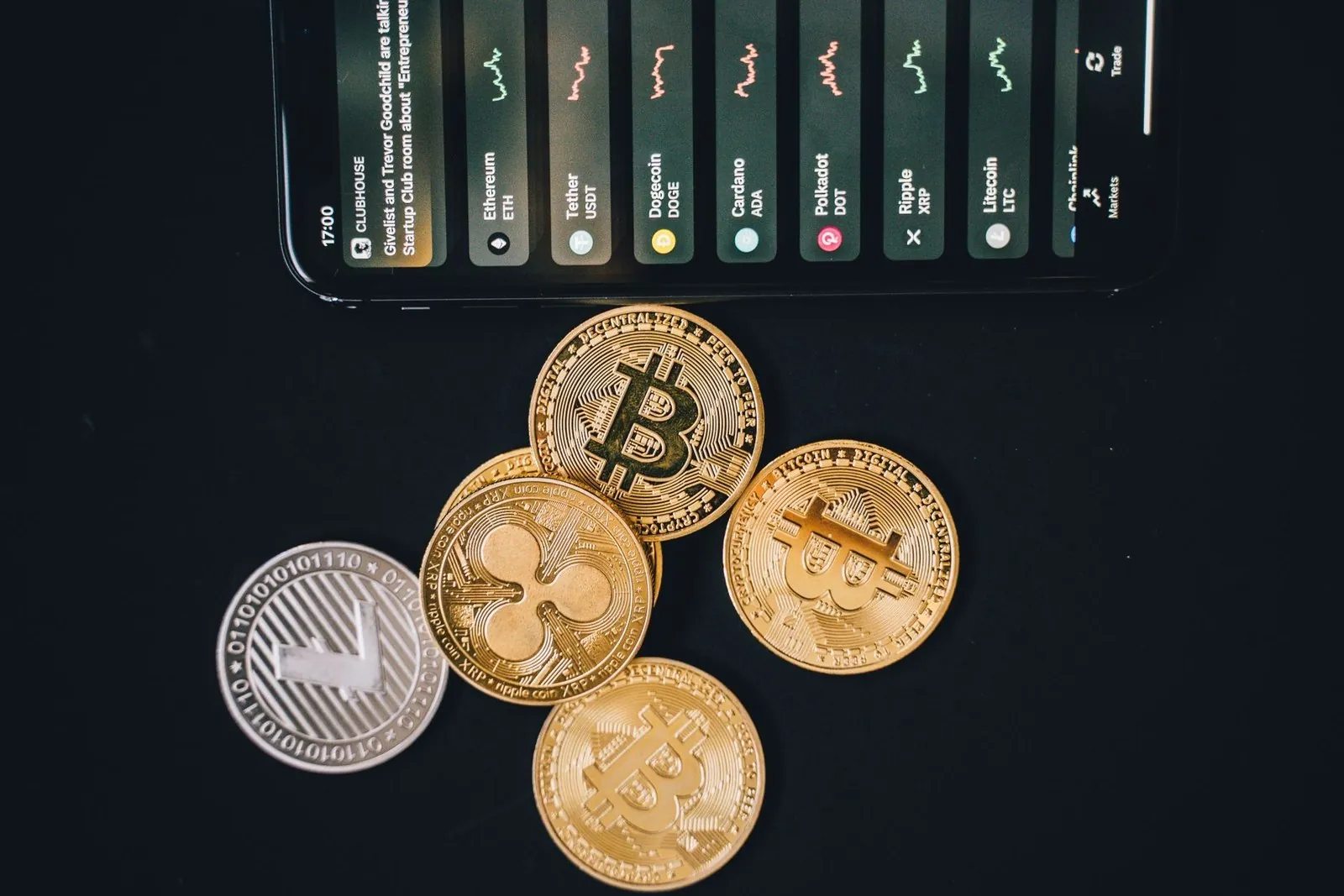
The real 2026 setup is two legs stitched together: convert VND to USDT on Binance while you’re in Vietnam, then move that USDT to a ruble-supporting platform, usually Bybit, HTX, MEXC, Bitget or KuCoin, to cash out in rubles on the Russian side. A USDT transfer on the TRC20 network costs about $1 flat regardless of amount, and P2P spreads typically run 1-2% per leg, so a full round trip lands around 2-4% total. Whitebird, a crypto-fiat exchanger popular with Russians, charges about 1.5% to withdraw via the Russian Faster Payments System or bank card, 1.2% via VTB Pay, and 0.5-4.9% on its instant-exchange feature, with processing in the 10-60 minute range. Bybit Pay goes a step further and lets you spend USDT directly at Vietnamese merchants through VietQR, no separate transfer needed, capped at $900 per transaction and $15,000 per day.
Is Using USDT Legal in Vietnam?
Holding and trading it, yes. Spending it as payment, no. Vietnam’s Law on Digital Technology Industry took effect January 1, 2026 and formally recognizes crypto assets as property for the first time, but the law is explicit that crypto cannot be used as a means of payment inside the country.
That’s why the practical workaround is Bybit Pay’s VietQR bridge: it technically converts your USDT to dong at the point of sale rather than paying a merchant in crypto directly, keeping it inside the letter of the 2026 rules. Vietnam has been on the FATF gray list since 2023, and a draft tax circular from October 2025 proposed a 2% VAT plus a 0.1% transaction tax on crypto trades, though that hadn’t been finalized as of this writing, so expect the fee picture here to shift again before the year is out.
How Much Cash Can You Carry Across the Vietnam-Russia Border?
Vietnam requires declaring cash over $5,000 USD equivalent, or over 15,000,000 VND, both on arrival and departure; below that threshold, no declaration is needed, and a filed declaration stays valid for up to 12 months. Russia allows taking out foreign currency cash up to $10,000 USD equivalent per person without special permission.
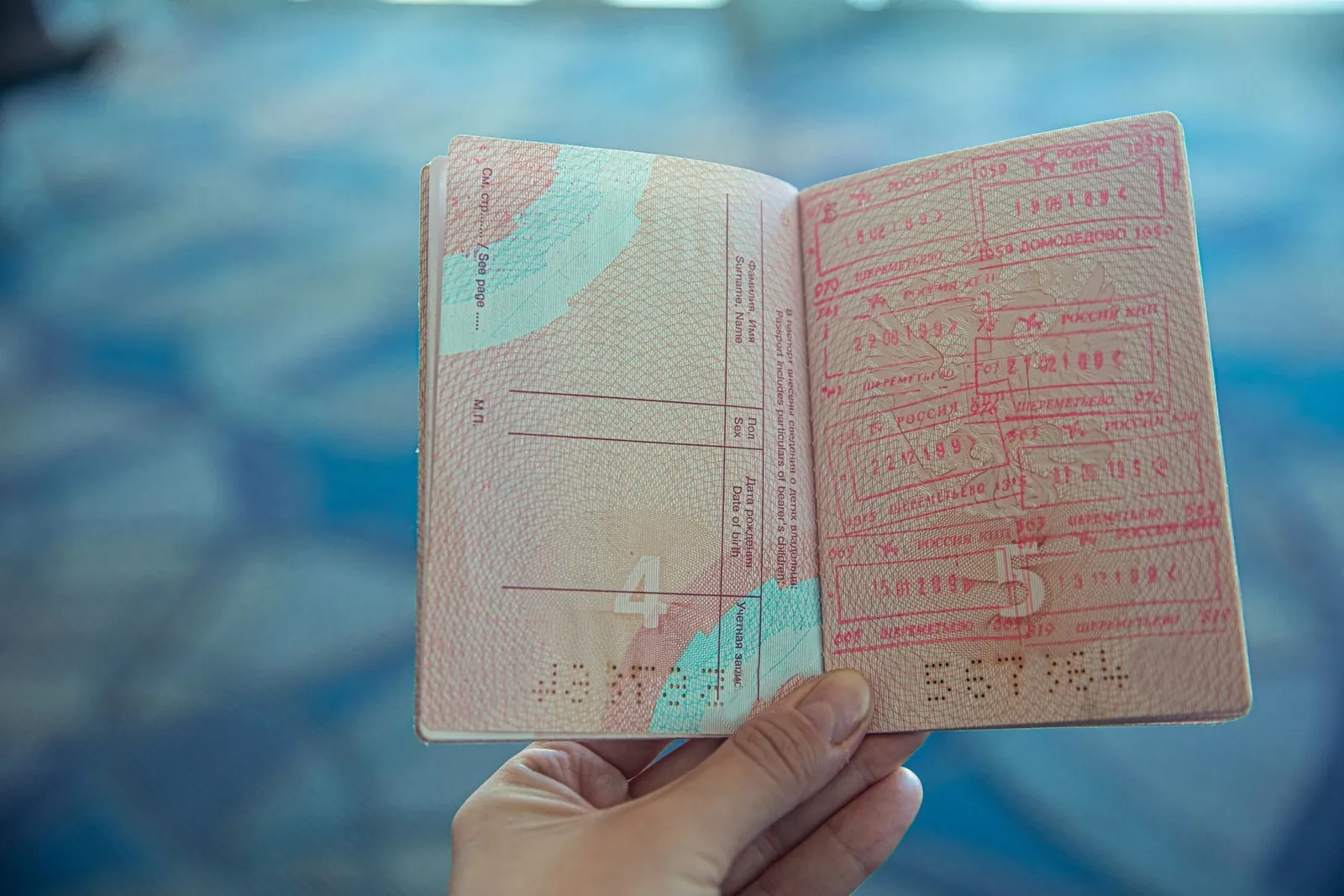
Above roughly $20,000 undeclared, Russian law treats it as currency smuggling under Article 200.1 of the Criminal Code, so anyone moving a large sum in cash should declare it rather than gamble on the threshold. For most people reading this, though, the practical ceiling that matters is the $5,000 Vietnamese declaration limit, since carrying more than that in a single trip is rare outside of business or property transactions.
If you’re dealing with this corridor right now and something in your specific case doesn’t match the general picture above, the team at danangvisarun.com handles visa and border logistics daily and can usually point you toward whichever workaround is live that week, and if Telegram is easier than a website form, message @learnx1000 directly.
Methodology: Where These Numbers Come From
Every fee and limit above comes from at least two independent sources: official platform pages (KoronaPay, Wise, Bybit), Russian and Vietnamese financial press (vc.ru, Forbes.ru, holod.media), and customs-facing travel guides, cross-checked against each other for the most current 2026 figures. Where sources disagreed, I gave a range rather than a single number, VRB’s per-withdrawal ATM limit is the clearest example: reports range from 3 to 7 million VND, so I didn’t force a false precision. Figures tied to a specific regulatory deadline (the EU’s 19th sanctions package, Vietnam’s January 2026 crypto law) are dated to when they took effect, since this is exactly the kind of rule that keeps moving.
Frequently asked questions
Does KoronaPay work for sending money from Vietnam back to Russia? No. KoronaPay only moves money from Russia to Vietnam. For the reverse direction, use the crypto two-leg route or withdraw cash from a Mir card at a VRB ATM and arrange a separate local transfer.
Can I still use a Gazprombank UnionPay card in Vietnam? No. Gazprombank UnionPay cards, which used to work for cash withdrawals across Vietnam, stopped functioning as of November 22, 2024. VRB’s Mir-only ATMs are now the sole card-based cash option for Russians.
Why can’t I just use Binance P2P for the ruble side of a transfer anymore? Binance dropped all ruble trading pairs on Binance P2P on January 31, 2024, after exiting the Russian market in September 2023. It still handles Vietnamese dong pairs fine, but the ruble leg now has to go through Bybit, HTX or a similar platform instead.
What happened to Western Union and MoneyGram for Russians? Both have remained suspended for Russia since 2022, and that hasn’t changed as of 2026. Neither is a workable option for this corridor in either direction.
How much cash can I bring into Vietnam without declaring it? Up to $5,000 USD equivalent, or 15,000,000 VND, without a customs declaration. Above that, you must declare on both arrival and departure, and the declaration remains valid for up to 12 months.
Is a Mir card useful for anything besides ATM withdrawals in Vietnam? Not really. Mir isn’t connected to Vietnam’s NAPAS network, so it can’t be used at point-of-sale terminals in shops or restaurants. VRB ATM cash withdrawal is the only functional use case in 2026.