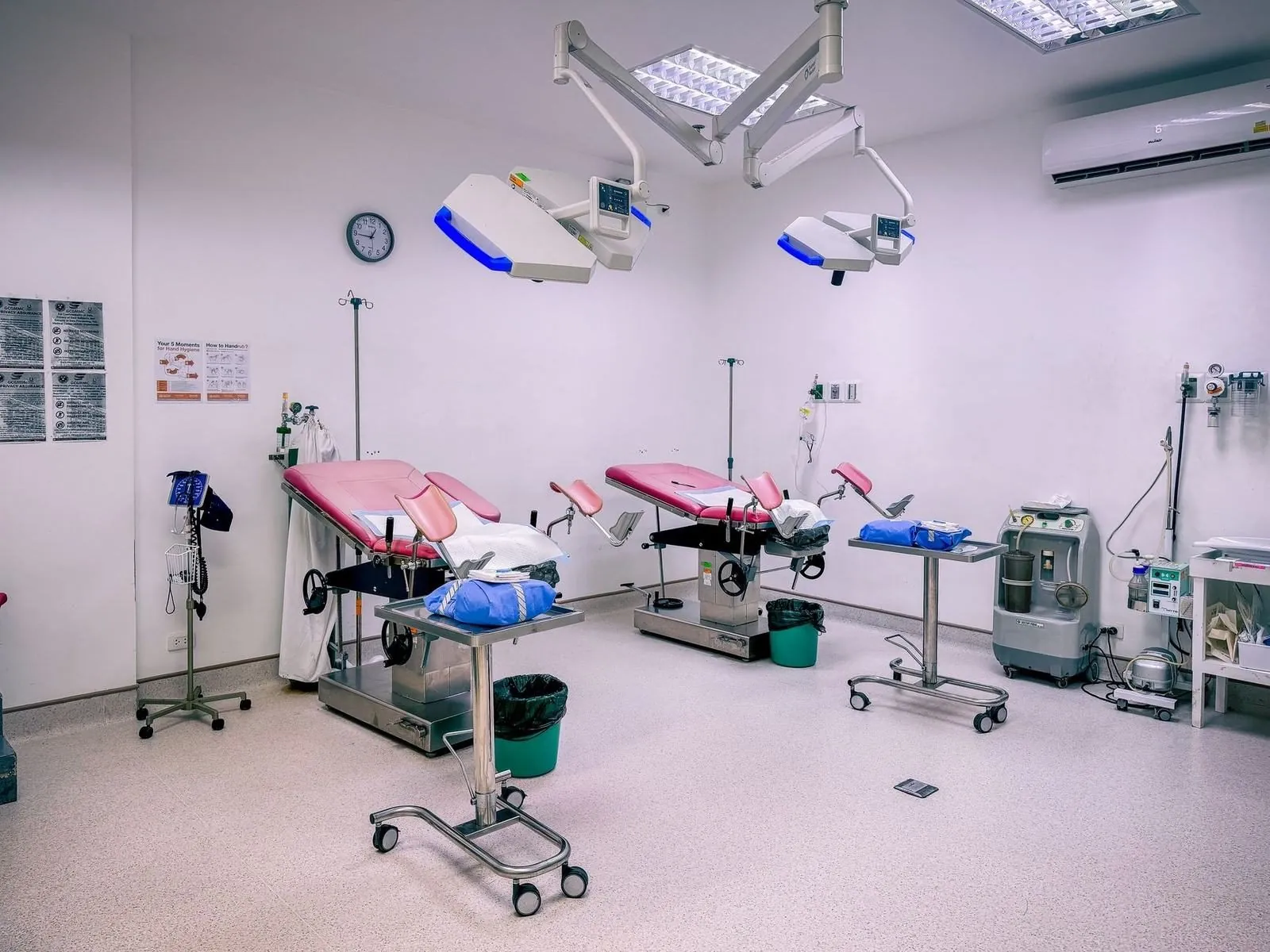
A private hospital birth in Vietnam runs $2,000-3,500 for a vaginal delivery and around $3,300 for a c-section with two nights in the NICU - roughly a third of what the same c-section costs in the US. I didn’t plan around any of this when I found out I was pregnant in Da Nang. Here’s what I’d tell a friend before she picks a hospital - and if your visa is also running out around the due date, that’s a fixable side-quest, not a crisis, and it’s covered on our services page.
Which Hospital Should You Actually Pick?
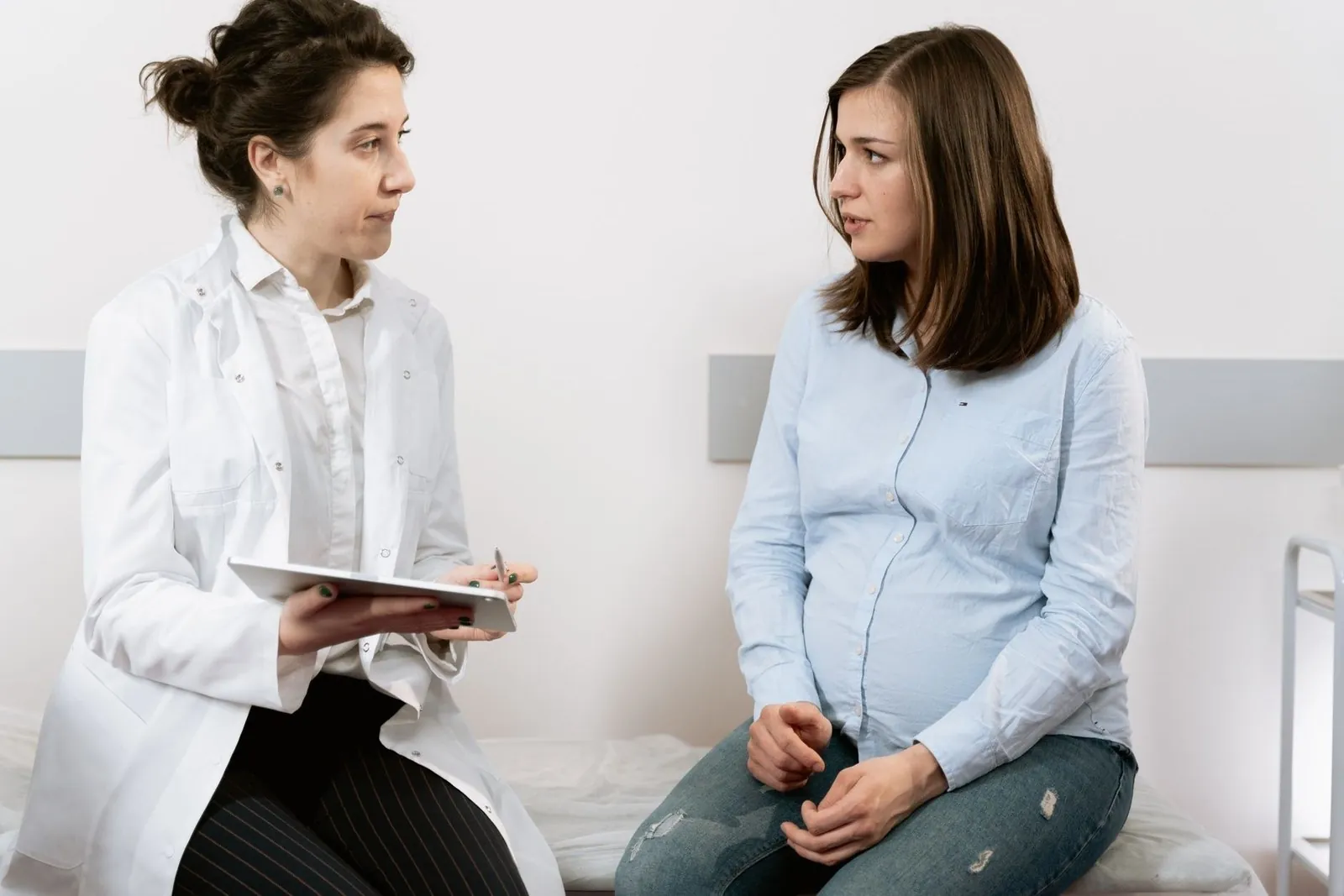
Proximity is a trap. I know a couple who chose FV Hospital because it was fifteen minutes from their apartment, and it worked out fine - but the real filter is language and bedside manner, not the commute. Ask to sit in on a maternity ward tour before you commit, and specifically ask which of the OB-GYNs on staff has the strongest English, not just whether the hospital “has English speakers.”
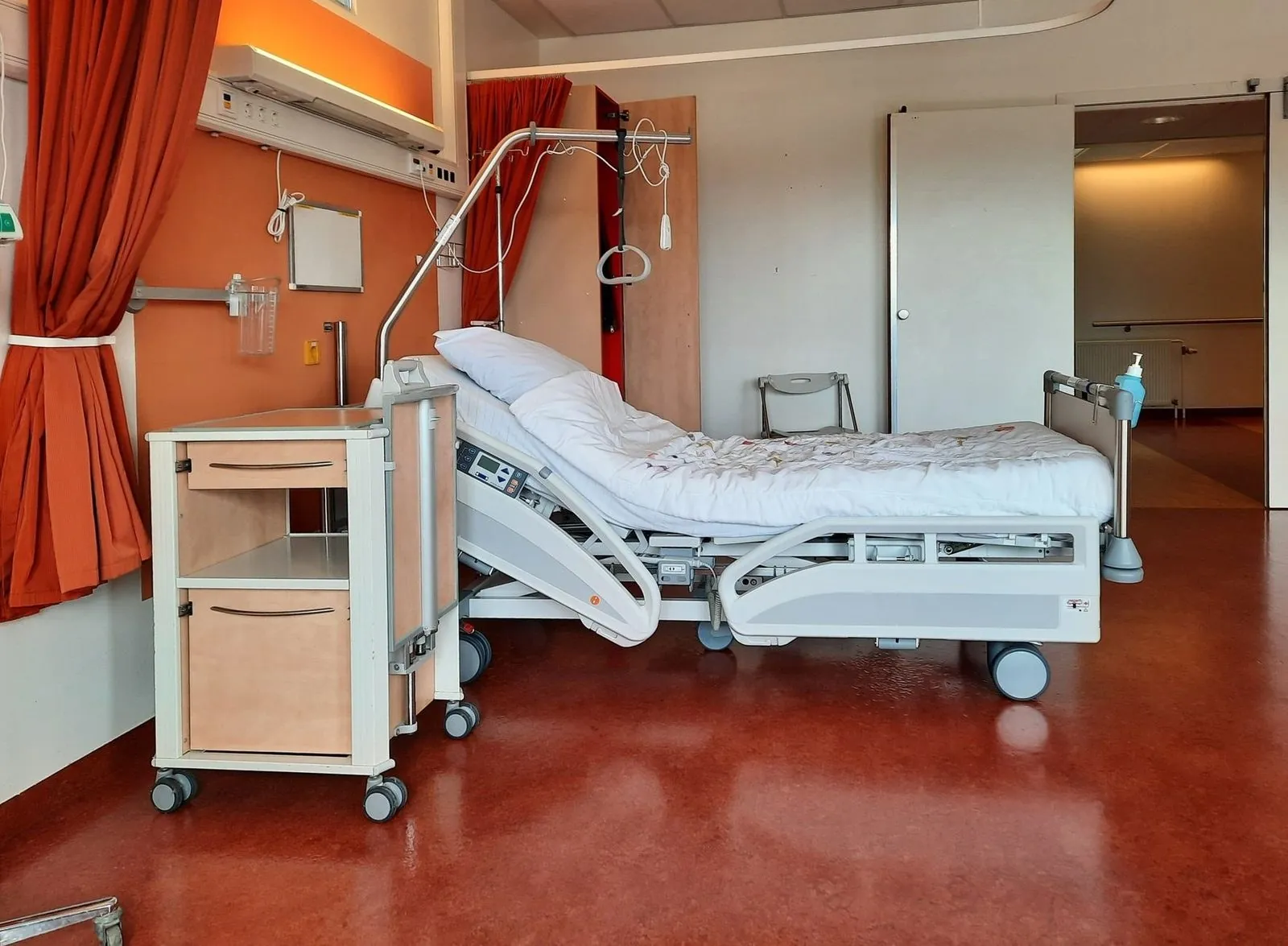
FV Hospital, Vinmec, and Hanh Phuc International are the three names that come up most often among expats in Ho Chi Minh City and Hanoi. Each has different room tiers - shared ward with no overnight guest, a private room with a cot for one visitor, and a VIP suite around $250 a night with a proper bed for a partner and meal service included.
What Prenatal Care Actually Costs
A single OB-GYN visit at a private clinic runs $80-150, and that price usually includes the ultrasound and bloodwork in one itemized bill - no surprise charges weeks later like you’d get in the US. A non-invasive prenatal test (NIPT) costs around $250 locally versus $700 for the same test back home, which is worth knowing if you’re over 35 and your doctor recommends it.
Childbirth classes for both partners run about $80 for a five-session course and usually include a ward tour, though the instruction is often in accented English - reading a couple of solid pregnancy books alongside the class will cover more ground than the class alone.
Why a C-Section Might Happen Even If You Didn’t Plan One
One birth I heard about went sideways fast: water broke on a treadmill a month before the due date, and the hospital found the baby was breech. With a 24-hour infection risk window once the water breaks, the doctors didn’t wait around - surgery was scheduled for that same evening. If your due date is close, know that Vietnamese hospitals move quickly on breech presentations rather than trying to wait it out.
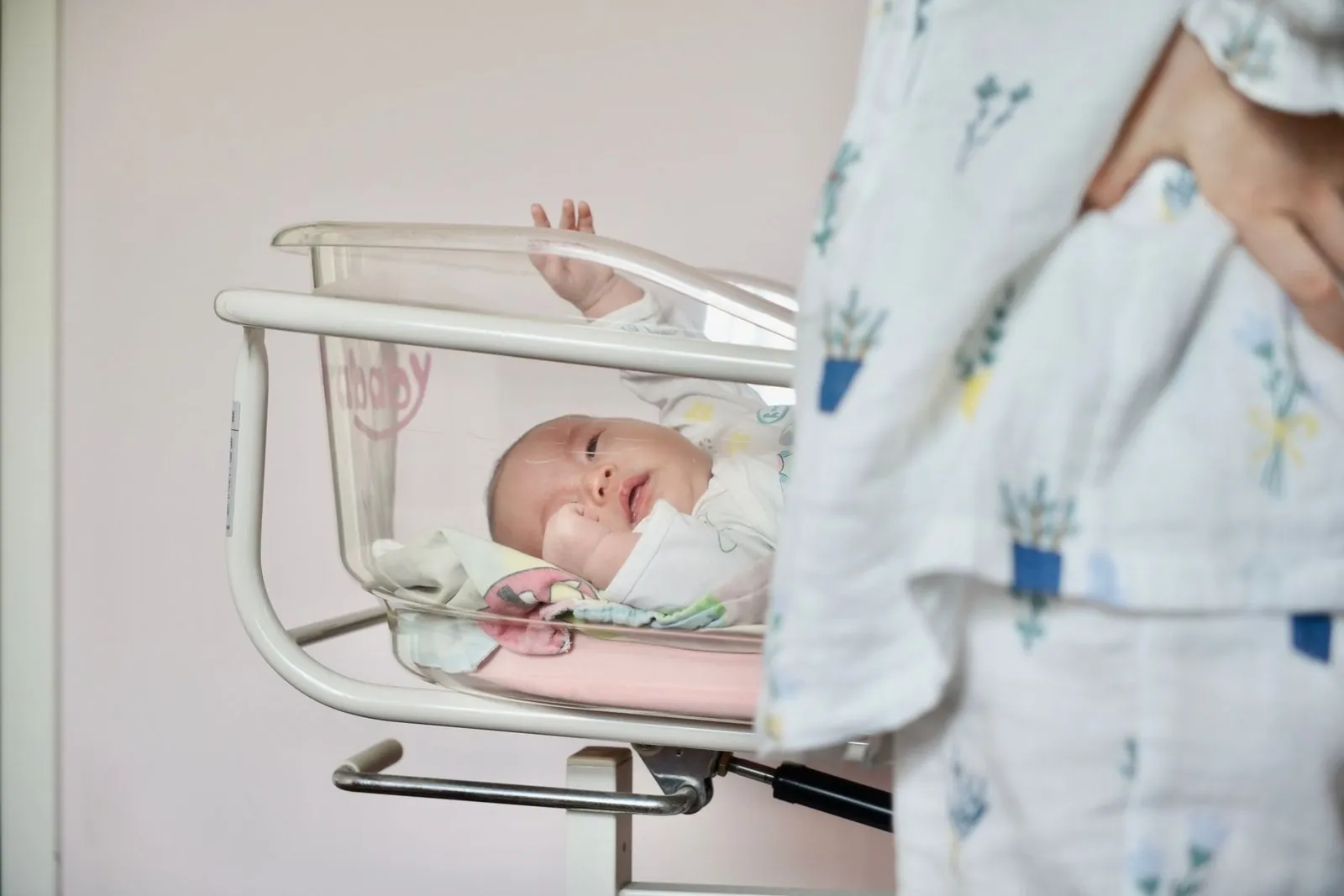
C-section babies are more likely to end up in the NICU for a day or two with rapid breathing - it’s called transient tachypnea, and it’s common enough that the nurses don’t treat it as an emergency, even though it’s alarming to watch as a new parent. Jaundice after day two is also routine; a blindfolded newborn under phototherapy lamps looks worse than it is, and bilirubin levels usually normalize within 24 hours.
This is usually the point where an unplanned extra week in the hospital starts colliding with someone’s visa dates. That’s the part I actually deal with day to day - checking how many days are left on a passport and lining up an extension or a fresh entry so it doesn’t land in the middle of a NICU stay. If your dates are getting tight, ping me on Telegram and I’ll check what fits.
Step-by-Step: How to Plan a Birth in Vietnam
- Tour at least two hospitals before your third trimester. Compare room tiers, not just the lobby.
- Ask specifically about the assigned OB-GYN’s English, not the hospital’s general reputation.
- Budget $3,000-4,000 as a baseline, and expect it to climb if there’s a c-section, NICU time, or phototherapy involved.
- Get international insurance before the birth, not after. We picked up SafetyWing afterward and regretted the gap - it covers 180 countries and includes one child under 10 free on a parent’s policy.
- Pack your hospital bag by week 34, not on your due date - plenty of babies in Vietnam arrive early.
- Ask about the newborn vaccination schedule in advance. Hepatitis B and TB shots are standard in the first 24 hours in Vietnam, which surprises a lot of parents coming from the US.

The Part Nobody Warns You About
Recovery from a c-section is brutal even with morphine - the first two days can mean needing help just to reach the bathroom. What actually speeds things up is walking as early as the nurses allow, not staying still; going from a hunched shuffle to standing straight within a couple of days is normal and gets you out faster.
If you’re at the stage of comparing hospitals and your visa paperwork is piling up on the same desk, take a look at danangvisarun.com for what’s actually possible on an extension - or just message me on Telegram directly.