Vietnam does not list a return ticket as an entry condition in any official 2026 text I could find, yet the airline at your departure counter can still refuse to board you without one. For Russians the visa-free stay is 45 days (valid through 14 March 2028 under Resolution 44/NQ-CP) and an e‑visa runs up to 90 days, so the question comes up mostly for people flying one way. If you’d rather not gamble at a check-in desk, the plan below covers that risk.
I live in Vietnam and talk to travelers about entry rules every week. Below is what is written down, what is only practice, and what to carry.
Does Vietnam require a return ticket in 2026?
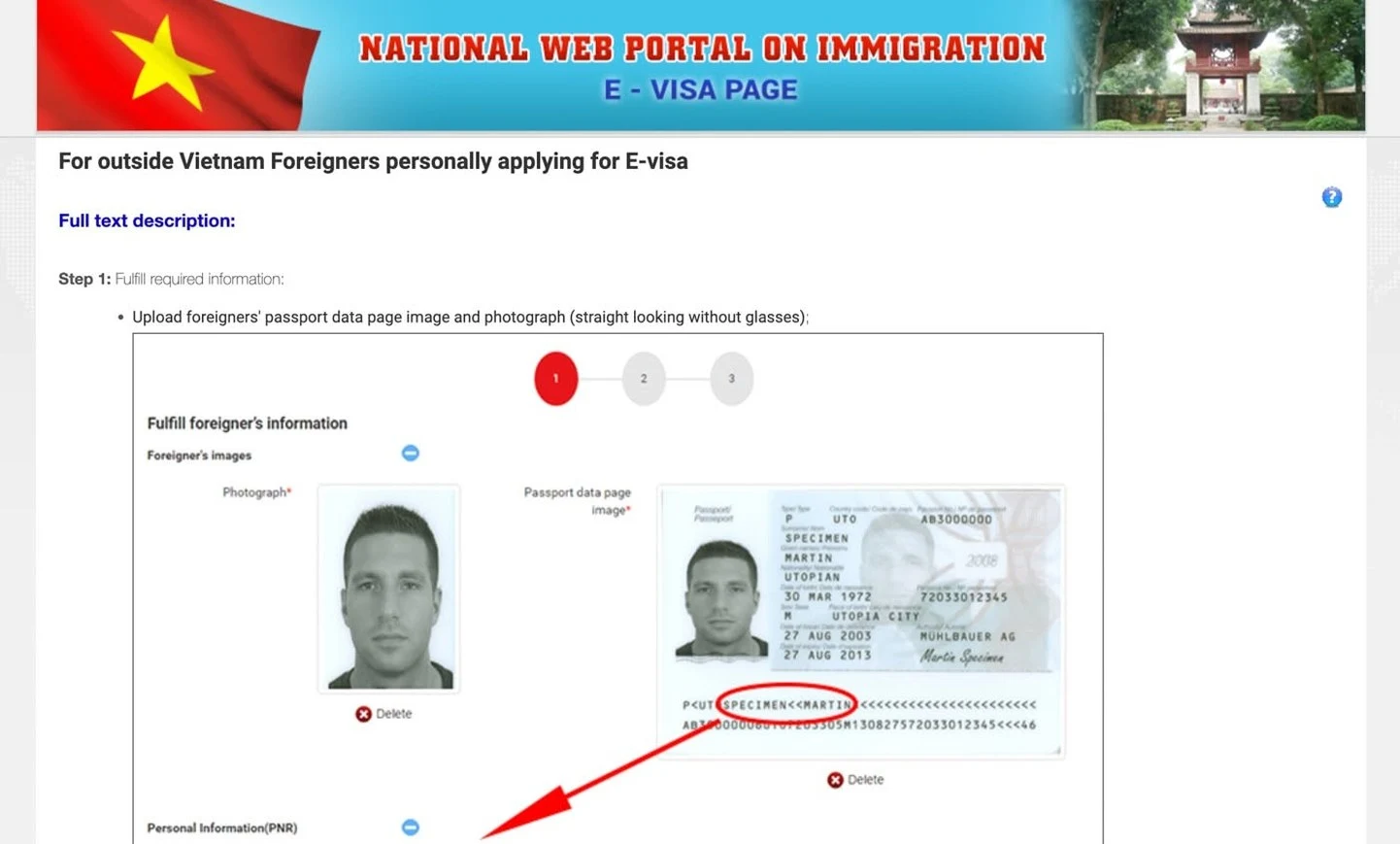
I found no official source that makes a return or onward ticket a legal condition of entry. The e‑visa portal evisa.gov.vn lists its conditions and documents without one, and the UK and Australian government travel pages for Vietnam do not mention it either. My conclusion rests on a missing clause, and no law text backs it with a direct quote. The idea that a ticket is mandatory goes back to Decision 3207/2008 of the Vietnamese Foreign Ministry, which asked Russians for a return ticket under the old visa-free regime. The current 2025-2028 regime does not repeat that clause in the texts I could verify.
Who actually checks: the airline or the border officer?
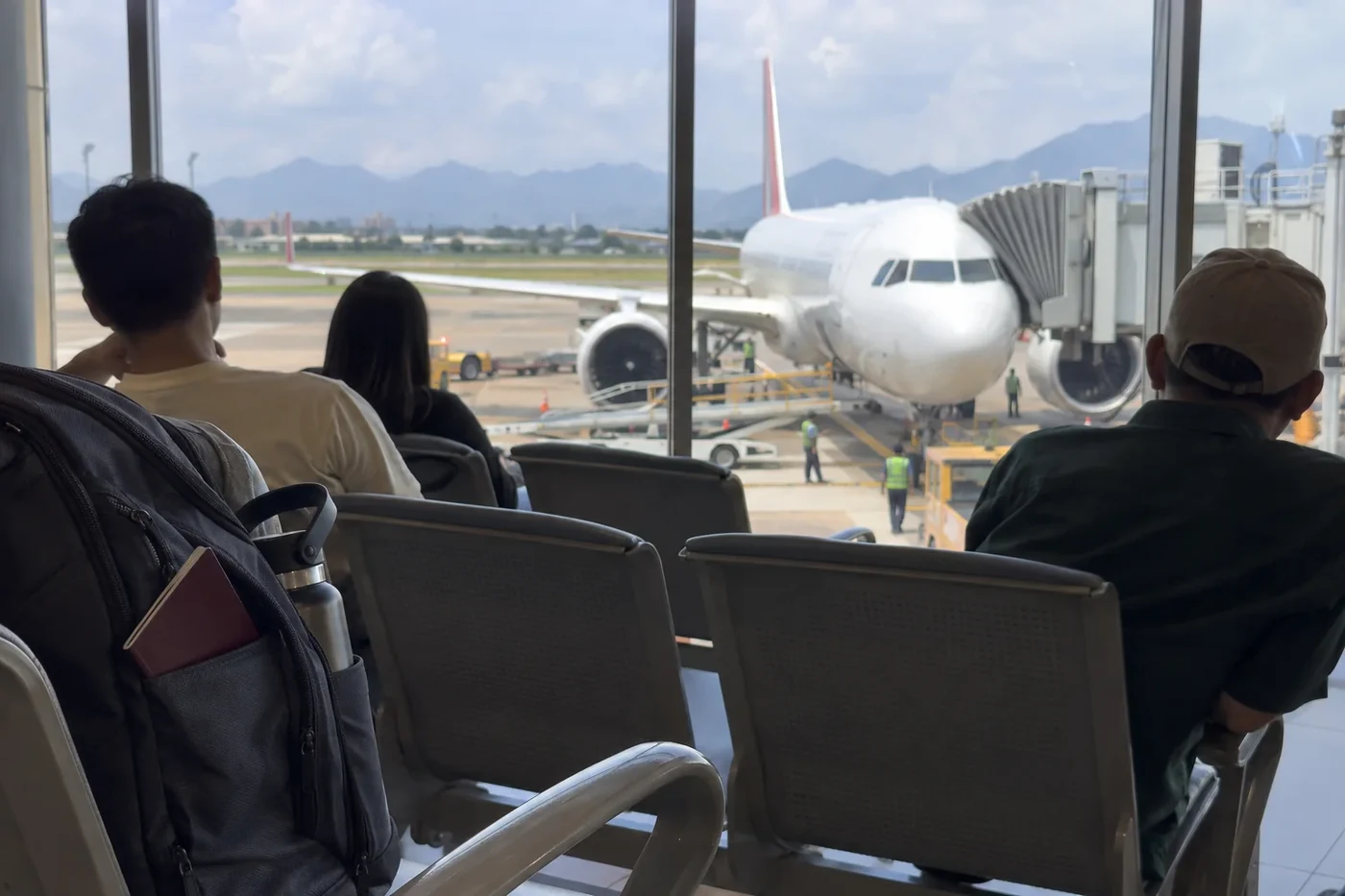
The airline checks first. Carriers are responsible for flying a refused passenger back, so their check-in staff look at the IATA Timatic database, and according to airline staff and traveler reports it asks for proof of onward travel on visa-free entry to Vietnam. A one-way ticket on a visa-free entry is the classic trigger.
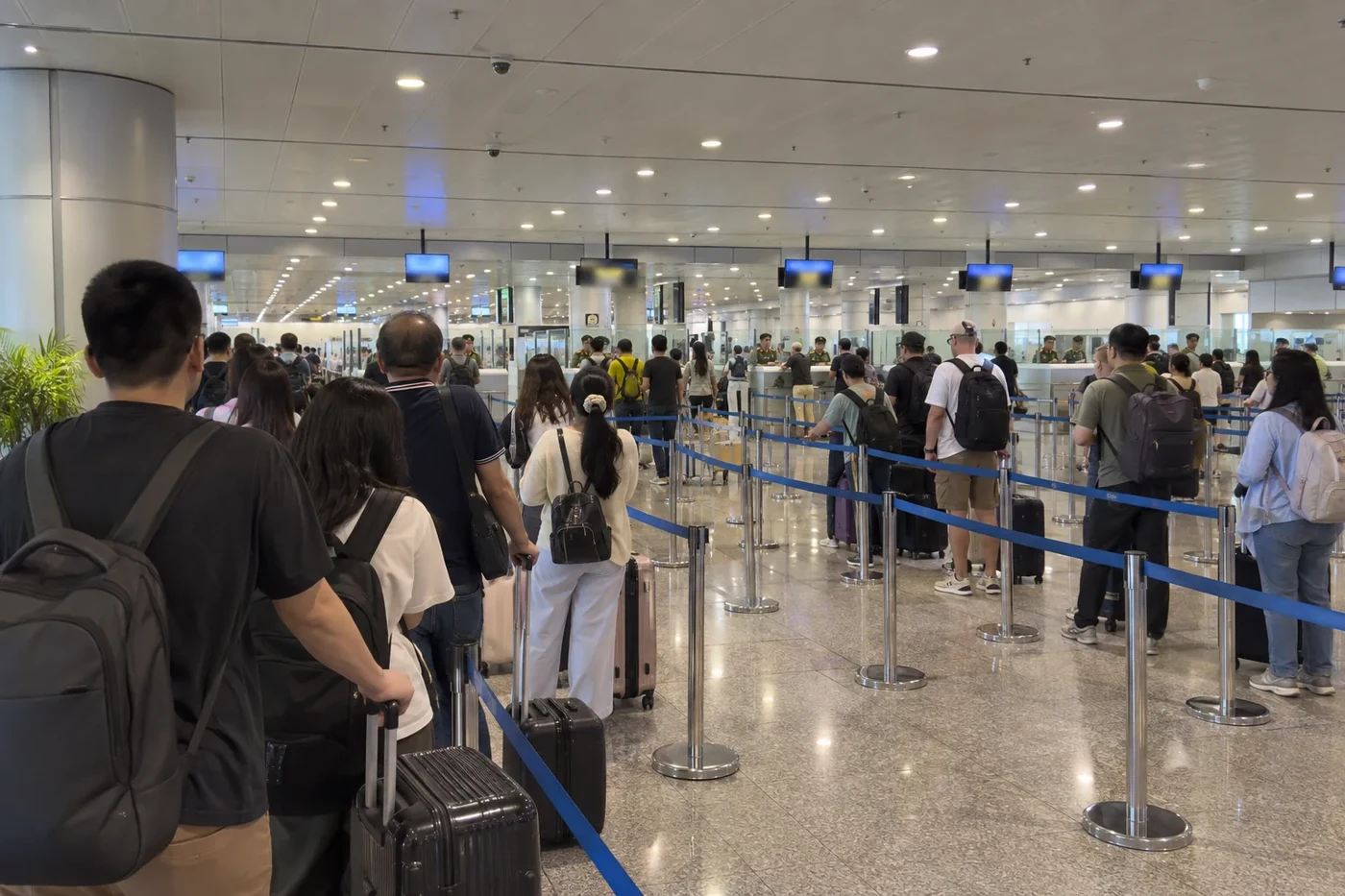
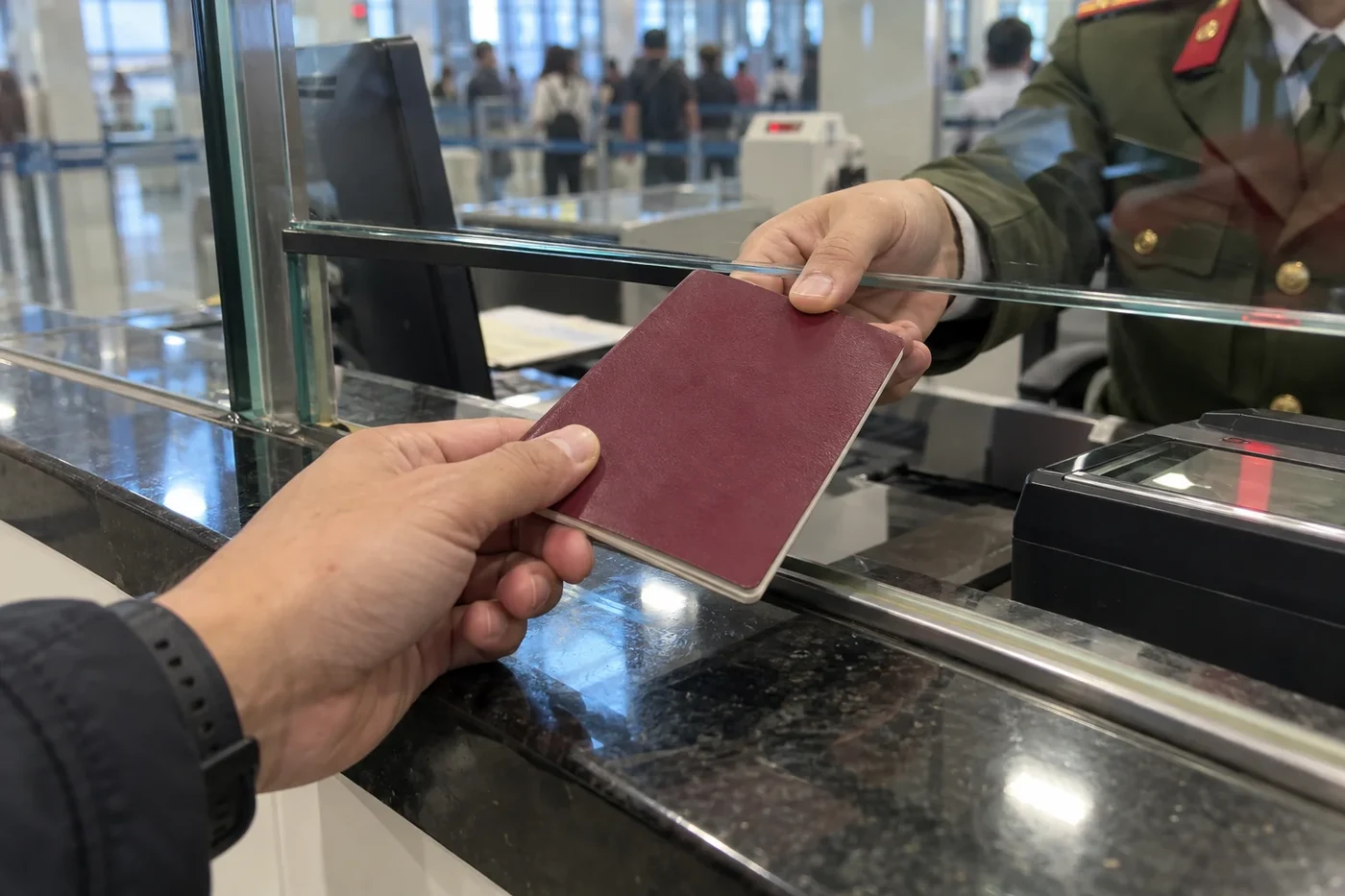
The border officer in Vietnam has the right to ask for a ticket out or a ticket to a third country, but checks selectively. Hotel bookings are requested less often than tickets. With an e‑visa already in your passport, forum reports say the ticket is usually not asked at the border, though individual airline agents sometimes still want it.
Strictness varies by carrier, so two travelers on the same route can get different treatment.
What do you need in each entry scenario?
The right preparation depends on how you enter and for how long: a visa-free flight in needs a ticket out, an e‑visa flight in needs a flexible ticket as insurance, and a land crossing needs the correct checkpoint on the visa. The table puts the four cases side by side.
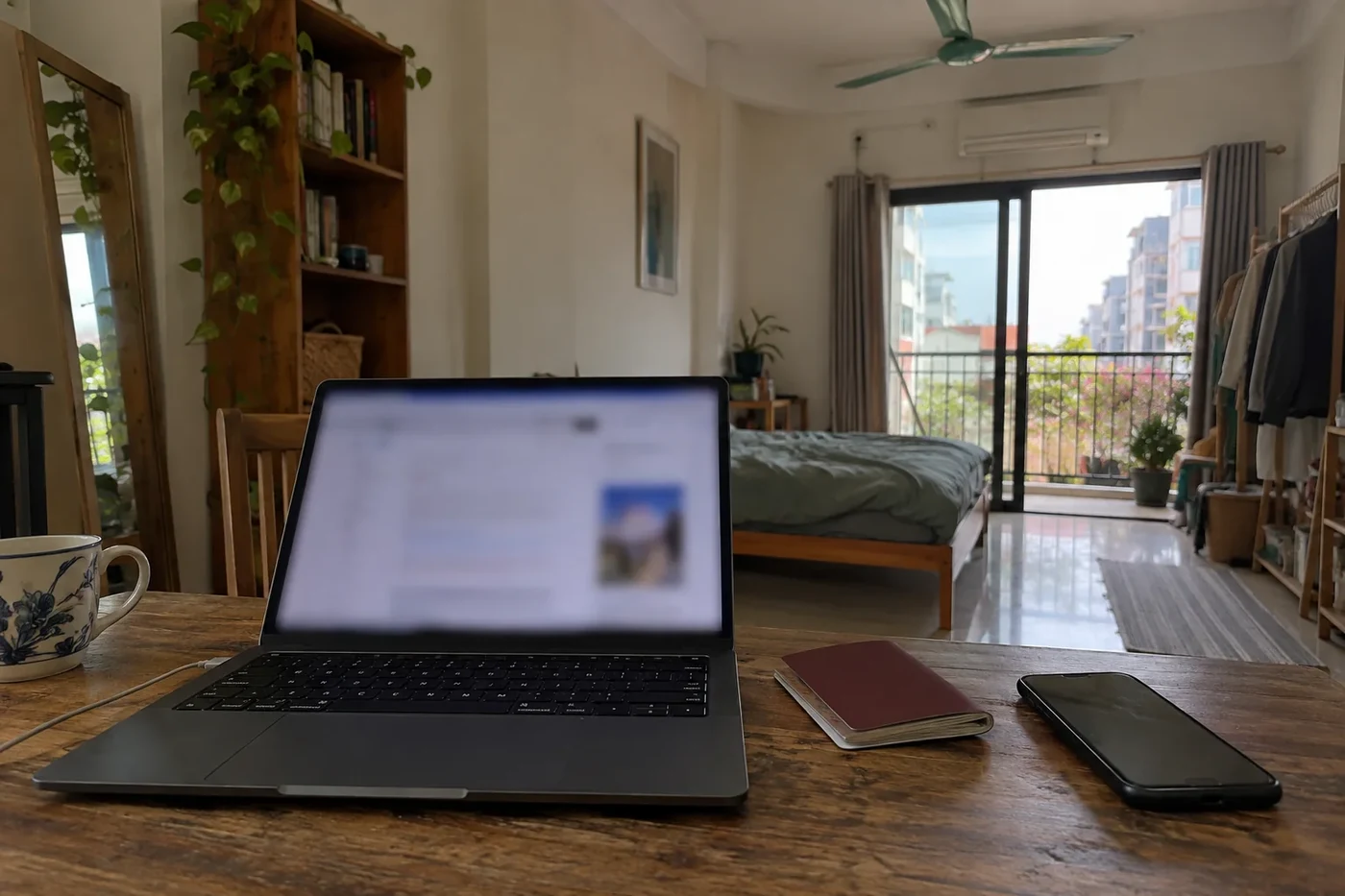
| Scenario | What to carry | Who may ask | Risk if missing |
|---|---|---|---|
| Visa-free, flying in, 45 days | Ticket out or to a third country, valid passport | Airline first, officer rarely | Refused boarding |
| E‑visa, flying in, up to 90 days | E‑visa printout, flexible ticket as insurance | Airline sometimes | Delay at the counter |
| E‑visa, entering by land | E‑visa with the correct border gate | Officer on request | Turned back at the gate |
| One way, staying beyond the exemption | E‑visa instead of visa-free | Airline | Refused boarding |
The e‑visa fee at evisa.gov.vn is $25 for a single entry and $50 for multiple entries, and a stay on it can reach 90 days. If you plan to stay past 45 days, the e‑visa is the cleaner base, and my guide to the 90-day multiple-entry e‑visa walks through the form.
How do you enter by land on a visa run?
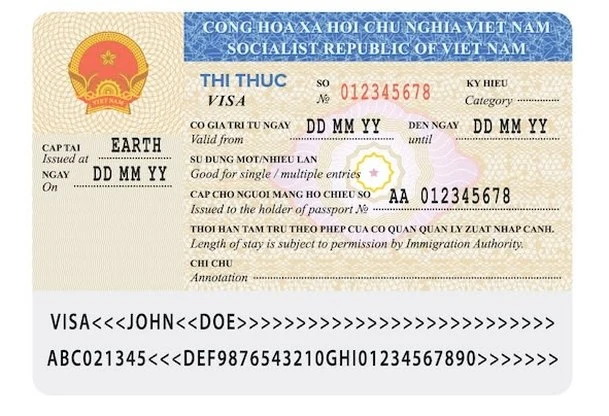
Overland the picture is calmer. Bus passengers crossing a border generally face no demand for proof of onward travel, and a single bus ticket is the normal thing to hold. One source lists Moc Bai among the crossings where an onward ticket is sometimes requested, so I count it as possible and still rare. What really decides the day at the gate is the e‑visa itself: it must name the exact checkpoint you use, and Moc Bai has to be chosen in the application if that is your gate.
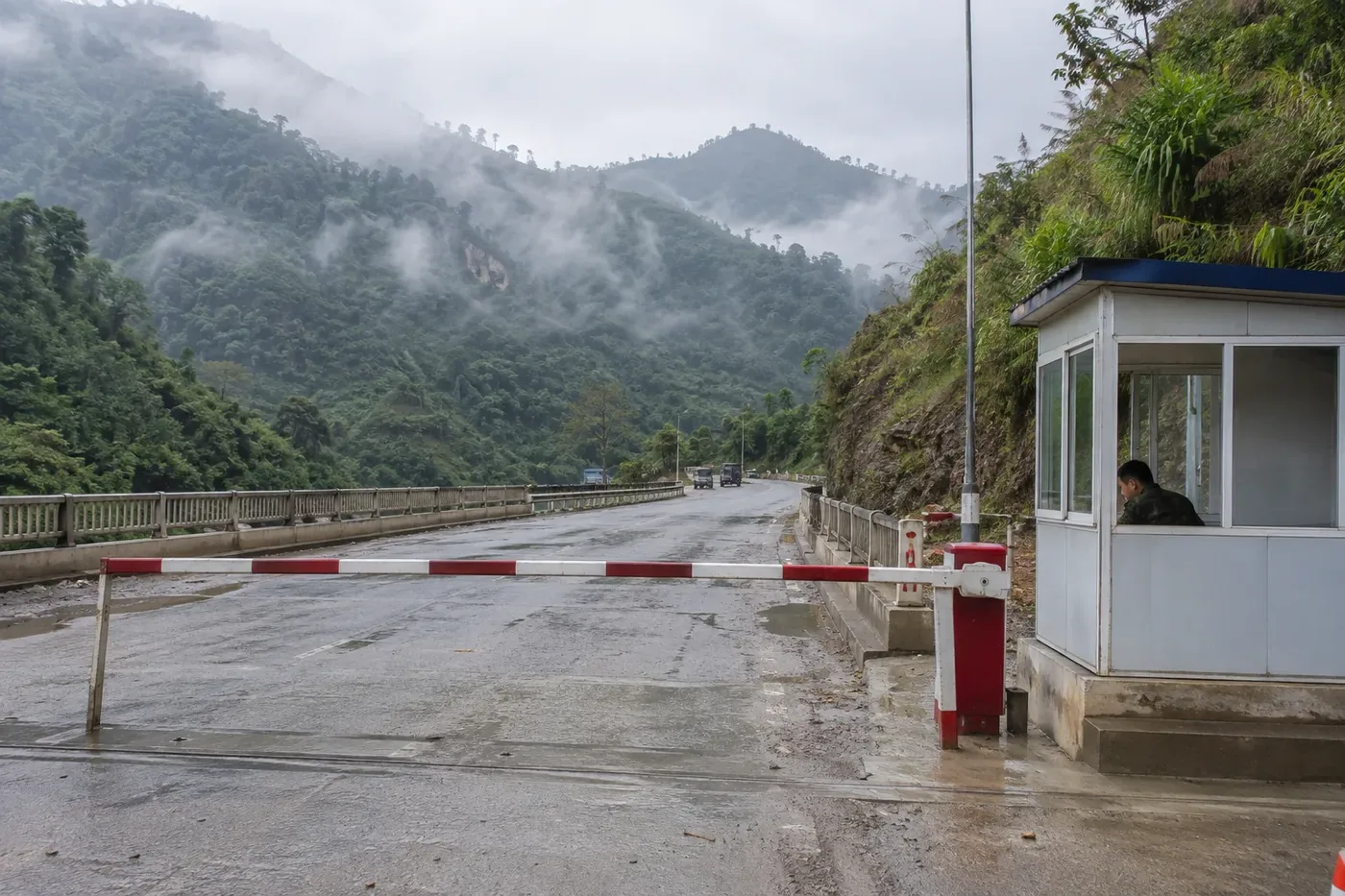
This is the point where people lose a day. A wrong checkpoint on the e‑visa means a turn-back at the gate, and the fee is not refunded. You can fill in the portal yourself in about an hour, with a card the portal accepts. If you’d rather not worry about the card or the gate choice, send me your route on WhatsApp and I will tell you which gate to choose. At BestBus Vietnam I pay the portal fee with a card the portal accepts, pick the right checkpoint for your route and run the border crossing with you.
For crossing times and queues, see my notes on Moc Bai and what a run really costs in border run costs.
Step-by-step: how to prepare your proof of exit
- Decide the entry type first: visa-free for up to 45 days, or an e‑visa for up to 90 days.
- If you fly in, buy the cheapest refundable or flexible ticket out of Vietnam, ideally to a neighboring country, and keep the booking code in your phone.
- Check your passport: it needs at least 6 months of validity on the entry date and, ideally, two free pages.
- Submit the digital arrival card at prearrival.immigration.gov.vn and save the QR code.
- Cancel or change the spare ticket only after you have passed immigration, and read the fare conditions first.
The airport routine is covered in my airport immigration checklist.
What counts as proof of onward travel?
A refundable or flexible ticket to a neighboring country is the safest proof, because the airline sees a real booking. The cheapest non-refundable ticket also works, and I only go for it when the exit date is already fixed, because otherwise that money may not come back. A reservation from a dummy-ticket service lives for 24 to 48 hours and can be checked by its booking code, so it is a gamble at the counter. The tempting mistake is to show such a reservation as if it were paid: the agent looks up the code, finds a hold that has already lapsed, and the conversation ends there. A forged or edited document can get you refused boarding and even banned, and there are agents in Vietnam who sell tickets that do not exist in any booking system.
I do not quote ticket prices here because the fares change daily and I could not verify current numbers.
Is the ticket the real reason people are turned away?
A short passport validity turns people away more often than a missing ticket. A documented 2025 case involved a family flying from Vladivostok to Nha Trang: the child was refused entry because the passport had under 6 months left, the family was sent home, and the court later made the airline compensate them: responsibility for documents lies with the passenger, but the airline had not given full information about the status of the return carriage. The case turned on the passport and never touched the ticket. Other reasons that can come up are a missing arrival card and a string of back-to-back visa runs that makes an officer suspicious.
Of those three, the passport date is the one I check first with every traveler, because a missing ticket can be fixed with a booking on your phone and a short passport cannot.
Which option should you pick?
If you fly in on a visa-free entry, hold a flexible ticket out of Vietnam and a passport valid for at least 6 months. If you plan to stay beyond 45 days, apply for the e‑visa instead. If you cross by land, choose the right checkpoint on the e‑visa and carry the booking code of any onward flight. Fixing these three things costs far less than a refused boarding.
Entry rules in Vietnam change, so confirm the current wording with your airline a day before you fly.
You can do all of this on your own, and the portal is free of agents. If you want a second pair of eyes on the whole plan, write to me on WhatsApp with your dates and route, and I will check your entry type, your ticket and your passport dates together.
Frequently asked questions
Can I show a bus ticket to Cambodia or Laos as proof of exit?
No official source confirms that Vietnam accepts it as onward proof. A bus ticket may satisfy an officer at a land border, but an airline checking Timatic expects an air ticket, so a flight is the safer proof if you fly in.
Do I need a hotel booking as well?
Less often than a ticket, but officers can ask. Keep a confirmed booking for the first nights on your phone, since a hotel address also fills the arrival card.
How early can I submit the digital arrival card?
Not earlier than 3 days (72 hours) before entry. The site issues a QR code for passport control, and whether an airport treats it as mandatory differs by airport, so ask your airline.
Can a visa-free traveler leave and re-enter without a gap?
The texts I checked set no annual limit on visa-free entries for Russians. A string of back-to-back runs can still draw an officer’s questions, so carry proof of onward travel and a place to stay.