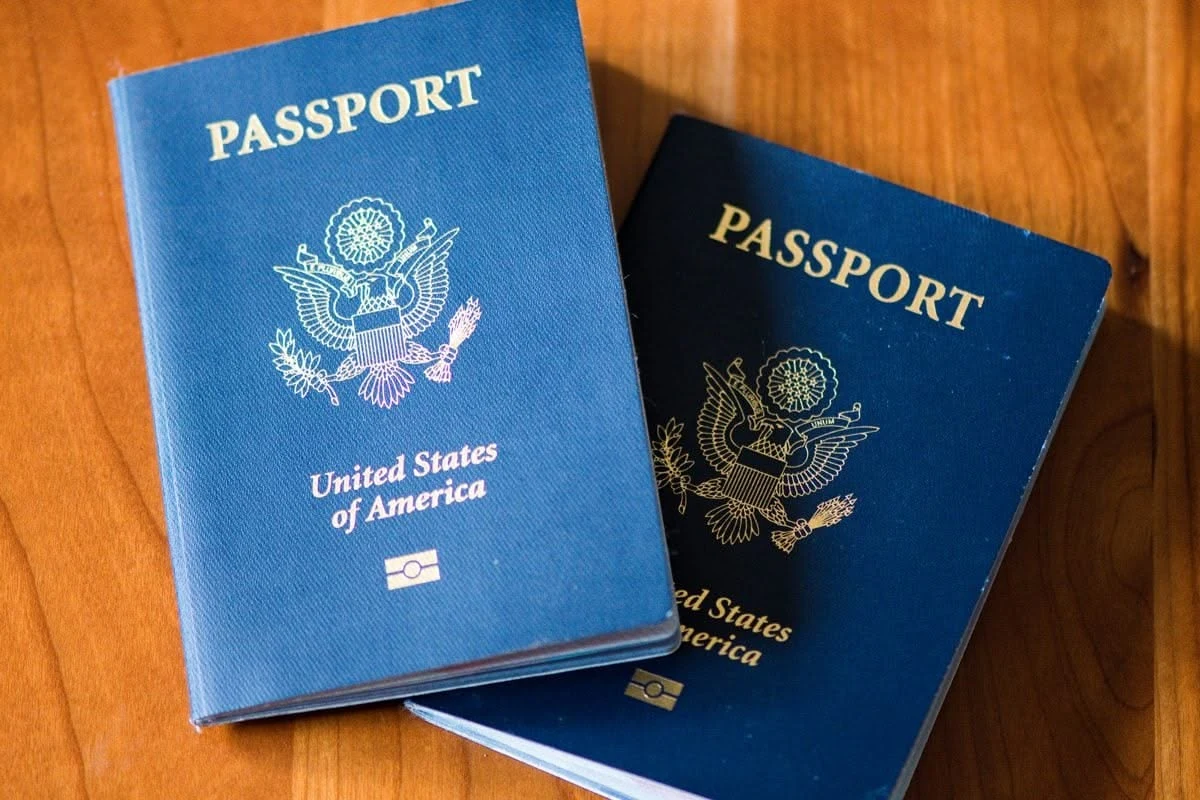
Vietnam has no retirement visa in 2026, and none is planned. Retirees live on the same 90-day e‑visa as any tourist, with a mandatory exit-and-re-entry every three months - what everyone here calls a visa run. I’ve helped a handful of retired travelers set this cycle up, and the math is simpler than most guides make it sound.
Is there a retirement visa in Vietnam?
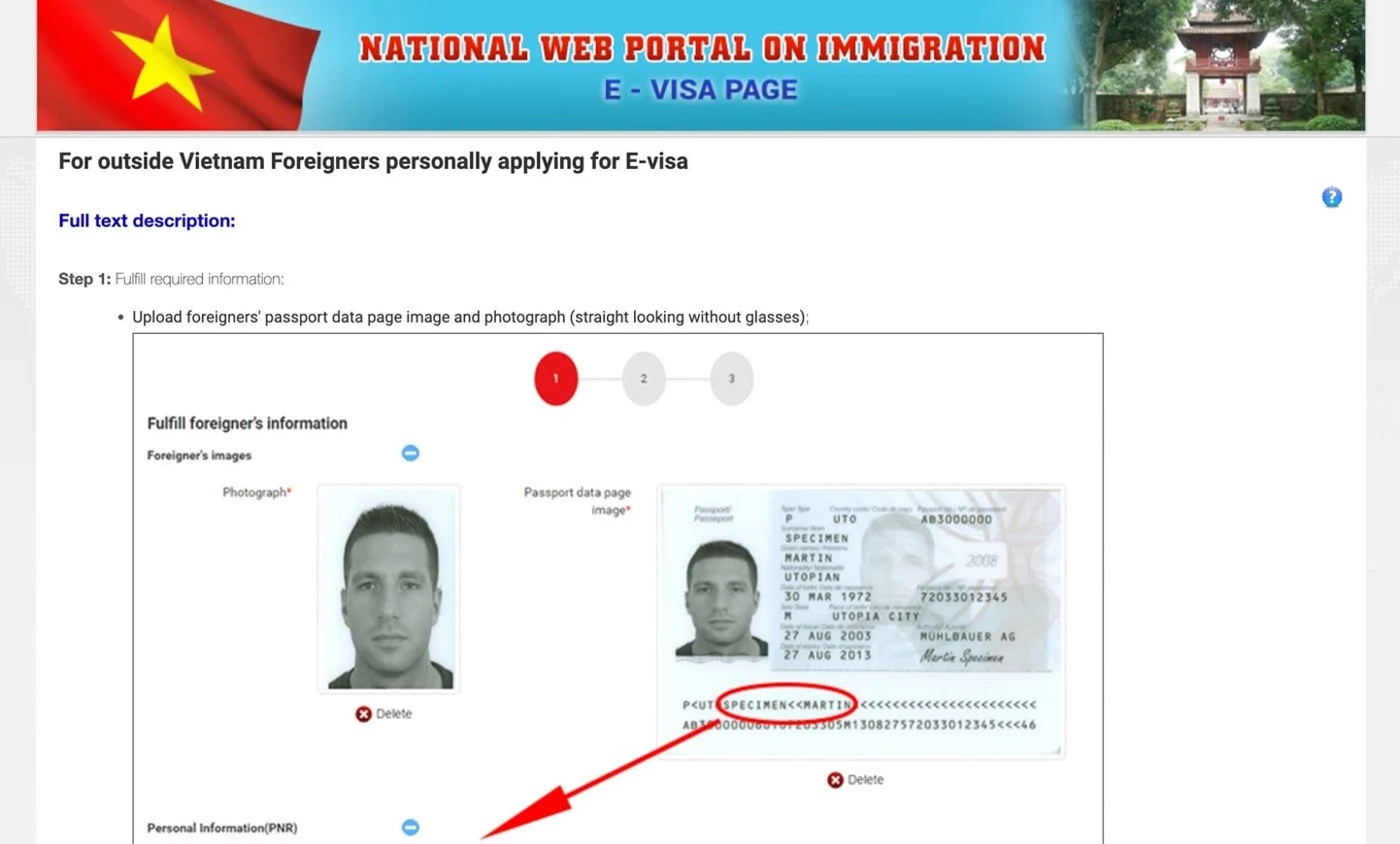
No. Thailand, the Philippines, and Malaysia all have dedicated retirement visas - Vietnam does not, and the government’s talk of a five-to-ten-year Golden Visa has stayed talk for several years running. The only legal path is a standard e‑visa from evisa.gov.vn, single-entry $25 or multiple-entry $50, valid 90 days. Extending it from inside the country is now practically impossible, so retirees plan around the exit instead.
Step-by-step: setting up your 90-day visa run cycle
- Apply for the multiple-entry e‑visa ($50) at evisa.gov.vn before you fly - processing is officially 3 business days, in practice up to a week.
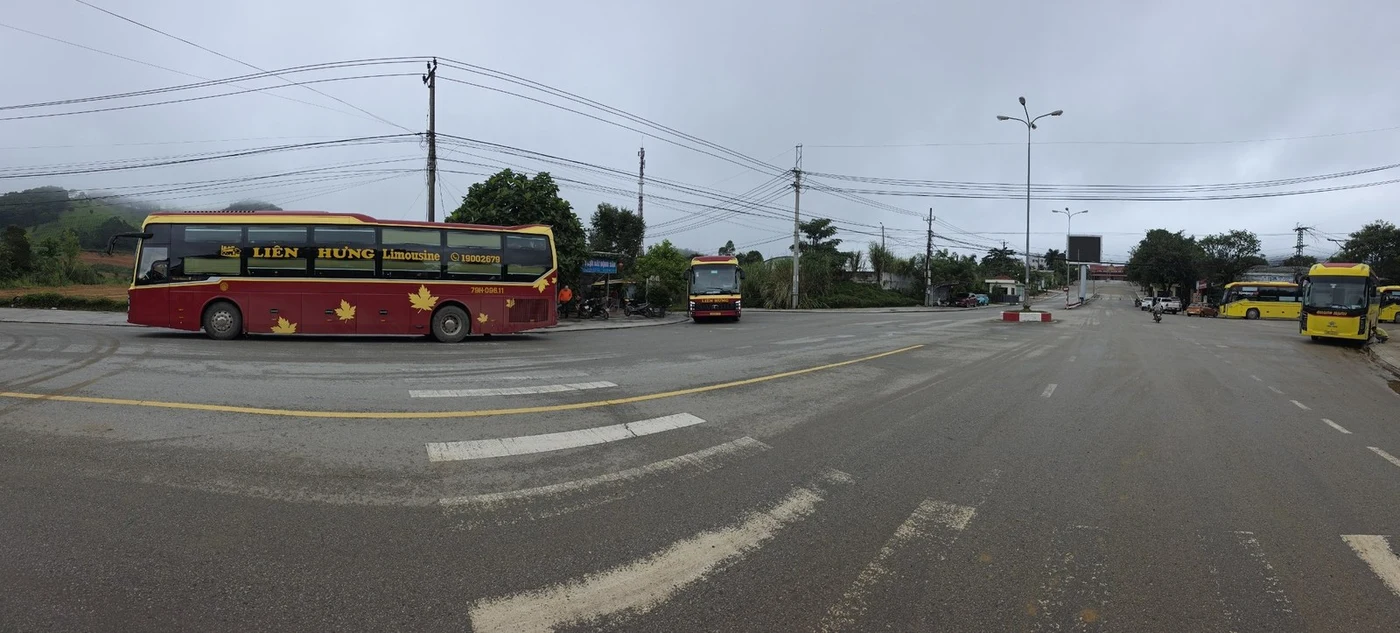
- Pick your exit route based on health, not just price: Cambodia by bus (Phnom Penh or Sihanoukville) takes 8-10 hours in the heat; a flight to Bangkok or Phnom Penh runs 3-4x the bus fare but takes under two hours.
- Book the exit-and-return flight or bus for day 85-88 of your current visa, not day 90 - delays happen and overstaying triggers fines.
- Carry printed proof of your e‑visa and return ticket; border officers on both sides still ask for paper.
- Re-enter on a fresh 90-day e‑visa the same day, and mark the next exit date immediately.
- Budget four visa runs a year into your annual costs from day one, rather than discovering the total later.
What does a realistic monthly retirement budget look like?
A single retiree covering rent, food, and basic healthcare in a mid-size city like Da Nang or Nha Trang should plan on $600 a month at the low end, more if you want a sea-view apartment or private international clinic cover. Four visa runs by air add roughly $500-700 a year on top of the monthly number - a cost most retirement budgets I’ve seen simply forget to include.

How do you get your home pension into cash in Vietnam?
Most foreign pensions keep paying while you live abroad, but confirm the rules with your own pension authority before you go - some countries require an annual proof-of-life check, and missing that deadline suspends payments until you sort it out. On the ground, foreign Visa and Mastercard cards work at very few ATMs in Vietnam; UnionPay cards and app-based QR payments are the more reliable options in 2026, alongside a cash reserve in US dollars for the first weeks.

This is where I usually step in. I pay the e‑visa government fee with a card that evisa.gov.vn actually accepts - it rejects a lot of foreign cards outright - and set the correct entry point for your visa run route so you’re not guessing at the border. Message me on Telegram with your travel dates and I’ll walk you through the first cycle.
Health coverage matters more with each border run - we’ve broken down local vs. international insurance for expats over 60 separately, and the multiple-entry e‑visa mechanics are covered in more depth in our 90-day multiple entry guide.
One visa run or four: how to decide
Retirees who fly for every exit spend more but keep the trip to a single day with minimal physical strain - worth it once you’re past 65 or managing a health condition. Retirees comfortable with an 8-10 hour bus ride save real money four times a year, as long as heat and long sitting aren’t a problem. Either way, the visa run isn’t optional, so the decision is about comfort, not whether to do it. This part can be handed over end to end — what that covers is on our Vietnam e-visa 90 days page.
Once your dates are set, I can set up the full first cycle so you land, get the e‑visa sorted, and know exactly when to book the next border run. Send me your dates on Telegram and I’ll map out the visa runs for your first year.