Vietnam has no retirement visa category at all - immigration simply doesn’t issue one, no matter your age or pension. Retirees who want to stay long-term pick between three legal routes: repeated E-visa border runs, a sponsored business visa, or an investor visa tied to a Temporary Residence Card (TRC).
Why Doesn’t Vietnam Have a Retirement Visa?
There’s no legal pathway built specifically for pensioners, unlike Thailand’s retirement visa or the Philippines’ SRRV. Immigration treats every long-stay foreigner the same way: tourist, sponsored worker, or investor. That gap is exactly why so many retiree forums are full of half-correct advice - the workaround depends entirely on which of the three categories fits your finances.
Which Visa Option Actually Works for Retirees?
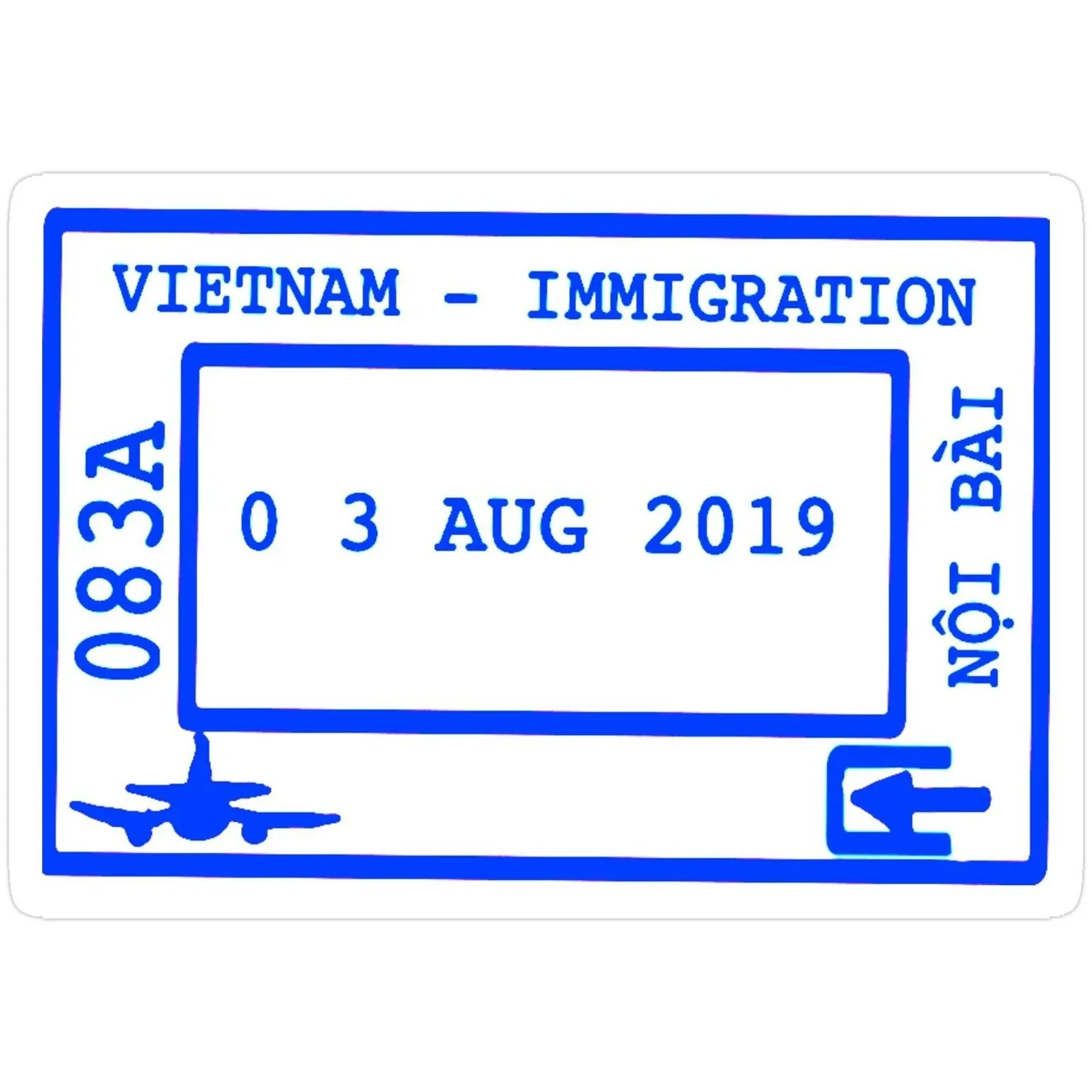
The E-visa gets you 90 days per entry, costs $25 through the official portal, and requires leaving the country every three months for a fresh one - a “visa run” to Laos, Cambodia, or Thailand. It’s the cheapest option but the least stable one; enforcement against repeat “permanent tourists” has tightened over the past two years. A sponsored business visa (category DN) needs a Vietnamese company to issue an invitation letter - you don’t actually work for them - and runs $300 to over $1,000 a year for agent fees, valid 3 to 12 months at a time with on-the-ground renewal. The investor route (category DT) requires six figures in a registered Vietnamese company to qualify for a TRC good for several years, and since a February 2026 rule change it also requires a visa-purpose conversion before the card is issued - realistic only for retirees with serious capital, not a standard pension. Our long-stay visa and TRC breakdown has the exact investment tiers and TRC lengths.
How Do You Apply for the E-Visa and Handle Border Runs?
- Apply at evisa.gov.vn with a passport scan and a passport-style photo.
- Pay the $25 government fee by card - some foreign cards get rejected, so keep a backup.
- Wait 3 working days for approval, then print the PDF before you fly.
- On day 85-89, book a short flight or bus to a border crossing (Laos, Cambodia, or Thailand).
- Cross out, apply for a new E-visa on arrival or in advance, and cross back within 24-48 hours.

At 65+, that overnight border trip every three months is where most retirees quietly give up - a delayed flight or a long immigration queue turns a routine errand into a physically rough day. This is exactly the part I handle for older clients: pickup in Da Nang, the paperwork at the crossing, and a same-day return instead of an overnight stay. All that’s needed from your side is your passport and which crossing you’d prefer to try first. What the e-visa half of that day actually covers is laid out on our Vietnam e-visa 90 days page.
What Happens If You Miss the 90-Day Deadline?
Overstaying triggers a fine calculated per day past the visa’s expiry, and repeat overstays can lead to an entry ban on top of the fine - see our overstay fine breakdown for the exact day-by-day rates. For a retiree managing a border run solo, missing the flight home before day 90 because of illness or a cancelled connection is the single biggest risk of the E-visa route, and it’s the reason a lot of people switch to the sponsored business visa within their first year.
What Does Retirement in Vietnam Actually Cost per Month?
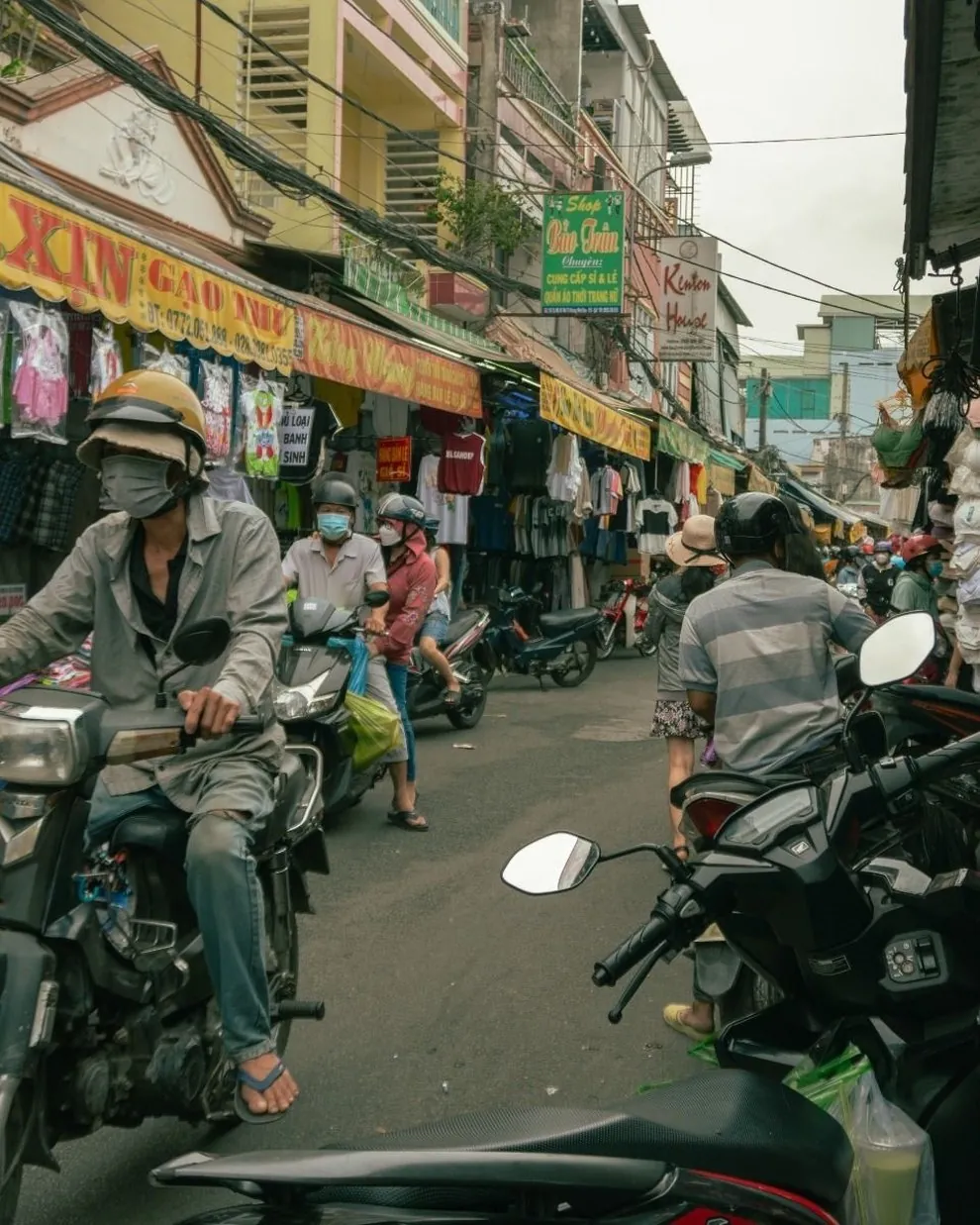
A frugal retiree budget runs $500-700 a month: a studio away from the beach costs $150-250, utilities with AC run $40-80, and eating mostly at local pho stalls keeps food to $150-200. A comfortable budget of $800-1,200 covers a one-bedroom apartment in a good area, more restaurant meals, and the occasional trip. International health insurance is the one line item retirees shouldn’t skip - $50-100 a month, versus $50+ per visit at an international hospital with no coverage at all. Our breakdown of the best places to settle long-term has a fuller city-by-city cost comparison.
Which City Fits a Retired Expat Best?
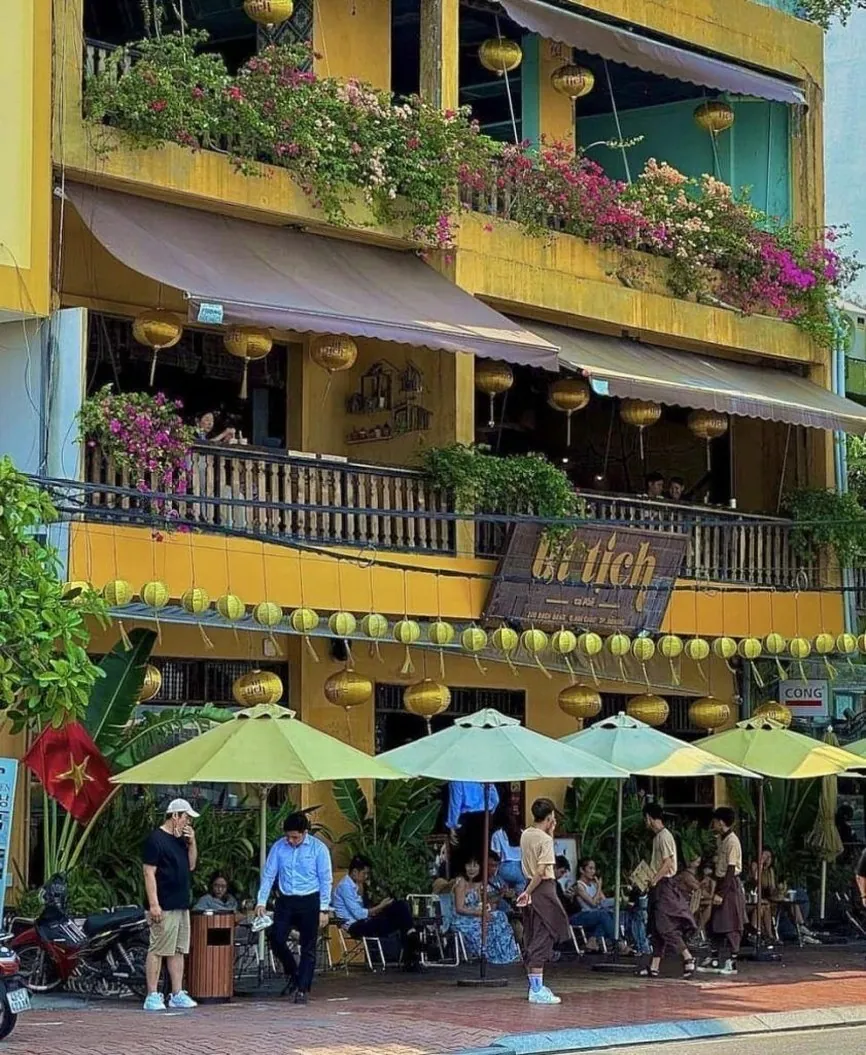
Nha Trang has the largest Russian-speaking retiree community in the country, with signage, menus, and social groups already built around it - the easiest landing spot if language is a concern. Da Nang is the cleanest and most modern option, with international hospitals and better roads, but feels less “expat village” and more corporate. Vung Tau sits 1.5-2 hours from Ho Chi Minh City by boat or bus, good for retirees who still want quick access to a major city without living in one. Check current apartment rental prices before picking a neighborhood - they vary more between districts than between cities.
None of these routes are complicated once you’ve done one border run or filed one visa application - they’re just tedious the first time, more so if standing in immigration lines isn’t something you want to do at 70. If you’d rather I handle the logistics end to end, current visa-run schedules and routes are on danangvisarun.com.