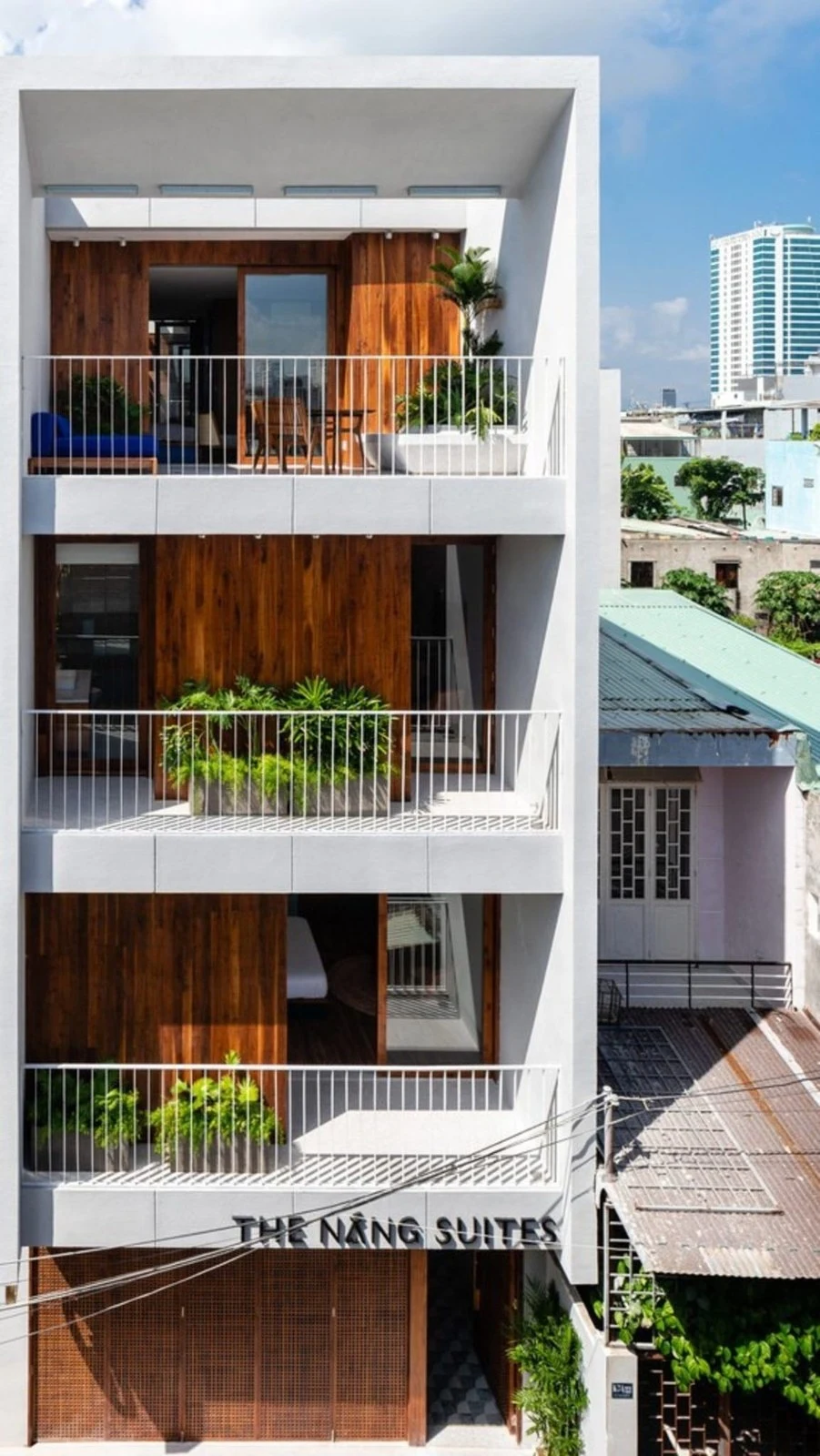
A month in a one-bedroom apartment near My Khe beach in Da Nang runs $300-450 through Airbnb, or $200-350 if you go straight to a local landlord and skip the platform fee. The gap comes down to one thing: booking through Airbnb pays for convenience and cancellation protection, going direct pays off only if you can see the place in person first.
How Much Does a Month in Da Nang Actually Cost?
Rent is the biggest line item, but it’s not the only one. Electricity is billed separately by meter and runs $30-50 a month for a one-bedroom if you sleep with the AC on - Da Nang summers make that hard to avoid. Water and trash collection add another $5-10, and a home fiber connection from a local provider costs $10-15 and gets installed within a day or two of moving in.

Furniture and a basic kitchen setup - bed, stove, fridge, a washing machine on the balcony - come included in almost every listing at this price point. What’s not included is a deposit: expect to pay one extra month upfront, refundable if the landlord doesn’t find anything to dispute on move-out.
How to Book a Long-Term Rental in Da Nang
- Set your date range first - landlords price a 1-month stay differently from a 3-month stay, and asking without a range gets you the tourist rate.
- Message 3-4 listings near My Khe beach or the Han River through Airbnb or a local Facebook group and ask for the monthly rate, not the nightly one.
- Ask specifically what’s billed separately: electricity, water, and wifi are almost never included in the quoted rent.
- Request photos taken that same week - older listing photos rarely match a building that’s more than a few years old.
- Confirm the deposit amount and what condition the apartment needs to be in at move-out, in writing, before you pay anything.
- Pay the first month plus deposit only after seeing the unit yourself or through a video call with the landlord walking the rooms.
Is Airbnb or a Local Landlord Cheaper?
A landlord found through a local Facebook group or referral is usually 20-30% cheaper than the same unit on Airbnb, because you’re not paying the platform’s service fee or the host’s short-stay markup. The trade-off is protection: Airbnb refunds you if the listing doesn’t match reality, a local landlord generally does not. For a first stay in Da Nang, booking two weeks on Airbnb and negotiating a direct monthly rate once you’ve seen the building in person gets you both the safety net and the better price.
If your visa timeline is what’s forcing a shorter first booking, I broke down how to track your Vietnam entry stamp date so you’re not guessing how long you actually have before you need to sort out a border run.
Should You Book a Month First or Commit to a Longer Lease?
Book one month first if you’re not sure you’ll like the neighborhood - losing the Airbnb service fee once is cheaper than breaking a 6-month lease later. Commit to a longer lease only after you’ve walked the building, met the landlord, and confirmed what’s billed separately, because a 6-month contract usually locks in a 15-20% discount you can’t get month to month.
One thing landlords ask for that catches people off guard: proof your visa covers at least half the lease term, since a 6-month contract makes no sense if you have to leave the country in four weeks. I sort out e-visas, Vietnam’s online electronic visa, and visa runs for exactly this - matching your entry stamp to whatever lease length you’re signing, without a trip to a consulate. The official e‑visa portal often rejects foreign-issued cards at checkout, which is the part people usually get stuck on. Message me on Telegram with your move-in date and I’ll tell you which visa option covers your lease.
Locked in a lease length - sync your visa to it before the landlord asks, not after. Send me your lease dates on Telegram and I’ll set up whichever visa covers the full term.