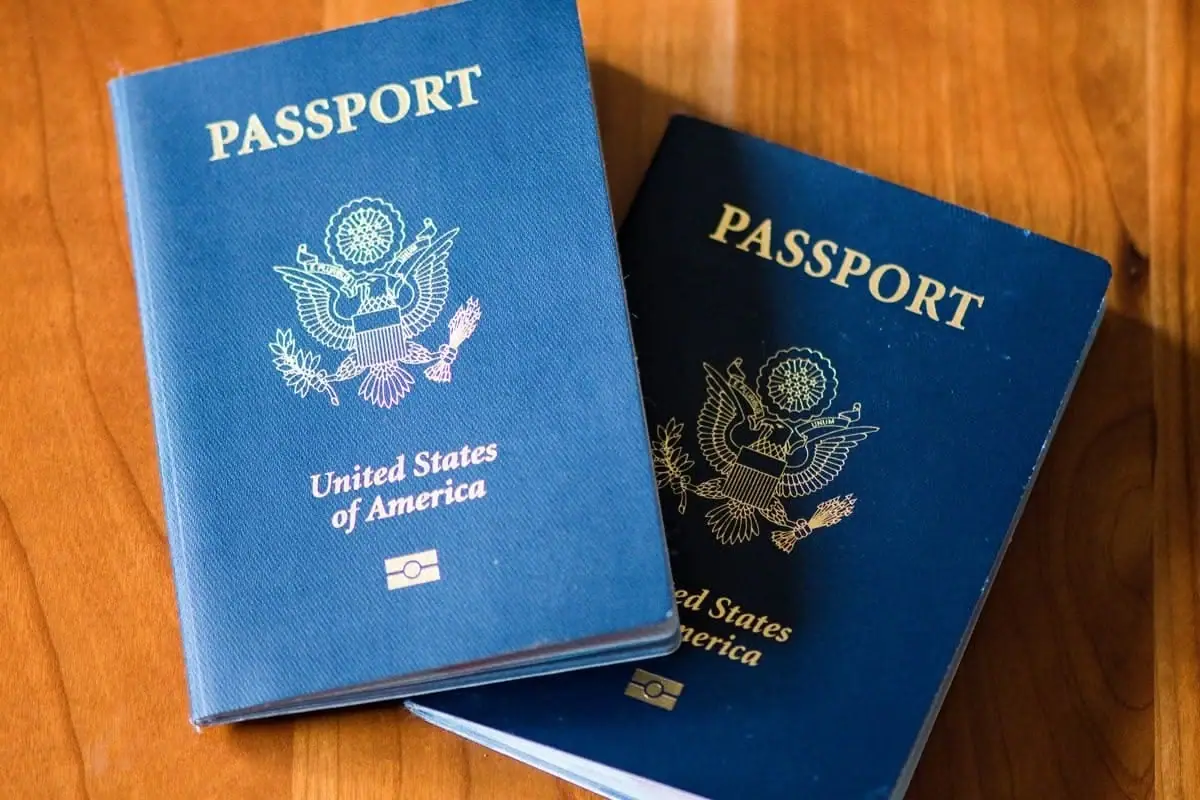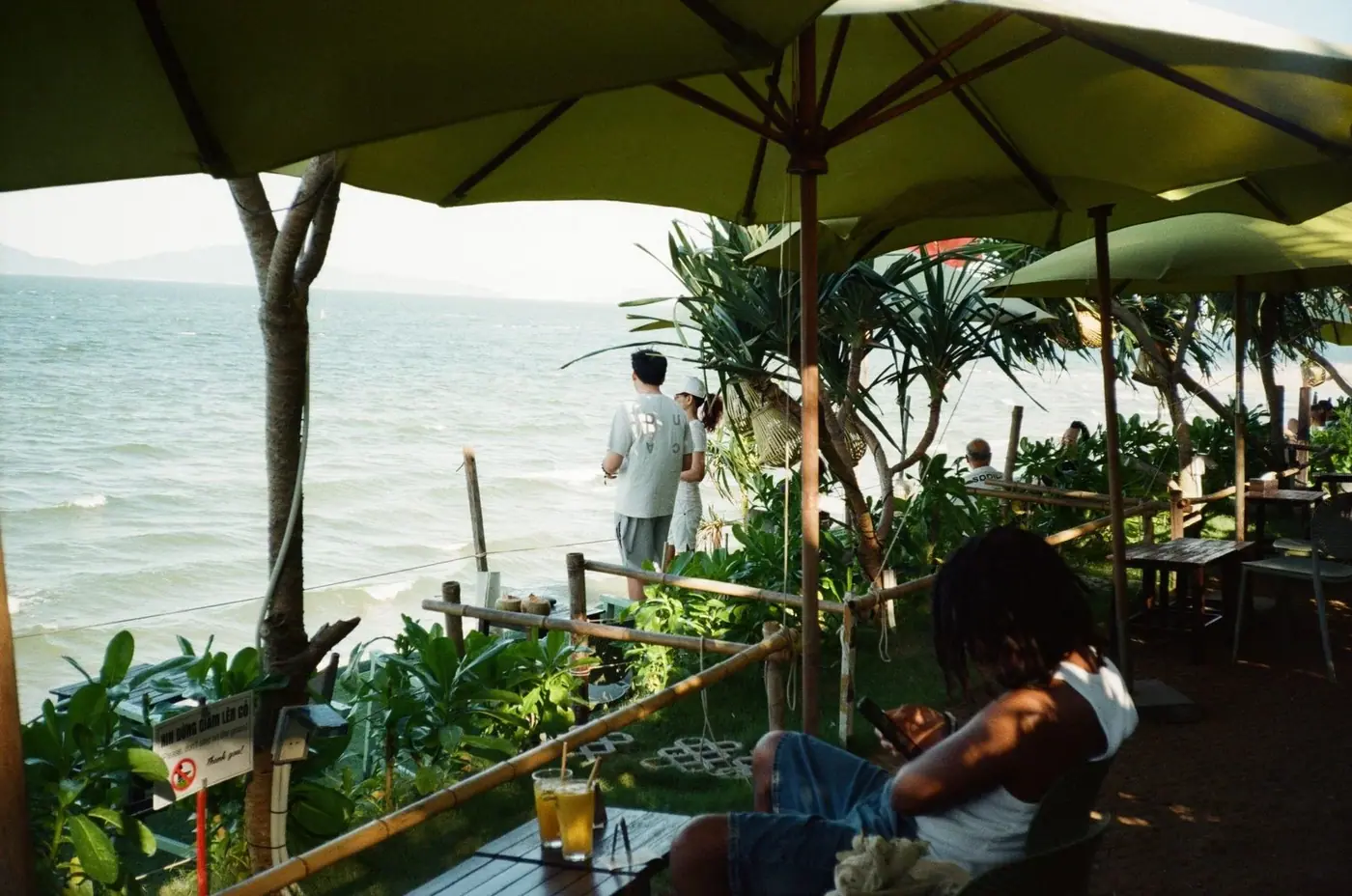
Moving to Vietnam for a few months as a digital nomad takes most people two to four weeks from decision to landing, and roughly six weeks before daily life actually feels settled. That gap - the six weeks nobody warns you about - is where most first-timers overspend, pick the wrong neighborhood, or burn a week on a bank account that never opens. Here’s a breakdown built for a 1-3 month long-stay, not a two-week vacation.
If all you want is someone to hand you a working setup instead of assembling it yourself, that option exists too - more on that below.
Pick a base city before you book flights
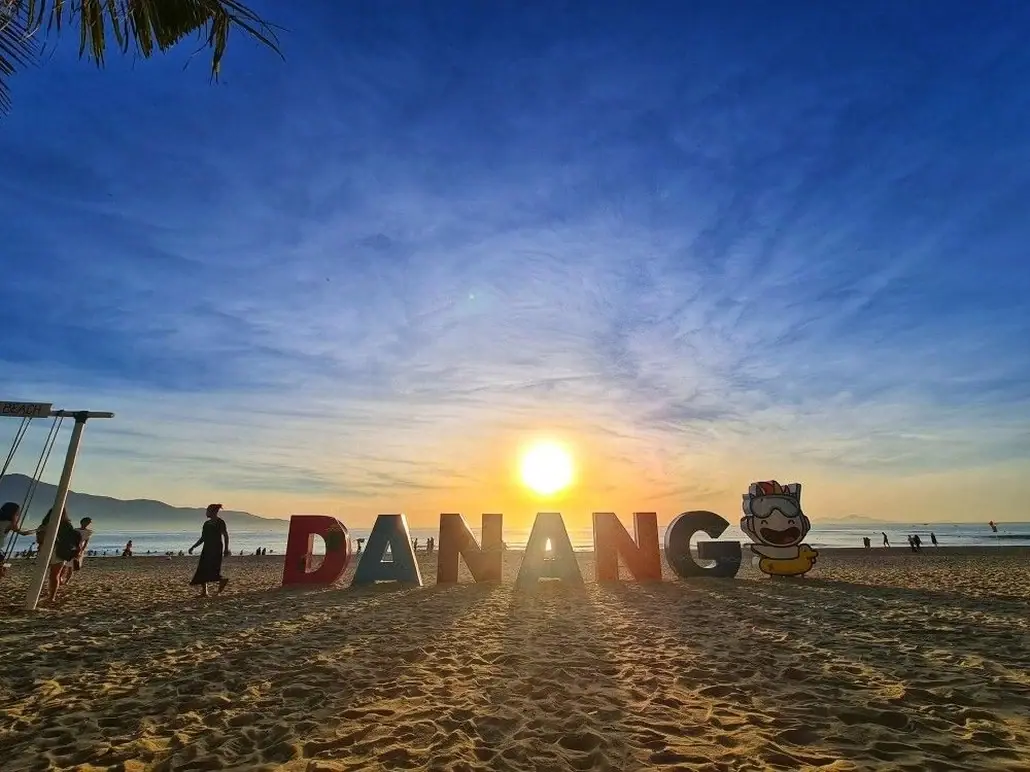
Da Nang, Nha Trang, and Ho Chi Minh City solve different problems. Da Nang has the strongest nomad infrastructure - decent coworking spaces, a beach inside city limits, and cleaner air than the bigger cities - but its Russian-speaking community is thinner than Nha Trang’s, which matters if that’s part of your plan. Nha Trang runs cheaper and has a large, established Russian expat scene, but fewer coworking options and a shorter international crowd. Ho Chi Minh City costs 20-30% more than either, with the payoff of a metro line, the best hospitals in the country, and a genuine big-city pace. For most 1-3 month stays, Da Nang wins on the work-life balance most nomads are chasing; for a first-timer nervous about logistics, Nha Trang’s expat density does a lot of the hand-holding for you.
Budget by the week, not the month
A comfortable solo setup runs $800-1,500 a month depending on city and lifestyle - living on local markets and neighborhood cafes gets you the low end, renting through English-language platforms and eating Western food pushes you to the top. Split that weekly: rent works out to roughly $60-100/week for a beachside studio on a direct lease, food is $15-30/week if you’re eating mostly local, and a monthly bike rental runs $60-140 - daily rental at $4-8/day only pays off under two weeks. Full category-by-category numbers for Da Nang specifically are in our detailed cost of living breakdown, which is worth reading before you commit to a lease.
The three mistakes that cost first-timers the most
Renting sight-unseen. Photos lie almost every time. Book a hotel or Airbnb for the first two weeks, walk the neighborhoods on foot, and only sign a long-term lease once you’ve seen the apartment in person - check hot water, air conditioning, wifi speed, and construction noise before you commit. A standard deposit is one to two months’ rent, and you won’t get it back if you leave early, so this isn’t a decision to rush.
Assuming a Vietnamese bank account is easy. As of 2025-2026, major banks require a visa or residency of 12+ months for a standard account, and even smaller banks that occasionally say yes approve fewer than 10% of tourist-visa applicants. For a 1-3 month stay, skip the bank entirely: e-wallets like MoMo or ZaloPay register with just your passport and a local SIM, and they cover cafes, taxis, and transfers just fine.
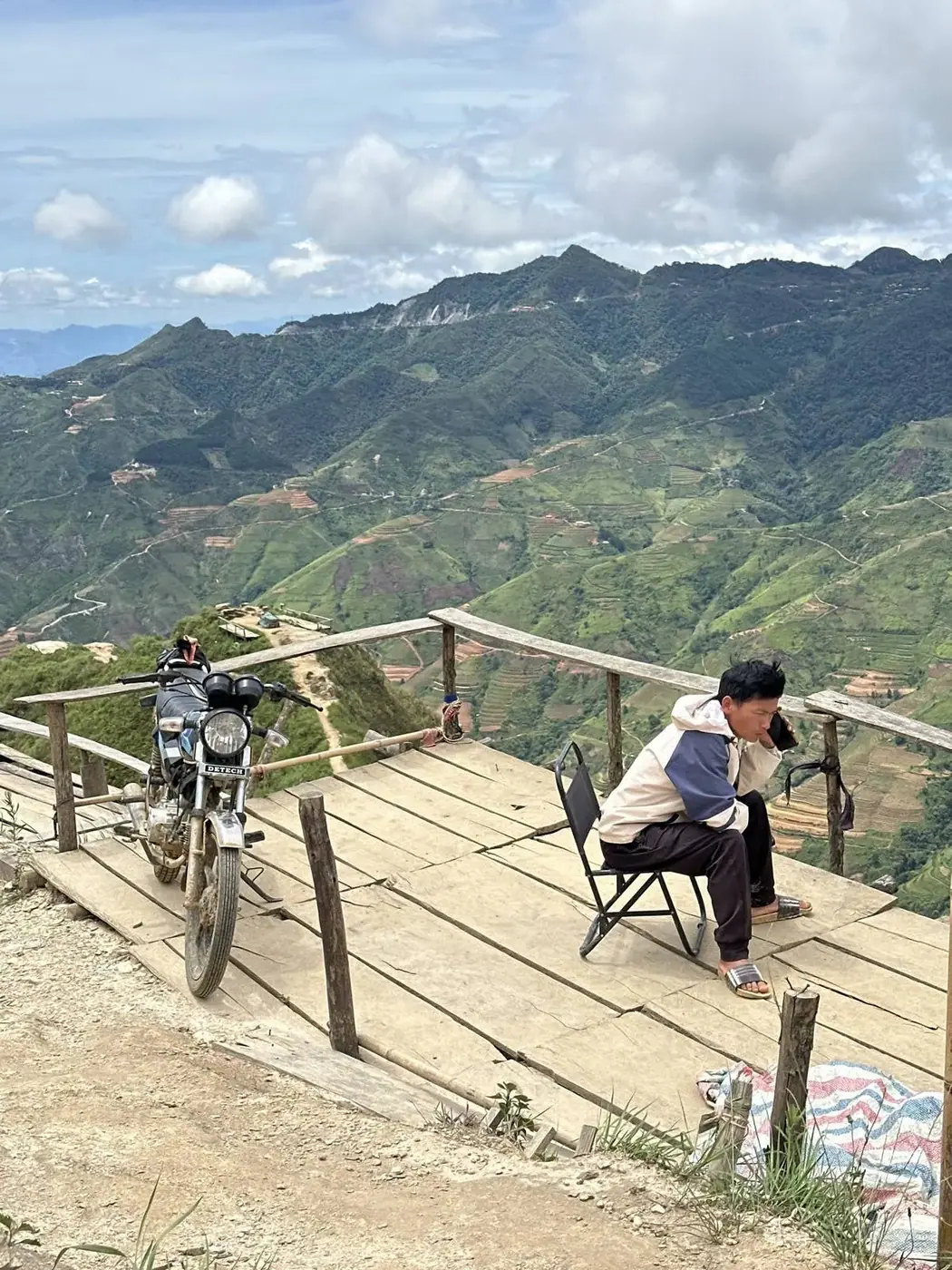
Riding a motorbike without an International Driving Permit. Enforcement tightened in 2025 - fines for riding without one now run $80-160, plus your bike gets impounded for a week. Get the IDP before you fly; getting one locally eats a day you don’t have.
This is the part of the trip I usually end up helping with directly - sorting a working payment setup before day one and getting someone through their first border run without the guesswork. I book the pickup, handle the paperwork at the crossing, and hand back a fresh e‑visa the same day. All you need to bring is your passport and the dates you want to travel.
The 45-day trap
Vietnam’s visa-free entry runs 45 days, and it feels generous right up until you realize a 1-3 month stay means at least one visa run mid-trip. If your dates are already past the 30-day mark when you land, apply for a 90-day e‑visa through the official evisa.gov.vn portal instead of relying on the free entry - it costs $25-50 and removes the mid-stay scramble entirely. Waiting until week five to figure this out is the single most common planning mistake nomads make on this timeline.

Nail the first two weeks - city, lease, bank workaround, IDP - and the rest of a 1-3 month stay in Vietnam runs itself. If you’d rather skip the trial-and-error part, message me on Telegram with your travel dates and I’ll tell you what’s realistic to set up before you land.