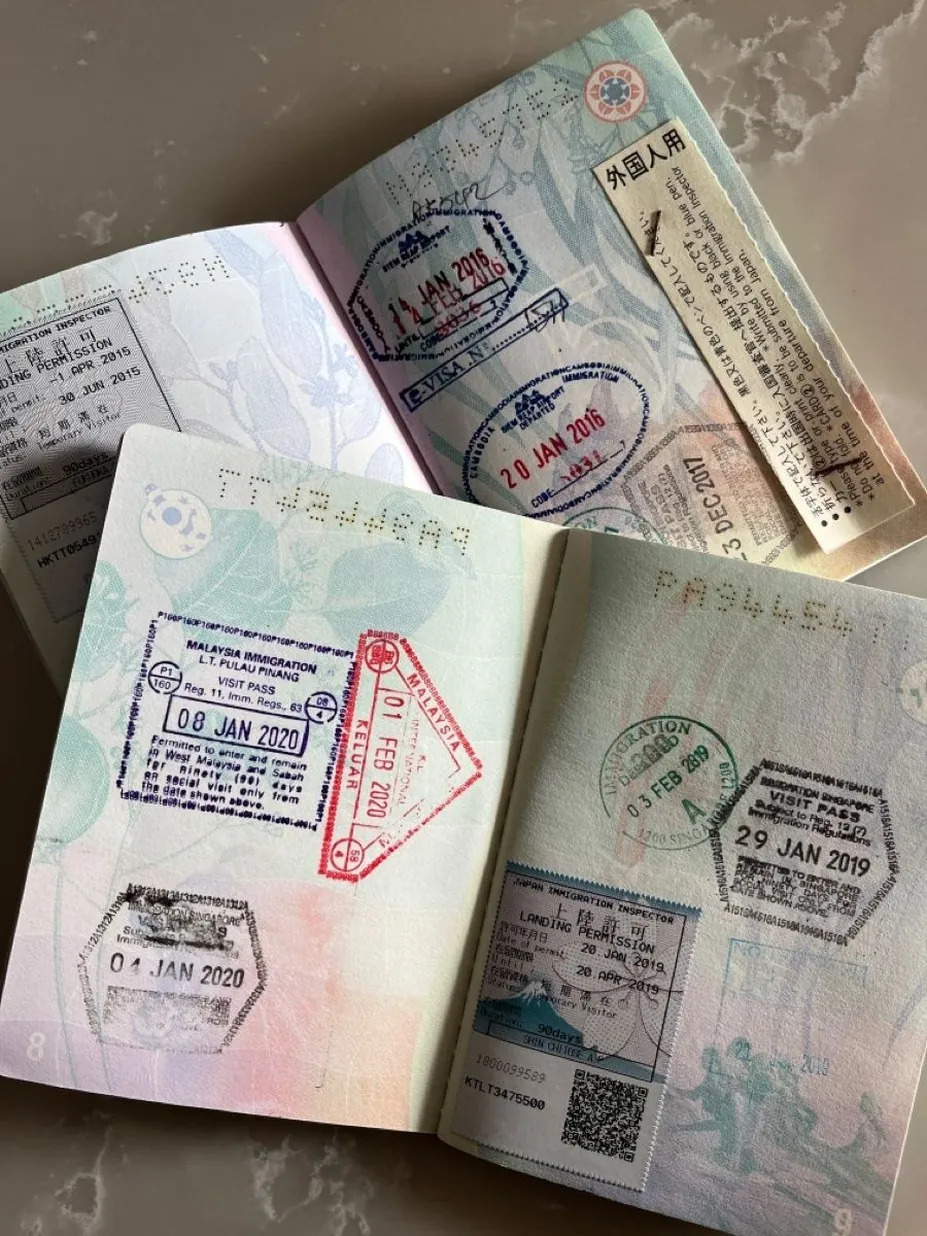
Foreigners can work legally in Vietnam only with an LD-category work visa plus a Work Permit issued through DOLISA, the Department of Labour, Invalids and Social Affairs - no shortcut skips this, and the fine for working without one is a real deportation risk, not a slap on the wrist.
I’ve been based in Da Nang for almost two years, and the question I get most from other expats isn’t “can I work here” - it’s “who’s actually hiring foreigners.” The honest answer is: not every industry, and not every company knows how to sponsor you.
Which jobs actually hire foreigners?
Three sectors account for most legal foreign hires in Vietnam: language teaching (English, plus Russian and other languages, especially with a TEFL, TESOL or CELTA certificate), IT roles in Hanoi and Ho Chi Minh City - developers, data analysts, cybersecurity specialists - and engineering positions in oil, gas and construction. Companies in these three niches already have HR staff who know the DOLISA paperwork; smaller local businesses often don’t and will avoid sponsoring a work permit even if they like your resume.

How much do foreign workers actually get paid?
There’s no fixed national scale, but the market range looks like this: private language schools typically pay around $700-1000 a month, developers at local Vietnamese companies land in a similar band, and international offices usually pay noticeably more than that floor. Engineering contracts in oil, gas and construction are negotiated individually - there’s no standard rate, and terms get settled before the offer is signed.
Where do you actually find these jobs?
VietnamWorks, CareerBuilder Vietnam and JobStreet Vietnam carry most listings from larger companies and startups. For teaching roles, Dave’s ESL Cafe and TEFL.com are the go-to boards. IT candidates check Glassdoor and Vietnam-focused job Telegram channels. Recruiting agencies like Navigos Group and HRchannels handle employer negotiations for you - useful if your Vietnamese is limited and you don’t want to chase paperwork status by yourself. If it’s the visa side of that paperwork you’d rather hand off, that’s laid out on our services page.

Step-by-step: getting a work visa and permit
- Land a job offer first. Nobody applies for an LD visa speculatively - the employer has to register the foreign hire with DOLISA before anything moves.
- Employer files with DOLISA. The company registers the position for a foreign worker with the Department of Labour, Invalids and Social Affairs.
- Employer sends the official invitation letter once DOLISA approves the hire.
- Apply for the LD work visa at a Vietnamese consulate abroad, or file online through the Immigration Department’s portal, using that invitation letter.
- Enter Vietnam on the LD visa, valid for 1-2 years and renewable.
- Employer applies for your Work Permit after arrival - you’ll need originals of your documents translated into Vietnamese and notarized.
- Apply for a Temporary Residence Card (TRC) once the Work Permit is issued - this removes the need to renew a visa every 90 days.

This is exactly where most foreign hires get stuck: the DOLISA filing and translated-document step can drag for weeks, and if your current visa or visa-exempt window expires while the employer is still processing paperwork, you’re suddenly out of legal status mid-negotiation. That’s the part I usually get pulled into - sorting out a fresh e-visa or a quick border visa run so someone stays legal while their employer finishes the DOLISA process, instead of scrambling every week to check the application status. Message me on Telegram if that’s where you’re stuck - I’ll check what fits your timeline.
Are there exceptions to the Work Permit rule?
Even short-term contract teachers don’t get a free pass - they still need a temporary work permit. There’s no legal category of foreign employment in Vietnam that fully skips DOLISA registration; the closest thing is a shorter, faster version of the same process.
What if my visa runs out before the paperwork clears?
This is the gap nobody warns you about: DOLISA processing has no fixed deadline, and your visa-exempt stay or e-visa keeps counting down regardless of where your employer’s paperwork sits. Staying legal in that gap usually means either a fresh e-visa application or a short trip to a land border and back, whichever fits the days you have left.
If you’re mid-hire right now and your visa clock is running out faster than your employer’s paperwork, don’t wait until the last week to sort it out. Check danangvisarun.com for options that fit your timeline, or message me directly on Telegram - I’ll tell you what to file given how many days you have left.