
A private car between Vietnamese cities always costs more than the sleeper bus, but by how much depends entirely on the route. On the shortest hops, like Da Nang to Hoi An, a private car runs about $12-22 one-way for roughly 28 km, four to six times a bus ticket over the same distance. On a long overnight run like Hanoi to Sapa, that gap narrows to roughly 5-8x, because the bus fare climbs with the miles almost as fast as the car does.
I’ve been driving Central Vietnam routes for Best Bus clients since 2023, and I get asked this every week: car or bus? Below is every route I get asked about most, priced both ways, plus the one number nobody else publishes — what each route actually costs per kilometre once you divide the quoted price by the real road distance.
How Much Does a Private Car Cost in Vietnam in 2026?
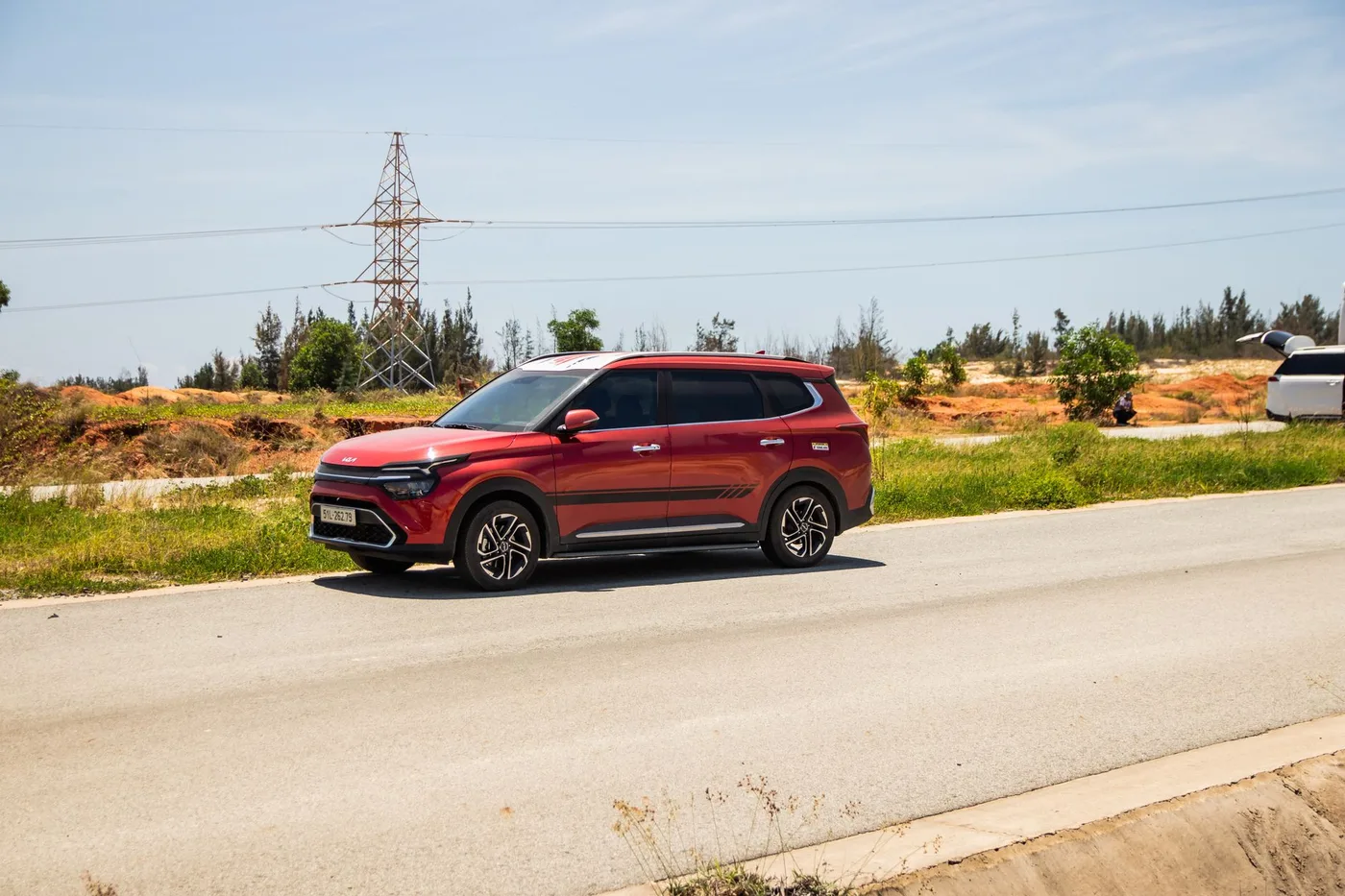
A private sedan between Vietnamese cities costs $12 to $190 one-way depending on distance, with most mid-length routes landing between $45 and $65. Sleeper bus fares on the same routes run $7 to $35. The table below covers the six routes travelers ask about most, with my own per-kilometre math next to each one.
| Route | Distance | Private car (one-way) | My calc: VND/km | Sleeper bus (one-way) |
|---|---|---|---|---|
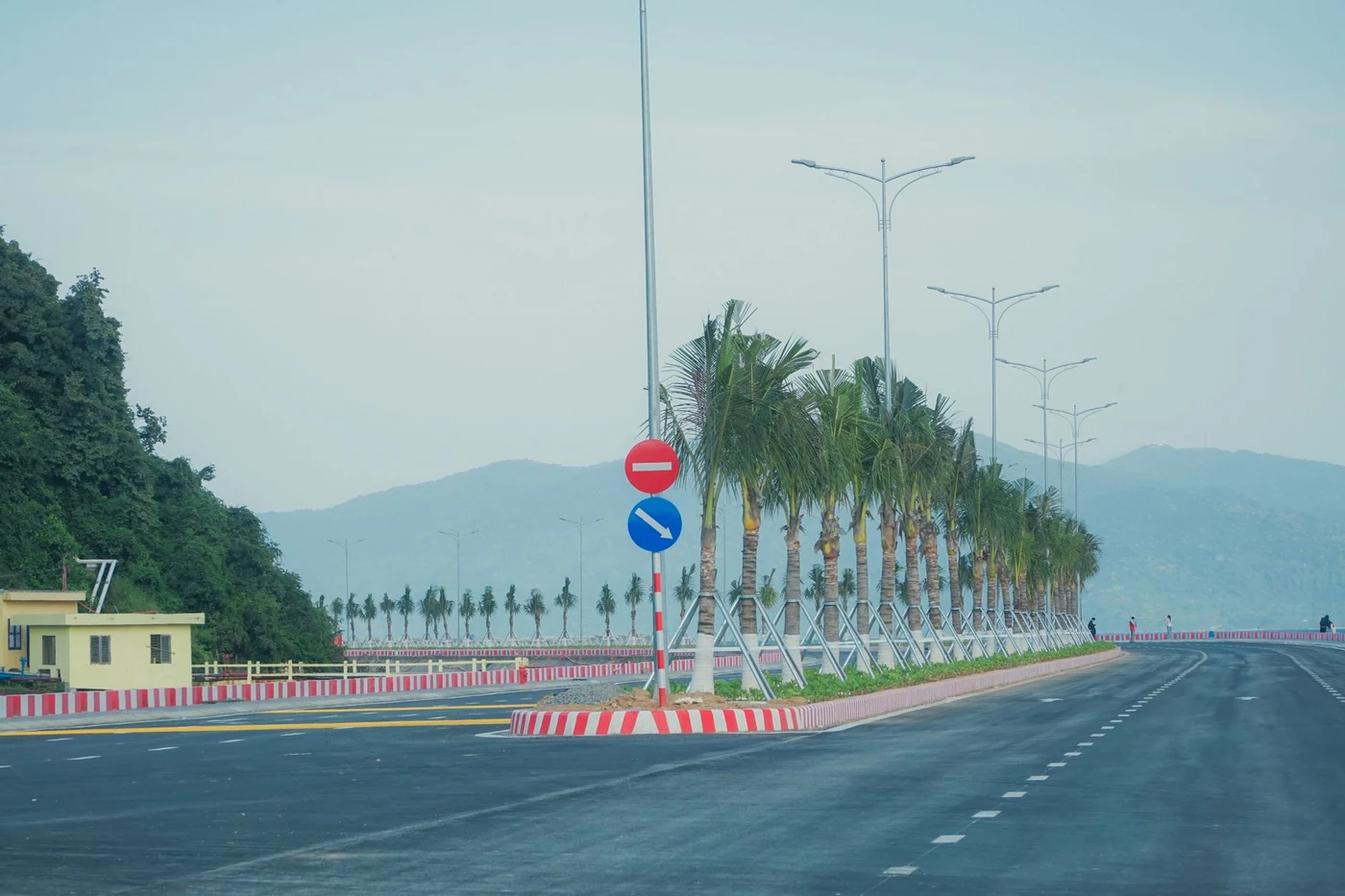
| Da Nang - Hoi An | 28 km | $12-22 | ~16,100 VND/km | no dedicated sleeper route (local bus/taxi only) |
| Da Nang - Hue (Hai Van Pass) | ~100 km | $50-65 | ~13,000 VND/km | $9-14 |
| HCMC - Mui Ne | 200 km | $47-60 | ~6,500 VND/km | $7-12 |
| Nha Trang - Da Lat | 134 km | $42-55 | ~9,400 VND/km | $9-14 |
| Hanoi - Sapa | ~320 km | $105-190 | ~9,800 VND/km | $8-14 |
| Da Nang - Lao Bao border | 245 km | from $150 | ~15,900 VND/km | not a standard bus route |
No operator publishes a per-kilometre rate for intercity transfers. Every private car quote I found, and every one I’ve booked myself, is a flat fee for the whole route, not a metered rate. The VND/km column above is my own division of the quoted price by the road distance, so you can see which routes are actually a good deal and which ones aren’t.
Why Does the Price Per Kilometre Drop on Longer Routes?
Every private car route gets cheaper per kilometre as the distance grows: the driver’s fixed cost of getting to your pickup point and back gets spread across more kilometres. HCMC to Mui Ne, a flat 200 km highway run, works out to about 6,500 VND per km, the cheapest on this list. Da Nang to Hoi An, a short 28 km hop, works out to about 16,100 VND per km, more than double.
Bus pricing doesn’t work this way; price per hour stays fairly flat regardless of route length. That’s why a short private transfer feels expensive even at a low dollar total: you’re mostly paying for the driver’s round trip, not your 28 km.
Da Nang to Hoi An and Hue: The Two Routes I Drive Most
The Da Nang to Hoi An transfer is the one I get booked for most, and the price genuinely varies by who you call: Grab quotes tend to land at $10-15, while a traditional car company runs $13-17 for the same 40-minute drive. Both are metered to the trip, not negotiated, so there’s little room to haggle either way.

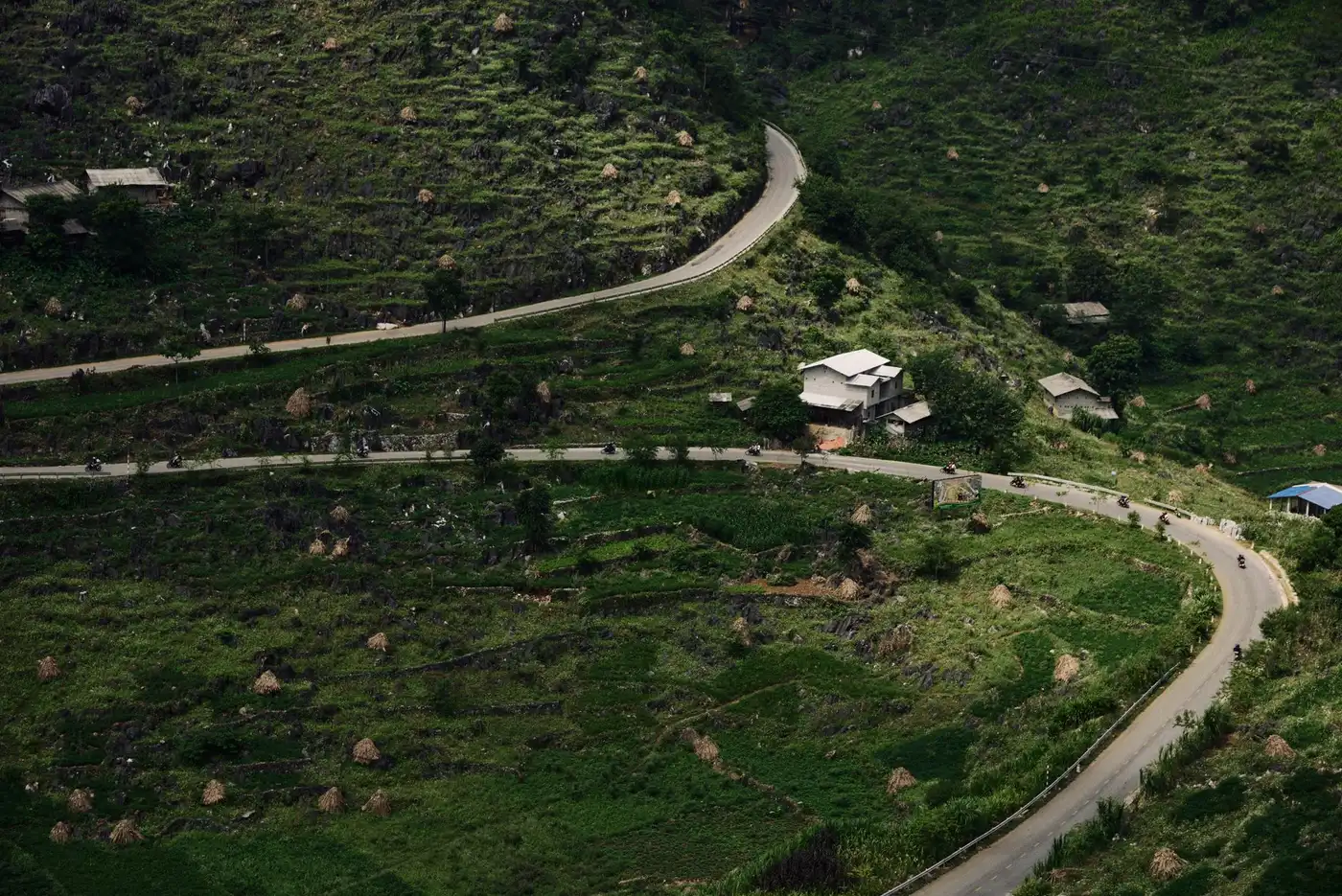
Da Nang to Hue over the Hai Van Pass is a different product depending on what you ask for. A straight point-to-point transfer, no stops, takes about 3 hours and runs a flat $50-65 per car. A guided day trip with stops at the pass viewpoint and Lang Co lagoon takes 4-5 hours and is priced per person, typically $59-80. If someone quotes you a day-trip price for what you thought was a straight transfer, you’re paying for stops you didn’t ask for.
Da Nang to Lao Bao: What a Private Car Costs for a Visa Run
The Da Nang to Lao Bao border route, the one most people book for a visa run rather than sightseeing, starts around $150 per car one-way for the roughly 245 km, 5-hour drive each way. Drivers who work this route quote by feel, and if you haven’t locked in a price before you leave Da Nang, the number tends to climb once you’re standing at the counter with a visa deadline and no other ride back.
This is where I usually get involved: on the Lao Bao run I drive for BestBus Vietnam clients doing a visa run, we agree the fare before you leave Da Nang, so there’s no renegotiation once you’re at the checkpoint. You get one price, one car, and someone on the Laos side who already knows your paperwork before you land.
How Much Cheaper Is the Sleeper Bus?
The sleeper bus is cheaper on every route in this comparison, usually by 4 to 8 times. Short routes under 5 hours run $7-12, medium routes of 6-9 hours run $12-20, and long overnight routes of 10-15 hours run $20-35. On Hanoi to Sapa, a private car at $105-190 costs roughly 10 to 20 times an $8-14 sleeper berth for the same 5-hour trip.
The trade-off is time and door-to-door convenience, not comfort alone. A private car goes when you want to leave and drops you at your actual address; the bus runs a fixed schedule and stops at a station, not your hotel. For a route like Nha Trang to Da Lat, where the road climbs through the mountains for three hours, most travelers I talk to pick the car for the driving alone, not the destination.
Is a 7-Seater Really More Expensive Than a Sedan?
Yes, a 7-seater van costs about 15-25% more than a 4-seater sedan for the same route. On a $50 Da Nang to Hue transfer, that’s roughly an extra $8-12 for the larger vehicle. Split across a group of five or six people instead of three or four, the 7-seater usually ends up cheaper per person even with the surcharge, which is why most families and small tour groups book it by default rather than two sedans.
Can You Book Grab or Xanh SM for an Intercity Trip?
Not through a published intercity fare. Grab and Xanh SM are metered in-city apps, and neither publishes a long-distance rate card for trips between cities like Da Nang and Hue. Both let you request a long trip through the app, but the driver either accepts the algorithmic quote or you negotiate directly, same as with an independent driver.
Xanh SM’s in-city rate runs roughly 11,900-16,800 VND per km depending on distance band and city, cheaper the farther you go within town, but that figure isn’t an intercity rate and will underestimate a Da Nang-Hue quote badly if used as one. In my own bookings on both apps for out-of-town runs, quotes have landed within about 10% of each other, so neither wins reliably.
Which One Should You Actually Book?
Book the sleeper bus if the route runs 6+ hours and you don’t mind a fixed departure time; it’s cheaper on every route here and the overnight ones save you a hotel night. Book a private car for anything under 3 hours, for groups of three or more splitting the fare, or for a border run where a missed connection means losing a day. The break-even isn’t really about distance, it’s about whether your time or your budget is under more pressure that day.
If you’d rather skip comparing quotes yourself, message me on Telegram with your route and dates, and I’ll tell you straight whether the car is worth the extra money for your specific trip or whether you should just take the bus.
Methodology: Where These Numbers Come From
Every price above comes from at least two independent operator sites, aggregators, or travel-media sources cross-checked against each other, collected in August 2026. The VND-per-kilometre column is my own calculation, the quoted flat price divided by the official road distance for that route, since no operator publishes a per-kilometre intercity rate. Prices marked as a range reflect real variation between operators for the same route, not uncertainty on my part; book on the low end if you’re comfortable negotiating, the high end if you want a fixed quote with no back-and-forth. Grab and Xanh SM per-kilometre figures are in-city metered rates, not intercity fares, since neither company publishes the latter.
Frequently asked questions
Is it worth hiring a private driver for a full day instead of a single transfer?
Usually only if you’re stopping at 3 or more places, like Hue plus the Hai Van Pass viewpoint plus Lang Co in one day, since a full-day rate almost always beats a single point-to-point transfer only once the driver’s waiting time between stops is worth paying for.
How does Da Nang to Hue compare by train, bus, and private car for total travel time?
The train takes about 2.5-3 hours along the coast, the sleeper bus takes 4-5 hours with a stop, and a straight private car transfer takes about 3 hours with none, so the train’s coastal window seat is the closest substitute to the car’s mountain route if you skip driving yourself.
Do Grab or Xanh SM ever end up cheaper than a private car for an intercity trip?
Occasionally on shorter hops like Da Nang to Hoi An, where Grab’s algorithmic quote can undercut a traditional car company by a few dollars, but on longer routes with no published fare both apps just become a negotiation with no guaranteed winner.
Do private car and bus prices change around Tet or other holidays?
Both commonly run close to double their normal price during Tet and other major holidays, and cars can be fully booked days in advance, so lock in a seat early rather than waiting for a normal-week price.
What if my flight or connecting bus is delayed and my driver is already waiting?
Most drivers you book directly build in about 30-60 minutes of free waiting time before charging extra, but confirm it before you pay since it isn’t standardized, and give an international flight number in advance so they track the real landing time.