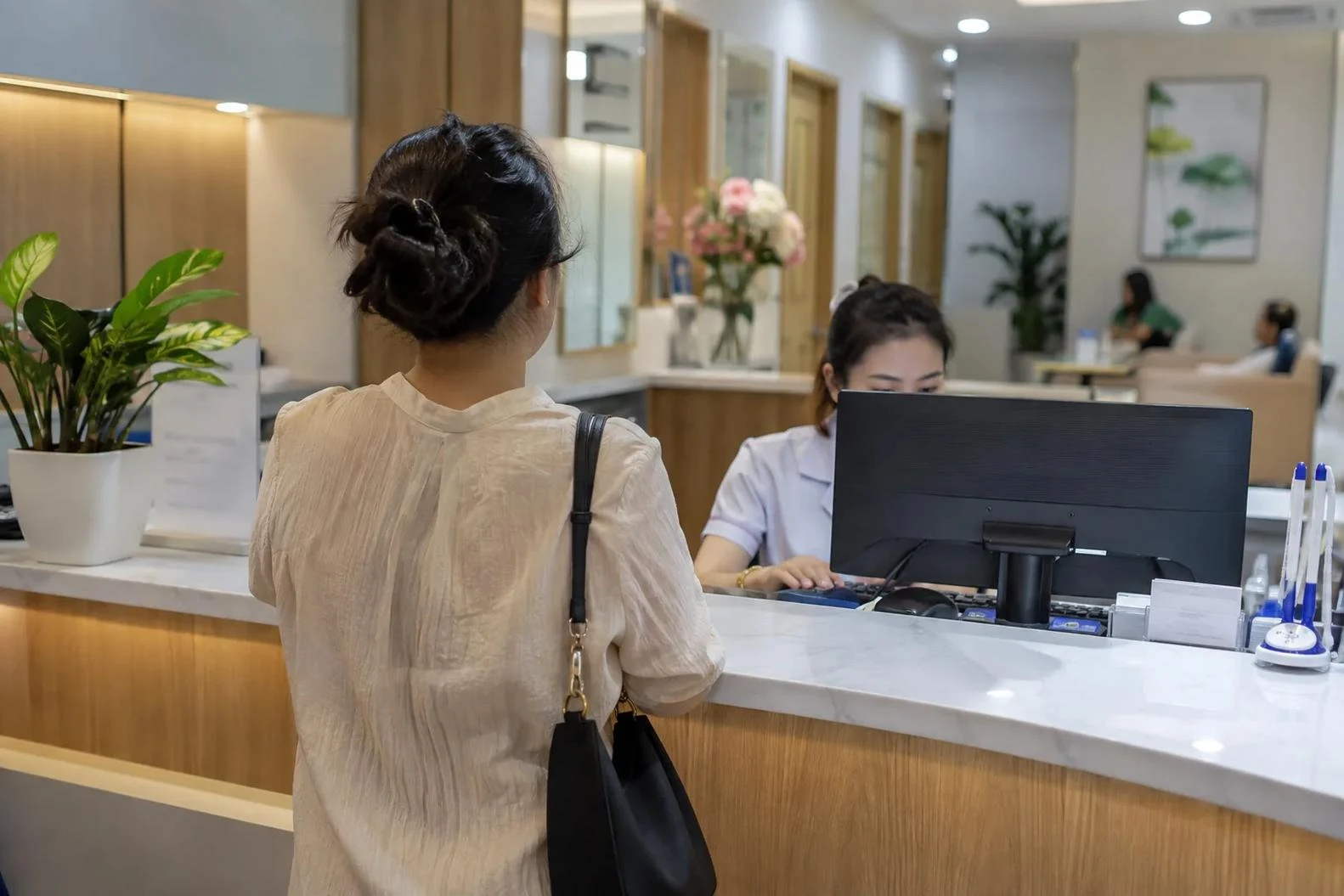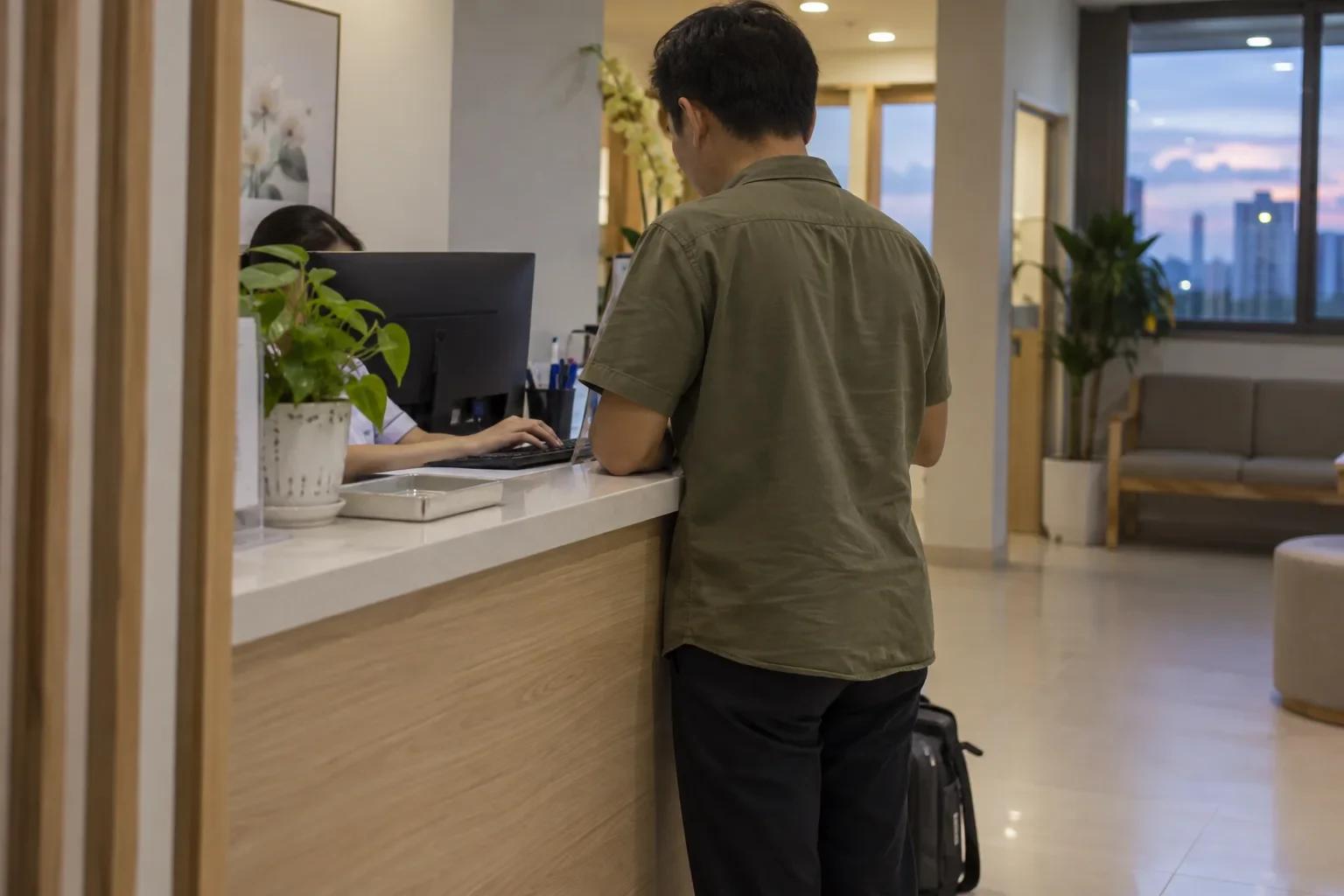
Glasses break, lenses get scratched and prescriptions drift while you live abroad, and Vietnam turns out to be a convenient place to sort that out. An optician in Da Nang can test your eyes, order the lenses and hand over the finished pair within days, and the bill is usually lower than at home.
Prescription glasses cost about $15 to $50 for basic single-vision lenses at a city optician, according to expat price guides. One traveler with a strong prescription paid just under $300 in Da Nang for thin high-index lenses and a lightweight frame, and the eye test was free. The same pair would have cost $500 to $700 in the US, they report.
I have not had glasses made here myself. I help foreigners in Da Nang with visas, and people who plan to stay a few months ask me where to get glasses. This guide rests on one detailed Da Nang account and expat price guides, so treat the numbers as ranges and get a quote in writing.
How much do prescription glasses cost in Vietnam?
Basic single-vision glasses cost roughly $15 to $50 at opticians in the large cities. A wider range of 500,000 to 10,000,000 VND (about $20 to $390) applies once you add thin lenses and branded frames.
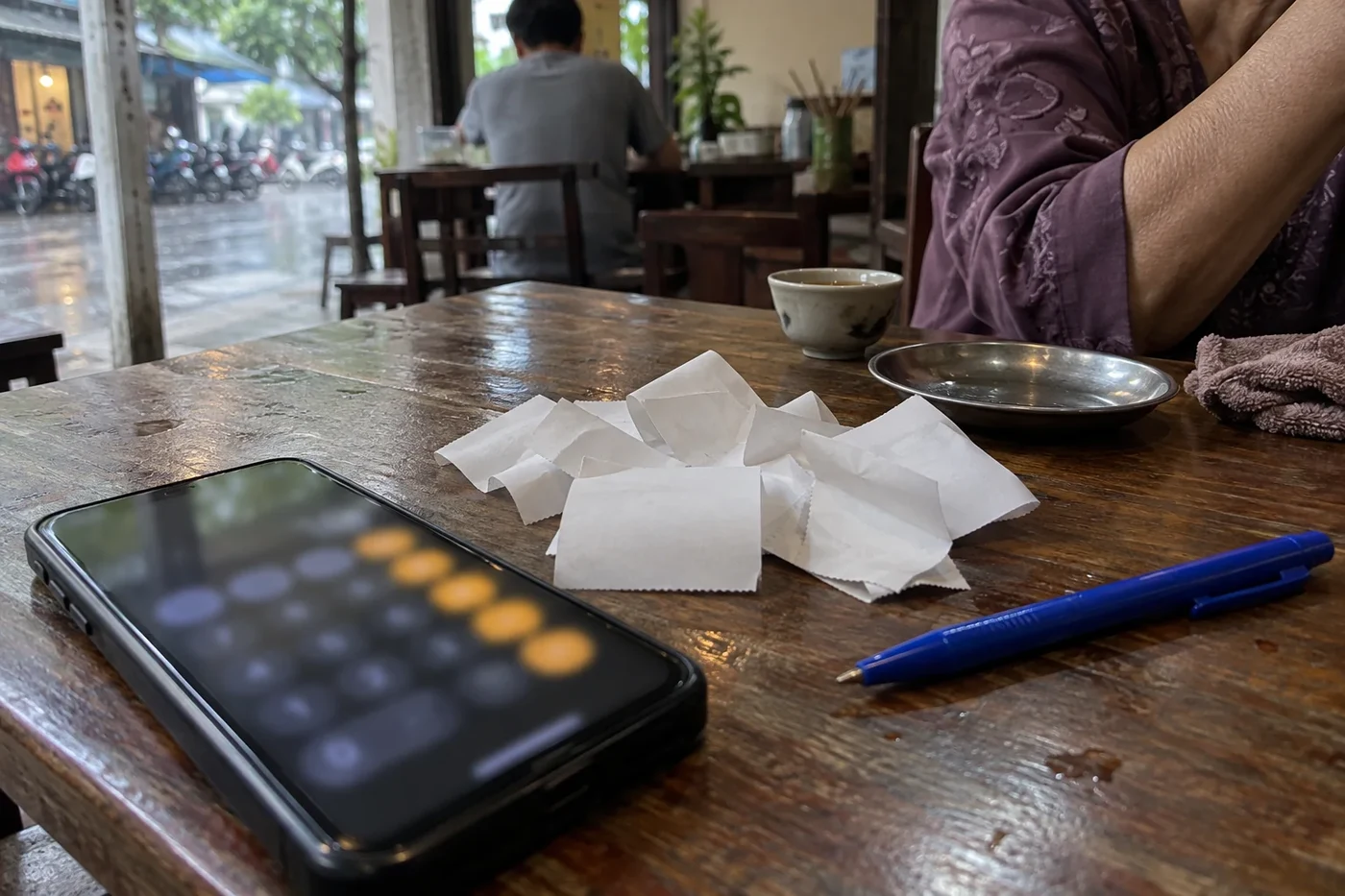
The Da Nang receipt shows how a bill is built. The frames cost about $40 and the lenses $260, so the total came to just under $300. A sturdier frame was on offer for roughly double the price. The lenses were the expensive part because the prescription is around -13, and the customer paid about $40 extra for the thinnest high-index option. With a mild prescription, expect a bill near the low end.
What does an eye test at a Vietnamese optician include?
The optician’s test covers your prescription and nothing more. In Da Nang it took about 15 minutes: an autorefractor reading, a trial frame with a wall chart of Latin letters, and a short near-vision reading. There was no air-puff test and no dilation.
So you are buying a refraction check, not an eye health exam. For glaucoma or retina screening, book an eye clinic or hospital, where a consultation runs about 500,000 to 2,000,000 VND. Options are in my guide to walk-in clinics in Da Nang.
Can I use my prescription from home?
Mostly yes. Opticians in the large cities usually accept a valid overseas prescription, according to expat guides. Bring the paper or a clear photo, and expect the shop to run its own quick test if the numbers look old.

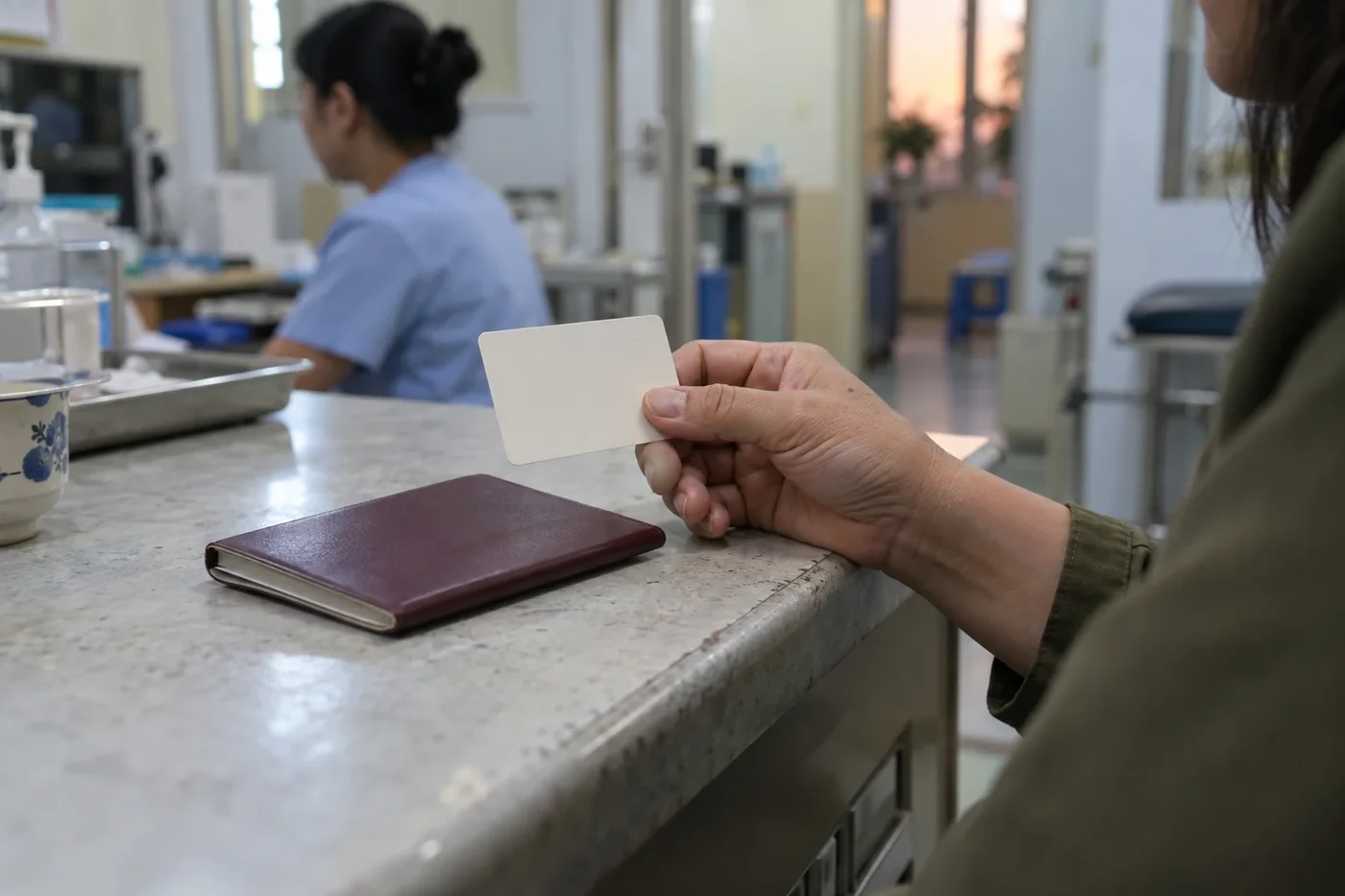
The Da Nang customer had not had an exam for five years, and the new test matched the old numbers. At pickup the shop gave the prescription on a laminated card, which any optician at home can read, so ask for one.
How long does it take to get glasses made?
Simple single-vision lenses can be cut and fitted in about two to six hours in Ho Chi Minh City, Hanoi and Da Nang when you arrive with a prescription, according to a price guide. Thin lenses for a strong prescription took five days in Da Nang, exactly as promised. The shop sent a message when the pair was ready, and the pickup took place that day.
Where do foreigners buy glasses in Da Nang?
The one shop I have a detailed account for is Quang Optics at 84 Nguyen Van Linh Street, Hai Chau District, open 8:00 to 20:00. The customer found it in an expat Facebook group and booked by Facebook message. What stood out was the wide choice of frames, a free exam, the earlier slot the staff offered, and the prescription card at the end.
It is a single review, so use it as a starting point. Expat Facebook groups are where most people find opticians, and shops usually take appointments through Facebook or WhatsApp. Ask the group for a recent review, because prices and owners change.
What should you check before you pay?
Expect to pay a deposit when you order and the rest at pickup. The Da Nang shop took the deposit by card and sent the ready message on WhatsApp. Before paying, check three things:

- The written total. Ask for frames, lenses and coatings as separate lines in dong, so you can compare shops.
- The coatings. Rolling and polishing (finishing the lens edge to fit the frame), anti-glare and anti-scratch were all included in the standard price in Da Nang. Confirm them at your shop.
- The fit at pickup. Try the glasses on at the counter and ask for adjustments while the person who measured your pupil distance is still there.
How do the prices compare with home?
In the US without vision insurance, the Da Nang customer says glasses usually cost $500 to $700 plus about $50 for the exam. A $300 bill with a free exam is roughly half, and basic pairs at $15 to $50 widen the gap for a mild prescription. If your policy might cover optical items, read how local and international expat health cover compares before you pay. And if you want to drop glasses altogether, see LASIK prices and clinics in Vietnam.
How to fit glasses into your stay
A strong prescription takes about a week, and that week has to fall inside your permitted stay. If your visa ends before the lenses are ready, the appointment is the thing that slips, so check the end date before you book anything.
You can file an e-visa yourself on the official e-visa portal, where the state fee is $25 for a single entry and $50 for multiple entry. A done-for-you e-visa from us costs $55 for a week of processing or $110 for a rush within a day, and the options are on our services page.
BestBus Vietnam works from offices in Da Nang and Nha Trang. For an e-visa the service covers checking your passport data and photo before filing, submitting the application and support until the approval arrives by email. Details are on the 90-day e-visa page, and to start you can write to us on WhatsApp with your passport details and dates.
If you are staying a few months to see doctors and fix small things like glasses, message me on WhatsApp with your visa end date and I will tell you what to fix before you plan appointments.