Treat a snatched phone in Vietnam as gone and protect everything around it: lock the device, change your passwords, call your bank and SIM operator, then file a police report. A tourist in Nha Trang got his report accepted at midnight in 10 to 15 minutes, despite an officer who spoke very little English.
At BestBus Vietnam we file e-visas for travelers and expats, and “my phone was grabbed” is a message I see more often than you would think. What follows comes from that tourist’s account of his night and from how SIM, banks and police work here.
What to lock before you do anything else
Work from another device, in this order:
- change the password of your email first, because email unlocks everything else, and switch on two-step verification;
- change the Apple ID or Google password and sign out of all other sessions;
- sign out of messengers on the lost phone, in Telegram under “Devices” and in WhatsApp under “Linked devices”;
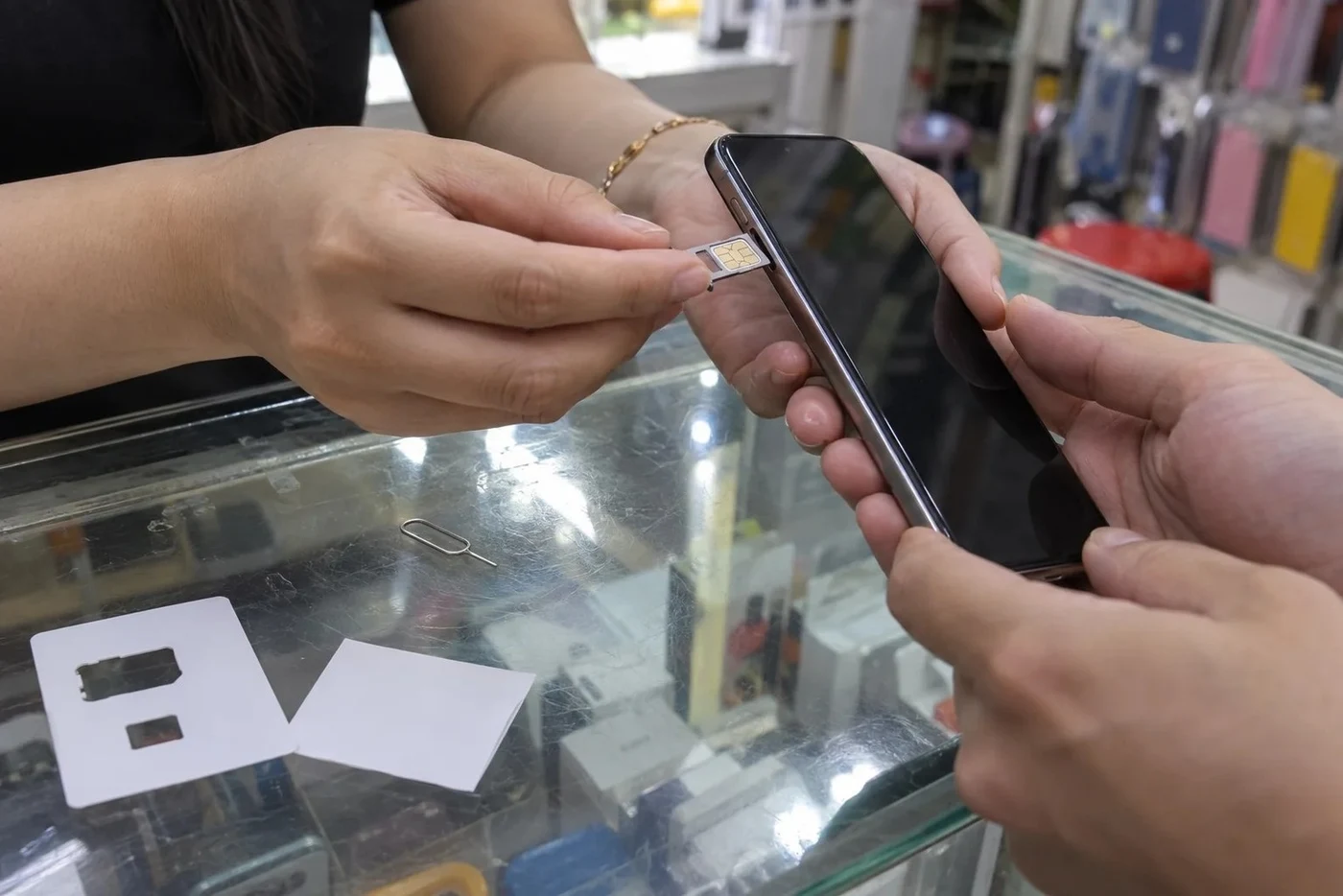
- call your bank from the app on another device or the hotline printed on the card, and ask the SIM operator to block the number, which is registered to your passport.
The order matters because the accounts go first. The Nha Trang tourist found his Apple ID taken over the next morning, as the later section on tracking shows.
Finding the right station after dark
Nha Trang goes quiet around ten, and the theft happened close to midnight. The hotel night clerk gave long directions in what he thought was English, and the tourist and his wife switched to Google Translate. On the way they passed a lot full of vehicles and then a hospital, where guards called a doctor who spoke a little Russian. He wrote the station’s location on a scrap of paper in Vietnamese. A watchman asleep in a hammock read the note and waved them the right way, and the station turned up within minutes.
That scrap of paper is the one thing I would not skip, so have your hotel or landlord write the station’s address in Vietnamese before you leave the lobby, then show it to any driver or passerby.
Inside a Vietnamese police station at midnight
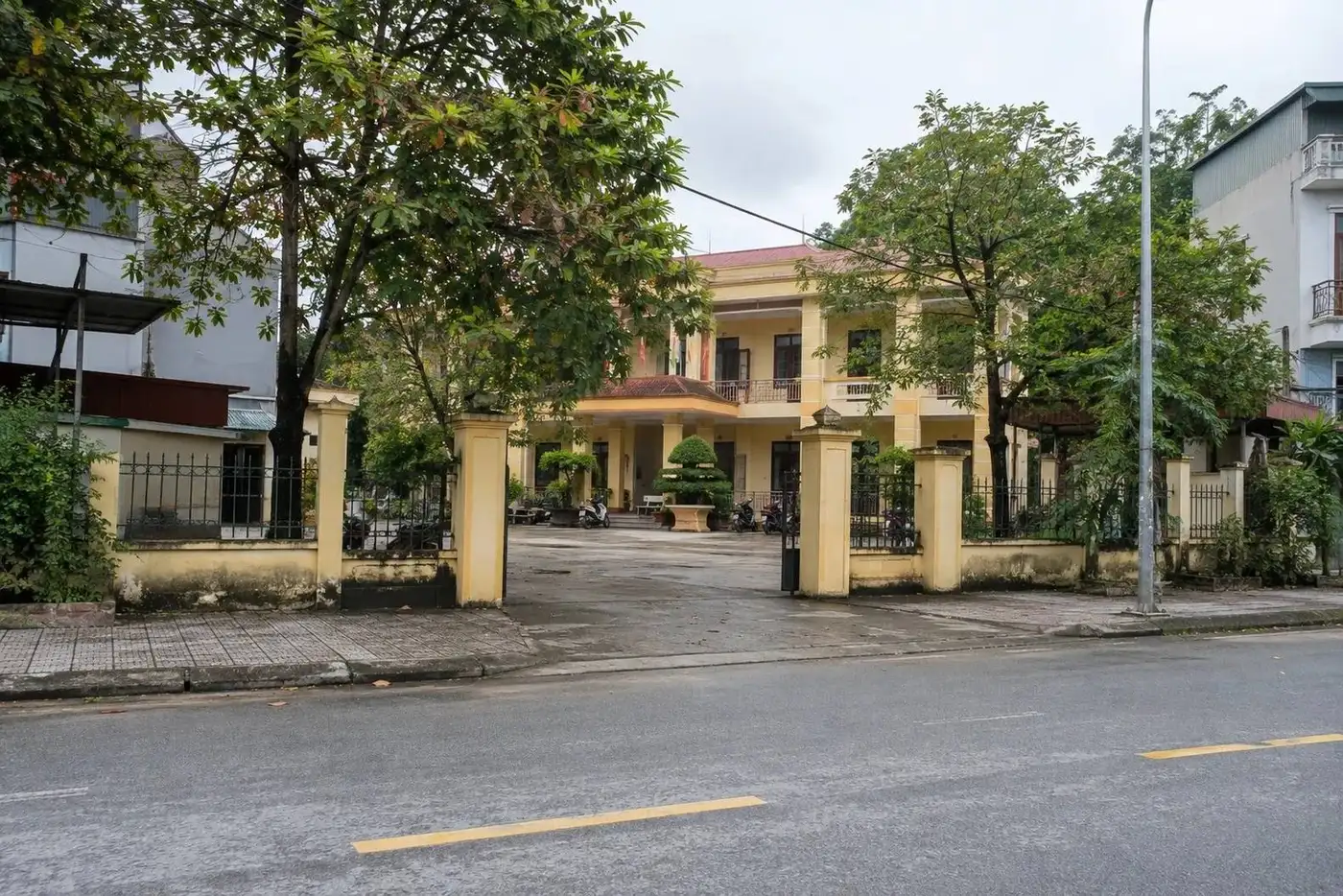
The station looked modest: a gate closed with a grille but no lock, a light on inside and an officer watching a film. A board on the wall asked in Russian which tour operator you came from, which tells you tourists are a routine visitor here. The young officer had little English. After a long stretch of gestures and three languages between them, both sides understood enough to start the form.
The report was filled in half in Russian and half in English. Nobody insisted on a perfect translation, and the officer returned to his film while they wrote. Have a photo of your passport and the phone’s IMEI ready, the 15-digit number printed on the box and shown in the settings, since both make the report more concrete.
Getting an interpreter on the phone
Help arrived from inside the station. Another young staff member handed over a mobile phone with a Russian-speaking woman on the line, and the call passed back and forth between her and the officer. She worked at a Russian information centre, a travel agency that helps tourists with non-standard situations, within reason. The couple found its office address online, rode there the next morning, and a staff member who spoke Vietnamese came with them to the station to explain a new location from the tracking map.
If you do not speak the language, ask your hotel, a local agency or a tour operator whether someone can call the station with you. Nobody expects an interpreter to be available at midnight, yet one changed how this night went.
What the report is for when the phone will not come back
The police promised to look and warned in the same breath that the search would probably yield nothing. The report is for paperwork. A travel insurer usually asks for police confirmation of a theft, and a bank or SIM operator has an easier job when you can say the loss is on record. Check your own policy for the electronics limit and the documents it wants. If you are an expat, my breakdown of local versus international insurance shows where those limits tend to sit.
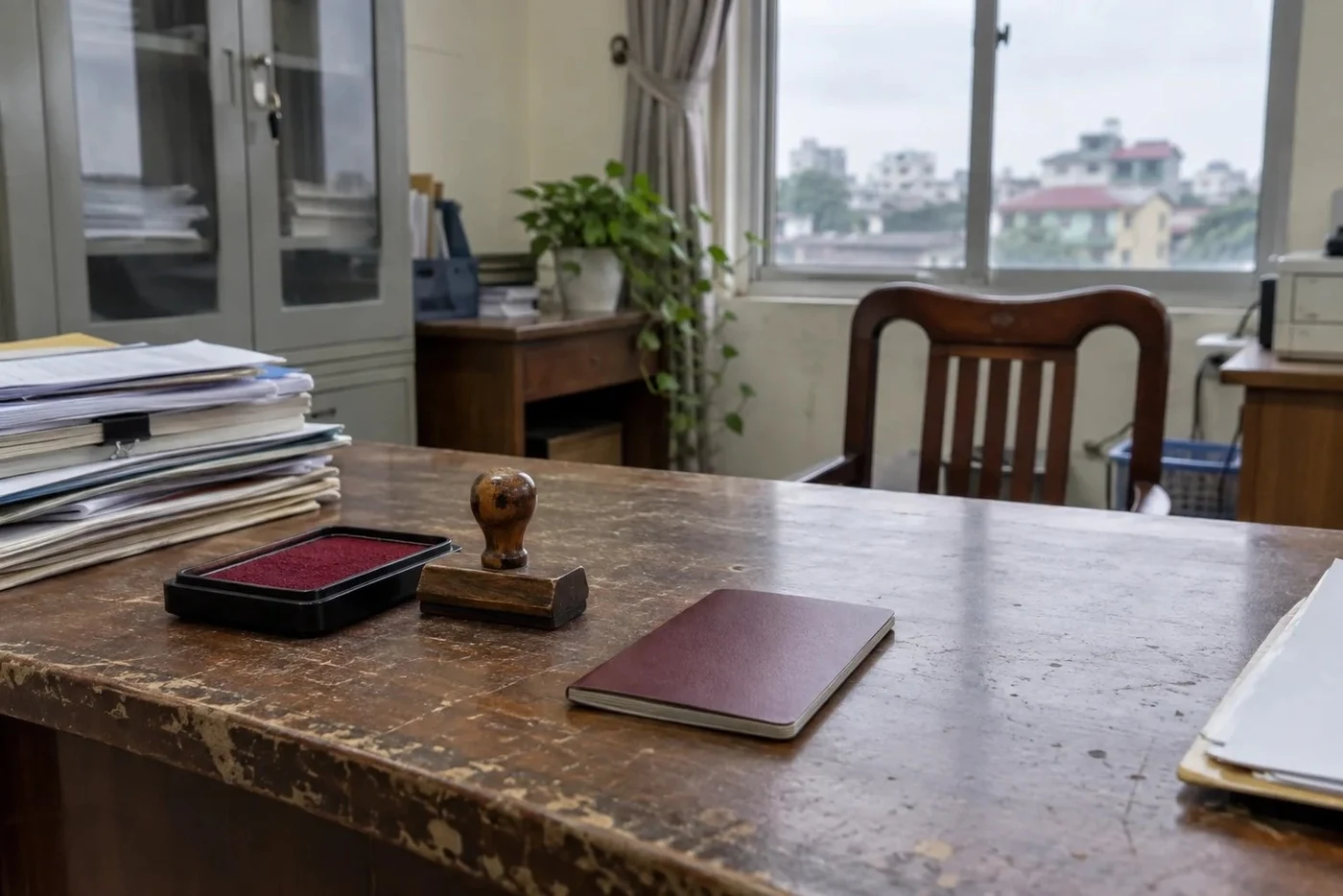
There is one cost people forget. If the stolen phone held your e‑visa approval, the clock on your stay keeps running while you sort out replacements. You can look up the approval yourself on the official portal at evisa.gov.vn with the application code from your email. If the code went down with the phone or your dates are tight, send me your exit date on WhatsApp and I will check it against what your approval says.
Why the map is not enough
The tourist locked the phone remotely from his tablet, asked for its location and left a message on the screen with a local number. Close to midnight the phone switched on for a moment, a point appeared on the map, and the device was switched off again. That single point, where the thief had been at that minute, was all the map ever gave.
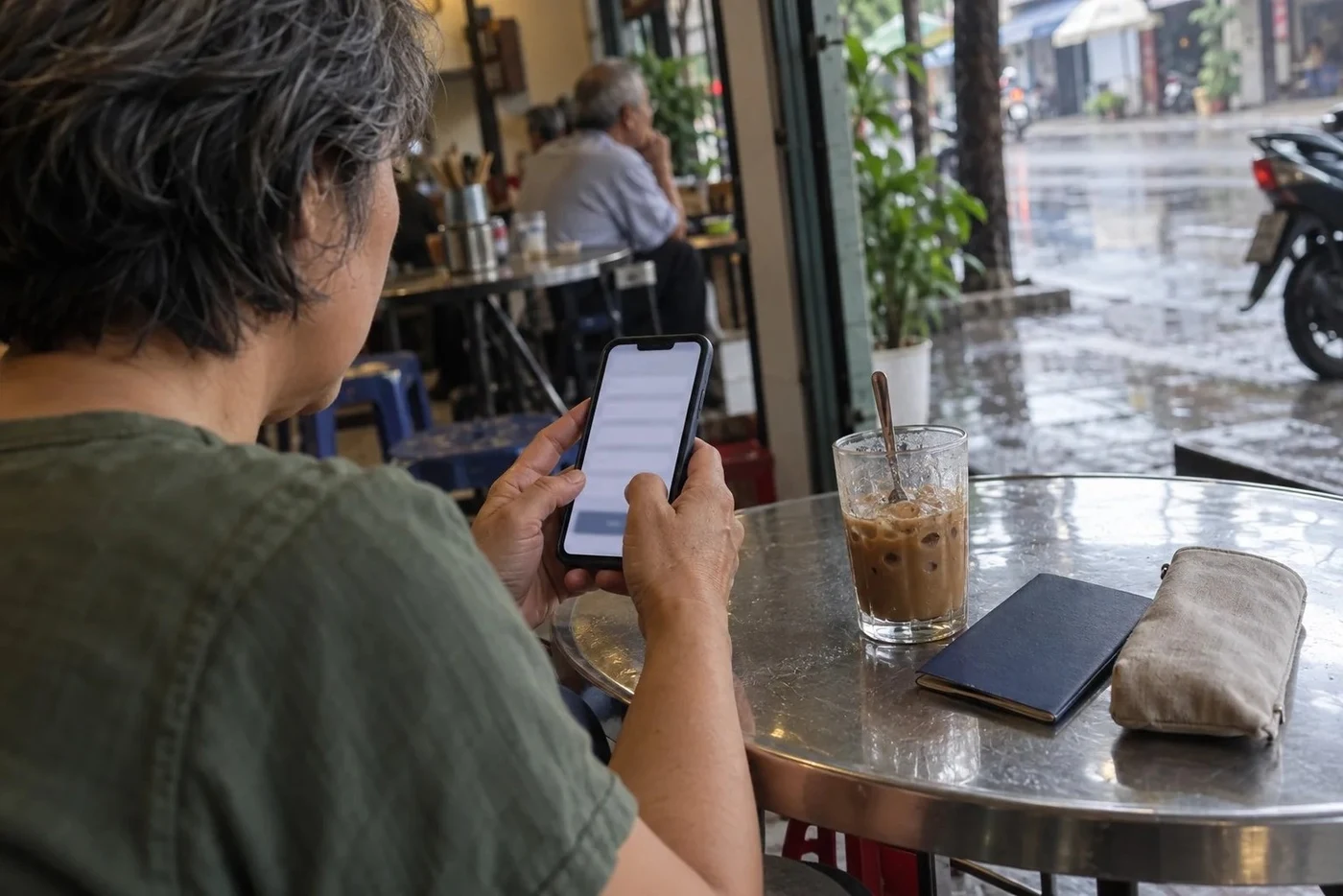
The next morning the Apple ID was taken over. The password was changed and the tablet, still in the owner’s hands, was locked. Someone also tried the Google account, but the sign-in was refused and an email warned about it. The mistake I watch travelers make is trusting the lock-screen message to protect the account, when the passwords matter far more than the map.
Habits that make you a harder target
Keep your phone in a pocket at junctions. The man in Nha Trang was typing a message to his brother as he walked when the scooter passed. I prefer a front pocket to a shoulder bag at junctions, because a passing scooter takes a bag as easily as a phone held in the hand. Store photos of your passport and e‑visa in the cloud and email, keep bank hotline numbers somewhere other than the phone, and turn on two-step verification before the trip.
Phones get stolen despite all of this, and the damage is almost always done by accounts left open, not by the handset itself. Lock email first, file the report, keep your documents off the phone alone. If you want a second pair of eyes on your visa dates after a loss, message me on WhatsApp and I will go through your dates with you.
Frequently asked questions
Is it worth chasing a phone snatcher on a scooter?
No. A tourist in Nha Trang ran after the thief on foot, then hopped on a stranger’s scooter, and still lost him. The plate number and a description of the rider are worth more to the police than a chase.
What number do I call for the police in Vietnam?
The police line is 113, an ambulance is 115 and the fire service is 114. Staff on the line may not speak much English, so keep the address of your accommodation written in Vietnamese on paper.
What if my passport was in the stolen bag?
Report it to the police first, then ask your embassy for an emergency travel document. Russians go to the embassy in Hanoi or the consulate general in Ho Chi Minh City. An e‑visa is tied to the passport number, so a replaced passport usually means a new application.