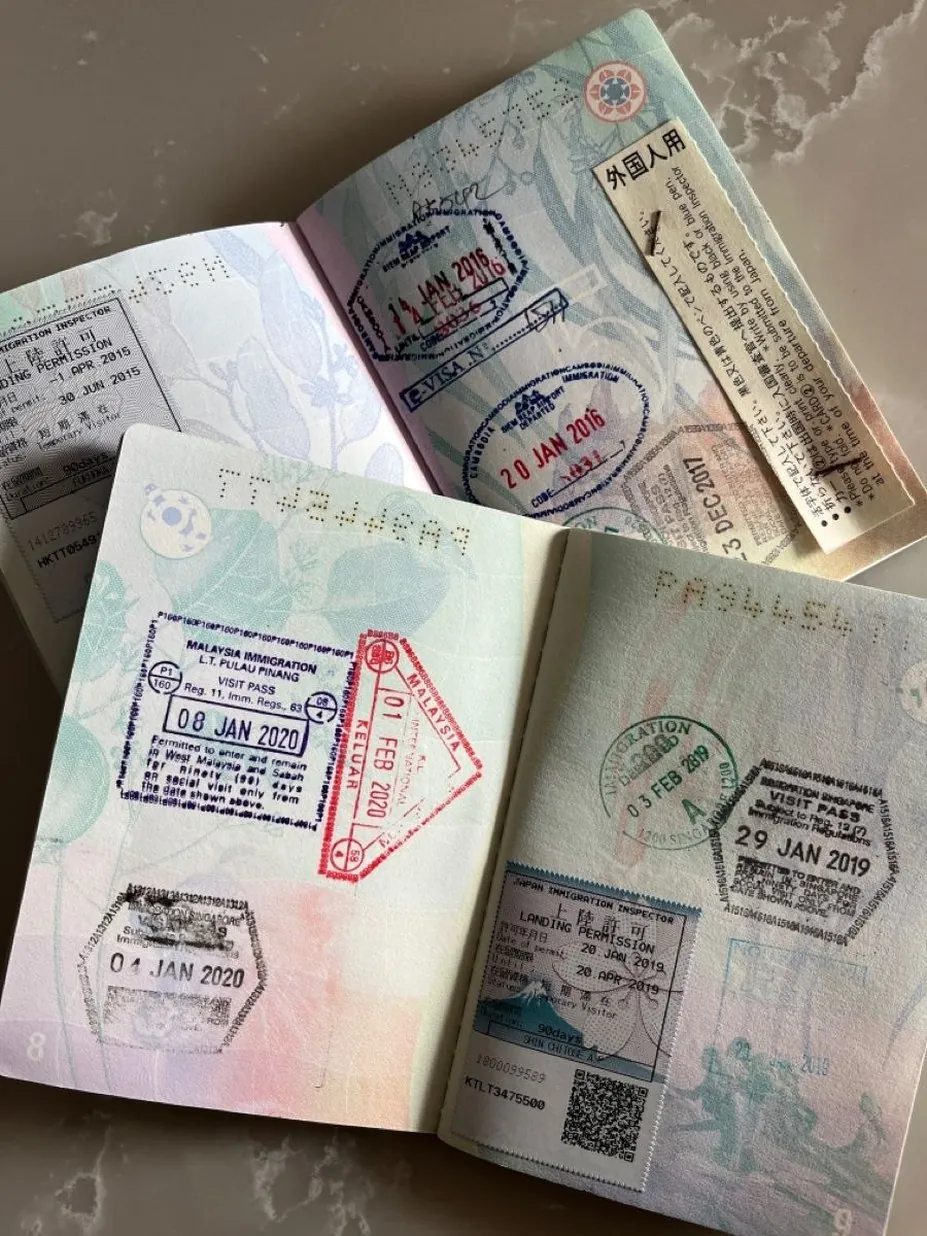
Moving your remote job to Vietnam costs $600-1500 a month depending on the city, and none of it requires a special “digital nomad visa” - everyone works on the same 90-day e-visa tourists use. Da Nang, Ho Chi Minh City and Hanoi each fit a different kind of remote worker, and picking the wrong one is the single most common reason people bail within three months. If you’d rather skip the guesswork on the visa side and just have someone confirm your dates work - more on that below, but first, the actual numbers.
Which city actually fits your work style?
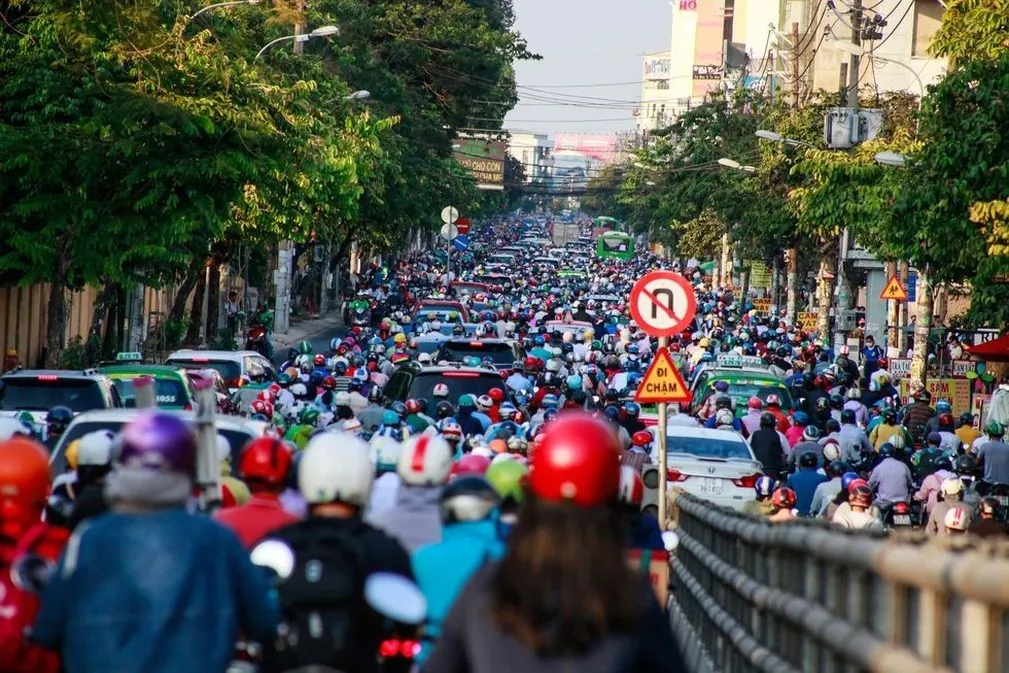
Da Nang suits anyone who wants infrastructure without chaos: no serious traffic, a 10-minute ride to My Khe beach from most neighborhoods, and the largest expat and remote-worker community in the country. Ho Chi Minh City suits people chasing networking and startup energy - more coworking spaces, more events, but a two-hour drive to the nearest beach at Vung Tau and traffic that eats into your evening focus. Hanoi suits people who want culture and a lower cost of living, but December-February temperatures of 10-15°C combined with high humidity feel colder than the number suggests, and the remote-worker scene is smaller than in the other two.
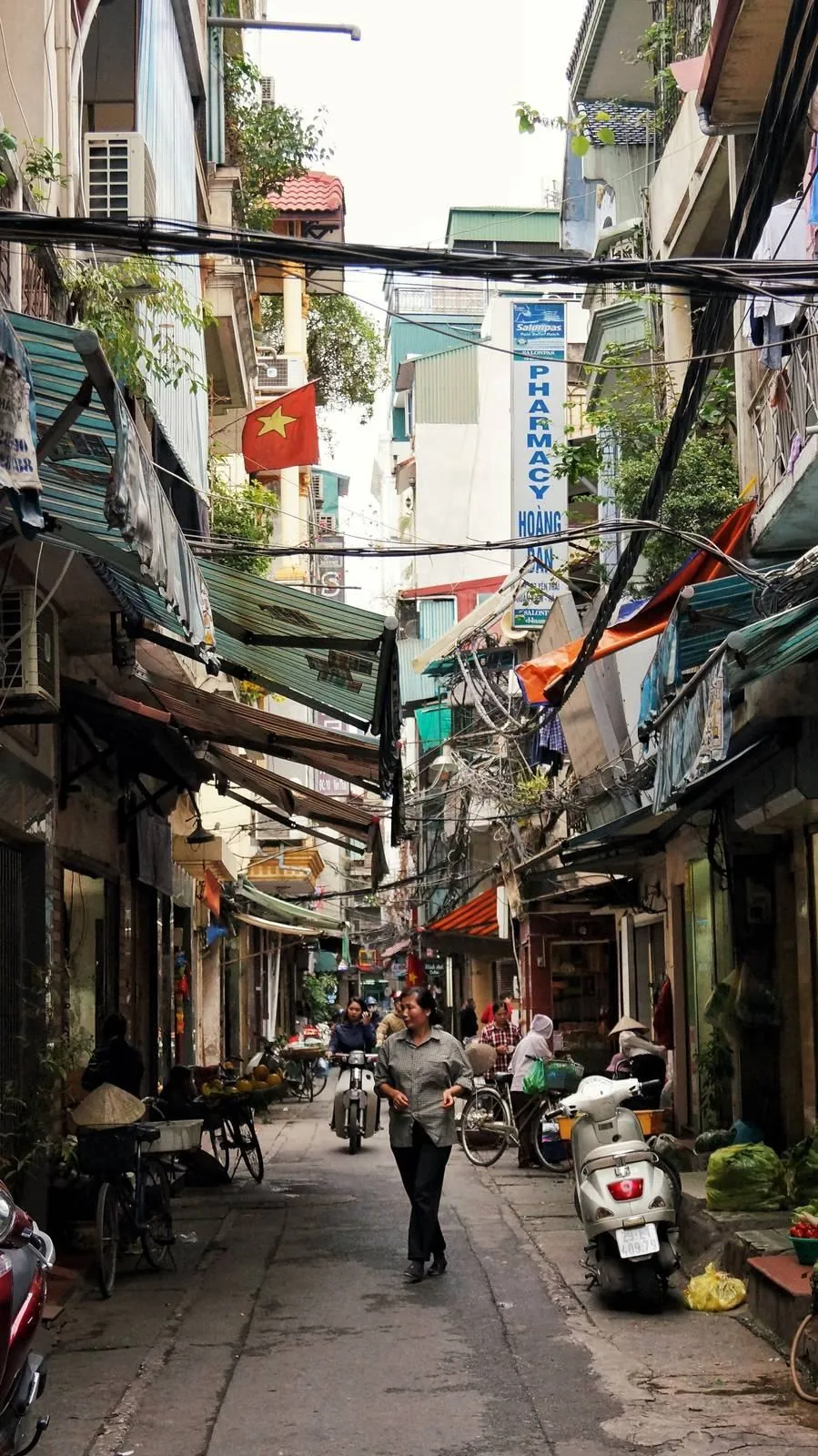
None of the three is objectively “best” - the mistake is picking based on a blog post ranking instead of your actual workday. If your calls run late into the evening, Hanoi’s quieter pace helps; if you need daytime networking, Ho Chi Minh City wins. For a longer breakdown of neighborhoods once you’ve picked a city, see where expats actually settle long-term in Vietnam.
How much does relocating your job to Vietnam actually cost?
A one-bedroom studio outside the city center runs $250-400 a month in Da Nang or Hanoi, roughly 15-20% more in Ho Chi Minh City. Add $200-300 for food if you mix street food (a bowl of pho runs $1.2-2.5) with the occasional restaurant meal, $50-75 to rent a scooter, and $15-20 for home internet plus a local SIM.
That puts a no-frills month at $600-800 and a comfortable one - modern apartment with a pool, mixed local and Western food, regular nights out - at $1000-1500. Coworking adds another $80-140 a month for a flexible desk, or you can work from chain cafes like Highlands Coffee for the price of a $1-2 coffee and skip the membership entirely.
What visa do remote workers actually use?
There’s no dedicated digital nomad visa in Vietnam - you enter and stay on the standard 90-day e-visa, single-entry for $25 or multiple-entry for $50, applied for at the official evisa.gov.vn portal. Approval takes 3-8 business days and arrives as a PDF you print and carry.

Working remotely for a foreign employer sits in a legal gray zone: Vietnamese authorities generally tolerate it as long as the money is earned abroad and spent locally, and the answer to “purpose of visit” at the border is always “tourism.” When your 90 days run out, you either apply for a fresh e-visa and do a border run - commonly through Lao Bao into Laos - or renew locally; both are routine among expats, and the full range of what’s covered start to finish sits on our services page.
This is usually where people relocating for work get stuck - not the job, the paperwork. I pay the e-visa fee with a card evisa.gov.vn actually accepts and handle the Lao Bao crossing paperwork end to end, so the whole border run fits into a single day instead of a week of waiting. If that’s the part you’d rather not figure out alone, message me on Telegram and I’ll check what your dates need.
Step-by-step: how I tested the move before committing
- Booked a hotel for the first 5 days instead of signing a lease sight unseen.
- Applied for the e-visa a month out on evisa.gov.vn and paid the $25 fee with a card the portal actually accepted - not every foreign card clears on the first try.
- Bought a Viettel SIM at the airport on arrival (passport only, no paperwork) for a 60-90GB plan at $3.5-5 a month.
- Spent three days scouting neighborhoods before renting, checking noise levels at night, not just daytime photos.
- Rented a scooter for the month ($50-75) - walking or taxis alone make daily life slower than it needs to be.
- Ran a full work week from a coworking space before deciding whether I needed a home office setup at all.
- Signed a one-month lease first, then extended once I knew the neighborhood actually worked for me.

Is the internet reliable enough for video calls?
Home fiber internet in Vietnam’s major cities runs 80-300 Mbps for $8-14 a month, more than enough for 4K streaming or a ten-person video call, and it’s usually already included in furnished apartment rent. The one real weak point is occasional undersea cable outages that slow access to international sites like Google or Zoom for a few days at a time, while local Vietnamese sites keep working normally.
The fix every long-term remote worker eventually adopts is a second connection on a different network - home fiber plus a mobile SIM from a different carrier, so a cable outage or a local power cut doesn’t take out your only line.
If sorting out the visa and border logistics isn’t how you want to spend your first week, that side of things is literally what I do for people relocating here: check danangvisarun.com for e-visa and visa-run options, or message me directly on Telegram and I’ll confirm what works for your dates.
Frequently asked questions
Is there a digital nomad visa for Vietnam?
No. Remote workers use the standard 90-day e-visa ($25 single-entry / $50 multiple-entry) and work in a legal gray zone as long as income is earned abroad.
How much does home internet cost in Vietnam?
Fiber internet runs $8-14 a month for 80-300 Mbps, usually already included in furnished apartment rent.