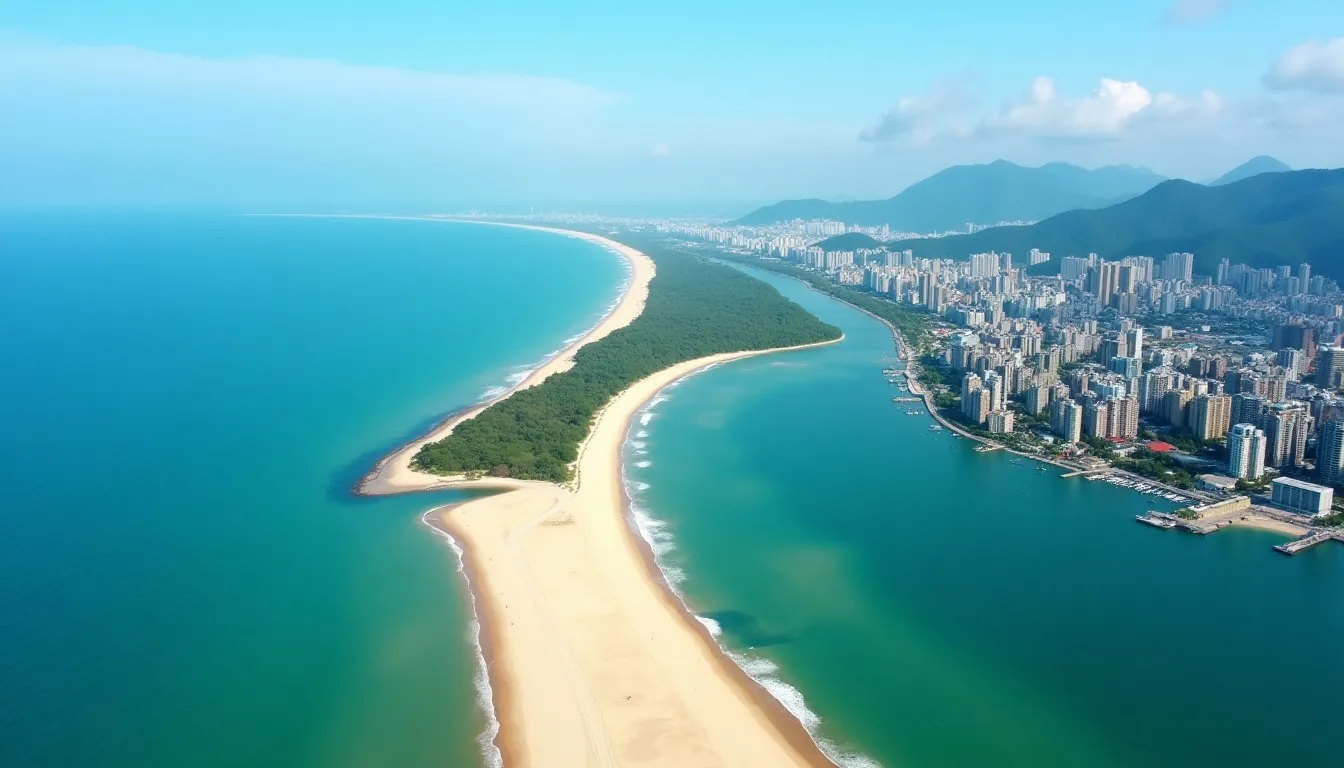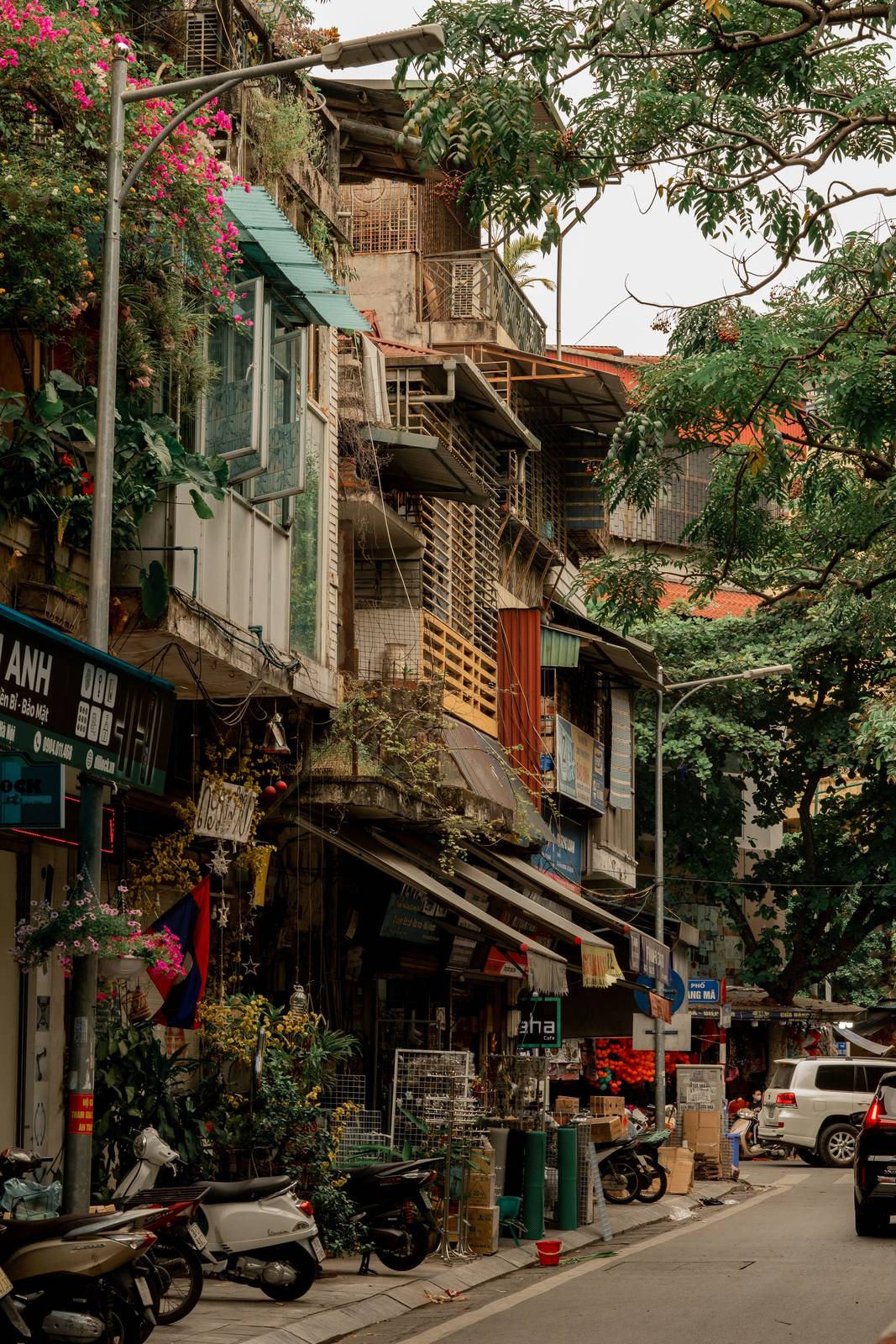
Vietnam’s three main long-term destinations-Da Nang, Nha Trang, and Ho Chi Minh City-suit very different residents. Da Nang is the coworking capital with clean beach access and international expat culture. Nha Trang holds Vietnam’s largest Russian-speaking community, complete with Russian schools and grocery stores. Ho Chi Minh City is the business hub where costs run 20-30% higher but medical care and infrastructure are the best in the country. Which one fits comes down to work style, family situation, and how much Russian-speaking community matters to you.
Which Vietnam city actually fits your budget?
Da Nang: $800-$1,300/month comfortable for one person. Nha Trang: $700-$1,200. Ho Chi Minh City: $1,000-$1,500.
The gap is mostly housing and lifestyle choices. A studio near the sea in Da Nang or Nha Trang runs $250-$400 per month on a direct long-term lease. HCMC is 30-50% higher for comparable space. Street food in all three cities costs $1-$4 per meal; Western restaurants run $10-20. Where budgets bleed unexpectedly is healthcare - a single international clinic visit costs $60-$160, and a hospital day can hit $240-$800. Medical insurance running $500+/year is not optional in any of these cities.
The cost of staying legal adds up too. Vietnam’s 45-day visa-free entry for Russian passport holders (valid until March 14, 2028) works for a scouting trip but not for living. E-Visa is $25 for a 90-day single-entry stay. Long-term residents cycle through visa runs: Da Nang to Lao Bao (Laos) typically costs $100-$200 per trip all-in. That’s $1,200-$2,400 per year if you’re running every three months.
Why Da Nang keeps winning over remote workers
Da Nang has the best coworking infrastructure in Vietnam-fast, reliable internet and a growing community of IT specialists, designers, and marketing freelancers. The beach (My Khe) is inside the city. Air quality is noticeably better than Hanoi or Ho Chi Minh City. A 4G/5G SIM costs $5-8/month.
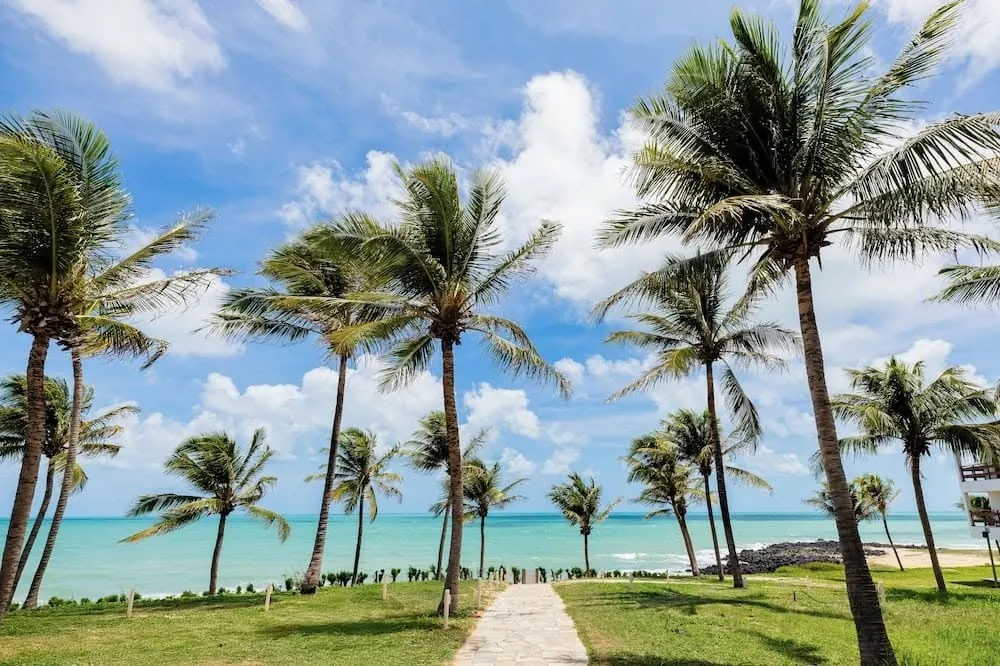
The international expat scene here runs younger and more mixed-less Russian-speaking compared to Nha Trang, but stronger English-language networks. If you’re working remotely and don’t need Russian-language services, Da Nang is the practical pick.
The catch: typhoon season runs October-November and shuts down beach access for two months. Most Da Nang expats plan a temporary base elsewhere during that window.
This is usually the moment people sort out long-term visa logistics. If you’d rather not handle e-Visa applications and visa run timing yourself, I take that side over — the application, the government fee on a card the portal accepts, and the border day itself. What it needs from you is your passport type and roughly how long you’re planning to stay, and the rest of what gets covered is listed on our services page.
Is Nha Trang’s Russian-speaking bubble actually worth it?
For families and anyone who wants to ease into expat life, yes. Nha Trang has 600+ permanent Russian-speaking residents-the largest community in Vietnam. The city has Russian bakeries, grocery stores, beauty salons, Cyrillic street signage, and The First Academy, the only Russian-accredited school in the country.
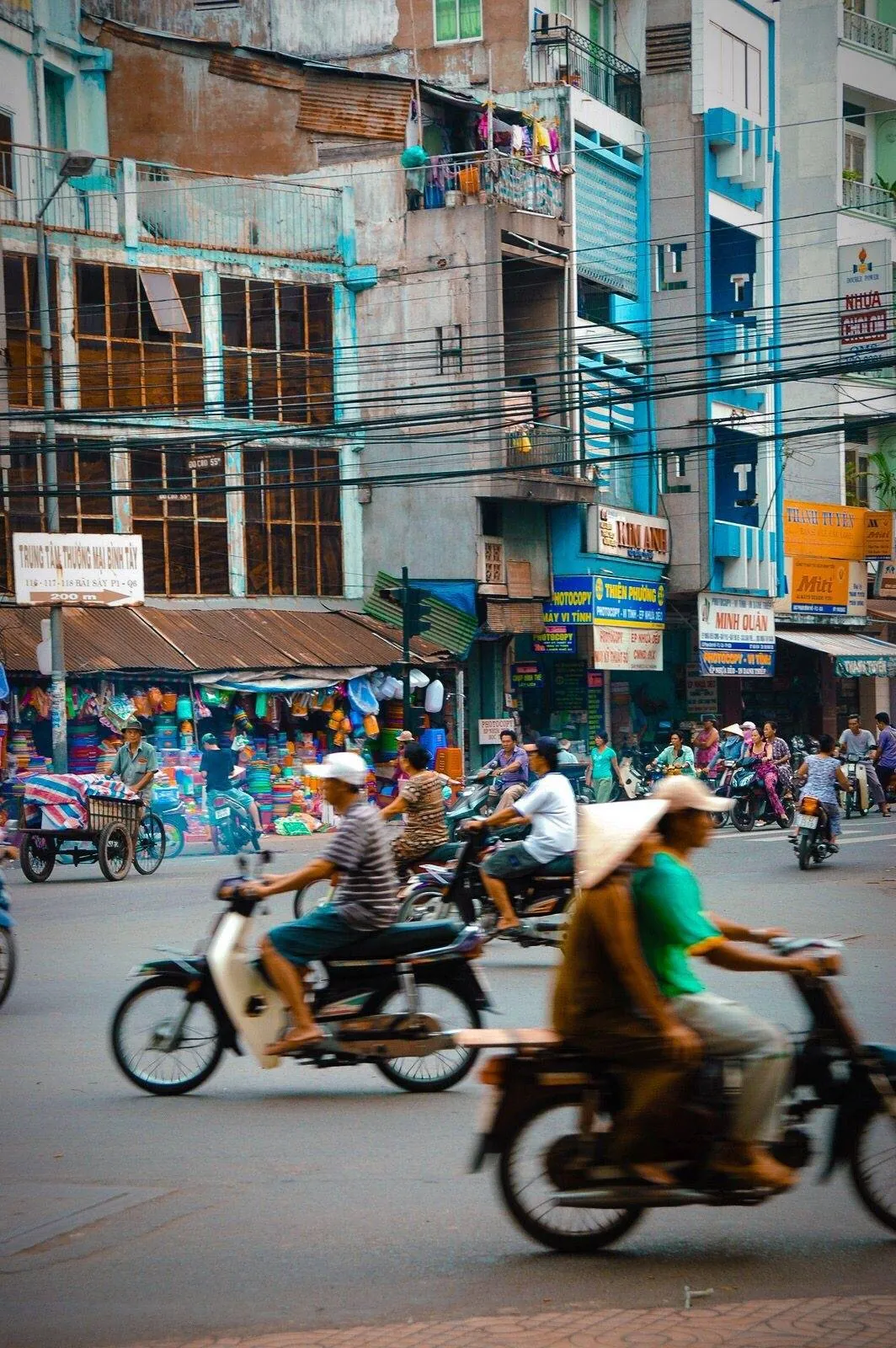
Budget: $700-$1,200/month for one person. A three-month realistic all-in: studio rent $300-$350 + food $450-$500 + motorbike rental $60-$80 + day trips. That puts you at $1,350-$1,900 total.
The tradeoff: fewer coworking spaces than Da Nang, and the rainy season runs October through December. If you’re remote-working solo and want international networking, the Russian bubble can feel insular. If you have kids in school or want cultural familiarity, it’s genuinely valuable-not just comfort.
When does Ho Chi Minh City make sense?
HCMC is Vietnam’s business capital: 10+ million people, the country’s best hospitals and international clinics, Metro Line 1 (opened end of 2024), and the widest restaurant and entertainment variety. If you’re starting a company, need regular access to international business contacts, or simply don’t function without city energy, HCMC is the only real answer.
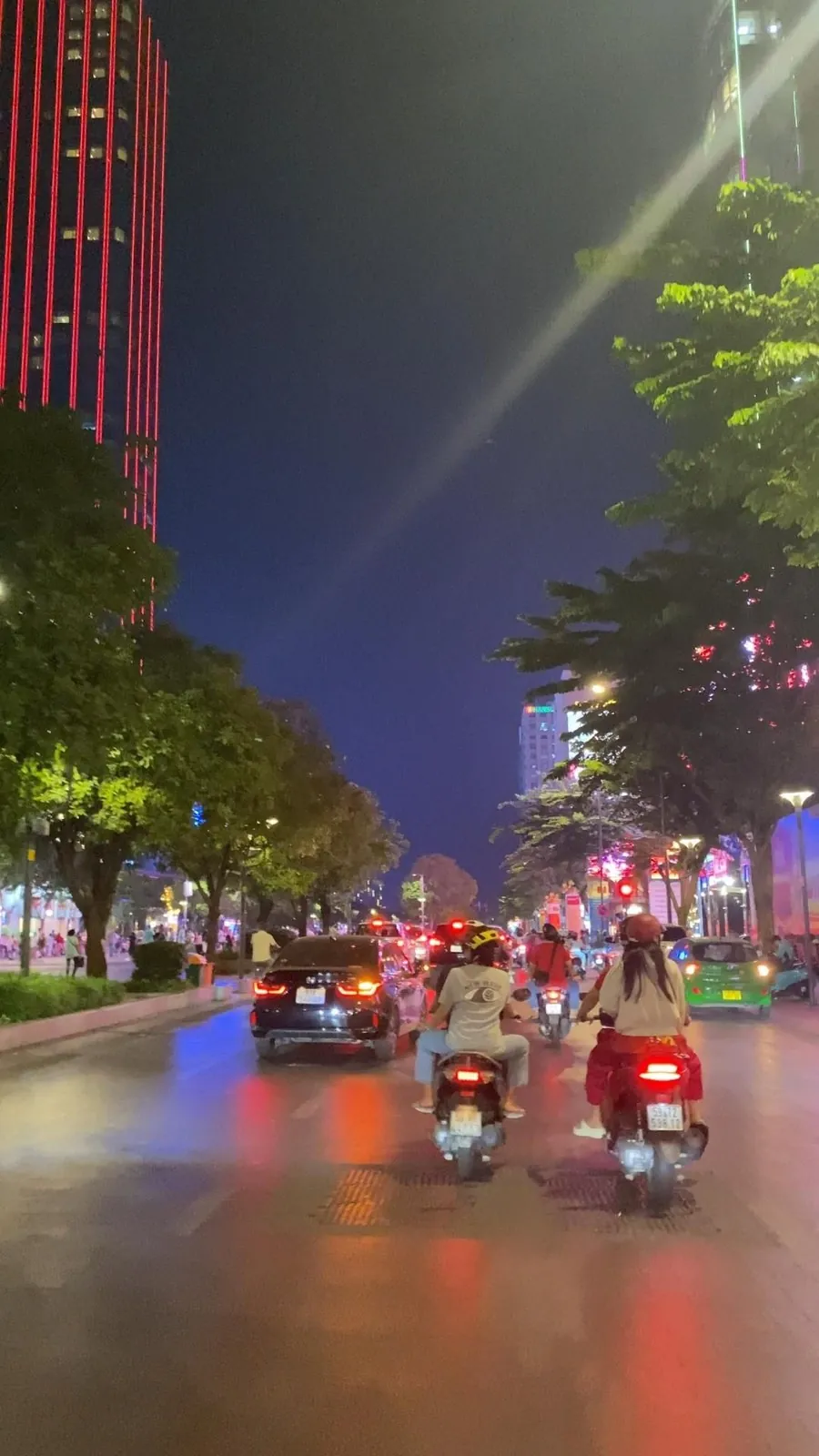
Monthly comfortable budget: $1,000-$1,500. Air quality is the worst of the three-masks are standard for both locals and expats. Traffic is chaotic even by Vietnam’s standards. The compensation is real though: medical care that’s actually international-standard, the most diverse job market, and proximity to the best flight connections out of Vietnam.
What actually changes by city: visas, housing, schools
Visa runs: From Da Nang, the Lao Bao crossing into Laos is the standard one-day trip ($100-$200). From HCMC, Moc Bai (Cambodia) is the common alternative. From Nha Trang, most expats join organized Da Nang or HCMC runs. TRC (Temporary Residence Card) costs $145 in government fees for 1-2 years, requires a work permit, marriage to a Vietnamese national, or a $120,000+ investment in a registered company.
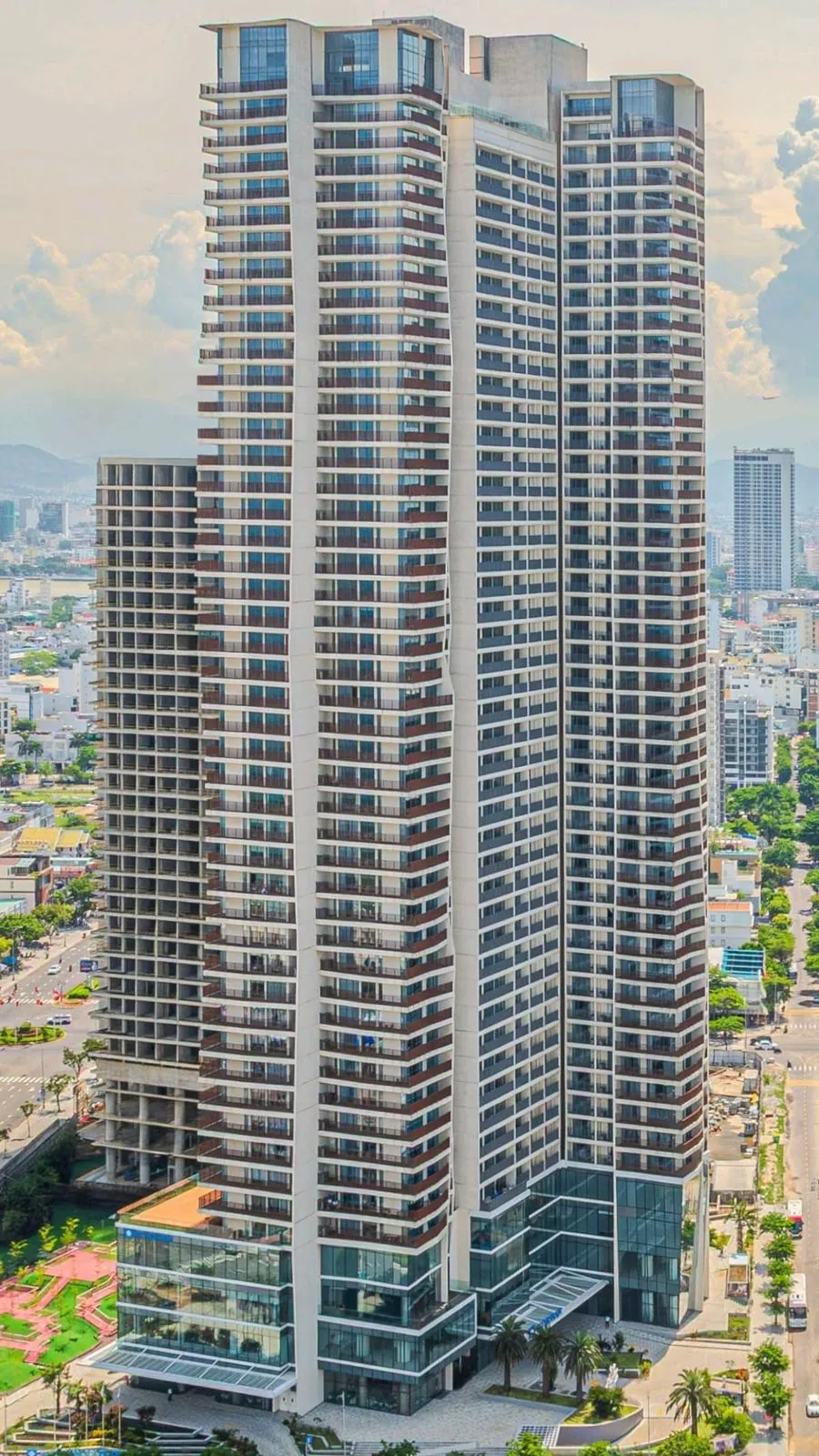
Housing: The first rule is never rent without seeing the place. The first 2-4 weeks in a hotel or short-term rental is not wasted time-it’s how you avoid a six-month lease on a bad apartment. Standard deposit is 1-2 months; early exits typically mean losing the deposit. Never leave your original passport as collateral-copy only, or cash deposit.
Schools: The First Academy (Russian-accredited) is in Nha Trang. International English-medium schools in Da Nang and HCMC run $5,000-$25,000/year. State Vietnamese schools are free but in Vietnamese only.
Cards: Mir cards work only at VRB Bank ATMs-roughly 20 nationwide. The practical setup: UnionPay card from Gazprombank or Rosselkhozbank as primary, cash USD as backup. MoMo and ZaloPay e-wallets work for everyday payments without a bank account.
If you’re weighing cities and want to talk through the visa side, I’ve laid out the full e-visa and border-run breakdown for each one on danangvisarun.com.