A studio in Nha Trang runs $300-320/month in a residential neighborhood like Vinh Nguyen, or $600-800/month for the same size unit facing Tran Phu beach in the tourist center. That single number decides more about your stay here than any guide about pagodas or beaches will tell you.
How Much Does It Cost to Live in Nha Trang?
Rent is the main variable, and it splits hard by district. Central beachfront studios near Tran Phu street start around 15-20 million VND ($600-800), while the same unit ten minutes south in Vinh Nguyen runs 7-8 million VND ($280-320). Add roughly $150-200/month for food if you cook half your meals, $30-40 for a scooter rental, and $20-30 for a SIM with enough data to work from a cafe. A single remote worker living modestly lands around $500-650/month total outside beachfront rent.
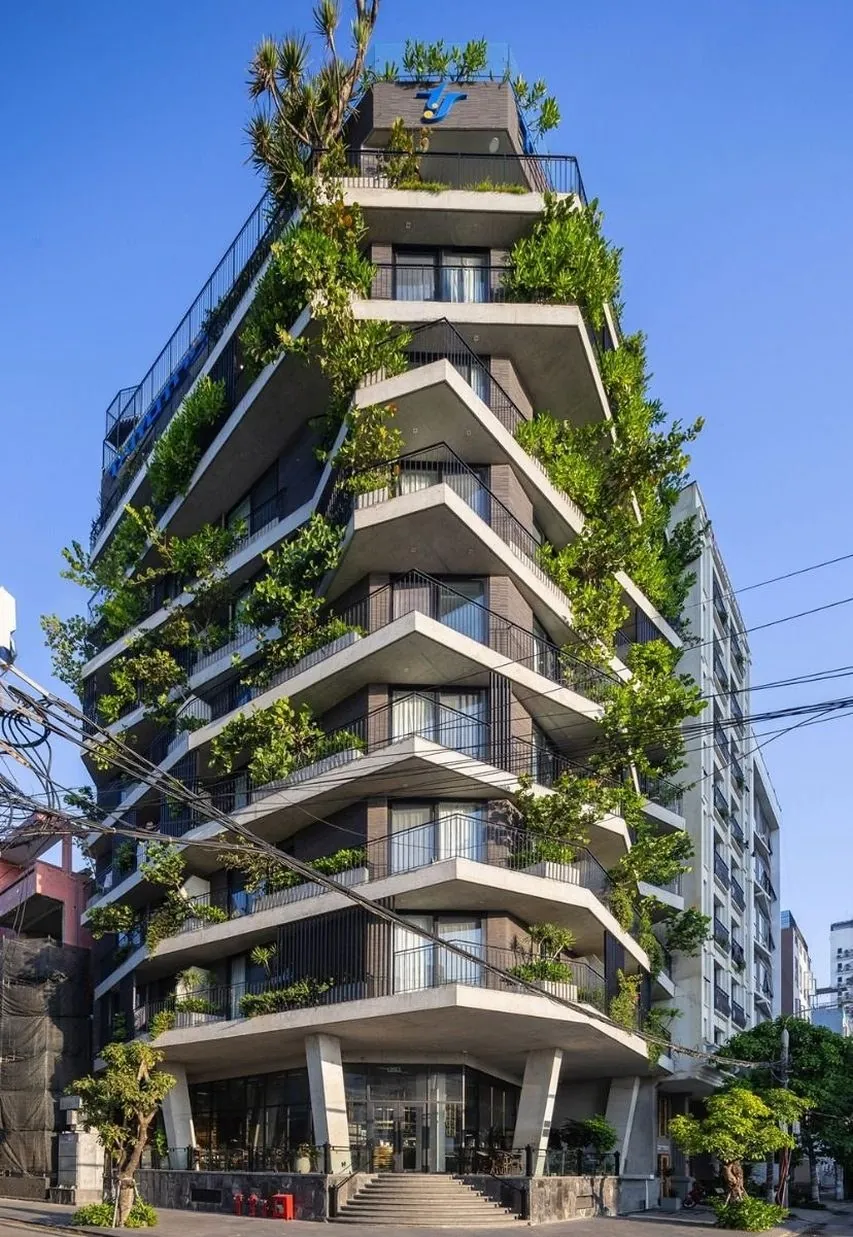
Nha Trang undercuts Da Nang by roughly 30-40% on rent for a comparable unit, which is the single biggest reason nomads pick it over the more popular expat hub further north.
Which Neighborhood Should You Pick?
Nha Trang splits into three rough zones: north, center, and south. The center around Tran Phu and the so-called “European Quarter” near Thang Loi Park has the highest concentration of cafes, Russian-language menus, and foot traffic - plus the highest rent and the most street noise after dark.
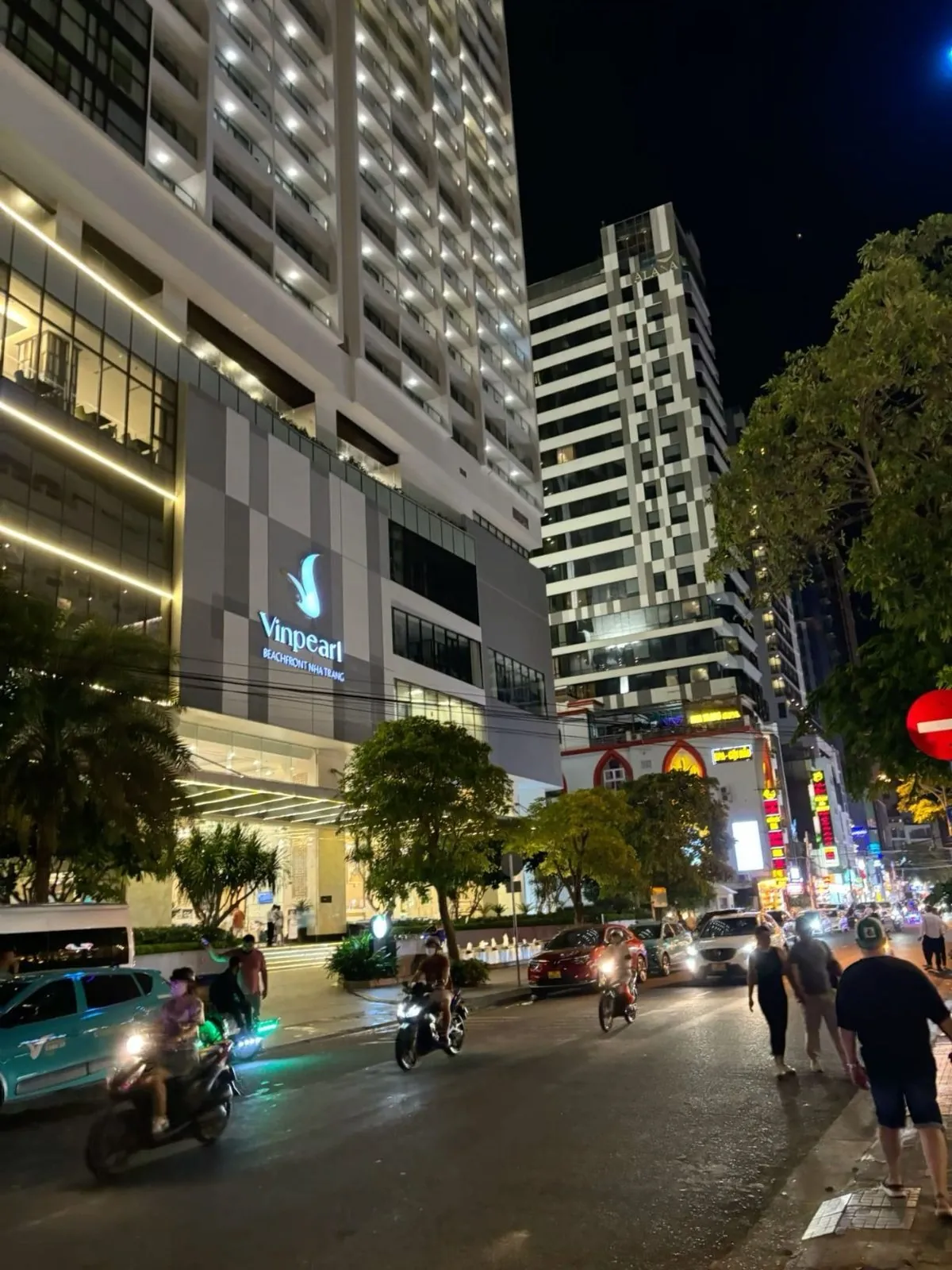
Vinh Nguyen, just south of the center, is where I ended up: cheaper, quieter, a 12-15 minute walk to the main beach strip. An Vien, near the Vinpearl cable car terminal further south, works better for families - newer buildings, more space, but fewer cafes and shops within walking distance, so you end up on a scooter more.
How Do You Actually Find an Apartment Here?
Photos on rental listings lie more often than not, so the search takes a few concrete steps rather than one lucky Facebook post:
- Book a hotel or short-term Airbnb for the first 2-3 weeks - don’t sign anything before you’ve ridden around the neighborhoods yourself.
- Scout districts by scooter during the day and at night - noise and foot traffic change completely after 9 PM near the tourist strip.
- Check Russian-language and expat Telegram/Facebook groups for the city - most long-term listings never make it to English-language sites at all.
- Deal directly with a Vietnamese landlord or agent where possible - commission is typically paid by the landlord, not the tenant, so haggling over agent fees rarely helps you.
- Budget one month’s rent as a deposit - that’s the local standard, not the 2-3 months common in bigger cities.
Is the Russian Expat Community a Problem for Non-Russian Nomads?
Nha Trang has the largest Russian-speaking expat community in Vietnam, and it shows: Cyrillic signage, Russian bakeries, and restaurants stocking buckwheat and condensed milk on nearly every block in the tourist zone. For a non-Russian speaker, this cuts both ways - you’ll find fewer people in the tourist center used to speaking English with foreigners than in Da Nang, since staff there default to Russian first.
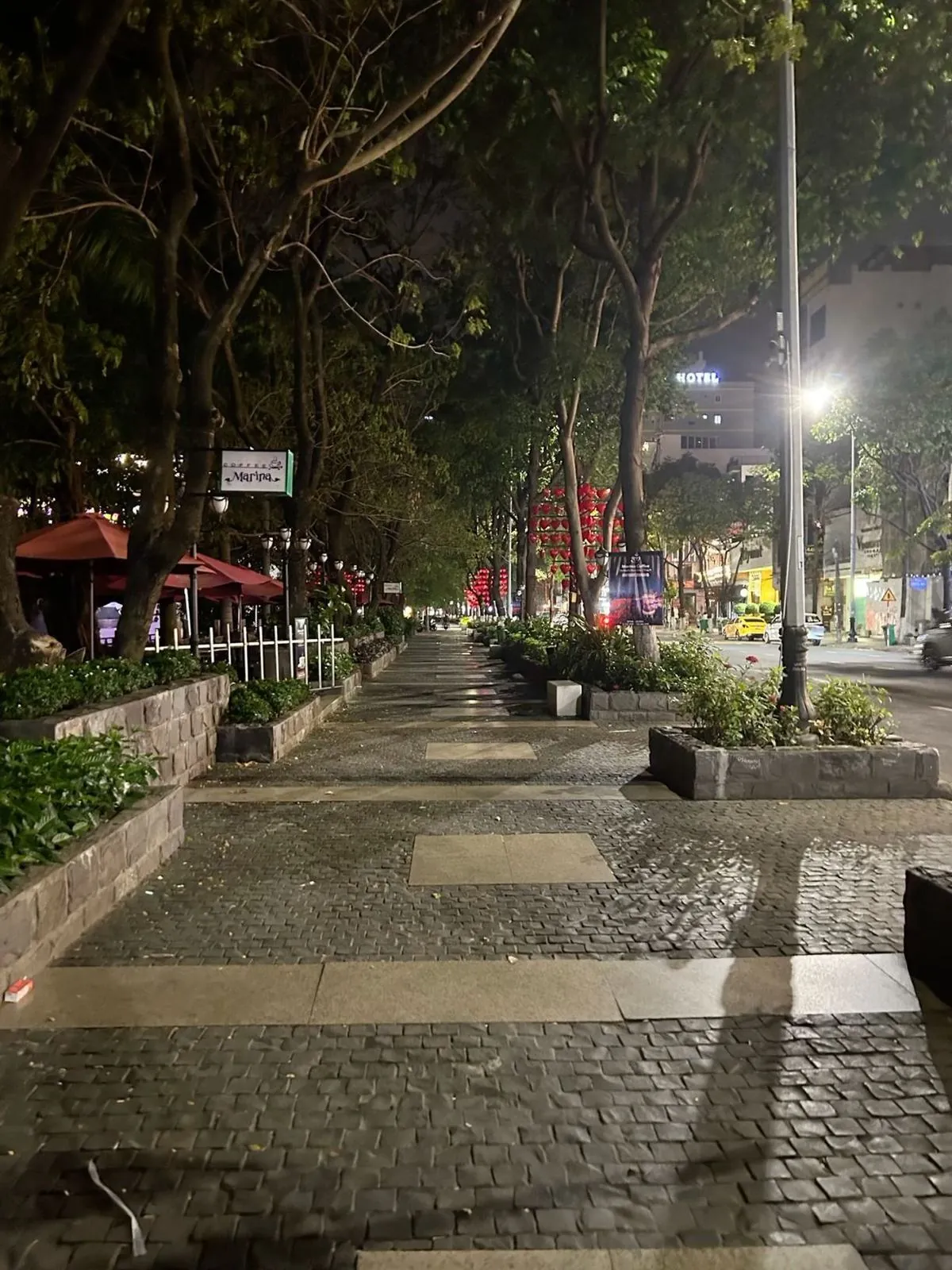
The city also thins out noticeably from October to December, the off-season, when a chunk of tourist-facing cafes and services close for a few months. If you’re picking Nha Trang for year-round city energy, that gap is worth planning around.
What Happens to Your Visa While You’re Apartment Hunting?
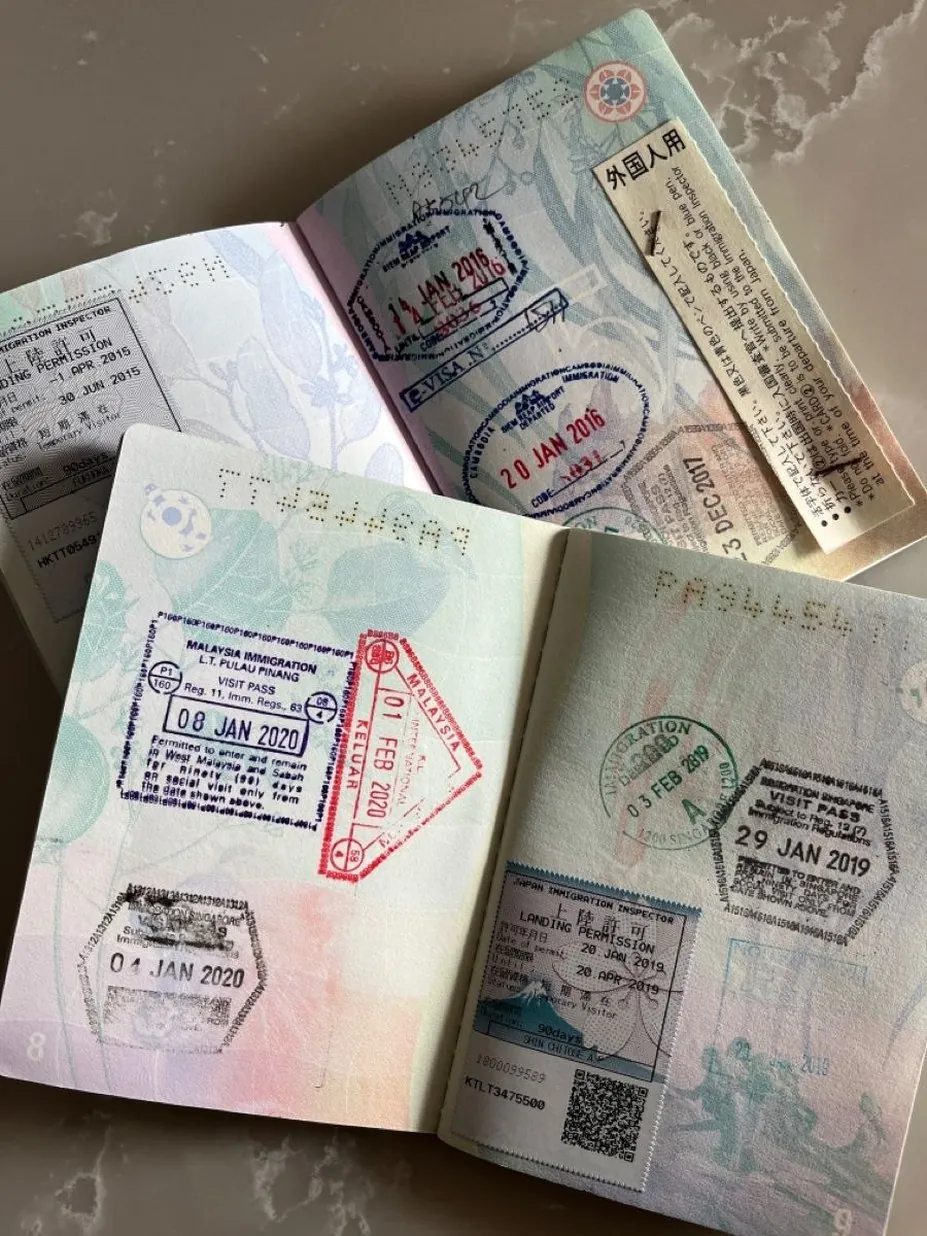
Nothing pauses your visa clock while you’re comparing neighborhoods and signing a lease - that’s the mistake I see most often. Most nomads land on a 90-day e-visa and need a visa run roughly every three months, and Nha Trang sits further from the land borders than Da Nang does, so the logistics take more planning, not less.

This is exactly where I usually get pulled in by other nomads who moved down here: I handle the e-visa paperwork and pay the government fee with a card the evisa.gov.vn portal actually accepts, so nobody’s stuck re-entering payment details on day 89. If you’d rather not deal with border logistics for Da Nang visa runs or a card that keeps getting declined, message me on Telegram with your passport nationality and I’ll walk you through the timing.
Nha Trang works well if you’re single, remote, and want cheap beachfront living for your first year in Vietnam while you figure out the rest. It’s a rougher fit for families - only 2-3 international schools with limited program choice, and no serious specialized hospitals in the city itself, so most families with real medical needs end up basing in Ho Chi Minh City or Da Nang instead. For comparing apartment costs across Vietnamese cities more broadly, this rent price breakdown is worth a look before you commit to a lease.
Whatever city you land in, don’t let the apartment search eat the days on your e-visa.