Vietnam has not licensed a single crypto exchange yet. Seven applications, zero approvals, and a penalty regime that switches on regardless: from 1 September 2026, Decree 284/2026 fines an individual $1,150 to $1,900 for trading crypto assets through a provider the Ministry of Finance has not licensed.
I have watched three separate things get mashed into one panic in every nomad group chat this month: holding crypto, trading it, and spending it. Vietnam treats them differently, and only two of them changed. If you would rather not think about any of it, the payment side of a long stay can be set up in a day without touching an exchange at all.
Which payment rails still work for a foreigner?
Three of them, and none touches an exchange. A foreign debit card pulls cash from any ATM, usually $115 to $190 per withdrawal with a machine fee around $2. A Vietnamese bank card covers VietQR, which is what everyone from the bánh mì cart to the petrol station actually scans. Cash exchange has been bank-only since 9 February 2026, when unlicensed street shops were put outside the law.
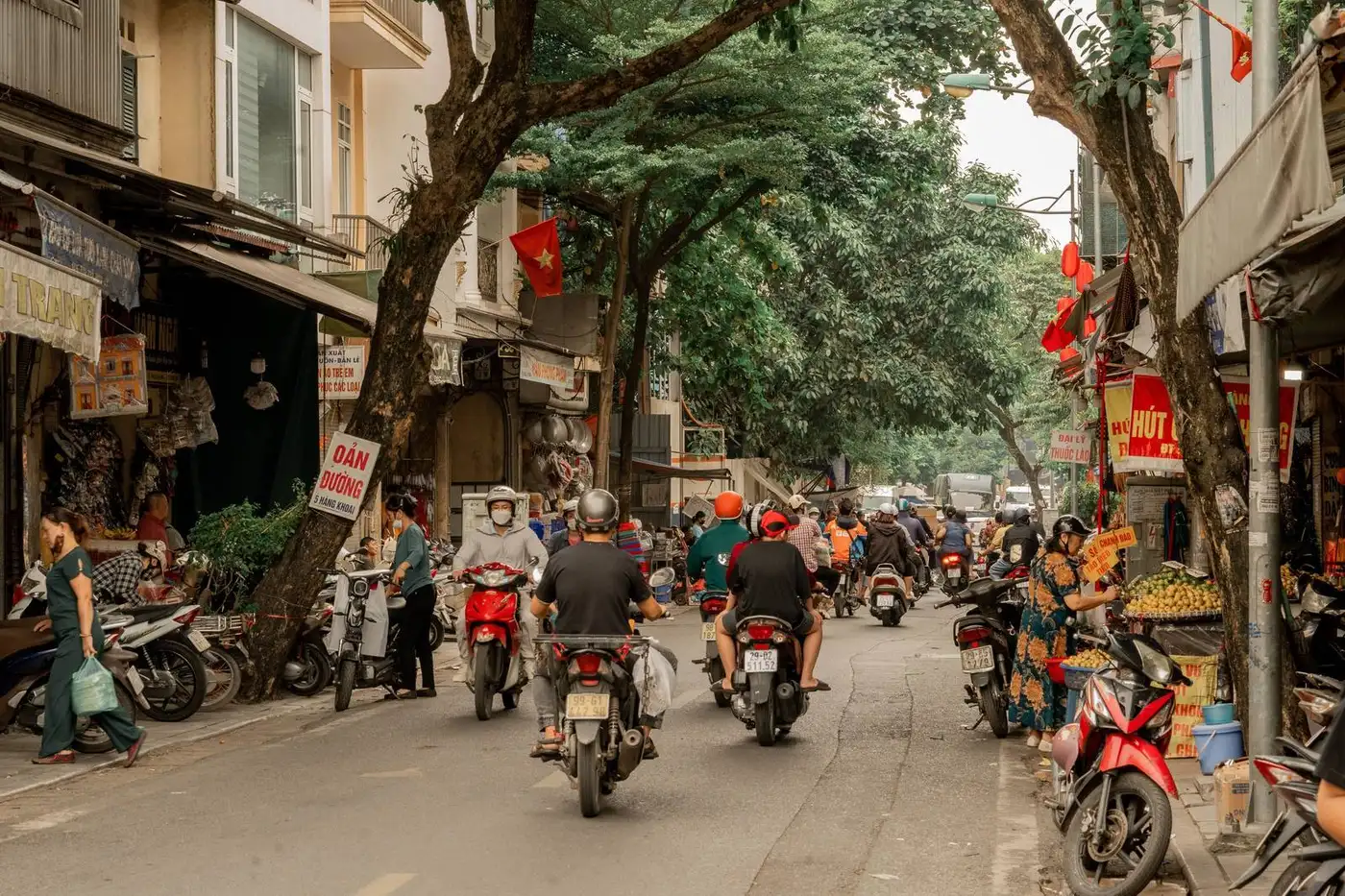
That last change caught a lot of people off guard, because the gold-shop counter with the good rate had been the standard expat move for years. Penalties there now reach confiscation of the amount being exchanged, so the walk-in shop is no longer worth the trip.
Why cashing out through P2P freezes bank accounts
Selling USDT peer to peer and having the buyer push dong into your Vietnamese account breaks on the banking side long before the crypto rules touch it. Banks flag repeated round-number deposits from unrelated individuals and freeze the account pending a source-of-funds explanation. Unfreezing means walking into a branch in person, with documents, while the money sits there.
The State Bank has been tightening this for two years. Circular 18/2024 and Decision 2345 require biometric confirmation for transfers above $380, and around 86 million accounts were closed or suspended nationwide by September 2025. For a foreigner this bites harder than for a local. Your account is tied to a passport or residence card, the branch visit cannot be delegated, and if you happen to be out of the country your rent money is stuck until you fly back.
Can you still pay a Vietnamese merchant by QR from an exchange balance?
Nothing in the new decree bans QR payments by name, and that is why the chat groups keep arguing. The real problem sits one layer down: crypto is not legal tender in Vietnam, and Decree 88/2019 already sets $1,900 to $3,800 for settling with an unlawful means of payment. Services that let you scan a VietQR code straight from an exchange balance run through a partner provider, and the licence question now lands on that partner.
So the honest read is not “it stopped working today”. It is that you are relying on a provider getting licensed before an inspector shows up. For a coffee and a monthly rent payment, that is a lot of regulatory exposure for very little convenience.
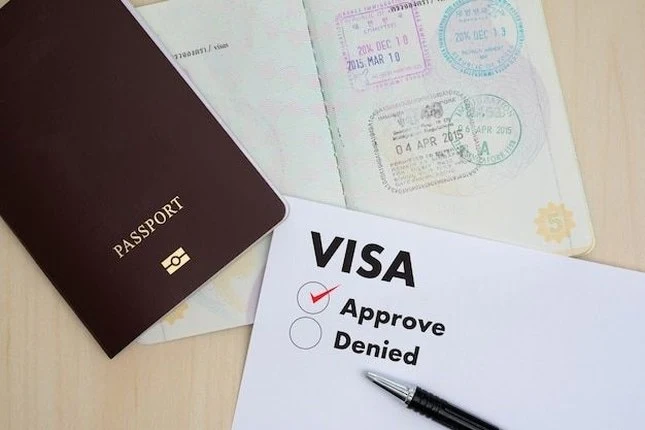
The gap most people hit is earlier than any of this. The e‑visa government fee of $25 is charged on evisa.gov.vn by card, and plenty of cards simply get declined there, which means the application never gets submitted at all. I pay that fee with a card the portal accepts and hand over the finished visa, so the question of which rail to use never comes up on that step. What I need from you is a passport scan and your dates, and the full scope sits on the visa services page.
What actually changes in Vietnam on 1 September 2026?
The decree punishes the transaction, not the wallet. An individual pays $1,150 to $1,900 for dealing through an unlicensed provider, up to $3,800 for assets issued to foreign investors, and up to $7,600 for advertising crypto assets. Holding coins stays legal, exactly as it has been since 1 January 2026.

That legal status came from the Law on Digital Technology Industry, and I broke down what it did and did not cover in what the 2026 crypto law actually legalised. The pilot market on top of it runs under Resolution 05/2025 for five years, with servers inside Vietnam and trading quoted only in dong. The Ministry of Finance opened applications on 20 January 2026 and has received seven, with none approved so far. The penalty therefore arrives before the legal venue does.
Short version: what to change before September
If your crypto is an investment sitting on an exchange, do nothing. Holding is legal, and the fine targets transactions through an unlicensed provider. If crypto was your way of funding daily life here, move that off the exchange this month. One frozen month of rent money costs far more than the spread you save on an exchange rate.
Most people hit this question at the same time as the visa question, because both land in the first week of a long stay.
If you want that first week handled in one pass, message me on Telegram with your dates and I will tell you what applies to your situation.
Frequently asked questions
Does the fine apply to foreigners living in Vietnam?
The text of Decree 284/2026 addresses Vietnamese users, and the status of foreign residents is not spelled out. Treat that silence as risk rather than permission, because enforcement guidance usually arrives after the penalty does.
How much cash can I bring in instead?
Up to $5,000 or the equivalent without declaring it at customs. Above that you declare it on arrival, and the declaration form matters if you ever want to take the money back out.
What happens if my account is already frozen?
Go to the branch that opened it, with your passport, residence card if you have one, and any proof of where the deposits came from. Phone support cannot lift it, and a second account at another bank does not unfreeze the first one.
Will licensed exchanges fix this in 2026?
Not for stablecoins. The pilot admits crypto assets issued by Vietnamese entities and backed by real assets, so fiat-backed stablecoins like USDT sit outside it even once the first licence is granted.