A foreigner gets a bank account in Vietnam when the visa gives the bank something to record. A residence card or a work visa opens the big state banks, while a 90-day e‑visa works only at some branches, and the answer changes from branch to branch. The e‑visa costs $25 for one entry or $50 for multiple entries on the official portal, evisa.gov.vn. If you would rather hand the visa part to someone else, there is a one-day route.
Do you need a Vietnam bank account at all?
For a trip of up to two weeks you do not need one. Cash in dong, a card that works at your destination and a wallet app cover everything. For three months an account is convenient but optional, and for a year or more it becomes the center of your money, because rent, salary and utilities all run through it.
I would not start with the bank for a short stay. A branch visit costs half a day, and the refusal rate on tourist visas is high enough that the half day can be wasted.
What documents will the bank ask for?
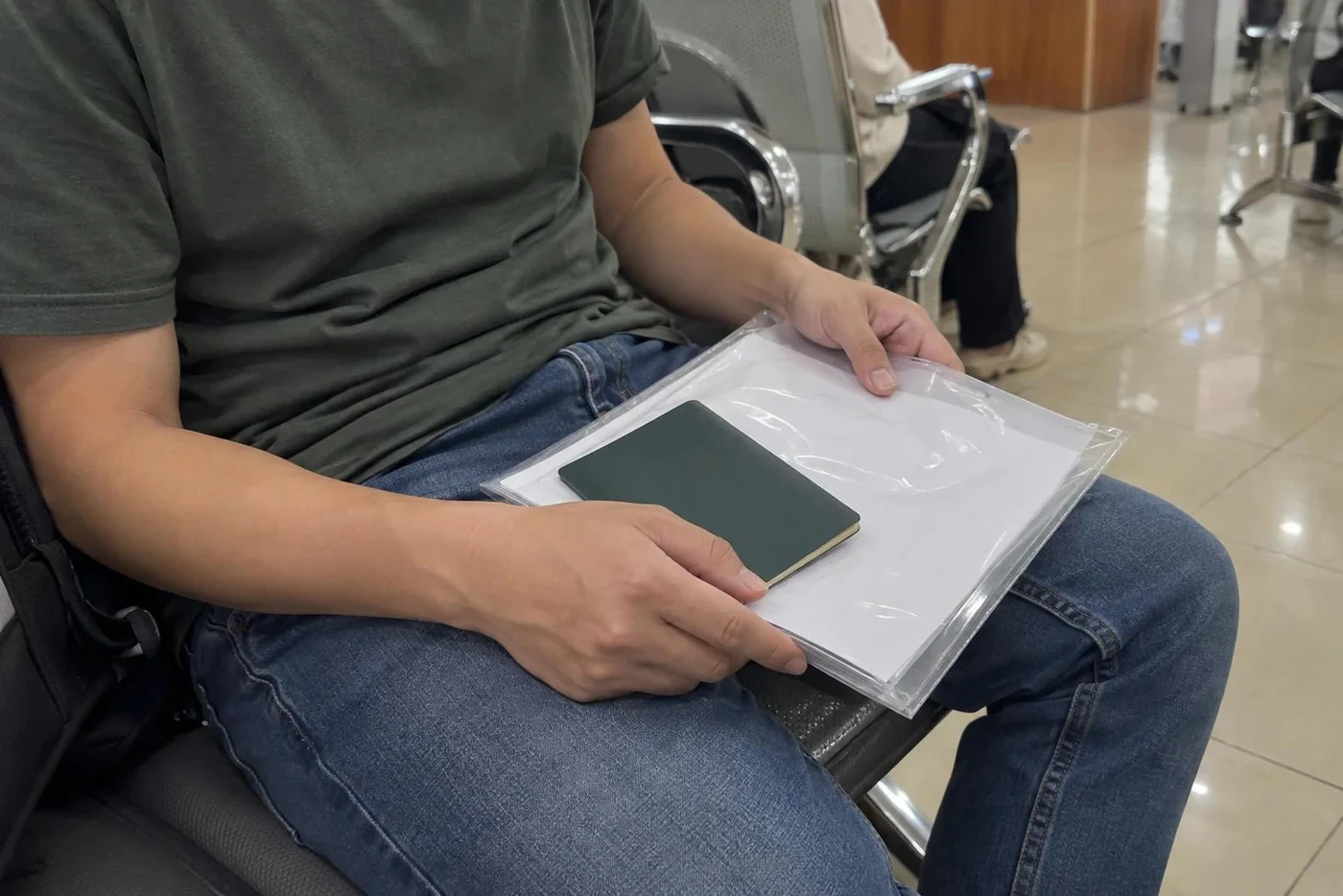
Bring the passport with at least six months of validity, the visa or residence card, and a printed e‑visa with its QR code if that is your visa. Then add proof of address and a local SIM card registered to your passport, because the bank sends one-time codes to that number.
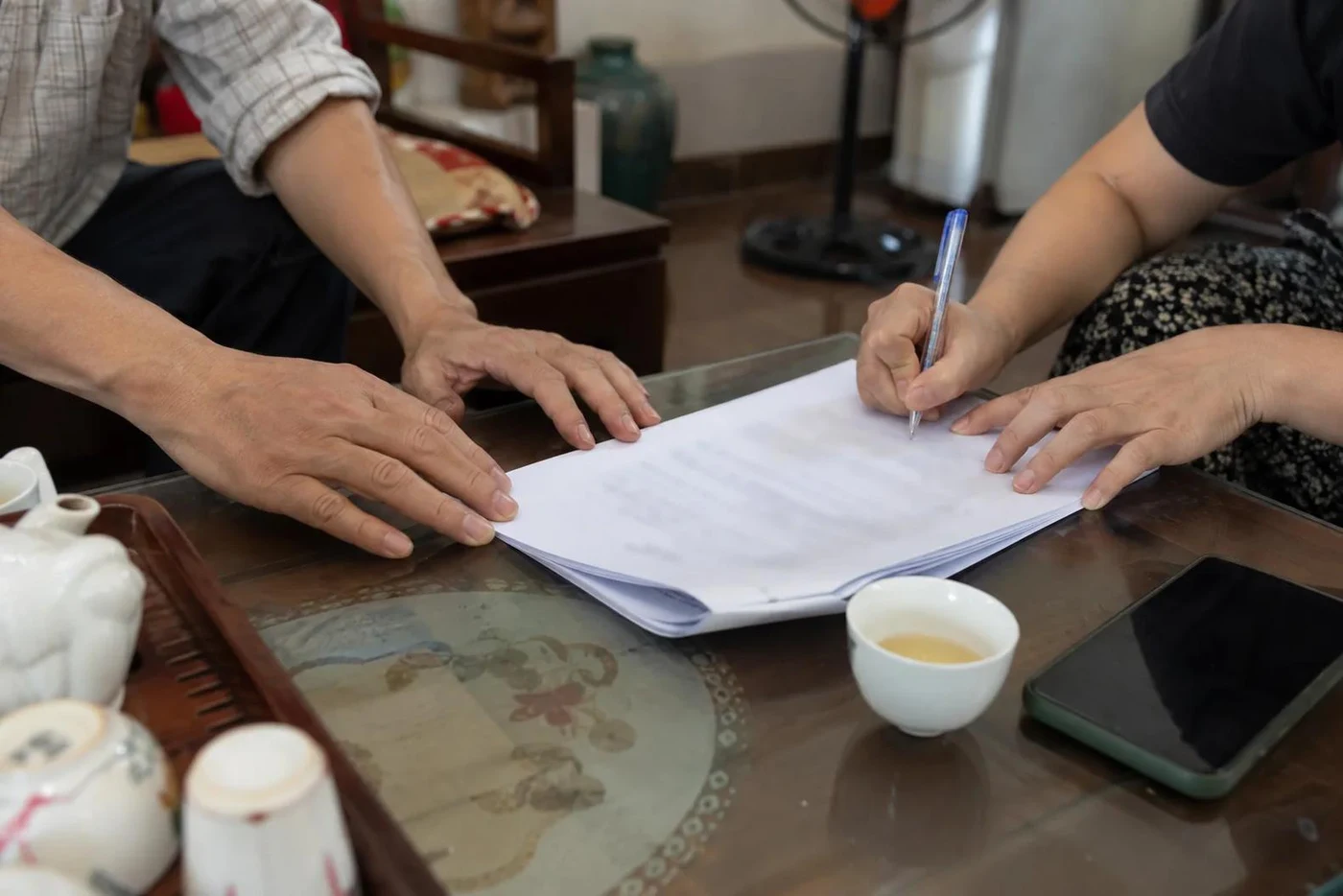
- Proof of address: a lease in your name, an electricity bill or a temporary registration from the landlord.
- A SIM bought at an operator office with your passport. At a street stall the registration often ends up under someone else’s ID.
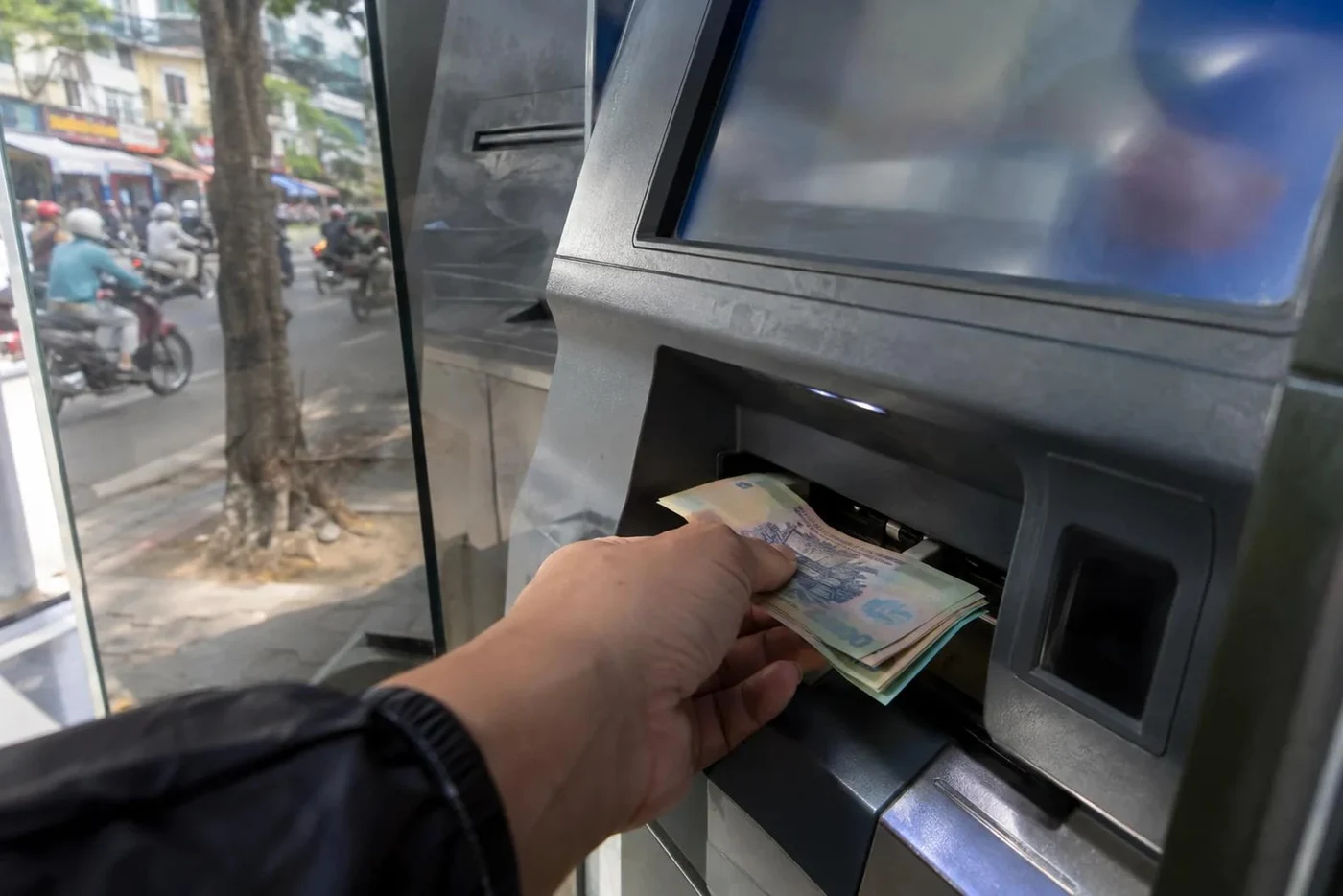
- A cash deposit, which banks publish in the range of about $2 (50,000 dong) at MB Bank, about $4 at TPBank and about $38 at Sacombank. Check the figure by phone, it changes.
A Booking.com reservation as an address works at some branches. A hostel or an Airbnb with no contract is the usual reason for a refusal. Between a booking printout and the landlord’s registration slip, I trust the slip, because a teller can wave a reservation away but has little to argue with on a stamped paper.
Which banks open an account on an e‑visa?
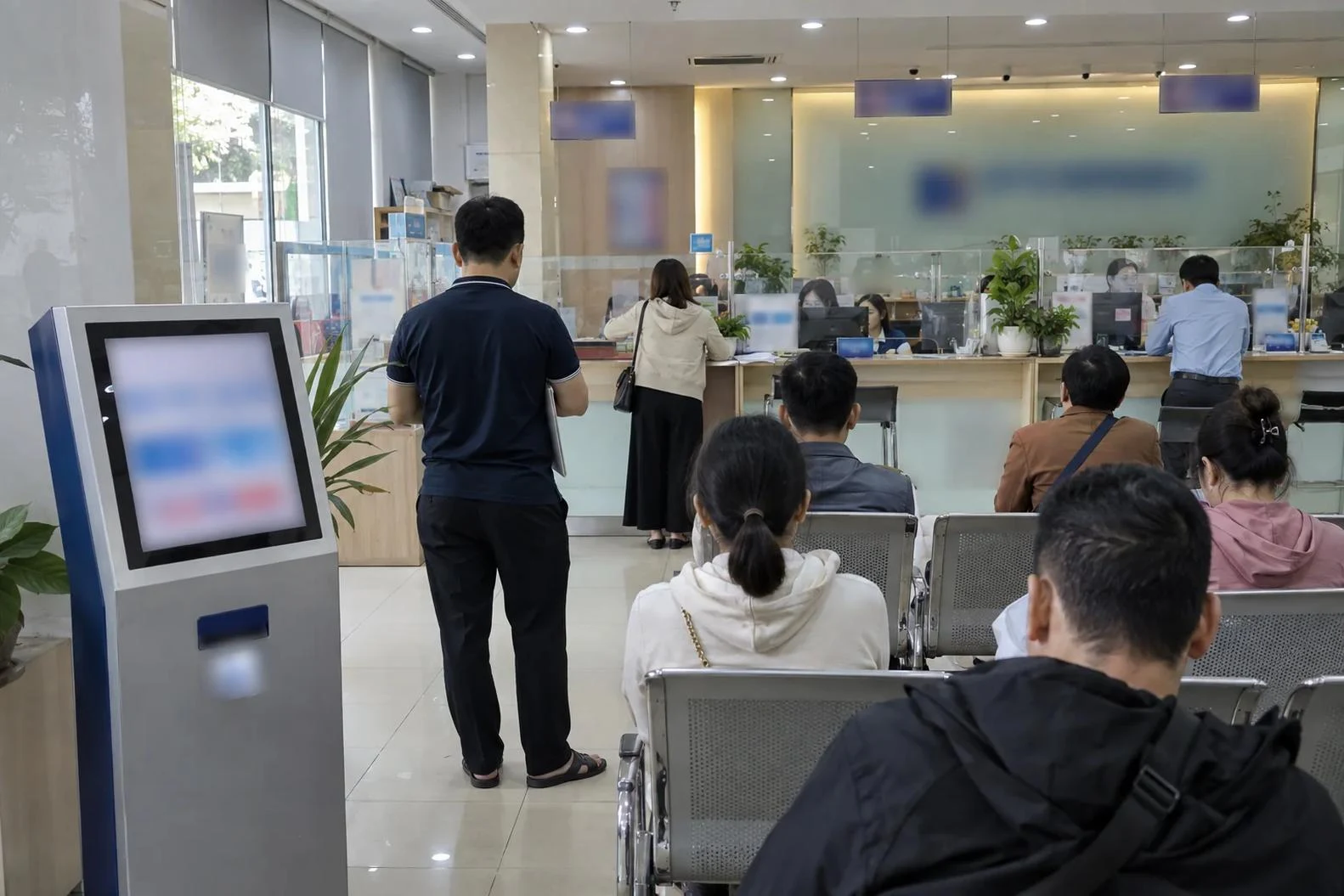
BIDV is the name I hear most often for e‑visa holders, and MB Bank and TPBank sometimes open an account in central branches of big cities. Vietcombank and Techcombank usually want a residence card or a work permit with a work visa. No bank publishes a rule, so treat all of this as reports from travelers with no guarantee behind them. My pick for a first attempt is a central BIDV branch: it is the name reported most often, and a refusal there costs you a single visit. I describe the BIDV route in my BIDV account guide.
The visa itself is the first place the plan can break. The portal at evisa.gov.vn declines many foreign cards when you pay the fee, and a wrong entry point means a new application, which costs days you wanted to spend on the bank. That is the point where people usually write to me. You can file the e‑visa yourself with patience. If you prefer not to chase the payment and the entry point, BestBus Vietnam files the application, pays the fee with a card the portal accepts and refiles for free with a refund if it is refused. Message me on WhatsApp with your arrival dates and I will say what fits before you book a branch appointment. See the 90-day e‑visa service for what is included.
Can you open an account without visiting a branch?
Not fully. Digital banks such as Cake by VPBank and Timo let foreigners start with a passport, but Timo’s own rules say a Visa debit card needs proof of 360 days of continuous residence. Without the card the account works like a larger wallet.
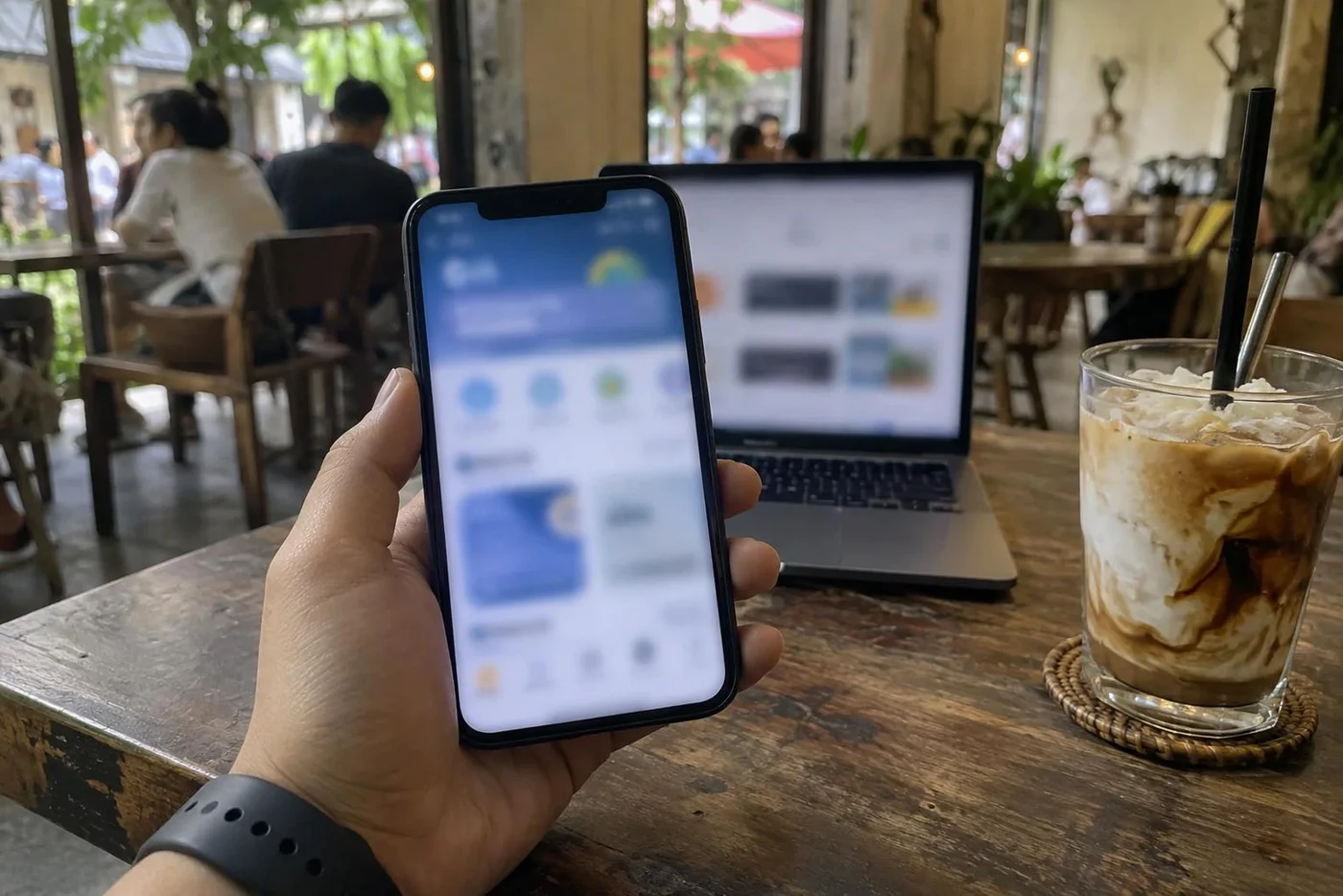
Wallets are the practical answer for a short stay. MoMo, ZaloPay and VNPay register with a passport and a Vietnamese number, handle QR payments in most cafes and shops, and take about ten minutes to set up. Foreign cards and bank transfers from Russia are a separate problem that I cover in the sanctions and transfers guide.
What if the branch refuses you?
One refusal does not close the door: stay polite, ask which document is missing, then go to another branch the next morning, preferably a central one with staff who speak English. Phrases like “wait seven days” are usually a soft no.
Never offer to speed things up with money. Banks monitor it and it ends the conversation. The common causes are simple: no residence card, no lease, a SIM registered to someone else, or a cash deposit larger than the ATM will give you in one go.
Which option fits your stay?
Up to two weeks: cash and a wallet, no account. Around three months: an e‑visa plus one try at BIDV, MB Bank or TPBank, with a wallet as the fallback if all three say no. A year or more: get the legal basis first, then open the account at Vietcombank or BIDV.
The residence card is the long-term key. The state fee is $145 to $165 according to the Ministry of Public Security service portal, and the card requires a legal basis such as a work permit, an investment or a Vietnamese spouse.
You can do the portal and the branch rounds yourself, and plenty of people do. If you would rather not spend a week on forms and dates before the bank even opens, tell me your dates on WhatsApp, tell me your dates and how long you stay, and I will work out the plan with you.
Frequently asked questions
Can a non-resident hold a US dollar account in Vietnam?
Some banks offer foreign-currency accounts to foreigners, usually with a minimum around $100, but shops and cafes take only dong. Dollars are useful for receiving fees from abroad and moving them out, not for daily spending. Ask the branch for the current minimum.
How long until the card arrives?
The branch prints the account number the same day, and the card usually follows within one to two weeks, either at the branch or by delivery depending on the bank. Plan the first weeks around cash and a wallet app.
Does a hotel booking count as proof of address?
Some branches accept it, many do not. A lease or a temporary residence registration from your landlord is the safer paper, so ask the landlord for it when you sign.
Can my Vietnamese spouse open the account for me?
A spouse can open an account in their own name in about half an hour, and some couples then share access. Legally that money belongs to the spouse, so settle trust and taxes before you rely on it.