The overnight sleeper bus from Hanoi to Da Nang covers 770 km in 16-18 hours for 550,000-1,200,000 VND ($22-48), and you spend the entire trip lying in a curtained two-tier bunk instead of sitting in a seat. I’ve ridden it solo more than once, and the parts nobody warns you about all happen after dark: what boarding actually looks like, whether it’s safe to sleep alone among strangers, and what to do when you land in Da Nang before the city’s properly awake.
How Does Boarding Actually Work at Night?
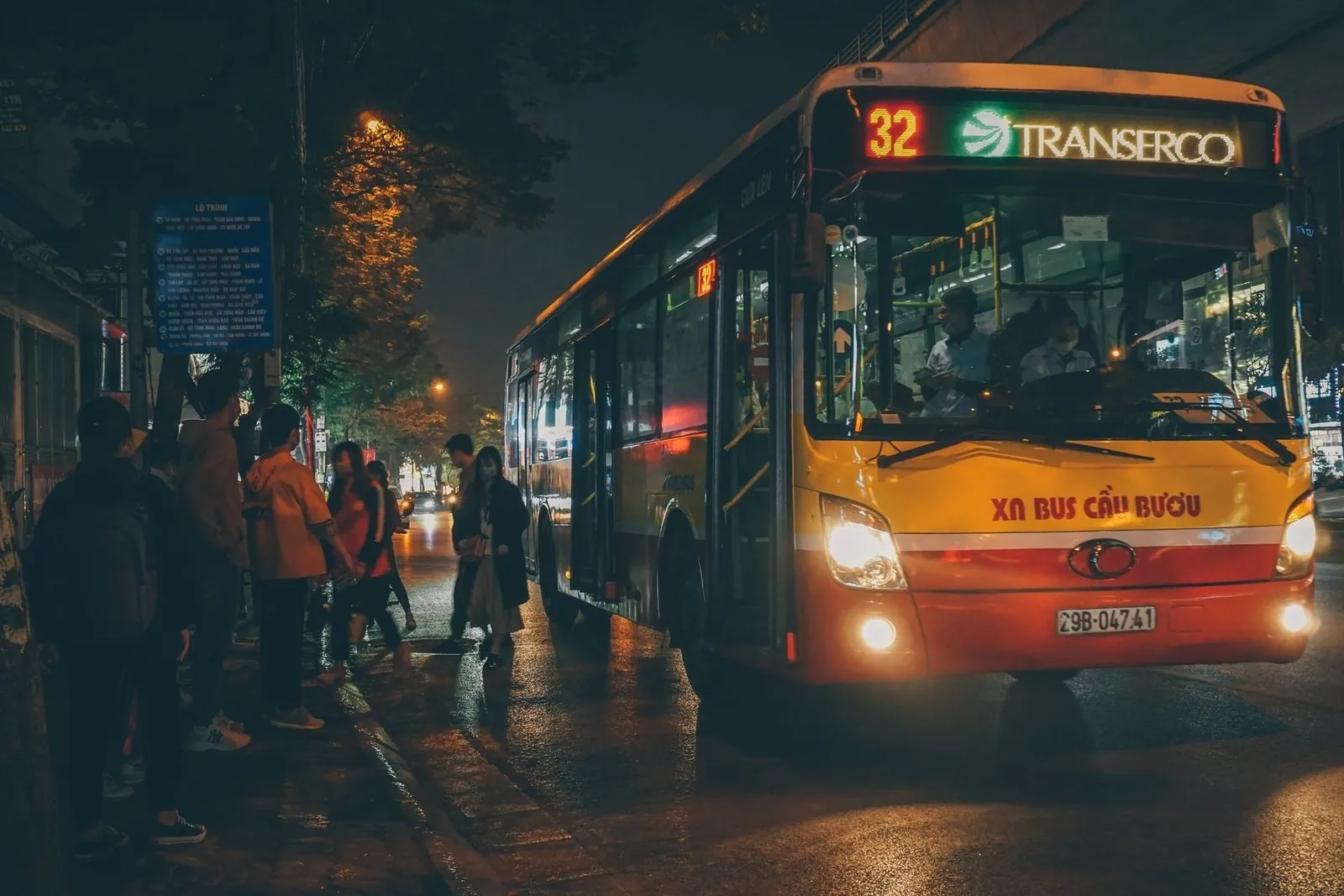
You board between 4:30 and 8 PM, hand over your shoes at the door, and get a plastic bag to carry them in - everyone travels in socks inside the cabin. Your suitcase goes into the luggage hold underneath, tagged with a sticker; only a small backpack comes with you onto the bunk, since there are no overhead racks.
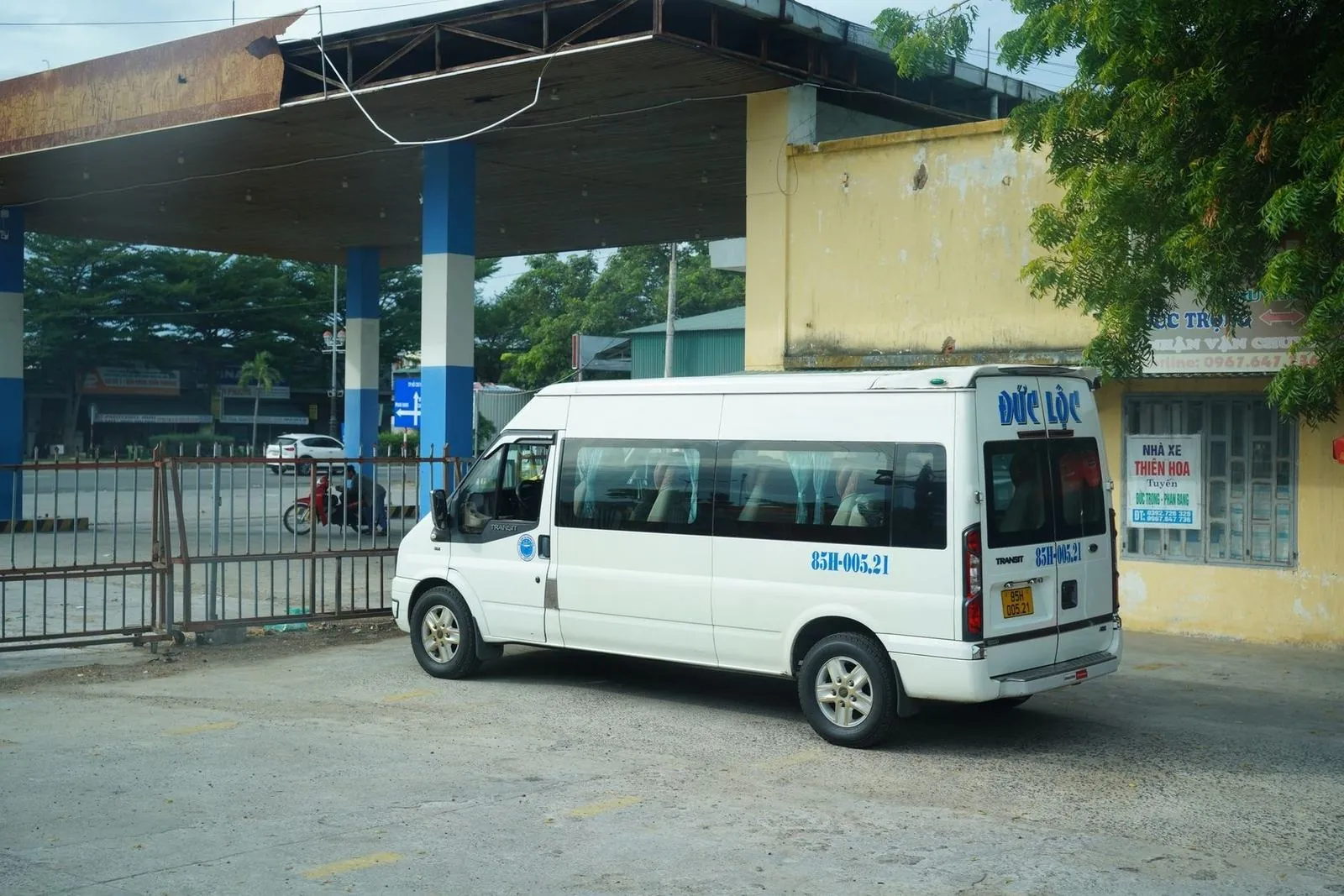
Buses out of Hanoi leave from three stations - Nước Ngầm (about 70% of departures), Giáp Bát, and Mỹ Đình - and boarding is called just 15 minutes before departure. I show up with time to spare, because the bus leaves on the timer, not on stragglers.
Is It Safe to Sleep Alone on a Vietnamese Sleeper Bus?
Solo female and male travelers ride this route constantly, and the real risk isn’t people, it’s your own stuff going missing from an unzipped bag while you’re asleep. I keep my passport, phone, and cash in a small pouch tucked under the blanket, never in the suitcase underneath the bus, since you can’t reach that compartment once you’re moving.

The cabin stays lit enough at rest stops that you can see who’s getting on and off, and drivers check tickets at boarding, so the bus isn’t full of randoms wandering in mid-route. The bigger annoyance is a driver leaning on the horn through mountain switchbacks or blasting music to stay awake - pack earplugs and an eye mask like they’re part of the ticket price.
What’s the Cabin Actually Like After Midnight?
The air conditioning runs on full blast all night, and by 2 AM it’s genuinely cold even in Vietnam’s climate - the blanket they hand out is thin, so I bring a light hoodie. The worst seats are the middle row on the upper deck, hit by four vents at once (two of your own, two from your neighbors), and those spots also have a self-tightening seatbelt that grabs every time you shift position.
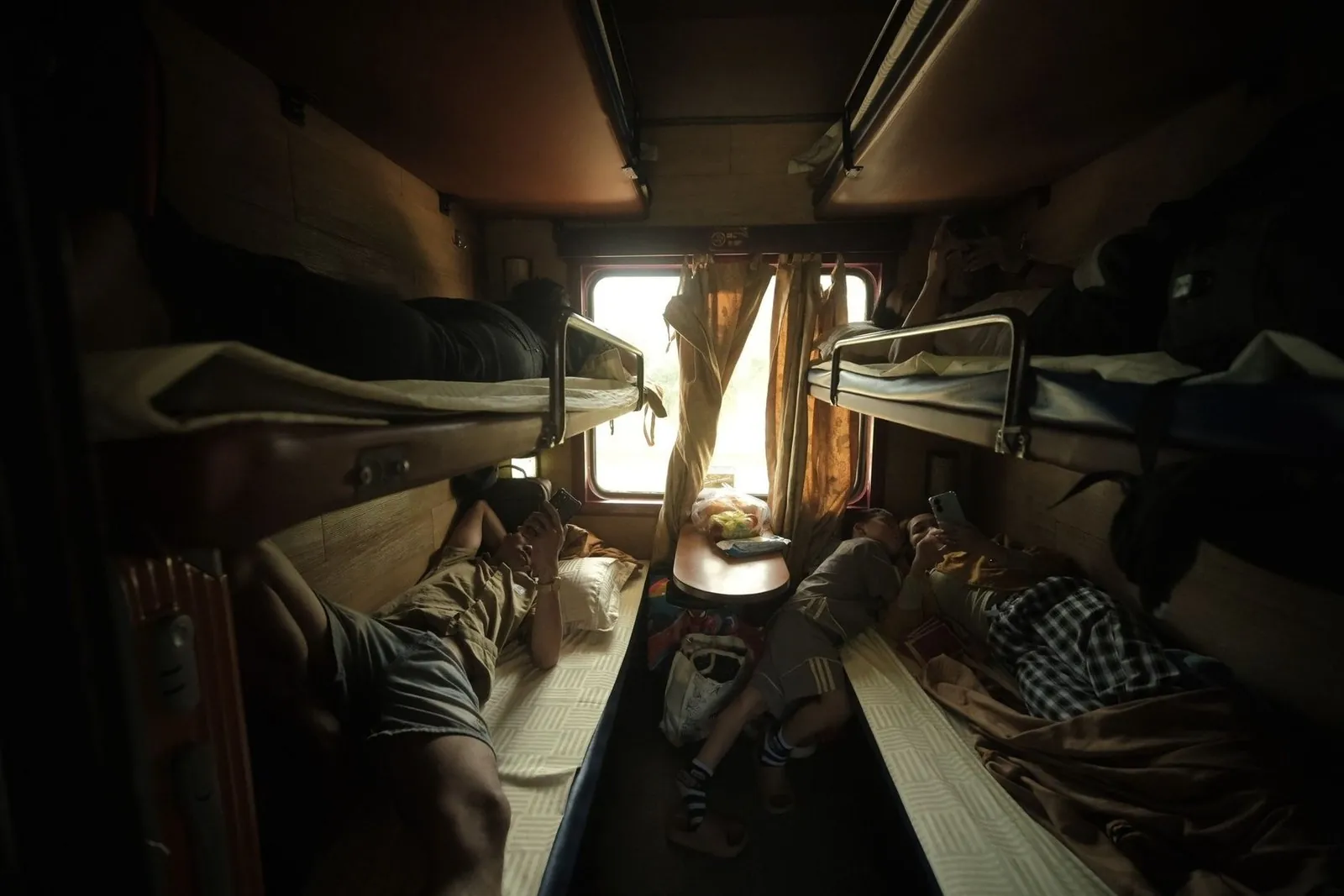
Bunks aren’t fully flat - they curve slightly, and your lower legs sit in a raised footwell. If you’re over 6 feet, book a rear-row bunk where there’s no footwell wall and you can stretch your legs into the aisle; the tradeoff is sitting closer to the onboard toilet.
What Happens at the Rest Stops in the Dark?
The bus stops two to three times over the 16-18 hours, for 10-15 minutes each, usually at roadside cafes around Vinh and on the mountain passes before Huế. I take my phone and passport with me every time I step off - the bus leaves on schedule, not on a headcount, and nobody’s checking who made it back on.

Cell signal drops out through the mountain switchbacks, so I download an offline map with the Da Nang terminal pinned before I leave Hanoi. It’s the only way to gauge how much longer you’ve got left when the signal bar disappears for an hour at a time.
How Do You Pick a Seat Without Getting Burned?
Tickets book easiest through Vexere or 12Go - card payment, e-ticket, occasional 5-10% discount codes - or in cash at the Nước Ngầm counter if you’re not online yet. A regular sleeper runs 550,000-650,000 VND; a VIP cabin with a curtain and its own power outlet runs 850,000-1,200,000 VND. If you want the full breakdown of operators, departure stations and where the bus finally drops you, I laid it all out in the Hanoi to Da Nang bus guide.
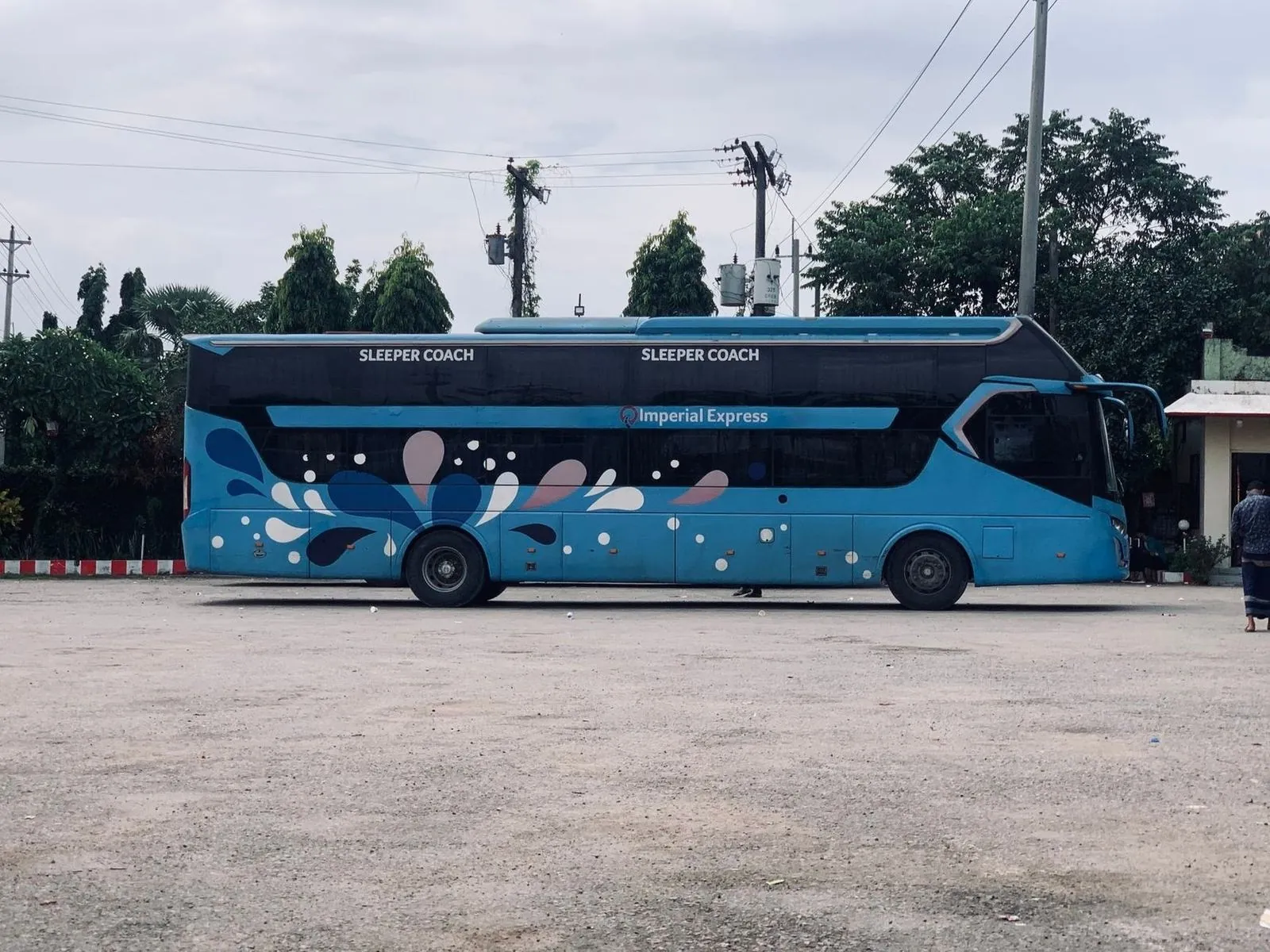
This is where most first-timers get burned - you book blind and land in the middle row under four vents, or right next to the toilet. If sorting the seat and pickup point yourself sounds like a hassle, that’s literally what I do for people who message me - reach out on Telegram @learnx1000 and I’ll match the bunk to your height and your bags before you pay for anything.
What Do You Do in Da Nang Before Sunrise?
The bus lands at Bến xe Trung tâm (201 Tôn Đức Thắng), usually somewhere between 7 and 10 AM - the city is only just waking up, and hotel check-in almost never opens before noon. The station sits 8-10 km from My Khê beach, and a Grab or Be ride there runs 80,000-120,000 VND, about 20 minutes.
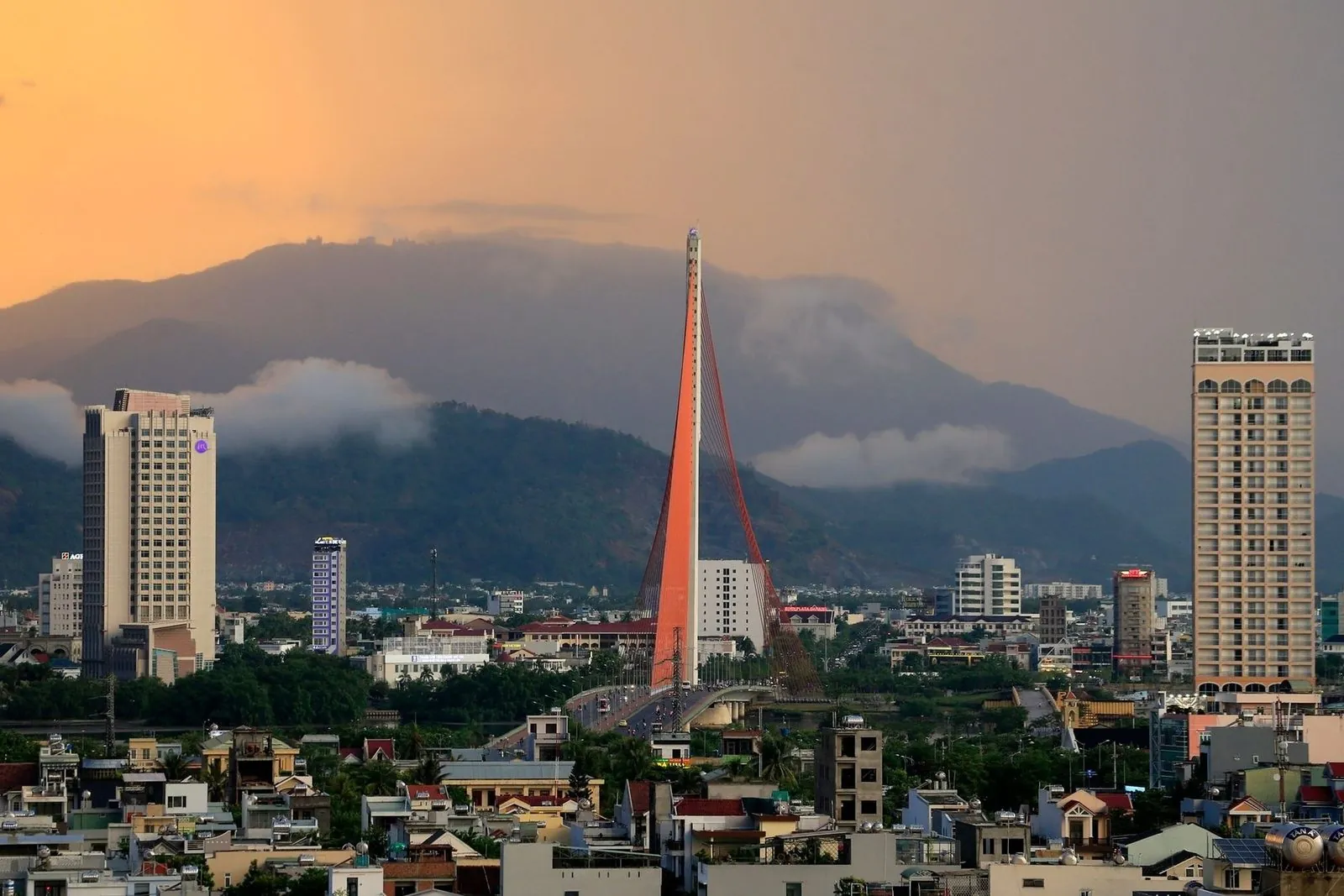
I take a taxi straight away rather than saving money on a local bus - an extra hour of sleep in a hotel lobby or a cafe by the beach is worth more than the 60,000 VND you’d save walking it out. If Da Nang is just a hub for you, the city plugs into the rest of the region — here are the main bus routes across Central Vietnam for Huế, Hội An and beyond.
If you’d rather have someone double-check the schedule, the station, or the seat before you book, find the details at danangvisarun.com, message me directly on Telegram @learnx1000. Tell me your dates and I’ll tell you which bunk to book.