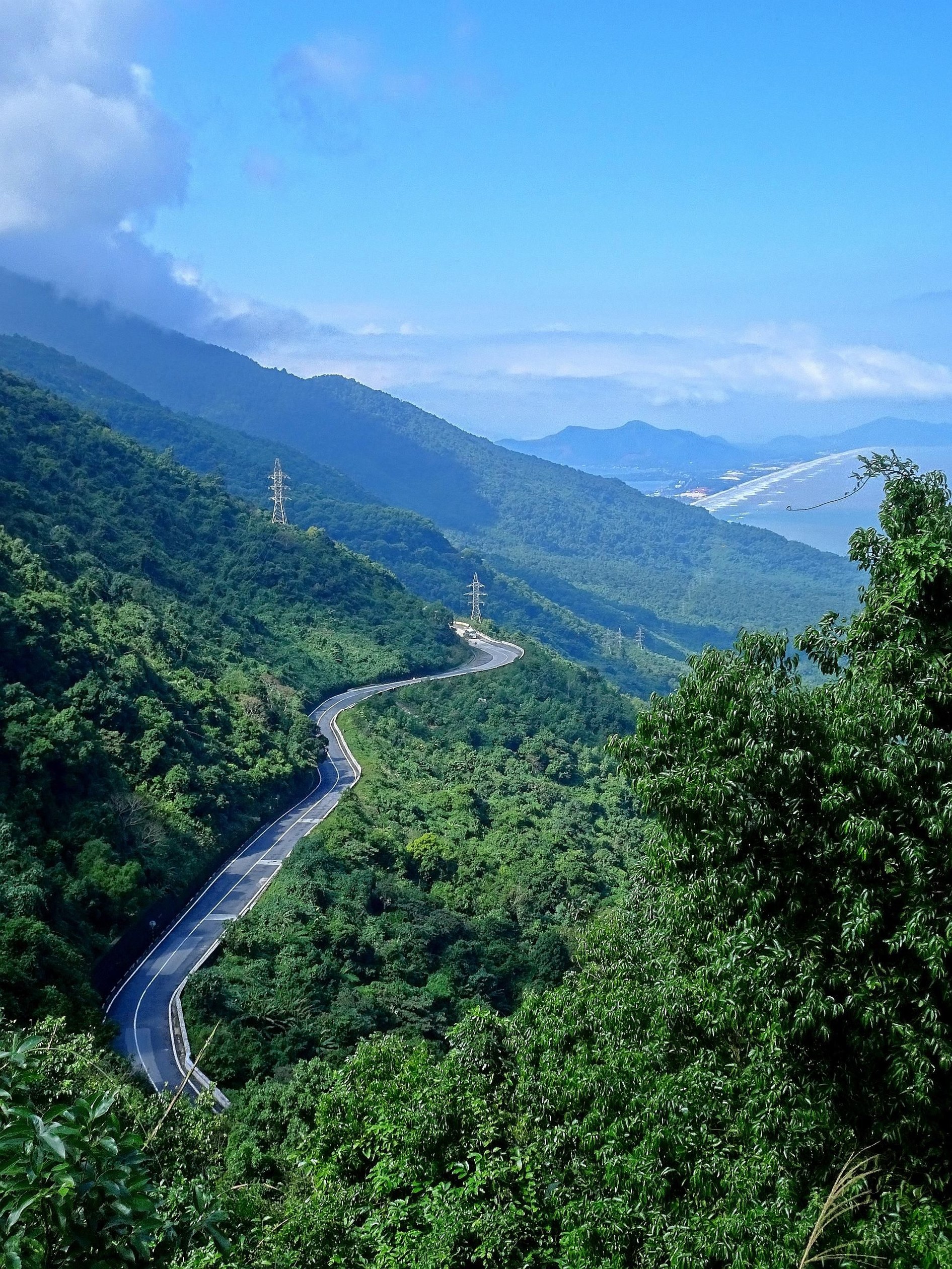
Nam Giang International Border Gate is 150 km from Da Nang — the closest land border to Laos from the city, and 100 km closer than Lao Bao. On a map it looks like the obvious choice for a Da Nang visa run. On the ground it usually isn’t, and the reason is the road.
Updated 10 September 2026. An earlier version of this article described QL14D as scenic with “no traffic” and named the Lao side of the crossing incorrectly. A reader who drove the whole route back from Laos told us how wrong that was, and she was right. This is the corrected version.
What the road to Nam Giang is actually like
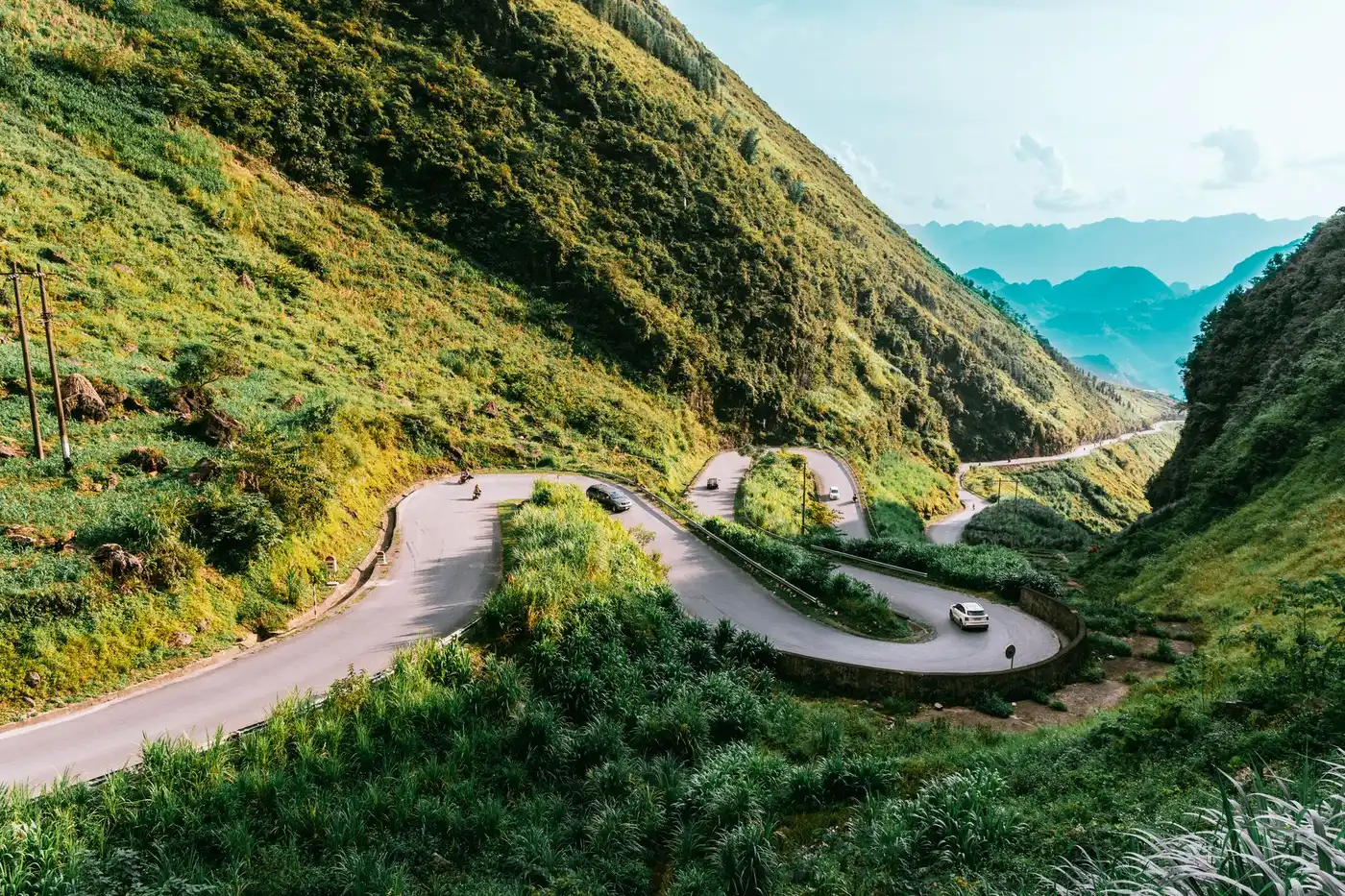
The route west from Da Nang runs onto QL14D through the Truong Son range. Long stretches of it have no asphalt left — deep potholes, mud after rain, loose rock. It is also a working freight corridor between central Vietnam and southern Laos, so you are sharing a narrow, broken mountain road with a near-constant stream of heavy trucks, including on blind curves where getting past one takes patience and space you often don’t have.
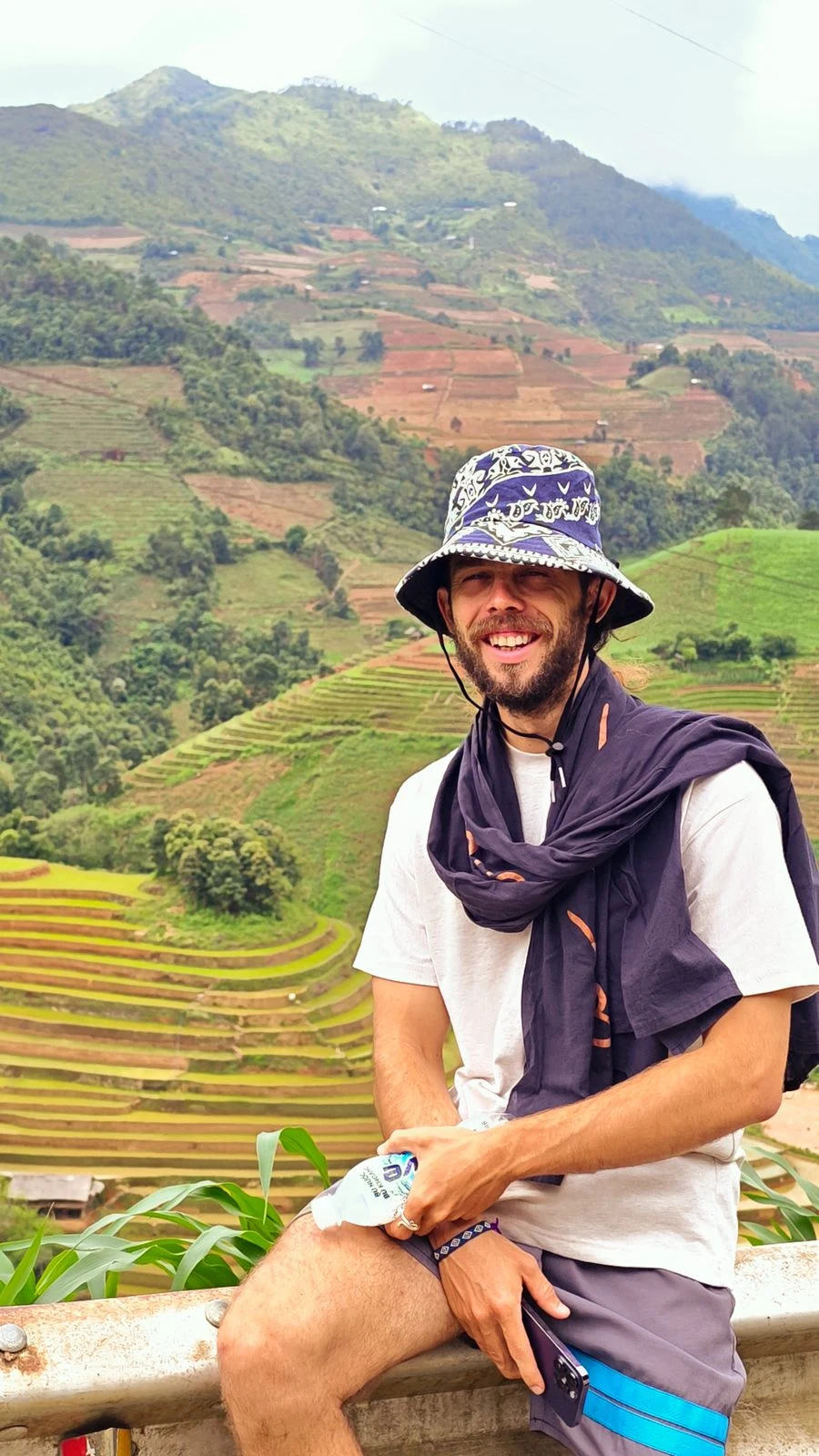
That is the honest picture. Four to four and a half hours each way is the optimistic version of it, and it assumes nothing goes wrong. On a motorbike this is an enduro run for people who want exactly that kind of day. In a car it is slow, loud and tiring in both directions.
We do not run visa runs through Nam Giang, and this road is the reason. For a full comparison of the alternatives, see this overview of visa run routes from Da Nang.
Can you use a Vietnam e-visa at Nam Giang?
Don’t plan on it.
Nam Giang does appear on the expanded checkpoint list — Government Resolution 389/NQ-CP of 2 December 2025 took the e-visa list from 42 to 83 international checkpoints, as published on the official government portal, and Nam Giang is on it. On paper, it’s an e-visa gate.
In practice it is a small cargo post that sees almost no foreign tourists, and we don’t send anyone there on an e-visa. If you arrive to activate an e-visa, or you plan to exit and re-enter on a fresh one, you are betting an entire day — and 150 km of QL14D in each direction — on a booth that rarely processes that paperwork. A refusal leaves you a long way from Da Nang on a road nobody wants to drive twice.
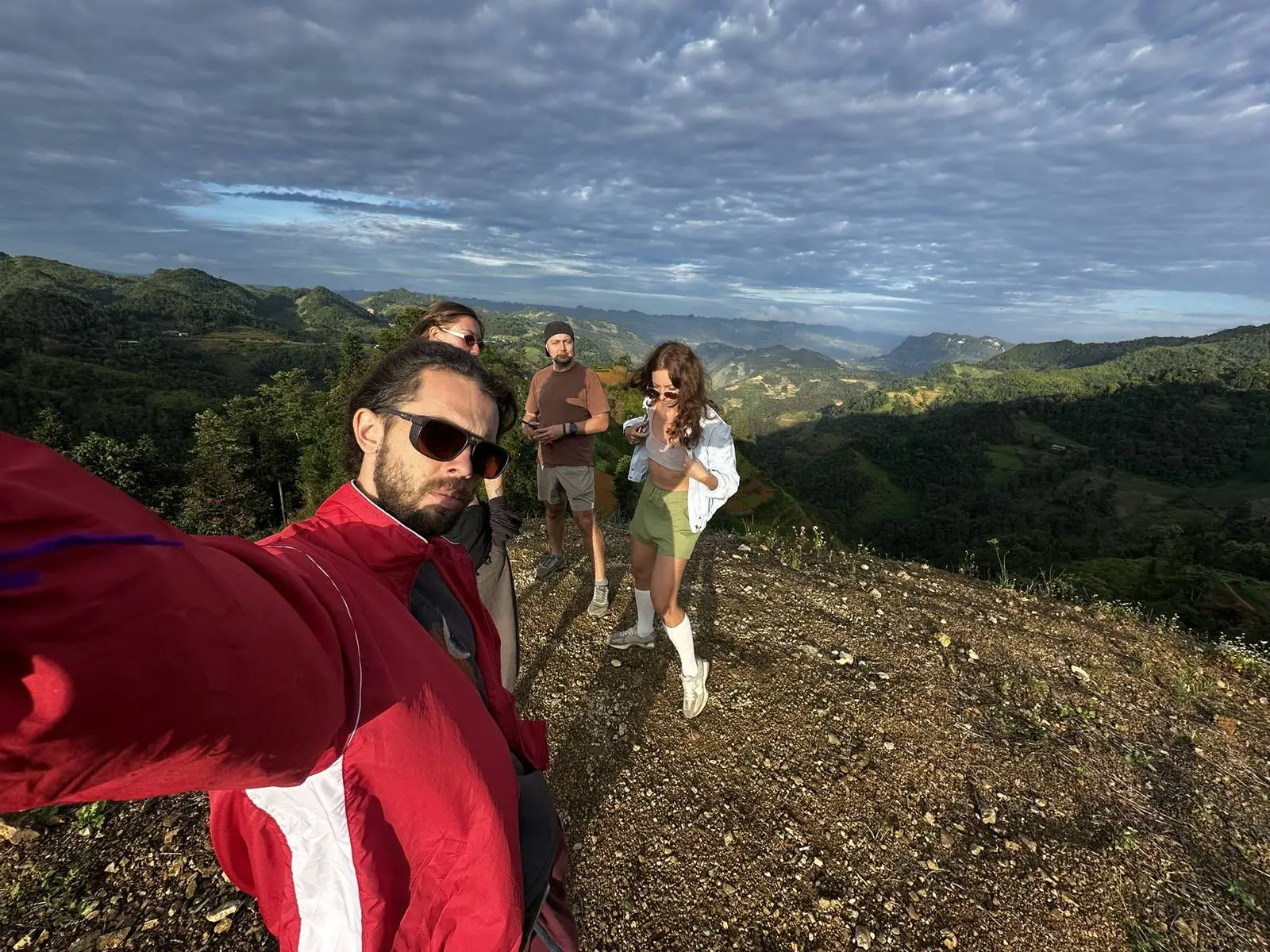
There is one case where Nam Giang makes sense: you are in Vietnam visa-free, you need an exit and a fresh entry stamp, and you actively want the mountain trip. Anything involving an e-visa — getting one, activating one, resetting on one — belongs at Lao Bao. Single-entry e-visa costs $25, multiple-entry $50 at evisa.gov.vn, and where you activate it matters more than what you paid for it.
What is on the Lao side: Dak Ta Ooc, not Dansavanh
The Lao counterpart of Nam Giang is Dak Ta Ooc (also written Dakta Ok or Dak Ta Ock), in Dakcheung district, Sekong province. The two gates were jointly upgraded to international status in August 2021.
Dansavanh, which older guides — including an earlier version of this page — sometimes attach to Nam Giang, is a different crossing entirely: it is the Lao side of Lao Bao, in Savannakhet province, 250 km north of here. If a route description pairs Nam Giang with Dansavanh, whoever wrote it has not been to either.
Most nationalities buy a short-stay entry stamp on arrival at Dak Ta Ooc, roughly $30–50 depending on passport; Russian citizens enter Laos visa-free. It is cash only, USD or Thai baht, and there is no ATM. Neither side has restaurants or shops worth counting on — bring food and water from Da Nang.
What does a Nam Giang visa run cost?
If you still want to go, the day runs roughly $53–68 per person before any Laos visa fee:
- E-visa: $25 (single-entry, evisa.gov.vn) — but see the section above before you plan to use one here
- Transport: $25–35 per person for a private transfer, split between 2–3 people, if you find a driver willing to take QL14D
- Border fees: $3–5 cash on the Vietnamese side (approximately 20,000–50,000 VND)
There are no card terminals anywhere in this chain. Bring Vietnamese dong or USD in cash.
The saved 100 km is real, but it is not free: you pay for it in road surface, truck traffic and the risk of a wasted day at the gate. For a breakdown of what each crossing costs, see this visa run cost comparison for 2026.
Nam Giang or Lao Bao: which should you choose?
For almost everyone leaving from Da Nang, Lao Bao. It is 100 km further, but on real highway, with an established crossing on both sides, cafes, exchange, and immigration staff who process foreign paperwork all day long. The extra hour on the road buys back a day that actually goes to plan.
Nam Giang is worth it in one situation: you are visa-free, you have an enduro bike, and the broken road is the point of the trip rather than the price of it.
If the visa run itself is what you need and not the adventure, we do the Da Nang route with proper transport and the paperwork handled — you sleep on the way there and come back the same day. Write to us and we’ll tell you which border fits your passport and your current status before you book anything: our Da Nang visa-run service, or straight to Telegram @learnx1000.
Frequently asked questions
What is the road to Nam Giang (QL14D) actually like?
Rough. Long sections have no asphalt left at all — potholes, mud, loose rock — and it is a working cargo corridor, so you share it with a near-constant stream of heavy trucks on narrow curves. It is not a quiet scenic mountain drive. On a motorbike it is an enduro trip, not a commute.
Do I need a Laos visa at Nam Giang, and what is the crossing called on the Lao side?
The Lao side is Dak Ta Ooc (Dakta Ok, Dakcheung district, Sekong province) — not Dansavanh, which is the Lao side of Lao Bao, 250 km further north. Most nationalities buy a short-stay entry stamp on arrival for roughly $30–50; Russian passport holders enter Laos visa-free. Cash only, USD or Thai baht — there is no ATM at the post.
Can I use a Vietnam e-visa at Nam Giang?
Don’t plan on it. Nam Giang is on the checkpoint list added by Resolution 389/NQ-CP in December 2025, but in practice this is a small cargo post that handles almost no foreign tourists, and we do not send anyone through it on an e-visa. Nam Giang is for people entering Vietnam visa-free who only need an exit and a fresh entry stamp. If an e-visa is involved — getting one, activating one, resetting on one — use Lao Bao.
Can I do the Nam Giang visa run alone, without a driver or tour?
There is no scheduled public transport from Da Nang to Nam Giang, and no tour operator runs the route on a regular basis. That leaves a private driver willing to take QL14D, or your own motorbike with the skills for broken road and truck traffic. Most people who look at the road end up going to Lao Bao instead.