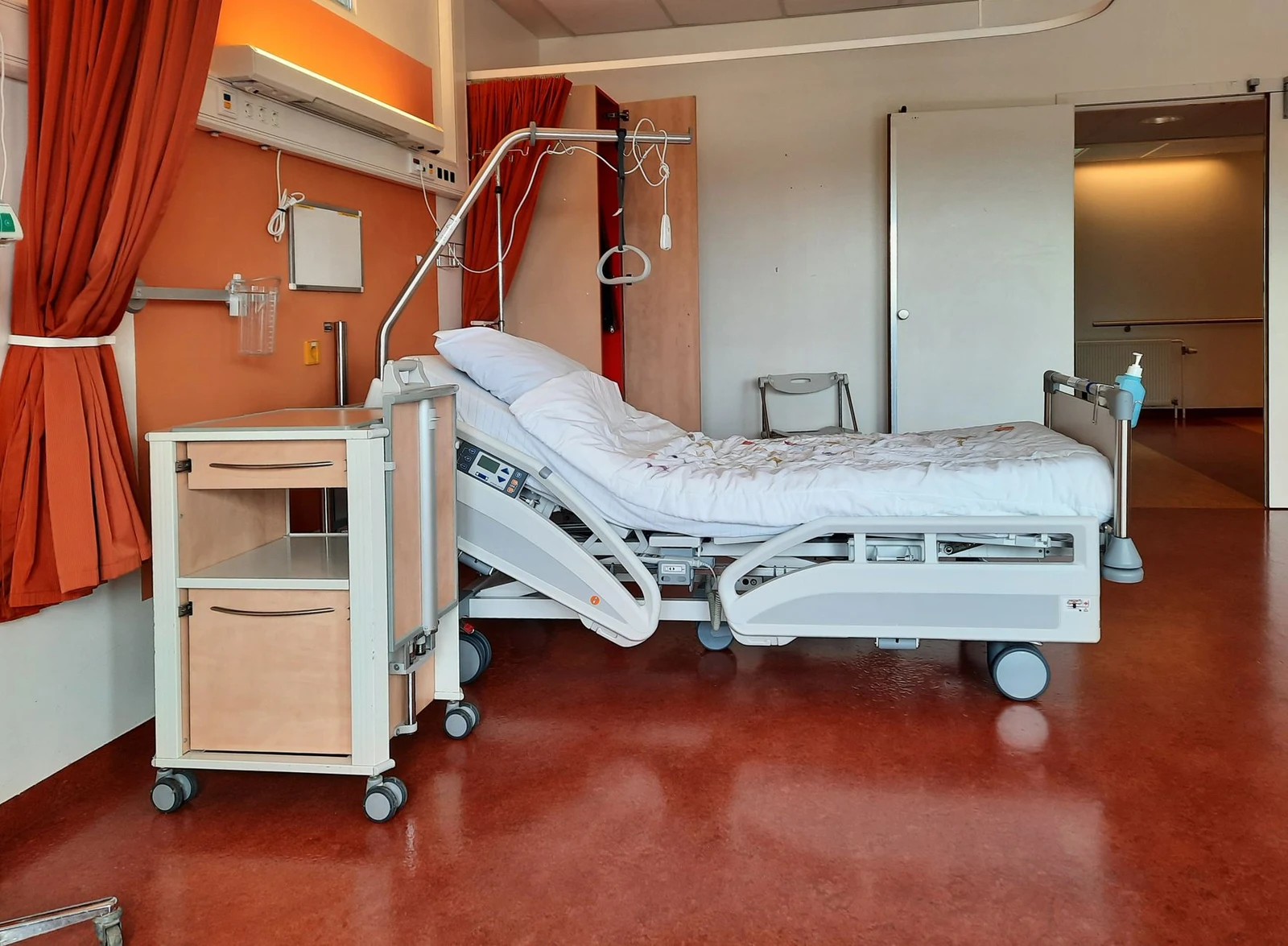
An MRI of the spine or brain at a private clinic in Vietnam typically costs 2 to 3 million VND, roughly €74 to €111. A sinus CT in Da Nang cost about 1.3 million VND, around €48, according to one expat’s published cost notes.
I get these questions from foreigners in Da Nang every week. Read those figures as a starting range, not a tariff. This guide sticks to sourced numbers and shows how to avoid paying more than you need to.
How much does an MRI cost in Vietnam?
At a private clinic, a spine or brain MRI lands between 2 and 3 million VND, according to a cost breakdown by a Hoi An expat. Many people on long stays plan non-urgent imaging here for exactly this reason: the same scan without insurance costs far more in most Western countries.
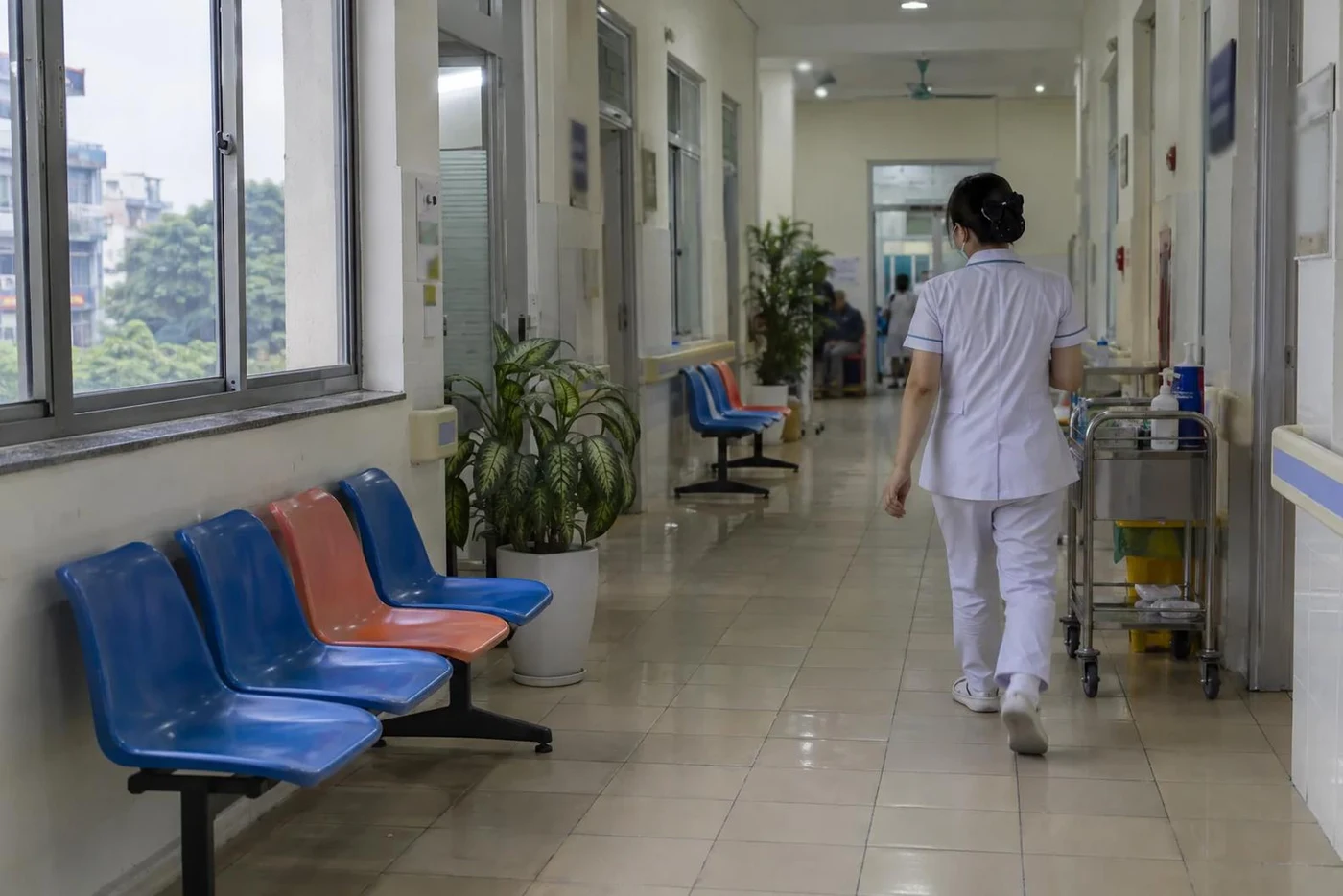
The range is wide because the price depends on the body part, on whether a contrast agent is used, and on the hospital. A scan with contrast is normally priced above a plain one, so ask the cashier for both figures. A high-end hospital in Ho Chi Minh City will not quote the same number as a clinic in Da Nang.
How much does a CT scan cost?
The one confirmed example is a sinus CT in Da Nang at about 1.3 million VND. CT is quicker than MRI and usually sits lower on a price list, but a chest or abdomen CT covers more area and can cost more, so do not assume the sinus price applies to every body part.
Ask the doctor why they chose one scan over the other. CT and MRI answer different questions, and a cheaper scan that does not answer yours is a wasted fee.
What do an X-ray and an ultrasound cost for comparison?
The same source lists a simple X-ray at 250,000 to 350,000 VND (about €9 to €12), done on site with the film or a digital file in your hand the same day. An abdominal or pelvic ultrasound costs 400,000 to 700,000 VND, and a Doppler or more advanced ultrasound rarely passes 1 million VND.
That is the price ladder: X-ray cheap, ultrasound a step up, CT and MRI the expensive end. If the doctor can start with an ultrasound, the first bill may stay under one million.
Why do foreigners pay more?
Many private hospitals keep two lines, one for local patients and one for foreigners or the international clinic. The author’s example is a consultation: 300,000 VND on the local side against 500,000 to 700,000 VND on the international side. For the difference you get an English-speaking doctor and a neat report, but you are rarely told another option exists.
Scan prices may be split the same way, so ask upfront: “Can I use the local pricing?” Sometimes the answer is yes. Asking is not rude here.
What about waiting times and booking?
Hospitals do not publish MRI or CT waiting times, so plan for a slot you cannot predict. The same source reports under 15 minutes of waiting for a doctor in Da Nang, and says you register and pay at reception before you see anyone.
Scans come after a consultation, and a busy hospital can fill its machines at peak hours. Ask at registration for the earliest slot and whether mornings are free. If your flight is close, say so on day one.
What if the treatment eats into your visa days?
A scan and the follow-up consultations take days, and the date on your visa does not pause in a hospital queue. If you are short on days, sort the extension out before the appointment, not after it. My guide to visa extension services explains the routes.
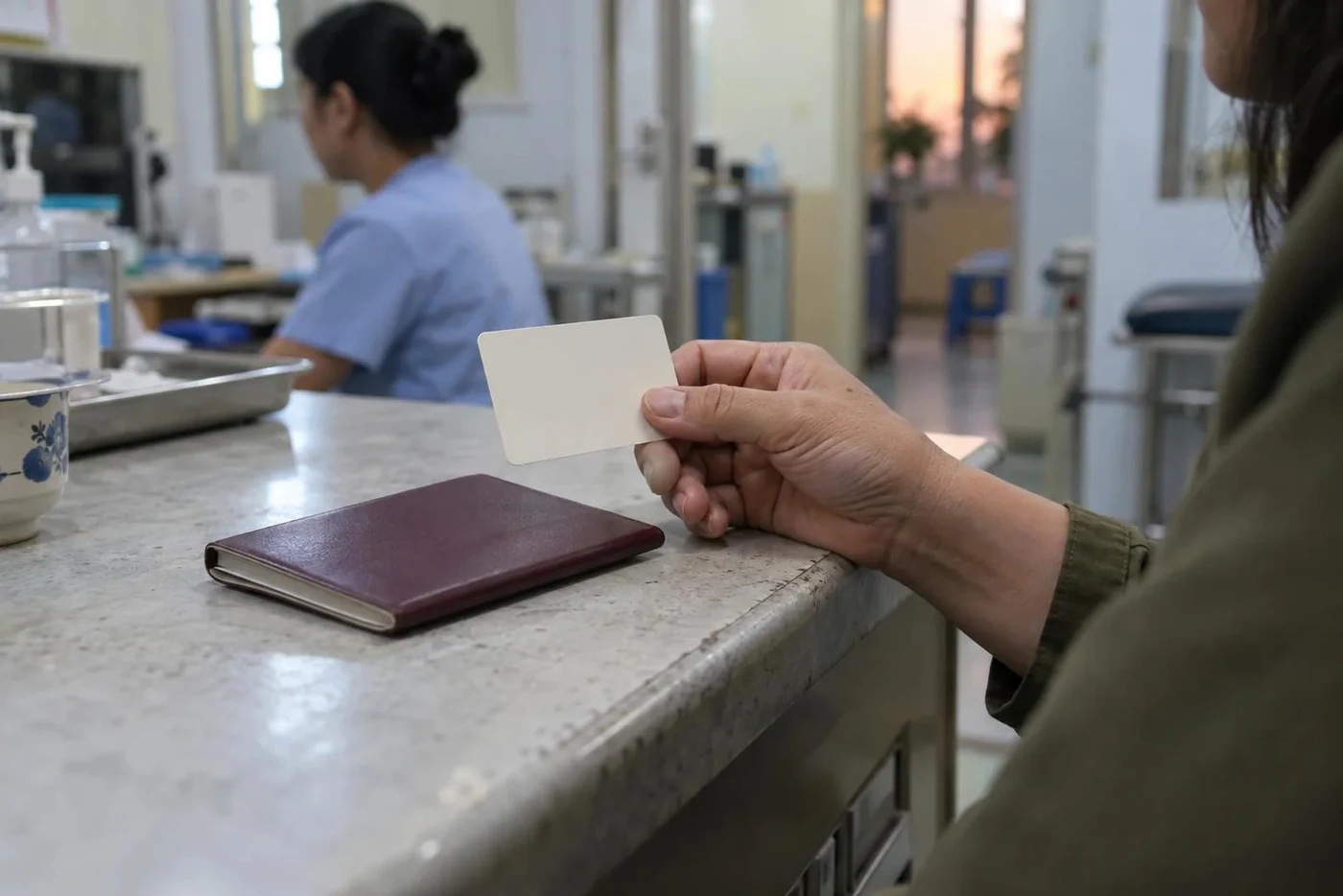
This is the point where people usually message me. At BestBus Vietnam I arrange visa extensions, so the immigration side does not wait for your test results. Send me your visa end date on WhatsApp and I will tell you how many days you have left to fix it.
How do you pay and what should you ask first?
Private hospitals expect payment before treatment, and the consultation fee is separate from the scan. According to the same breakdown, an emergency room admission alone costs 500,000 to 1.8 million VND just to be seen, before any test.
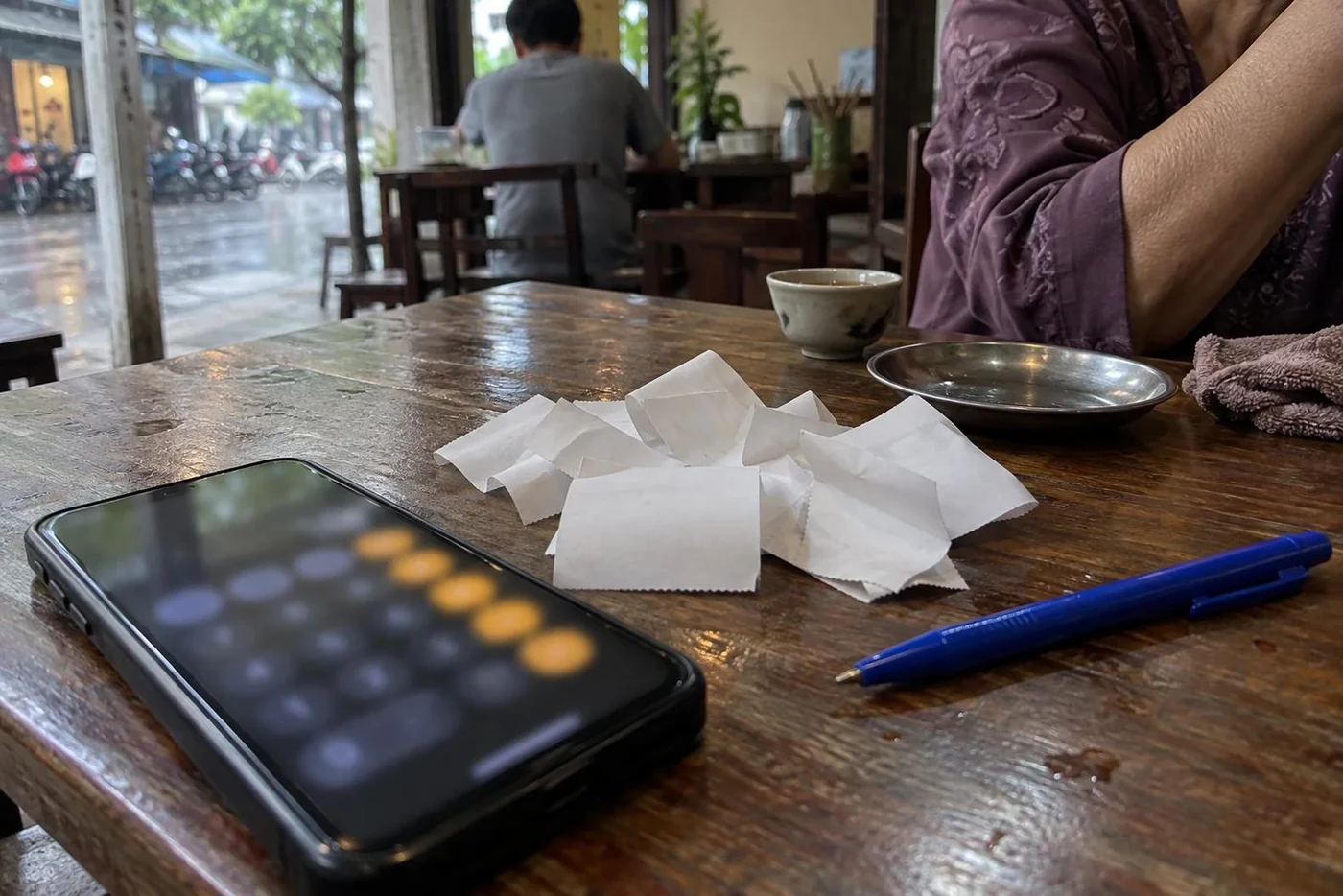
Before you lie down in the scanner, get these four things:
- A written quote for the exact scan, with and without contrast.
- The consultation fee, shown separately.
- The report language and whether you receive the images as a digital file.
- An itemised invoice in your passport name, if you plan to claim from an insurer.
For the payment side in detail, read my guide to how a hospital bill works for foreigners.
Is a single scan or a check-up package cheaper?
The same author lists a basic health screening (consultation, blood and urine test) at about 1.2 to 2 million VND. Packages that add an ECG, ultrasound, a CT scan and several specialist consultations run 3 to 5 million VND, and premium packages reach 12 to 14 million VND.

If you need a general check-up anyway, a package with a CT inside can cost less than buying each item separately. If you need one targeted MRI, a package is the wrong tool. City International Hospital in Ho Chi Minh City lists its packages online but shows no prices on that page, so expect to call or ask at reception.
To compare hospitals before you choose, see my overview of international hospitals in Vietnam. No cover yet? My list of health insurance for expats shows what to compare, and for a quick visit without imaging the walk-in clinics in Da Nang are the simpler route.
For one targeted MRI, pay the single-scan price and ask for local rates
If your doctor wants one specific scan, book that scan alone, ask for the local rate first, and accept the international line only when you need an English-speaking radiologist or an English report. A package pays off only when you want a general check-up with a CT in it. Either way, get the quote in writing before the scan.
Then look at your calendar. Treatment dates and a visa end date rarely line up by accident, and the cheapest fix is the one made early. Message me on WhatsApp with your city and the dates of your treatment, and I will tell you whether an extension or a border run fits your schedule.