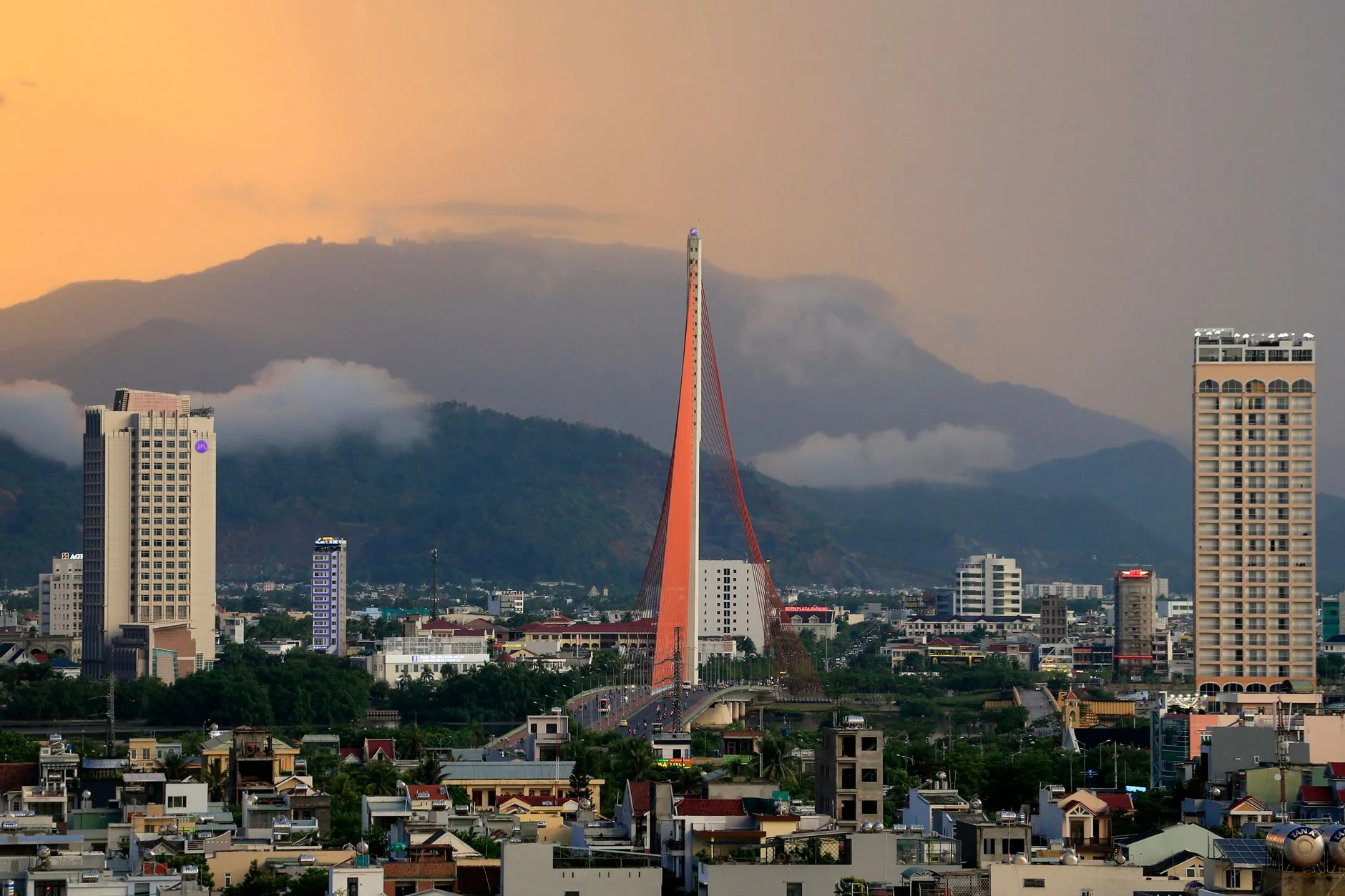
Katya from Yaroslavl moved to Vietnam with her husband after living in Georgia — not because of Instagram, but because they wanted warmth and quiet. Three months in Nha Trang, she’s still there. Her experience, combined with what other expats share, cuts through the usual polished takes on cheap Asian living.
The Real Monthly Budget (No Blogger Math)
Two people, reasonable lifestyle: around $700–800 a month. That breaks down as roughly $175 for rent, $225 for food (mix of street cafes and cooking), $35 for a motorbike, and $65 for day trips.

More precisely: a one-bedroom in Da Nang or Nha Trang runs $450–700. A studio starts around $250. Street food is $1.50–2.50 per meal. Motorbike rental: $40–60 monthly.
The number most blogs skip: summer air conditioning can triple your electricity bill — from the usual $20 to $60 a month. Budget for it from day one. The 2025 InterNations Expat Insider report ranked Vietnam first globally for personal finances: 89% of expats are satisfied with the cost of living.
The Visa Trap Most People Walk Into
More plans fall apart here than anywhere else.

Russians enter Vietnam visa-free for 45 days (policy valid until March 14, 2028). Beyond that, the standard path is an e-visa: 90 days, single-entry $25, multi-entry $50, processed in 3 business days through evisa.gov.vn — the only legitimate site to submit passport data.
The problem: people sign a year-long lease, then discover two months in that they got the wrong visa type for their actual plans. Or they do three consecutive visa runs, and the border officer starts asking pointed questions.
For moving to Vietnam long-term, a clear visa strategy before signing anything is non-negotiable. If your situation involves work, investment, or family — work it out before you’re already living there, or see what’s covered on our services page.
Daily Life Friction Nobody Posts About
Water. Tap water isn’t safe. Locals brush their teeth with bottled water. This isn’t unusual — it’s standard.
Traffic. Roughly 70% of vehicles are motorbikes. They run red lights; horns mean “I’m here,” not aggression. The first three months grind on you more than the heat. After that, you stop noticing.
Sanitation. Street food is genuinely great — the question marks are food storage and handling at some vendors. Most expats adapt fine; the first few weeks are unpredictable.
Waste and smell. Some residential areas have odor issues. At 30°C, that gets amplified. Pick your neighborhood before your apartment.
Health. Dengue fever is a real risk during rainy season. One hospital visit at an international clinic in Da Nang runs $100–150. A serious episode without travel insurance can cost more than six months of studio rent.
The Genuine Upsides
Fresh produce year-round at local market prices. Safety — belongings left unattended aren’t a constant worry. Vietnamese people are friendly and low-pressure. Beauty and medical services are notably cheaper than in Europe or Russia.

The cost of living varies by city — Da Nang, Hoi An, and Nha Trang each have a different price-to-lifestyle ratio worth comparing before committing to one location.
Is Vietnam Right for You?
Works well for remote workers on foreign contracts, freelancers, and people comfortable with some daily friction in exchange for warmth and affordable food.

Doesn’t work well for anyone counting on local employment. Work permits for foreigners are rare, and most positions in Vietnamese companies aren’t open to non-citizens. Realistic options: English teaching (around $1,000/month at international schools), remote IT contracts, tourism.
The consistent takeaway: Vietnam is forgiving on budget and generous with lifestyle — but it doesn’t tolerate a vague visa plan. Everything else, you figure out as you go.
If you need help sorting out the visa side — e-visa, visa run from Da Nang, or long-stay options — check danangvisarun.com, message Tanya on Telegram at @learnx1000. She’ll work out the right option for your situation.