Moving to Vietnam long-term is more achievable than it sounds. An e-visa costs $25 and gives you 90 legal days — enough to decide if Vietnam suits you before committing to a longer setup. If you want someone to handle the visa paperwork while you figure out the rest, there’s a one-day option for that.
Which Visa Gets You More Than 90 Days in Vietnam?
Russians and most nationalities have three real options for staying in Vietnam long-term.

E-visa (90 days): $25 for single-entry or $50 for multi-entry. Apply on evisa.gov.vn — approval takes 3-5 business days. After 90 days, do a visa run to Laos or Cambodia and get a new stamp. Russia has a 15-day visa-free arrangement with Laos, so the trip costs only transportation. Most long-term expats in Da Nang cycle through e-visas this way, year after year.
DN visa (1-3 years): A business visa requiring an invitation from a Vietnamese company. Costs $150-400 through a local agent. Grants access to a Temporary Residence Card (TRC) — the closest thing to a long-term residency permit Vietnam offers. Enforcement has tightened since 2025: the sponsoring company must be real and operational.
Work Permit + TRC: Full legal status when a Vietnamese employer sponsors you. The employer files paperwork; you complete a medical exam at an approved clinic in Da Nang or Hanoi. Timeline: 30-45 days from application.
Start with the e-visa. The first 90 days will tell you whether the climate, food pace, and lifestyle suit you. Commit to a DN visa only once you’re certain.
What to Sort Before You Leave Home
Documents for a long-term move are faster and cheaper to sort in Russia than in Vietnam. Bring these:

- Apostille on your birth certificate (needed later for TRC applications)
- Apostille on your diploma (required for a Work Permit)
- Notarised English translation of your passport
- Medical certificate showing no infectious diseases
Banking: Russian Visa and Mastercard cards don’t work in Vietnam. Bring a Gazprombank UnionPay card, or open a Kaspi or Freedom Bank account remotely — both cards function across Southeast Asia. Declare cash over $5,000 at the Vietnam border.
For a full breakdown of what documents you’ll need and when, see our long-term Vietnam stay guide.
How Much Does Life in Vietnam Actually Cost?
A single person in Da Nang lives comfortably on $900-1,300 per month. Key costs:
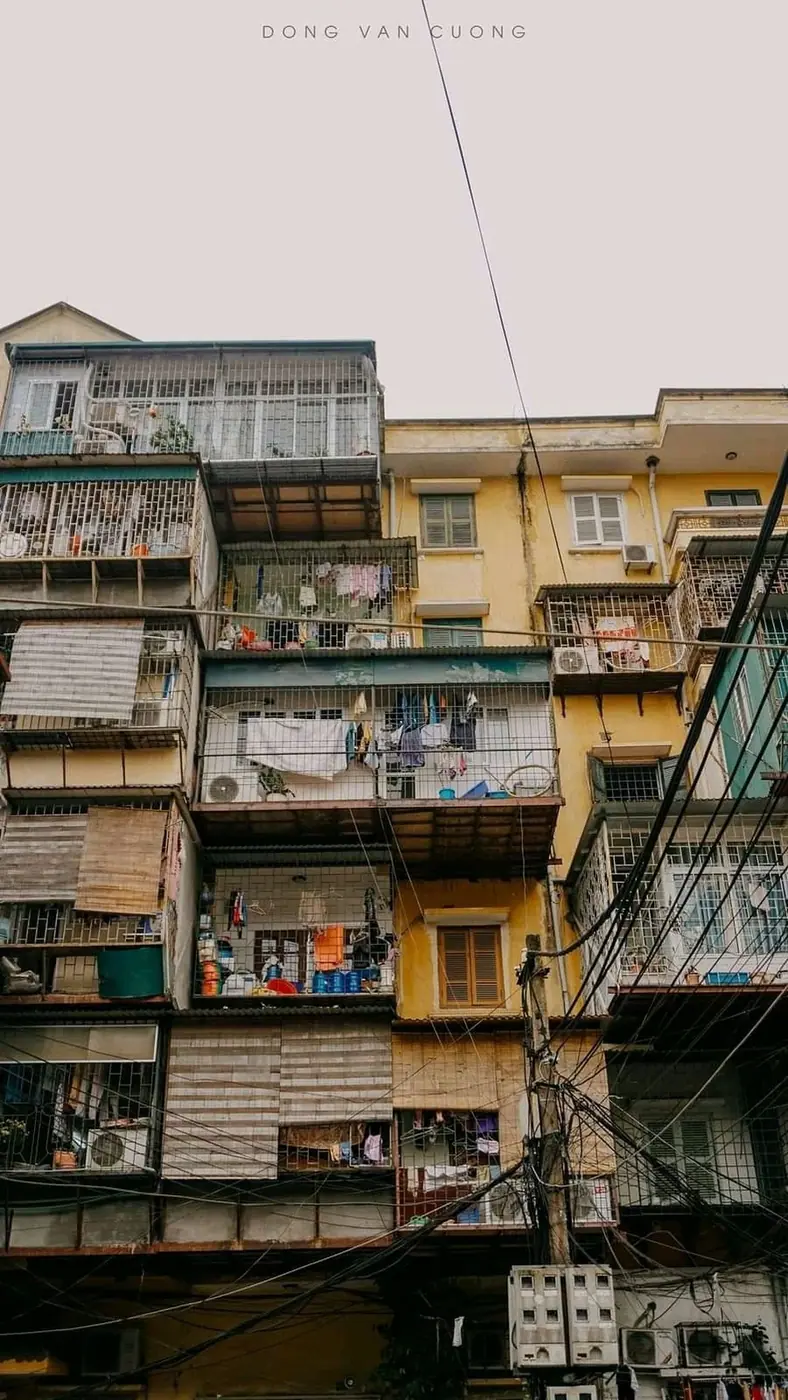
- Studio apartment: $250-400 per month, city center
- Food: street café $2-4 per meal, mid-range restaurant $8-15 for two
- Viettel SIM: $3-5 per month, 4G works reliably even outside cities
- Used motorbike: $350-500 one-time (Honda Wave or similar)
A family with one child should budget $1,800-2,500 per month. International school fees in Da Nang start at $600/month. For the first three months, set aside $4,500-6,000 — this covers the two-month deposit landlords require, transport, and setup costs.
Step-by-Step: How to Move to Vietnam in 90 Days
- Apply for e-visa on evisa.gov.vn — upload passport scan and one photo, pay $25 online
- Book a flight via stopover: Turkish Airlines through Istanbul runs $400-600 one-way
- On arrival: buy a Viettel SIM at the airport (around 100,000 VND)
- Week 1: book a temporary Airbnb while you learn the city layout
- Week 2: open a bank account at Techcombank, VPBank, or MBBank — bring passport, visa, and signed lease
- Week 3-4: sign a long-term lease; landlords take 2 months deposit plus first month in cash
- Month 2-3: decide whether to continue e-visa cycles or upgrade to a DN visa

Where to Live and How to Open a Bank Account
Da Nang is the most practical starting point: year-round warmth, growing English-speaking community, and international schools. Neighborhoods to look at: An Thuong (expat strip, higher rents), Bac My An (beach-side, mid-range), Hoa Xuan (quieter, most affordable).
Major banks — Vietcombank and BIDV — typically refuse to open accounts without a Work Permit. Techcombank, VPBank, and MBBank are more flexible. Plan for 2-3 visits to different branches before you find a cooperative manager. Always bring your passport, visa stamp, and a lease agreement with your name on it.
This is where the paperwork usually stalls — the e-visa government portal evisa.gov.vn declines most Russian and foreign cards when paying the $25 fee. I’ve seen this trip people up even after a smooth flight and arrival: you’re jet-lagged, the portal times out, your card fails. Our team handles it end-to-end: you send the passport scan, we file and pay the fee with a card the portal accepts, and you get the approval in 1-3 business days with no card headaches.
Common Mistakes in the First Month
Arriving without enough cash is the most avoidable mistake. SWIFT transfers from Russian banks can take 3-10 days to land, and landlords take deposit plus first month only in cash. Bring at least $2,000-3,000 in USD notes.
A notarised passport translation done in Russia costs $15-30. In Vietnam, the same document runs $50-80 and takes 2-3 days — and you’ll need it to open a bank account. Do it before you leave.
Committing to a long-term lease in the first week is risky. Spend the first two weeks in a short-term rental while you learn which neighbourhoods suit you — then negotiate a 6-month or annual contract directly with the landlord.
Is Long-Term Life in Vietnam Worth It?
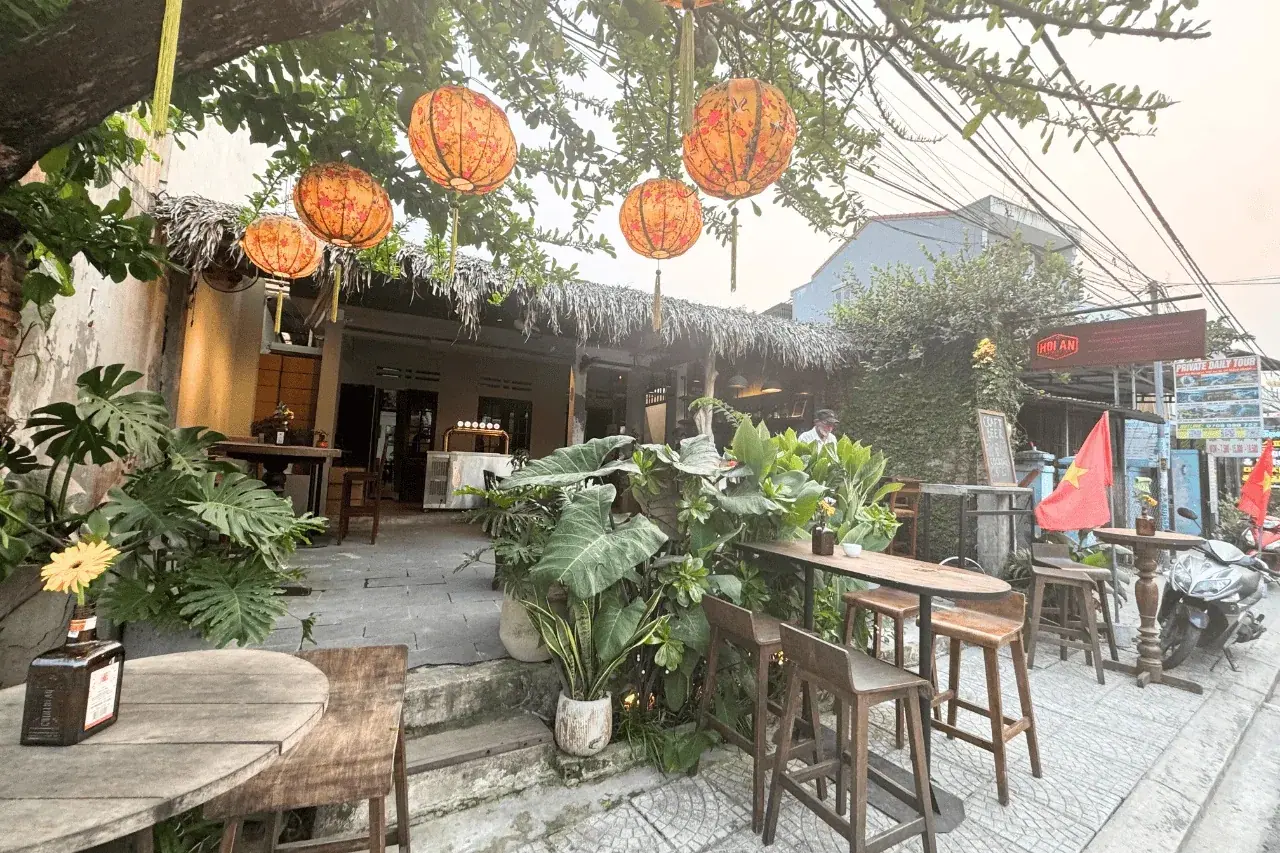
Vietnam works for people who want warm winters, low monthly costs, and a walkable city environment. Da Nang and Hoi An attract the largest Russian-speaking expat communities; Ho Chi Minh City suits those who need faster business infrastructure.
The real challenges: Vietnam has no official permanent residence status for foreigners — you cycle through e-visas, use a DN visa, or hold a Work Permit. Russian banking cards don’t work. The first two months are bureaucracy-heavy regardless of your visa type.
After 183 days in country, you become a Vietnamese tax resident. Personal income tax (PIT) runs 5-35% progressively on all income, including remote work. A local accountant costs $100-200 per quarter and handles everything — worth the cost from day one.
For taxes, banking, housing and insurance covered together, see our relocation guide.
Ready to start? Get your e-visa sorted first, give yourself 90 days to test the lifestyle, and build from there. If you’d rather skip the paperwork, danangvisarun.com handles e-visas, visa runs, and airport transfers — reach out for your specific situation.