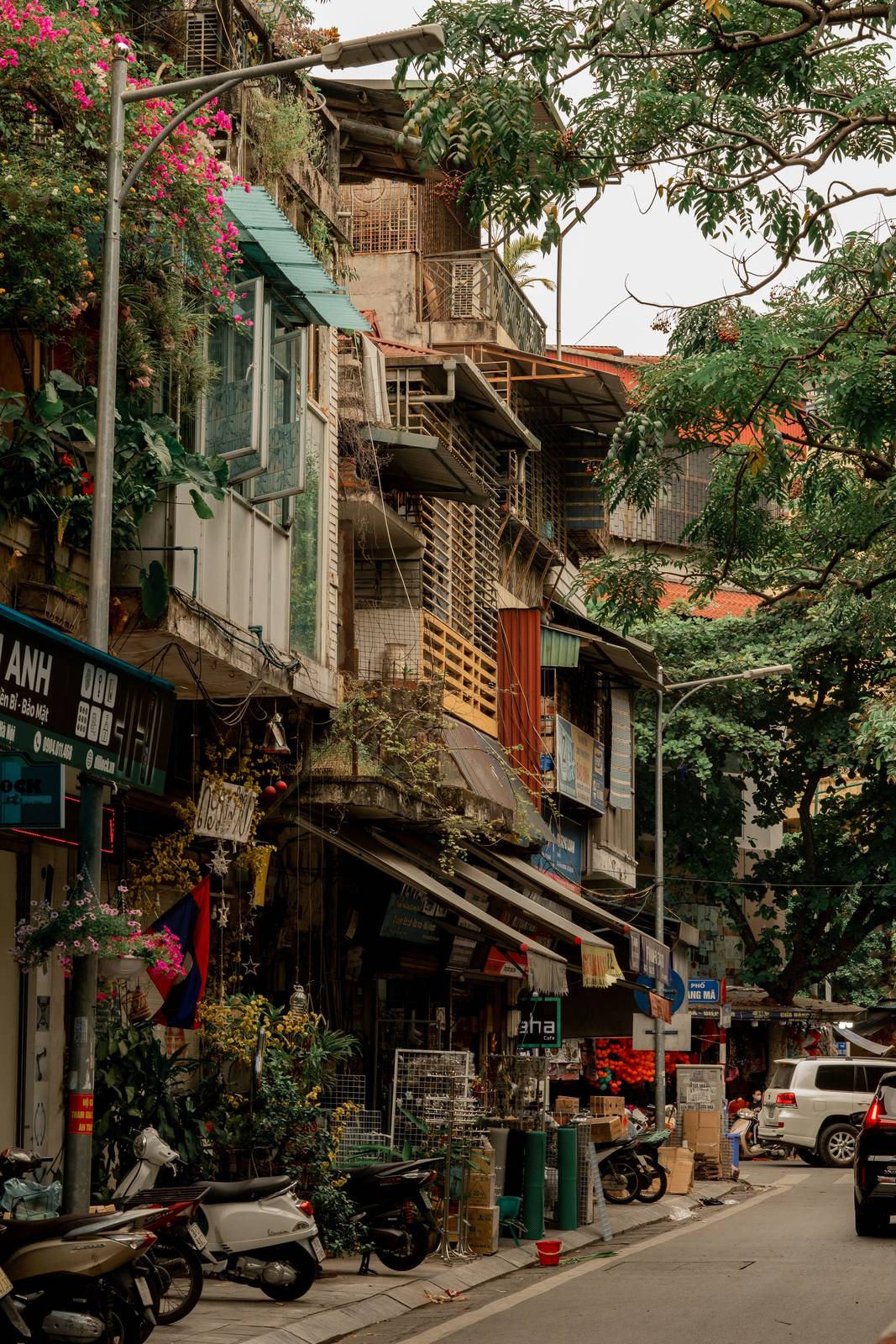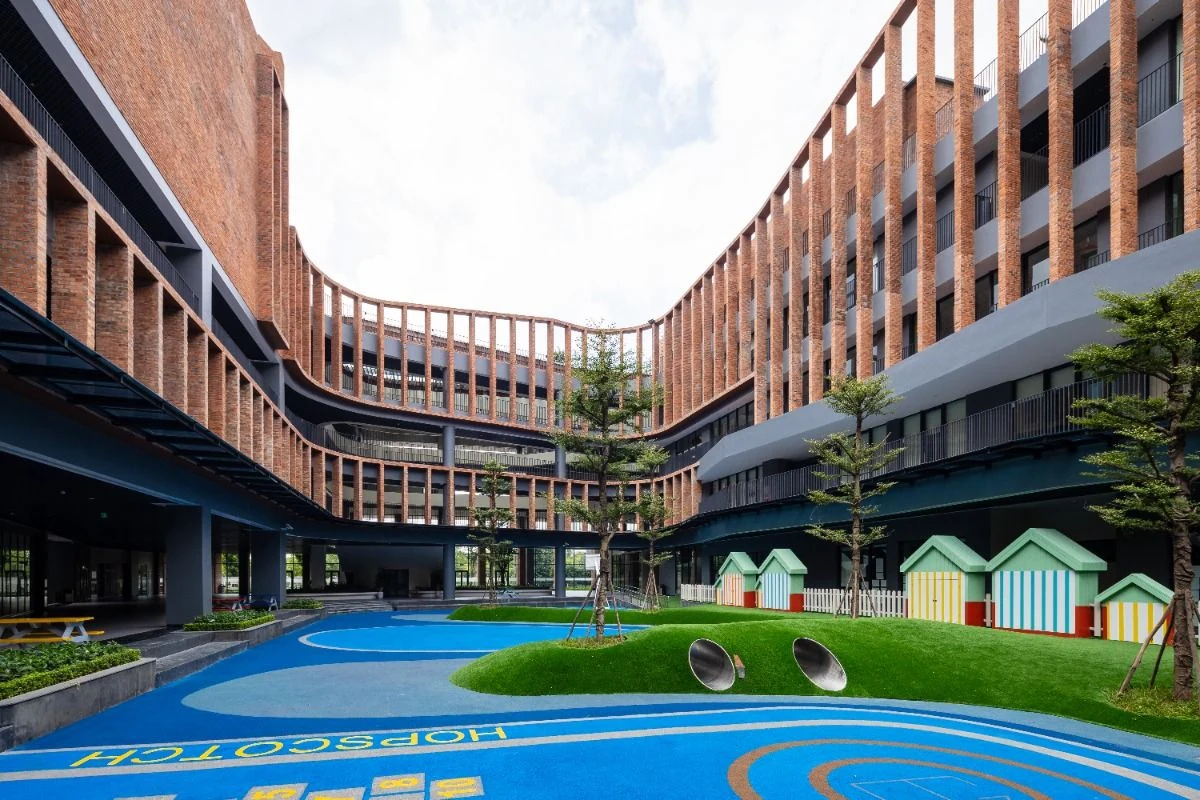
Picking up a family and moving to Vietnam is one of those decisions that looks easy from the outside and genuinely complicated once you start researching. The weather is fine. The beaches are real. But nobody tells you upfront what the tuition bill looks like. This guide covers what family relocation to Vietnam actually costs — cities, schools, hospitals, and monthly living expenses — so there are no surprises when you land.
Choosing the Right City for Your Family
Four cities dominate the expat family conversation, each with a different profile.
Nha Trang has the largest Russian-speaking diaspora in Vietnam. You’ll find Russian-language kindergartens, tutors, and community networks, which makes the adjustment much easier for families who don’t yet speak English. The tradeoff: it’s a resort city, and the international school selection is thinner than in the bigger centres.
Da Nang is the balanced choice for most expat families. Modern, clean, with solid international medical infrastructure and several strong international schools. Two-bedroom apartments rent for $600–1,000/month, and most neighbourhoods are 10 minutes from the beach. The main seasonal caveat: typhoons roll through central Vietnam in autumn.
Ho Chi Minh City (Saigon) has the widest selection of international schools and the most corporate jobs for expats. If top-tier schooling is non-negotiable for your family, this is the city. Budget for a significantly higher cost of living: rent hits $900–1,500/month and the total family spend climbs to $4,200–6,800.
Phu Quoc appeals to families who want nature and calm over urban convenience. One international school, limited specialist medical care, and a relaxed pace that some families love long-term — others find isolating.
School Options and Real Tuition Costs
International schools in Vietnam follow one of three curricula: IB (International Baccalaureate, accepted by universities worldwide), British Cambridge (IGCSE and A-Levels), or American (SAT/AP pathway). All are taught in English with native-speaking teachers.

Annual tuition fees by level:
- Primary: $15,000–$25,000
- Middle school: $20,000–$30,000
- High school: $25,000–$38,000
That’s tuition only. Add a one-time enrollment fee of $1,000–$4,000, an annual capital levy up to $5,000, plus school bus, meals, and uniforms. Total annual cost per child at a good international school often reaches $25,000–45,000.
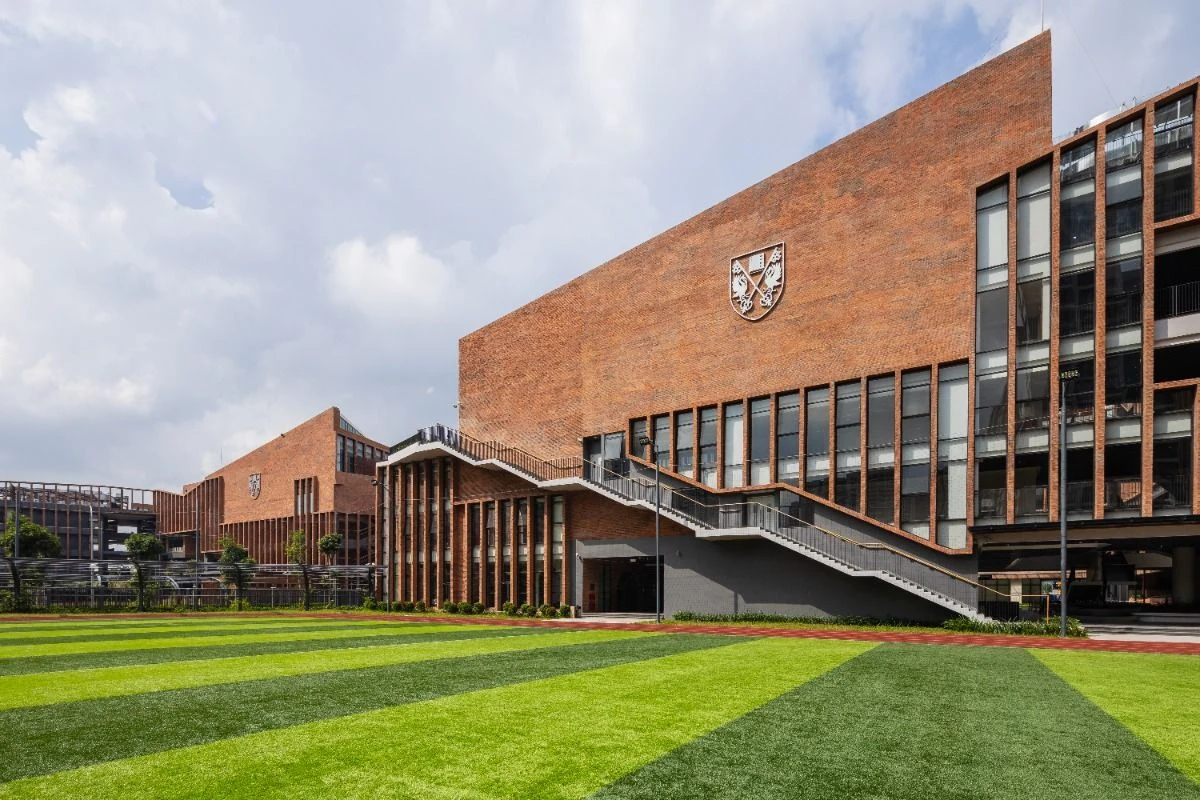
Well-regarded schools by city: ISHCMC, BIS, UNIS, and AIS in Ho Chi Minh City; UNIS Hanoi, BIS Hanoi, and Concordia in Hanoi; APU International School and Green Shoots International School in Da Nang.
For kindergarten-age children, the range is much wider. Local Vietnamese kindergartens run $150–300/month. Bilingual (Vietnamese + English) programs cost $350–600/month — a practical middle ground for most families. Full international kindergartens start at $700 and reach $1,800/month, with English-speaking teachers and Western curriculum methods (Montessori, EYFS).
Healthcare and Insurance for Children
International hospitals in Vietnam are genuinely reliable. The catch: they’re priced accordingly.
A single paediatric consultation costs $100–150. A day of inpatient care runs into thousands. Without insurance, one seriously ill child can erase months of savings. Get coverage before you arrive, not after.
Recommended providers for expat families: Cigna, Allianz, and Bupa all offer international plans with direct billing at major hospitals. Budget $250–400/month for a family of three.
Key hospital networks to know:
- Family Medical Practice — expat-focused clinics in Da Nang, Hanoi, and Ho Chi Minh City; excellent paediatrics
- Vinmec International Hospital — modern facilities nationwide, including Nha Trang, Phu Quoc, Da Nang, and HCMC
- FV Hospital (HCMC) — French-managed, widely regarded as best-in-country for complex cases
- Raffles Medical (HCMC, Vung Tau) — Singapore-based, solid general practice
Before departure, confirm your child is current on all standard vaccinations. Your paediatrician may also recommend hepatitis A, typhoid, and Japanese encephalitis vaccines. Pack fever reducers, antihistamines, oral rehydration salts, and strong mosquito repellent — dengue fever is seasonal and real.
Monthly Budget Breakdown: Family of Three
These are real numbers for two adults and one child in Da Nang or Nha Trang:
| Expense | Da Nang / Nha Trang | Ho Chi Minh City |
|---|---|---|
| 2-bedroom apartment | $600–1,000 | $900–1,500 |
| International school (1 child) | $1,200–2,000 | $1,800–3,000 |
| Groceries | $500–700 | $600–800 |
| Utilities | $100–150 | $120–200 |
| Family health insurance | $250–400 | $250–400 |
| Transport | $100–150 | $150–250 |
| Activities, dining, clubs | $300–500 | $400–700 |
| Monthly total | $3,050–4,900 | $4,220–6,850 |
If your child attends an online school or a Russian-language program instead of an international school, the monthly total drops to around $1,500–2,000 for a family of three — manageable on a standard remote-work income.
Visa Options for Families Relocating to Vietnam
Russian citizens enter Vietnam visa-free for 45 days under the current bilateral agreement running through March 2028. For an actual relocation, three visa routes are most common.
A work permit is the most stable long-term option. If one parent is employed by a Vietnamese-registered company, the entire family receives dependent visas. For the specifics on long-stay visa options in Vietnam, see our dedicated guide.
A student visa applies if your child is enrolled at an accredited school — the child gets a student visa, and one parent qualifies for a guardian visa to stay alongside.
An investor visa is available if you open and operate a Vietnamese-registered business.
Vietnamese immigration rules change regularly, and the paperwork is dense. Most families working with a local specialist find it saves significant time and avoids costly mistakes.
The team at Best Bus / Vietnam Visa handles e-visas, long-stay visas, and relocation support for families moving to Vietnam. Message us on Telegram @learnx1000 to talk through your family’s situation — or reach us.