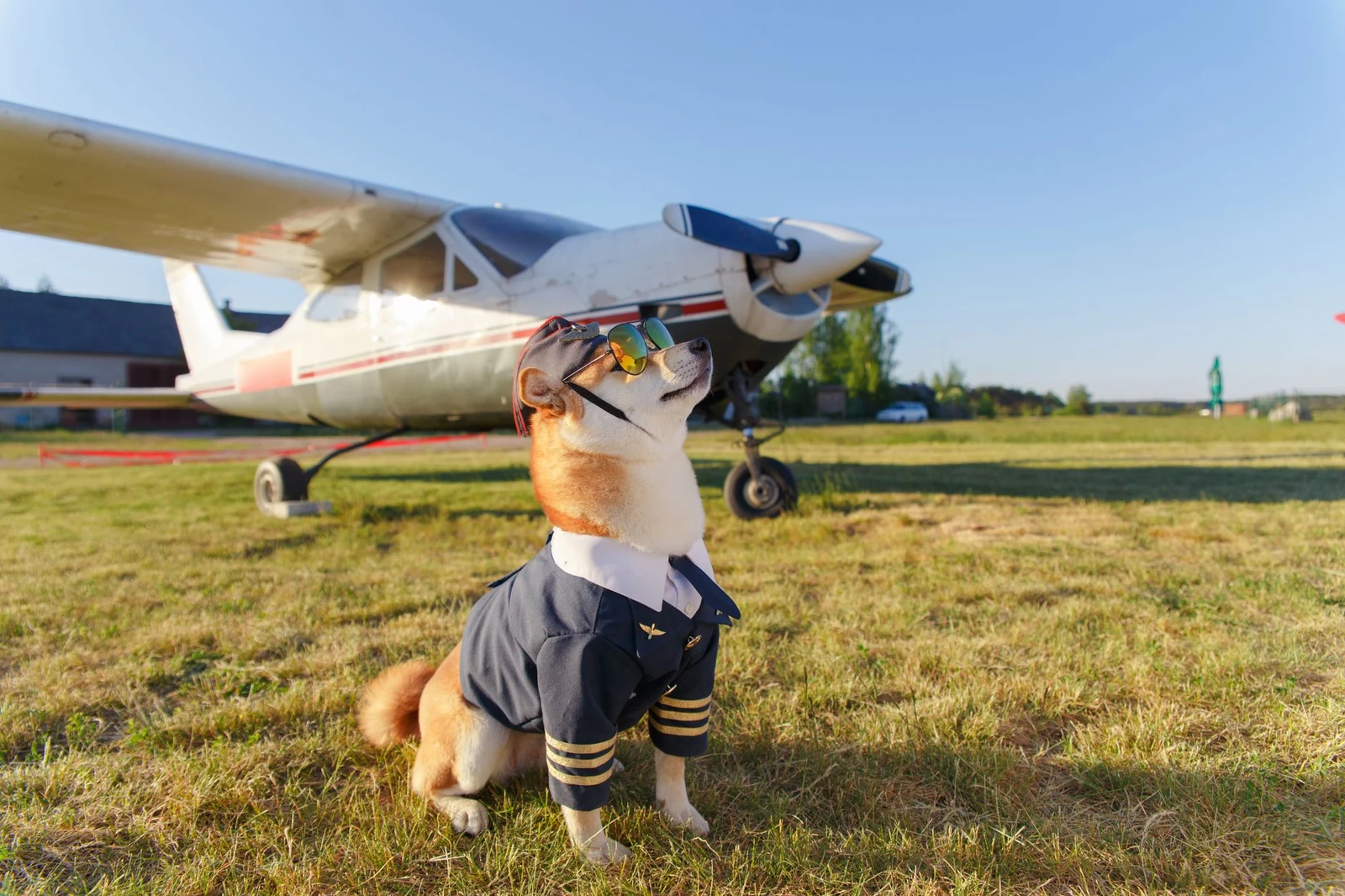
Moving to Vietnam with a dog is entirely doable — but the process has more steps than most people expect, and one wrong booking (looking at you, Jetstar) can turn a 4-hour trip into a 24-hour detour. Here’s a full breakdown: documents, airlines, airport vet control, and the actual cost of the extra flight that most guides forget to mention.
The short version: vet passport + full vaccinations + microchip + international health certificate from a government vet clinic, issued 1–5 days before departure. Factor in 2,500,000 VND (~$100) for the Vietnam Airlines domestic leg if you’re routing through Ho Chi Minh City.
Documents: State Vet Clinic Only
Three things must be in order before you fly:
- Vet passport with all vaccinations recorded
- Microchip — required; tattoo is optional
- International health certificate from a state-run veterinary clinic
This last point trips people up. Private vets cannot issue the international certificate — it has to come from a government facility. When you go, be explicit that you’re traveling internationally, and name the destination country. The clinic issues a different form for international travel than for domestic movement. This certificate is only valid for 1–5 days before departure, so time it carefully and don’t get it too far in advance.
Airlines That Actually Accept Pets in the Cabin
For dogs under 8–10 kg traveling in-cabin, options from Russia historically include: Aeroflot, UTair, Turkish Airlines, and Rossiya. (These policies date to 2018 — always verify before booking, as airlines update rules without announcement.)

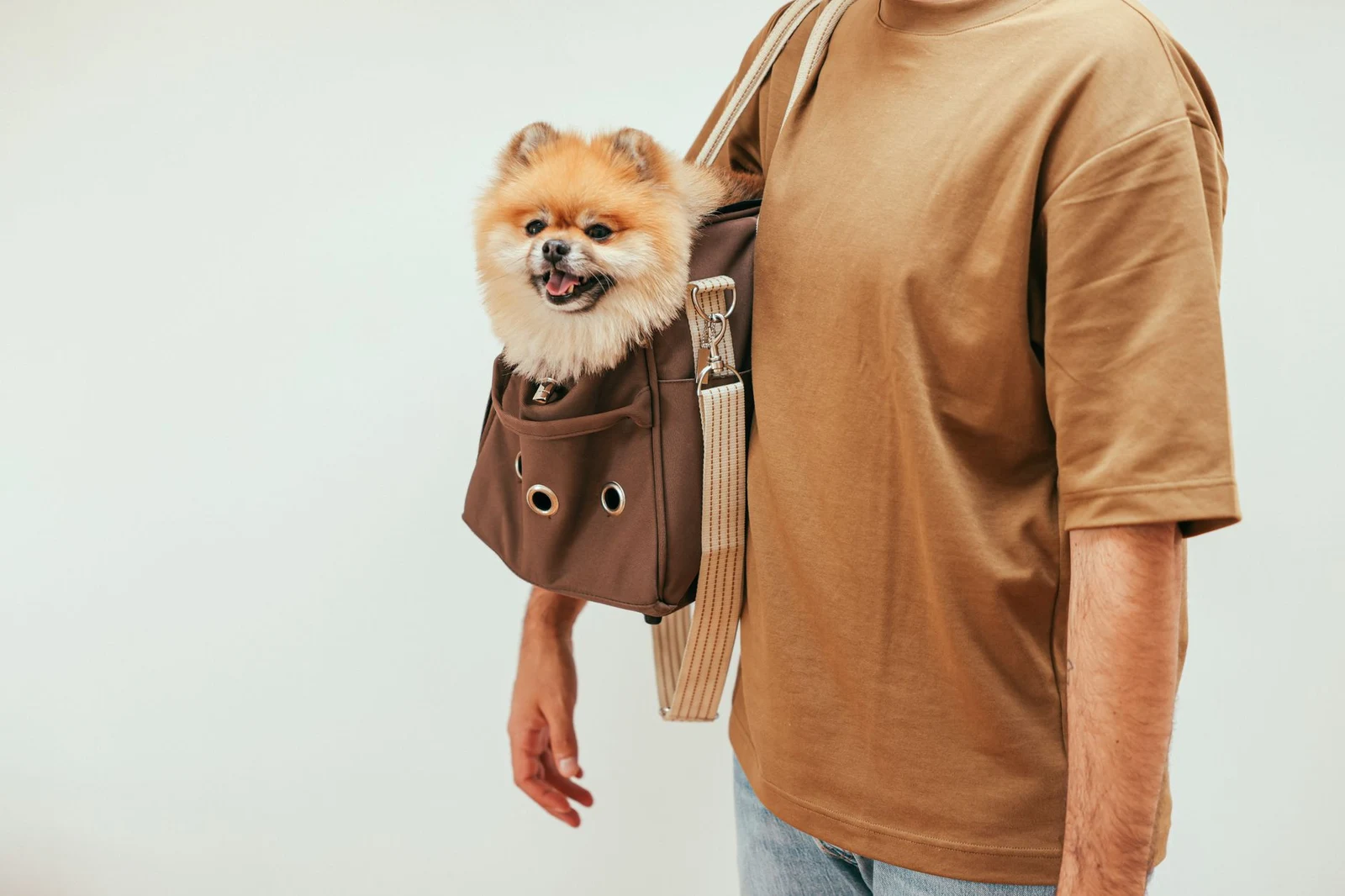
Turkish Airlines works well for long-haul routing. Process: buy your ticket, then call the airline hotline to notify them about your pet. They call back within minutes to confirm. You pay at the airport, based on the combined weight of the dog and carrier — keep this under 8–10 kg. A soft-sided carrier from AliExpress covers this for around 3,000 rubles.
Critical booking warning: Jetstar categorically refuses all animals. No cabin, no hold, no exceptions. If any leg of your routing runs on Jetstar — common on budget Ho Chi Minh City to Phu Quoc connections — you’ll need to reroute or plan an overnight in Ho Chi Minh City.
Vietnam Airlines allows pets in the cabin, but the captain makes the final call. If the captain says no, you wait for the next flight. The Ho Chi Minh City to Phu Quoc leg with a dog cost 2,500,000 VND (~$100 at current rates).
Airport Vet Control: The Actual Process
After check-in, airport staff direct you to a veterinary control point. What happens there:

- They verify your international health certificate, vet passport, and vaccination records
- They swap your health certificate for an international transport certificate — this document travels with you for the duration of the trip
- You return to the gate and board normally
One key behavioral rule: Russian airports are relatively relaxed about carriers being open. Asian airports are strict — your dog must stay inside a closed carrier at all times: at the gate, during boarding, and on the plane. Enforced without exceptions.
Planning the Long-Term Stay: The Visa Side
If you’re moving to Vietnam permanently or for a long stay rather than visiting, sorting your own documents runs in parallel with the pet paperwork. Vietnam’s e-visa covers 90 days and is the standard starting point — but once you’re in, you’ll need to decide on the next step: a visa run through Laos or Cambodia, a work permit, or a long-term resident card, all of which are laid out on our services page.

Getting this right before you arrive saves a lot of stress. Best Bus specializes in exactly this: e-visa applications, organized visa runs to the Cambodian and Laotian borders, and transfers from major airports. If you’re figuring out which visa route fits your situation, the long-term visa and residency guide covers the main options with current requirements.
Leaving Vietnam: The Exit Certificate
When it’s time to leave, you’ll need another certificate from a government vet clinic — issued 2–5 days before your departure date. Your dog’s vaccinations must still be current at travel time; if they’ve lapsed, you’ll need to get them updated in Ho Chi Minh City, as smaller locations may not have the right supplies.
On Phu Quoc island, there’s an English-speaking vet who makes house calls: 097 6474972. The island’s public vet clinic doesn’t have English-speaking staff, so this contact saves time.
Getting Around: Ferries, Borders, and Buses
The Phu Quoc to Ha Tien ferry went smoothly — no pet documentation required. The Ha Tien to Cambodia land border was the same; officials didn’t ask for any animal paperwork.
Sleeper buses are the problem. No bus company allowed the dog in the passenger cabin. The only solution for long distances was a private taxi — the Siem Reap to Ha Tien route covers over 500 km and costs considerably more than any bus fare. If you’re planning travel through central Vietnam, see what transport options look like for a longer stay — buses work fine for people, just not with pets on board.
Sorting the visa side of a Vietnam move — e-visa, visa run planning, or airport transfer — takes its own prep work. Message on Telegram: @learnx1000 — Best Bus handles it from paperwork to border crossing.